China's Ministry of Ecology and Environment Issues 'Environmental Compliance Guidelines for Exporting Industrial Solid Waste Resource Utilization Equipment'
Author
Date Published
Reading Time
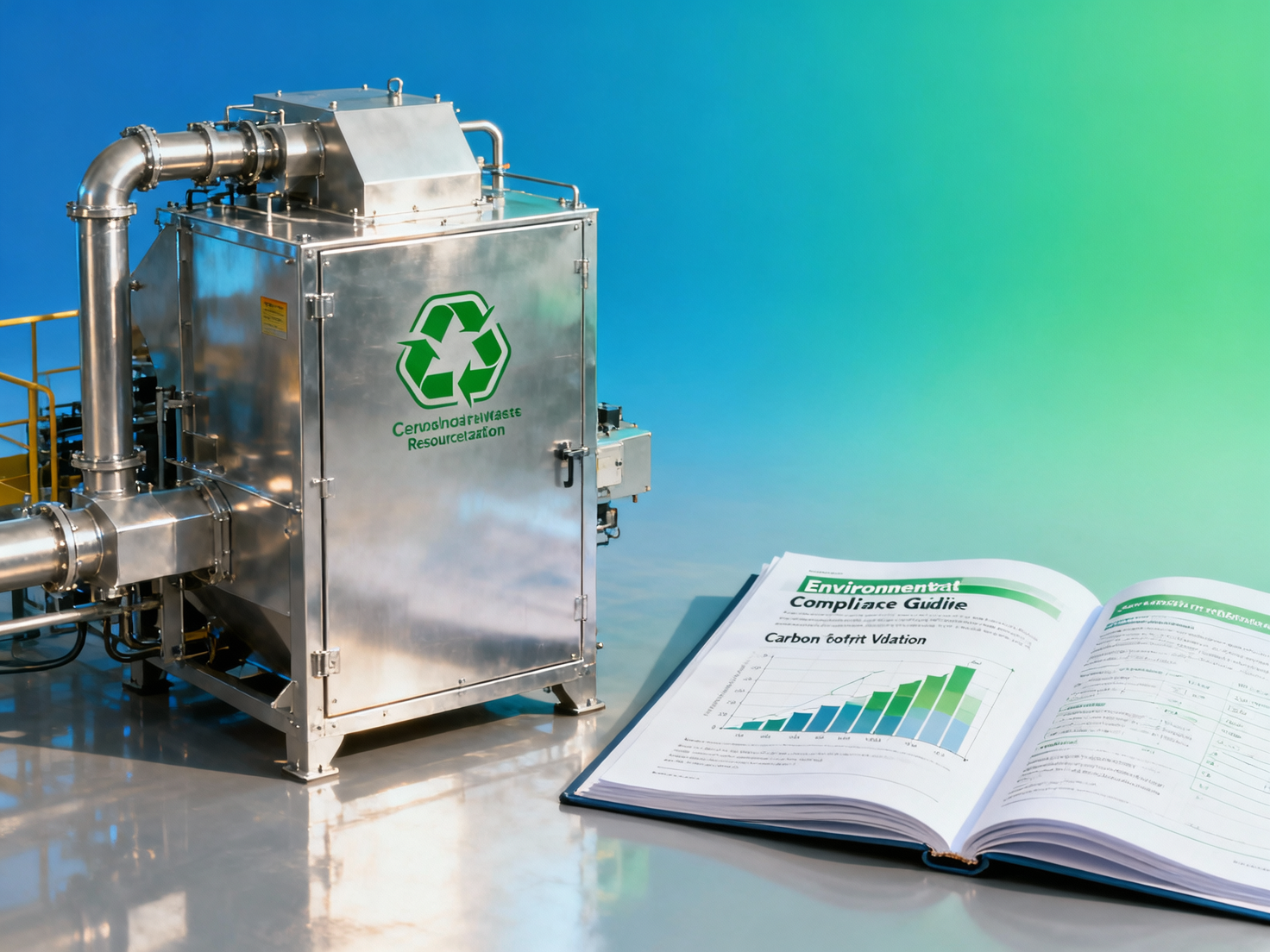
China's Ministry of Ecology and Environment Issues 'Environmental Compliance Guidelines for Exporting Industrial Solid Waste Resource Utilization Equipment'
Introduction
On March 27, 2026, China's Ministry of Ecology and Environment released the 'Environmental Compliance Guidelines for Exporting Industrial Solid Waste Resource Utilization Equipment (2026 Trial)'. This new regulation mandates that equipment such as waste incinerators, hazardous waste crushing and sorting lines, and fly ash stabilization devices exported to key markets like RCEP, ASEAN, and the Middle East must provide third-party verified 'full lifecycle carbon emission statements' (covering manufacturing, transportation, and operation phases) to overseas buyers before contract signing. Additionally, exporters must cooperate with ESG audits. Although the guidelines are currently in trial, they have already been adopted as a prerequisite in equipment tenders by several international engineering firms. Industries involved in waste management, environmental technology exports, and ESG compliance should pay close attention to these changes, as they could significantly impact trade dynamics and operational requirements.
Event Overview
The Environmental Compliance Guidelines for Exporting Industrial Solid Waste Resource Utilization Equipment (2026 Trial) were officially issued on March 27, 2026. The guidelines introduce new requirements for exporters of industrial solid waste resource utilization equipment, including waste incinerators, hazardous waste processing lines, and fly ash stabilization devices. Key provisions include the submission of third-party verified lifecycle carbon emission statements and compliance with ESG audit requests from overseas buyers. The guidelines apply to exports to RCEP, ASEAN, and Middle Eastern markets, among others. While still in trial, the rules have already influenced procurement processes, with some international engineering firms incorporating them into tender conditions.
Impact on Key Industries
Environmental Technology Exporters
Companies manufacturing and exporting industrial solid waste processing equipment will face increased compliance burdens. The requirement for third-party verified carbon emission statements adds a layer of documentation and verification, potentially delaying contract signings and increasing operational costs.
Engineering Procurement Firms
International engineering firms involved in waste management projects must now incorporate these compliance checks into their procurement processes. This may lead to longer project timelines and necessitate closer collaboration with equipment suppliers to ensure adherence to the new guidelines.
ESG Compliance Services
The demand for ESG audit and carbon footprint verification services is expected to rise, as exporters and buyers alike seek to meet the new regulatory requirements. Firms specializing in these areas may see increased business opportunities.
Key Considerations and Recommended Actions
Monitor Policy Developments
Given that the guidelines are in trial, businesses should stay updated on potential refinements or expansions of the requirements. Official statements or supplementary documents from the Ministry of Ecology and Environment should be closely tracked.
Prioritize Key Markets and Equipment Categories
Exporters should focus on ensuring compliance for high-demand equipment like waste incinerators and hazardous waste processing lines, particularly in RCEP and ASEAN markets, where these rules are already being enforced in tenders.
Strengthen Supply Chain Coordination
Proactive engagement with suppliers and logistics partners will be essential to streamline the preparation of lifecycle carbon emission statements and facilitate smoother ESG audits.
Prepare for Increased Compliance Costs
Businesses should assess the financial implications of third-party verifications and potential delays, adjusting pricing strategies or project timelines accordingly.
Editorial Perspective
From an industry standpoint, these guidelines signal China's growing emphasis on aligning its environmental technology exports with global ESG standards. While the immediate impact may be limited to specific equipment and markets, the broader trend toward stricter environmental compliance in international trade is clear. Companies should view this as an opportunity to enhance their sustainability credentials and competitive edge in green technology markets.
Conclusion
The introduction of these guidelines marks a significant step in integrating environmental accountability into China's industrial equipment exports. For now, businesses should treat this as a developing framework, focusing on compliance readiness while anticipating further refinements. The long-term implications could extend beyond current markets, influencing global standards for waste management technology.
Source Information
Primary Source: Ministry of Ecology and Environment, China (Official Release, March 27, 2026).
Additional Note: The trial status of the guidelines means further updates or adjustments may follow, warranting ongoing monitoring.
Technical Specifications
- Air Handling Unit Supplier Checklist: Performance Data, Lead Times, and SupportAuthor :Environmental Engineering Director
- Buying Fiberglass Water Tanks Wholesale: Compare Quotes and Delivery CostsAuthor :Environmental Engineering Director
- Choosing an XLPE Power Cable Supplier: Test Reports, Traceability, and Lead TimesAuthor :Grid Infrastructure Analyst
Expert Insights

Chief Security Architect
Dr. Thorne specializes in the intersection of structural engineering and digital resilience. He has advised three G7 governments on industrial infrastructure security.
Related Analysis
- Oct 19, 2026Air Handling Unit Supplier Checklist: Performance Data, Lead Times, and SupportAuthor :Environmental Engineering Director
- Oct 18, 2026Buying Fiberglass Water Tanks Wholesale: Compare Quotes and Delivery CostsAuthor :Environmental Engineering Director
- Oct 17, 2026Choosing an XLPE Power Cable Supplier: Test Reports, Traceability, and Lead TimesAuthor :Grid Infrastructure Analyst
Core Sector // 01
Security & Safety
- How to Select a Twin Shaft Shredder for Bulky Waste, Scrap Metal, and PlasticsAuthor :Environmental Engineering Director

- How to Choose a Twin Shaft Shredder for Tires: Torque, Throughput, and Knife DesignAuthor :Environmental Engineering Director

- Selecting Waste Recycling Equipment by Waste Stream, Throughput, and Contamination LevelAuthor :Environmental Engineering Director

- How to Choose Waste Sorting Equipment for Recycling Plants by Material Stream and CapacityAuthor :Environmental Engineering Director

- Scrap Metal Baler Buying Guide: Horizontal vs Vertical, Capacity, Power, and OutputAuthor :Environmental Engineering Director

- What Is Industrial Ecology and How Does It Improve Resource Efficiency in Manufacturing?Author :Environmental Engineering Director

- Pet Bottle Washing Line Problems: Common Causes of Flake Contamination and How to Fix ThemAuthor :Environmental Engineering Director

- How to Evaluate Environment & Ecology Cost in Industrial ProjectsAuthor :Environmental Engineering Director