Where Environment & Ecology Costs Rise First in New Projects
Author
Date Published
Reading Time
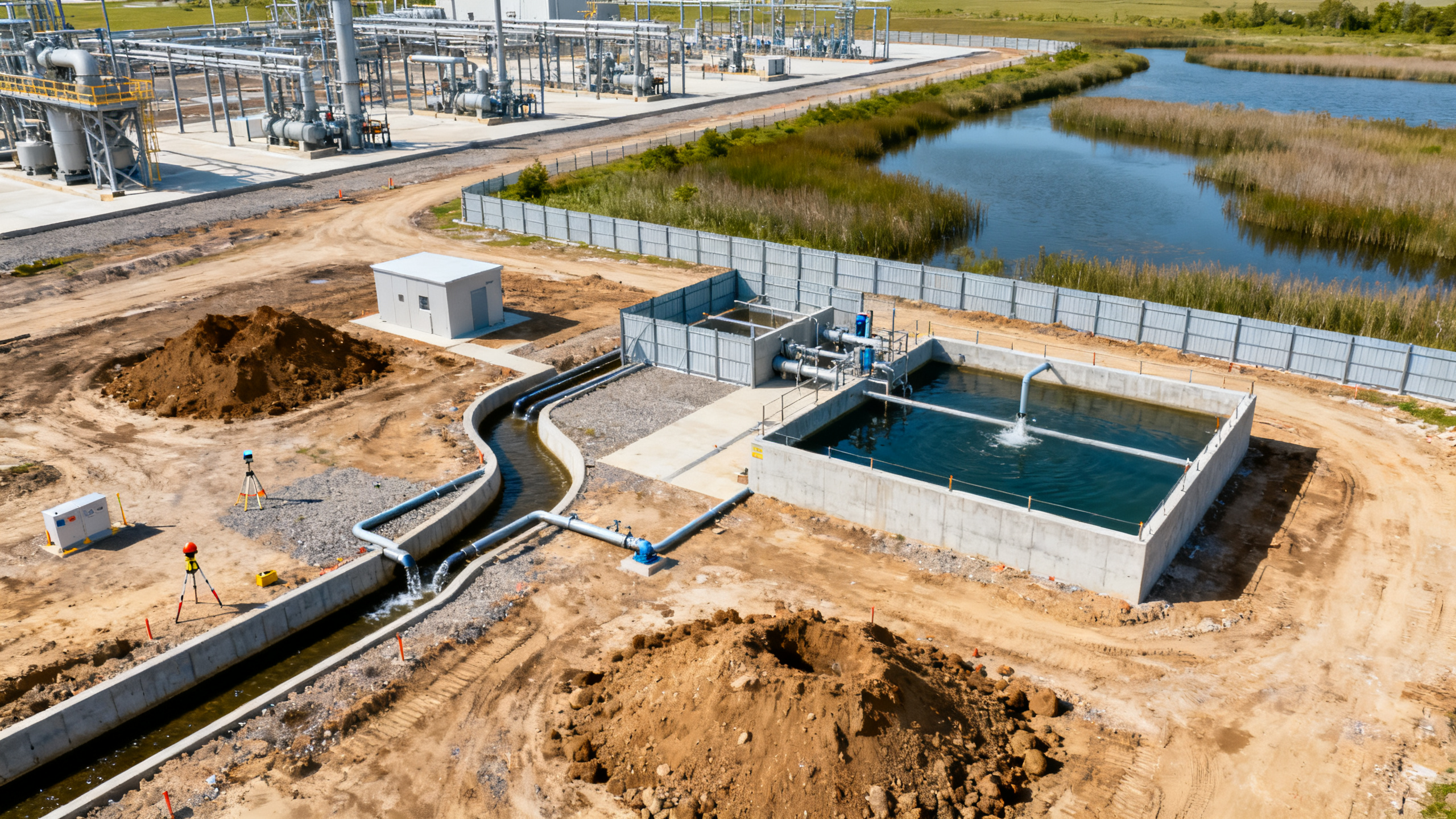
In new industrial and infrastructure developments, Environment & Ecology cost often rises earlier than expected. It usually happens before steel is erected or major equipment arrives on site.
The first shocks come from site realities, permit conditions, environmental controls, and redesign needs. When these factors are underestimated, budgets tighten and schedules slip.
Understanding where Environment & Ecology cost appears first helps protect project feasibility. It also supports safer execution, cleaner commissioning, and stronger long-term compliance across complex assets.
What does Environment & Ecology cost include in a new project?
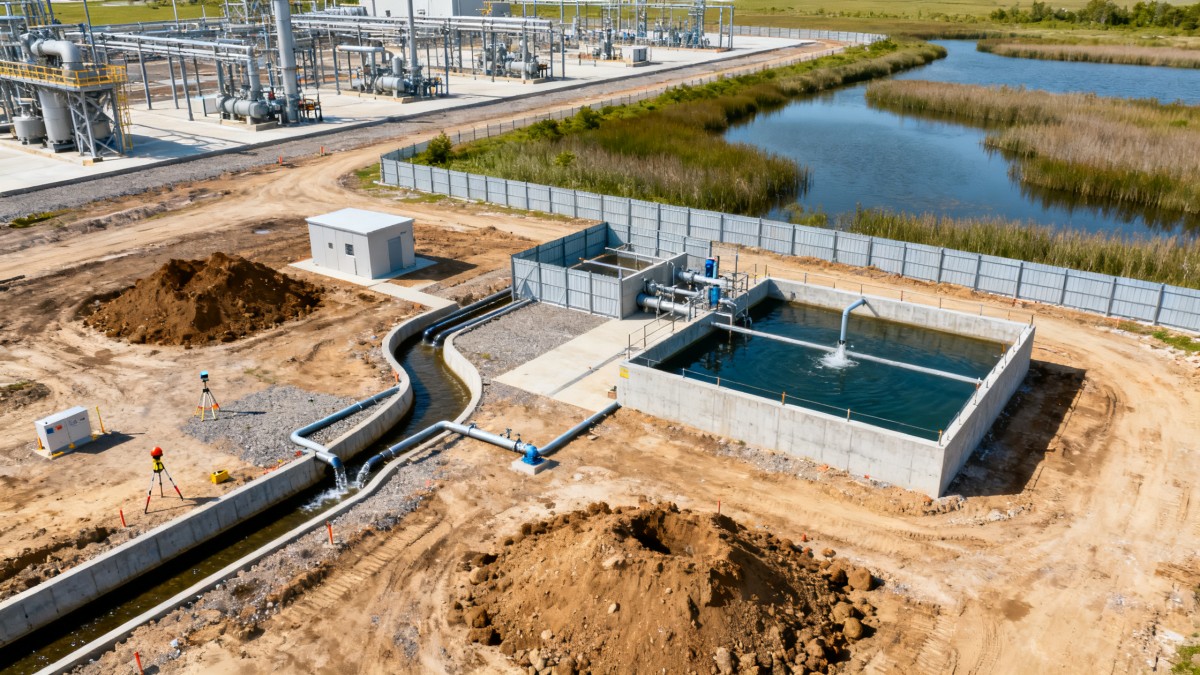
Environment & Ecology cost is broader than a permit fee or a waste disposal line. It includes every environmental control needed to make a project legally buildable and operationally acceptable.
Early-stage items often include baseline surveys, impact studies, stormwater plans, habitat assessments, erosion controls, and emissions modeling. These costs arrive before physical construction gains momentum.
Later items may include monitoring systems, treatment units, lined containment, acoustic barriers, remediation reserves, and post-construction reporting. Those are important, but many overruns start much earlier.
In heavy industry, Environment & Ecology cost also intersects with power systems, mechanical design, drainage, materials handling, and safety engineering. It is not an isolated budget category.
- Site investigation and environmental baseline data
- Permitting and regulatory submission packages
- Temporary construction-phase controls
- Permanent pollution prevention infrastructure
- Monitoring, testing, and compliance documentation
Where does Environment & Ecology cost usually rise first?
The first increase usually appears in site characterization. Initial assumptions about soil, groundwater, drainage, noise receptors, or biodiversity are often too simple for real conditions.
A site may look usable on paper, yet hidden constraints change everything. Wetlands, unstable fill, contamination, flood exposure, or protected species can trigger expensive redesign.
Permitting is another early pressure point. Authorities may request additional modeling, alternative layouts, broader monitoring, or revised mitigation measures after reviewing submissions.
Construction access can also increase Environment & Ecology cost fast. Temporary roads, drainage diversion, dust suppression, wheel washing, and spoil management often exceed preliminary estimates.
Utilities and discharge connections create another hidden jump. If public infrastructure cannot accept expected loads, on-site treatment or storage becomes necessary sooner than planned.
The earliest cost escalation hotspots
- Incomplete geotechnical and contamination surveys
- Underestimated stormwater and runoff requirements
- Late discovery of protected habitats or buffer zones
- Noise and air dispersion limits near communities
- Unexpected waste classification and disposal obligations
Why do permitting and compliance drive early budget overruns?
Permitting converts broad environmental intent into project-specific obligations. That translation is where many underestimated assumptions become measurable, enforceable, and expensive.
A concept design may satisfy production goals, yet fail environmental thresholds. Once regulators require changes, engineering teams must update layouts, drainage, equipment selections, and operating limits.
Time also matters. Delayed approvals increase idle costs, consultant fees, and contractor resequencing. The direct Environment & Ecology cost may be smaller than the schedule impact it creates.
Cross-border projects face added complexity. International standards, lender requirements, and local enforcement practices may not align, forcing additional studies or stronger mitigation than expected.
This is why Environment & Ecology cost should be tested during pre-FEED and FEED stages. Waiting for full design maturity usually makes corrective action more expensive.
Which project conditions make Environment & Ecology cost rise fastest?
Brownfield sites often carry the highest uncertainty. Existing contamination, legacy drainage, buried structures, and undocumented utilities can amplify Environment & Ecology cost almost immediately.
Coastal, flood-prone, and water-stressed regions also trigger fast increases. More robust containment, water reuse, salinity management, and climate resilience measures become necessary early.
Projects near residential zones face tighter noise, air quality, and traffic constraints. Mitigation may involve enclosure systems, changed logistics windows, or different process equipment.
Large earthworks create another acceleration point. Once cut-and-fill volumes increase, sediment control, runoff treatment, and spoil classification can lift Environment & Ecology cost sharply.
Complex process industries are especially exposed. The more interfaces between water, chemicals, heat, dust, and emissions, the more environmental controls are needed from day one.
High-risk conditions to screen early
- Unknown historical land use
- Restricted receiving waters or weak local utilities
- Dense nearby communities or ecological receptors
- Large excavation, blasting, or dewatering scope
- Multi-standard compliance across lenders and jurisdictions
How can teams estimate Environment & Ecology cost more accurately before construction?
Better estimates begin with earlier data. Spending more on baseline surveys can reduce later rework, contractor claims, and emergency mitigation that costs far more.
Scenario-based estimating is useful. Instead of one optimistic line item, create low, expected, and stressed cases for discharge, waste, remediation, and permit obligations.
Environmental assumptions should be tied directly to design decisions. Drainage layouts, storage areas, stack heights, containment volumes, and access routes all affect Environment & Ecology cost.
It also helps to separate temporary and permanent controls. Many budgets undervalue temporary measures, even though they dominate the first months of field activity.
A practical estimate should include compliance administration, monitoring frequency, contingency for authority comments, and reserve for discovered conditions. Those items are often missing.
What mistakes cause avoidable Environment & Ecology cost escalation?
A common mistake is treating environmental work as a late compliance task. In reality, it should shape site selection, layout logic, sequencing, and equipment decisions from the start.
Another mistake is copying historical budget percentages. Environment & Ecology cost does not scale neatly with total project value because site-specific constraints can dominate.
Many projects also ignore seasonal timing. Rainfall windows, breeding seasons, and permit timing can change when work happens, which changes labor, plant, and temporary control costs.
Overlooking interfaces is equally risky. Electrical yards, fuel storage, workshops, and material handling areas all carry environmental consequences that add up across disciplines.
Finally, teams sometimes budget for compliance but not evidence. Sampling records, calibration logs, inspections, and reporting systems are part of Environment & Ecology cost too.
Quick FAQ reference
Environment & Ecology cost rises first where uncertainty meets enforceable obligations. That usually means site conditions, water management, contamination, ecology constraints, and permit responses.
Projects that test these areas early are more likely to maintain budget discipline and schedule confidence. They also avoid reactive design changes that weaken operational resilience later.
A practical next step is to review current assumptions against real site evidence, permit pathways, and temporary control needs. That simple check can reveal where Environment & Ecology cost will rise first.
Technical Specifications
- Air Handling Unit Supplier Checklist: Performance Data, Lead Times, and SupportAuthor :Environmental Engineering Director
- Buying Fiberglass Water Tanks Wholesale: Compare Quotes and Delivery CostsAuthor :Environmental Engineering Director
- Choosing an XLPE Power Cable Supplier: Test Reports, Traceability, and Lead TimesAuthor :Grid Infrastructure Analyst
Expert Insights

Chief Security Architect
Dr. Thorne specializes in the intersection of structural engineering and digital resilience. He has advised three G7 governments on industrial infrastructure security.
Related Analysis
- Oct 19, 2026Air Handling Unit Supplier Checklist: Performance Data, Lead Times, and SupportAuthor :Environmental Engineering Director
- Oct 18, 2026Buying Fiberglass Water Tanks Wholesale: Compare Quotes and Delivery CostsAuthor :Environmental Engineering Director
- Oct 17, 2026Choosing an XLPE Power Cable Supplier: Test Reports, Traceability, and Lead TimesAuthor :Grid Infrastructure Analyst
Core Sector // 01
Security & Safety
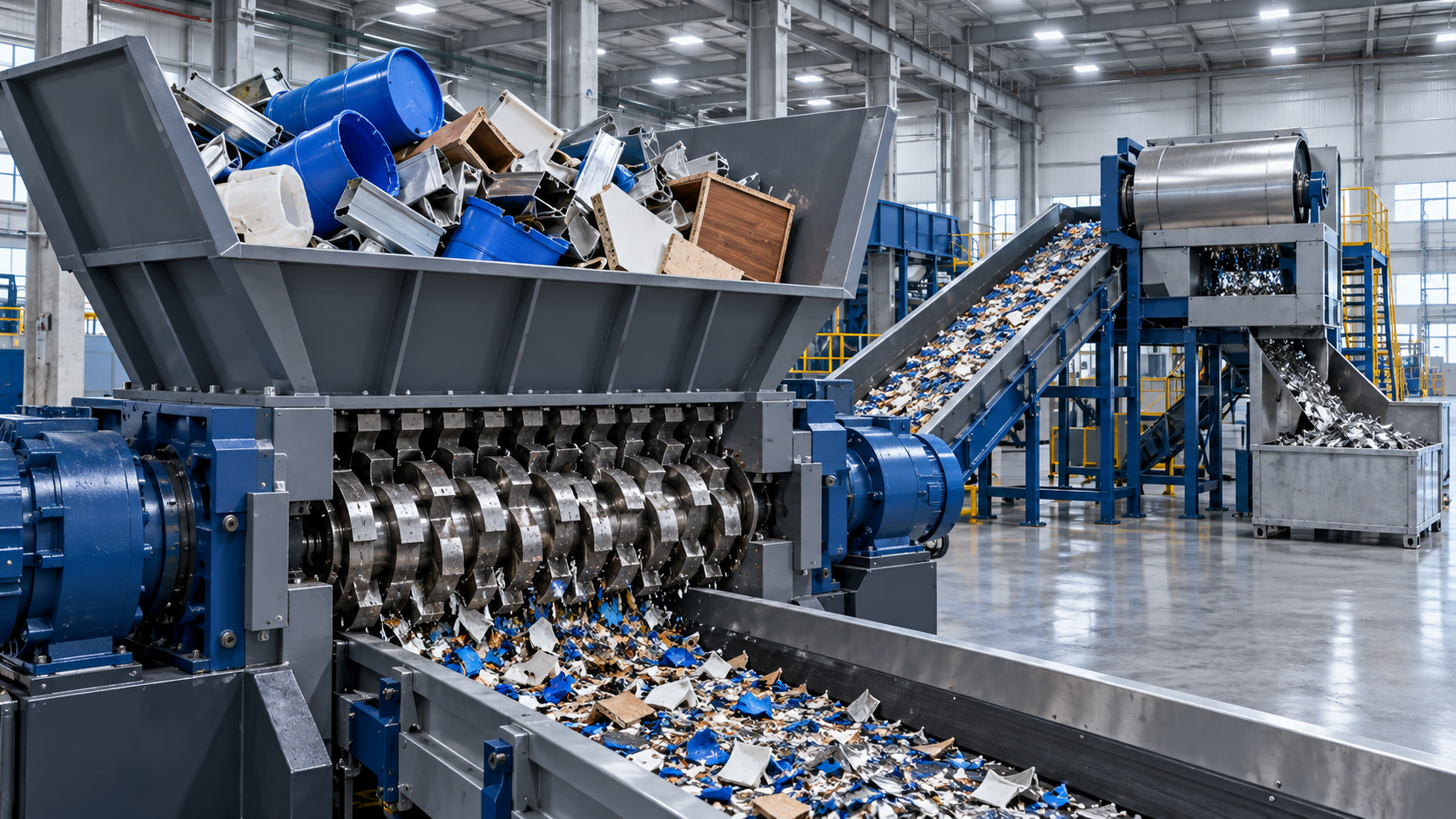
- How to Select a Twin Shaft Shredder for Bulky Waste, Scrap Metal, and PlasticsAuthor :Environmental Engineering Director

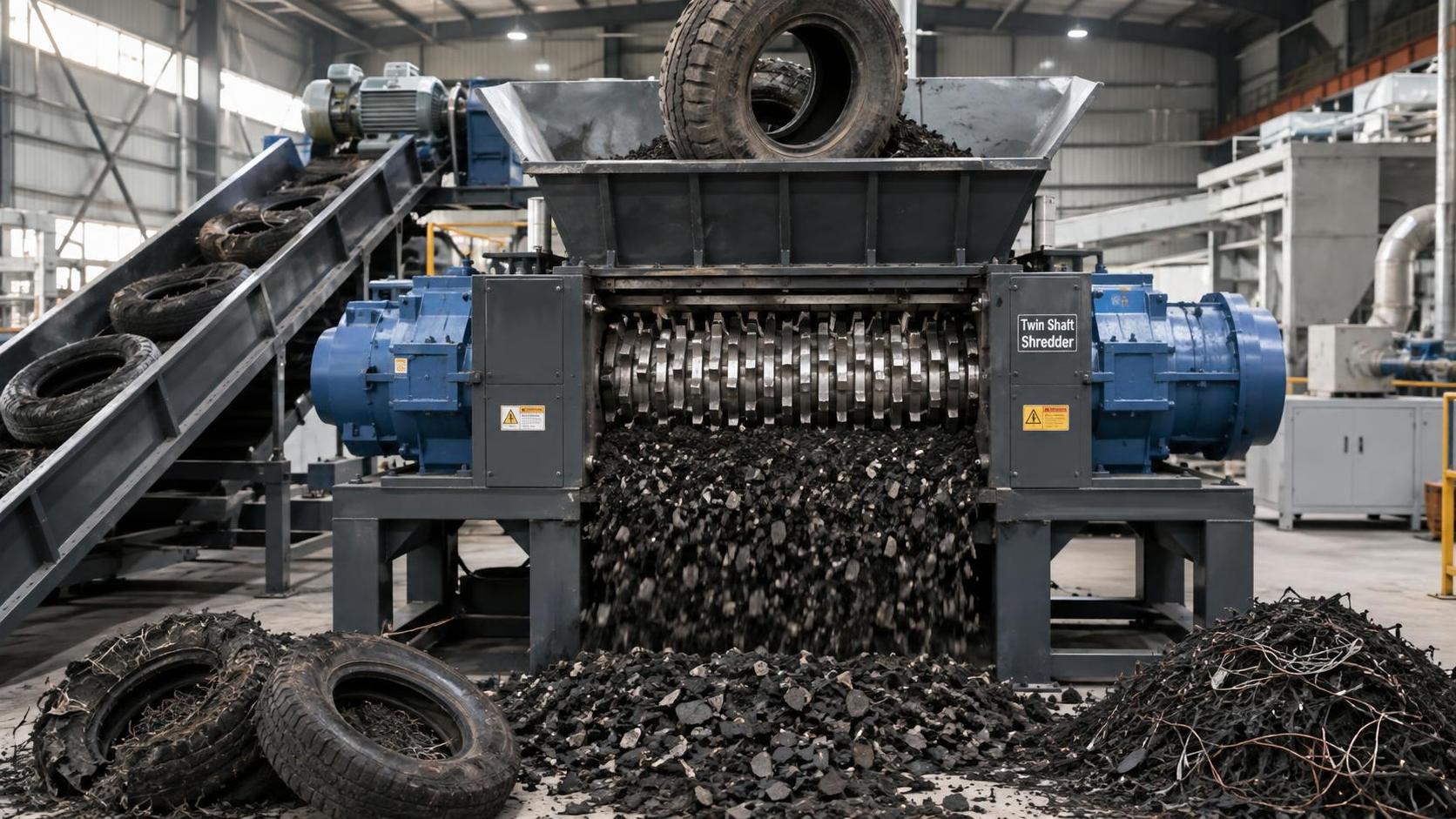
- How to Choose a Twin Shaft Shredder for Tires: Torque, Throughput, and Knife DesignAuthor :Environmental Engineering Director

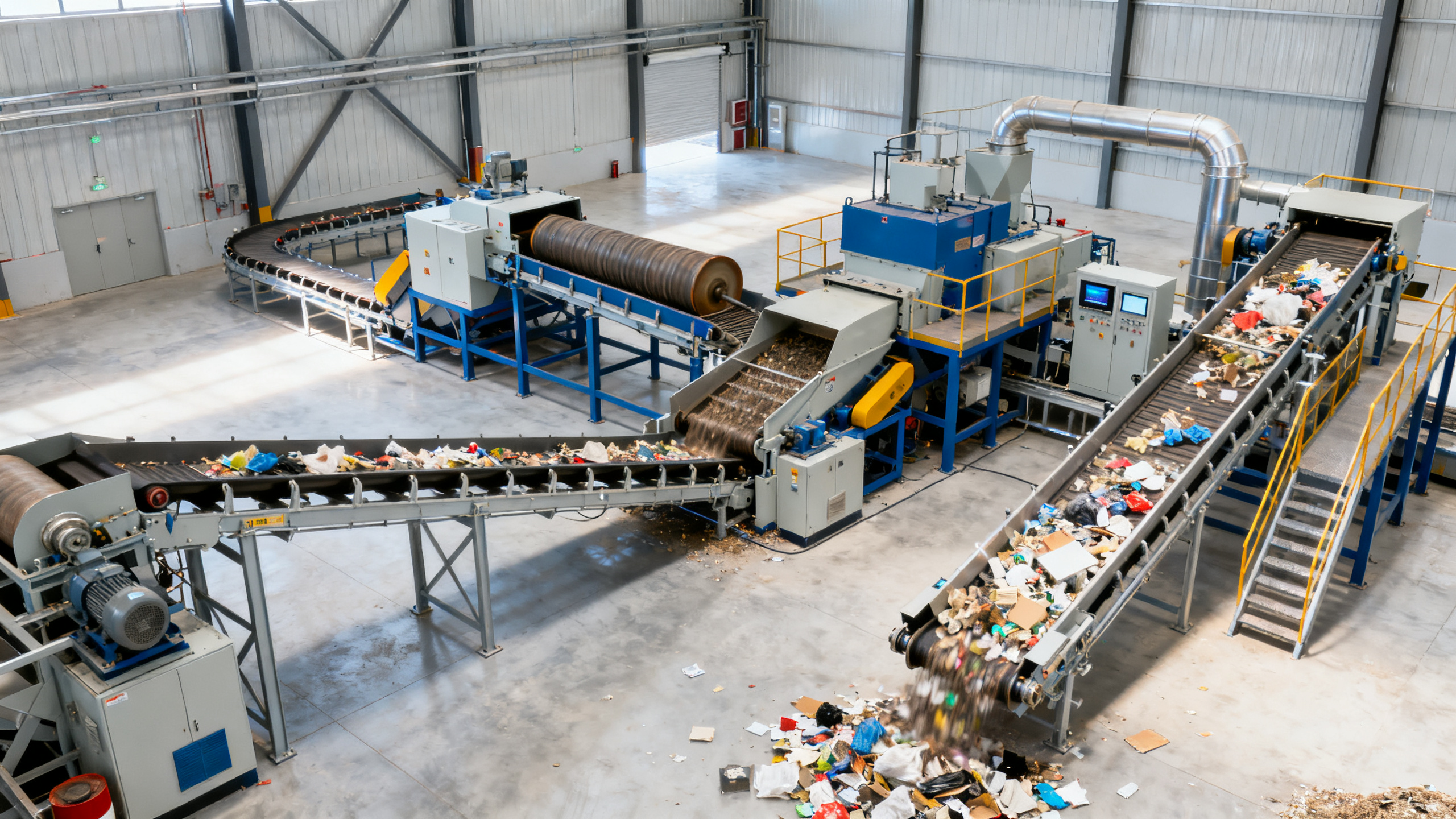
- Selecting Waste Recycling Equipment by Waste Stream, Throughput, and Contamination LevelAuthor :Environmental Engineering Director

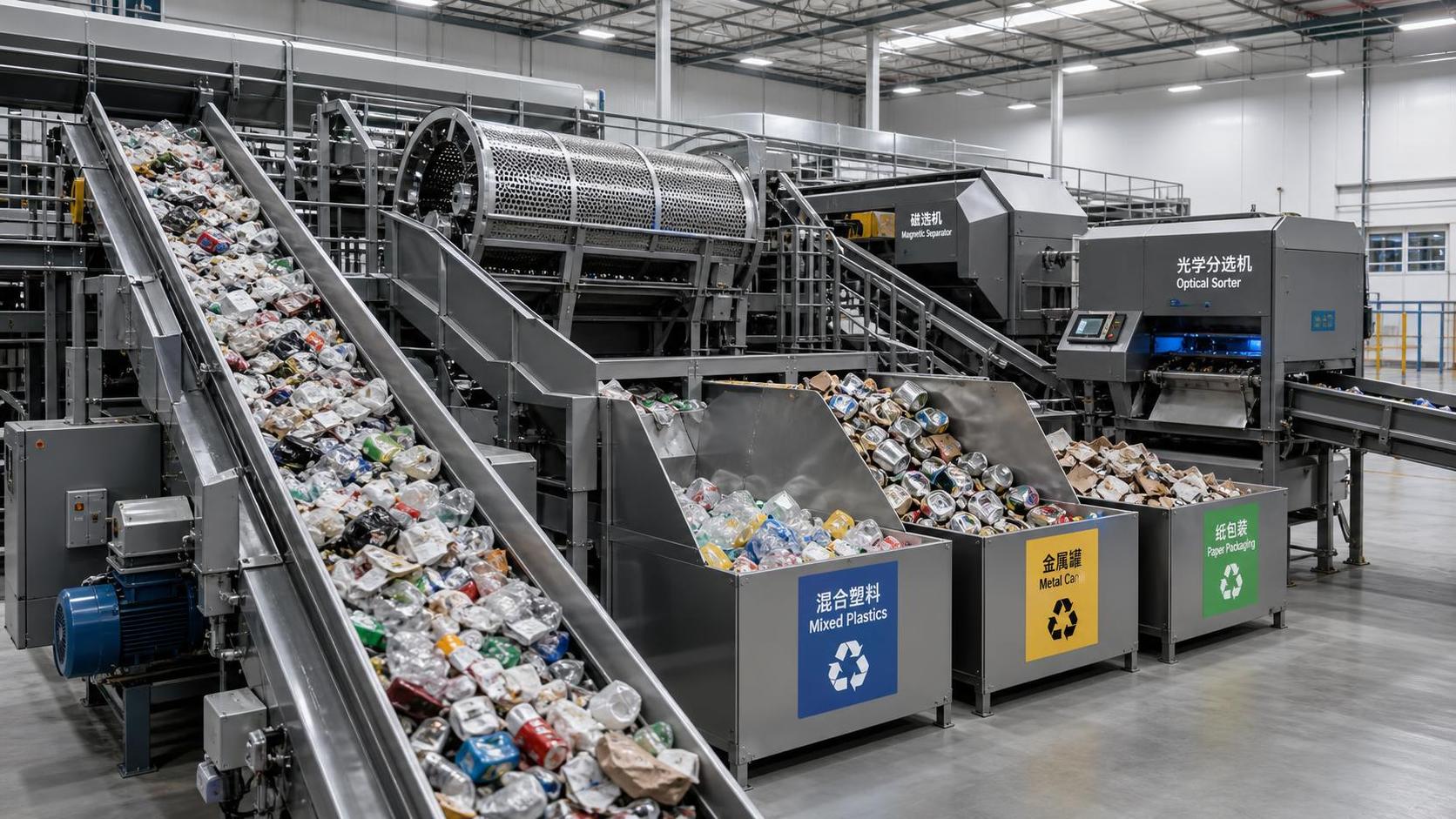
- How to Choose Waste Sorting Equipment for Recycling Plants by Material Stream and CapacityAuthor :Environmental Engineering Director

- Scrap Metal Baler Buying Guide: Horizontal vs Vertical, Capacity, Power, and OutputAuthor :Environmental Engineering Director

- What Is Industrial Ecology and How Does It Improve Resource Efficiency in Manufacturing?Author :Environmental Engineering Director

- Pet Bottle Washing Line Problems: Common Causes of Flake Contamination and How to Fix ThemAuthor :Environmental Engineering Director

- How to Evaluate Environment & Ecology Cost in Industrial ProjectsAuthor :Environmental Engineering Director