Why Environment & Ecology cost varies more than expected
Author
Date Published
Reading Time
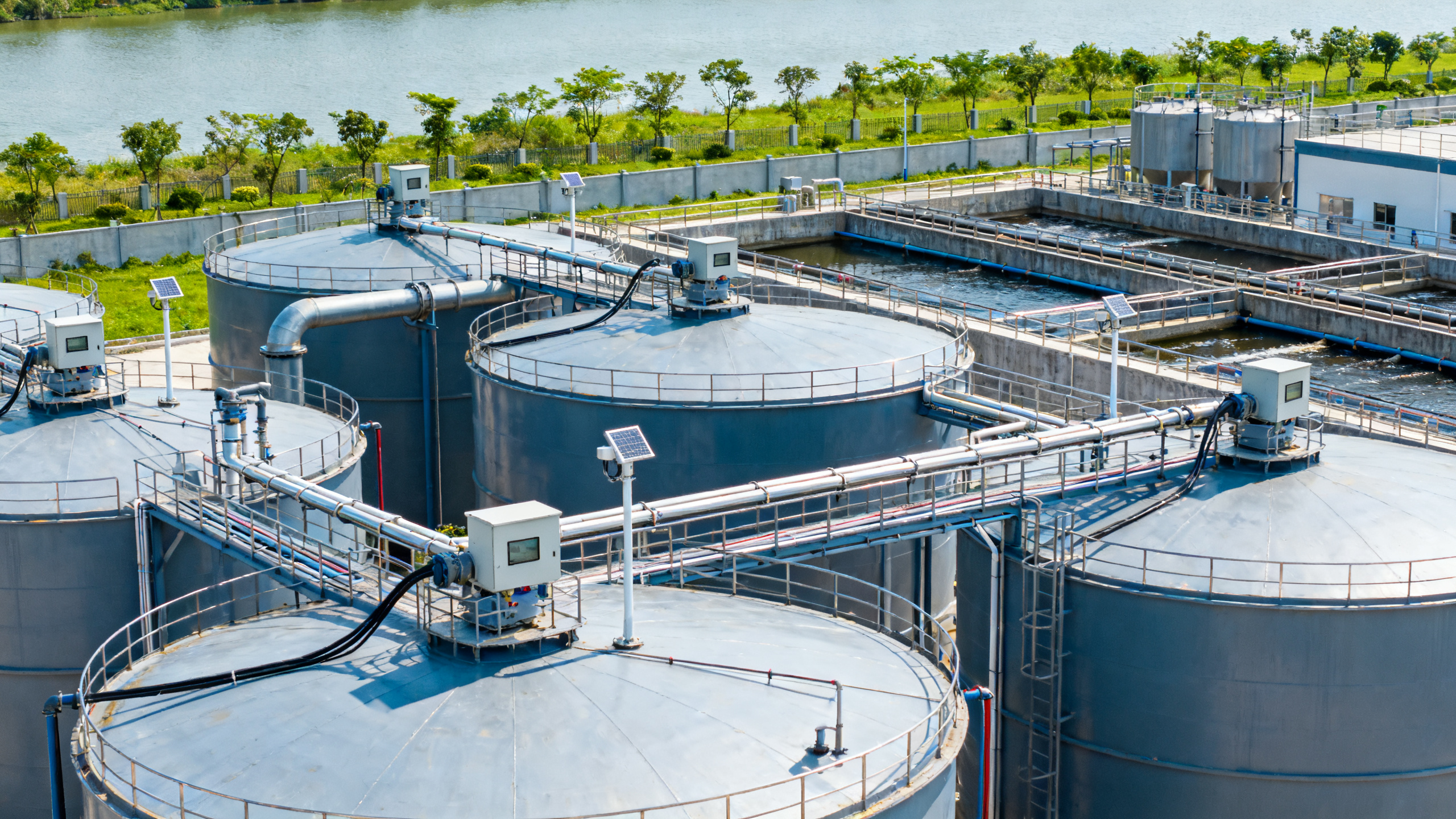
Why does Environment & Ecology cost rise far beyond the first budget line in industrial projects? The short answer is that environmental spending is rarely a single purchase.
It is a layered obligation shaped by permits, site conditions, treatment performance, monitoring scope, and future liabilities. A low entry quote may ignore expensive downstream realities.
In heavy industry, Environment & Ecology cost must be judged as a system cost. That includes engineering design, compliance proof, operational stability, and post-installation remediation risk.
This article explains where cost gaps appear, which project scenarios create the biggest surprises, and how to estimate Environment & Ecology cost with greater precision.
When a simple compliance project becomes a high-risk environmental scope
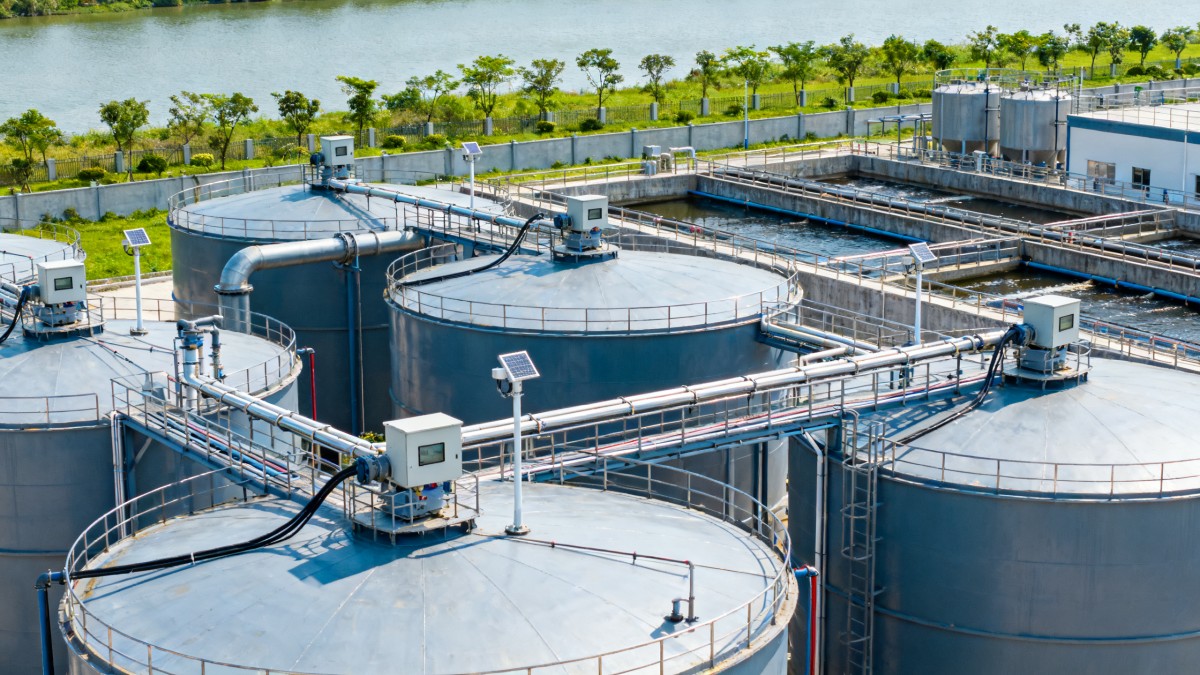
Many projects begin with a narrow assumption. The team expects a filter, a wastewater unit, or a monitoring package. The real scope expands once local conditions are verified.
Environment & Ecology cost often changes after baseline testing. Soil chemistry, groundwater pathways, emission variability, and seasonal discharge patterns can all trigger redesign.
This is common in brownfield upgrades. Existing assets may lack drawings, hidden contamination may exist, and legacy systems may fail current regulatory thresholds.
Greenfield sites create different pressure. New facilities may need full impact studies, habitat assessments, stormwater control, and long lead permitting before construction can proceed.
Key judgment points in early-stage budget reviews
- Has the budget included field sampling and third-party laboratory validation?
- Are discharge and emission assumptions based on peak loads, not average loads?
- Does the design include contingency for stricter permit conditions?
- Has future monitoring, reporting, and maintenance been priced?
Different industrial scenarios drive very different Environment & Ecology cost
Not every project faces the same cost pattern. Environment & Ecology cost shifts with process type, regulatory exposure, geography, and the consequence of system failure.
A wastewater treatment retrofit in chemicals, for example, behaves very differently from dust control at a metals plant or stormwater protection at a logistics terminal.
Scenario 1: Brownfield modernization with legacy contamination risk
This scenario often produces the largest estimate gap. Old pipelines, buried waste, corroded tanks, and undocumented drainage can increase Environment & Ecology cost quickly.
The core judgment point is uncertainty. If site history is incomplete, demolition and excavation can expose liabilities that were never included in the original price.
Scenario 2: New industrial build in a sensitive ecological zone
A greenfield project near wetlands, rivers, coastal areas, or protected habitats carries heavy pre-construction obligations. Environment & Ecology cost includes studies, mitigation, and timeline risk.
The key issue is not just equipment. It is approval sequencing, seasonal restrictions, and environmental design changes required before civil work begins.
Scenario 3: High-load process facilities with variable waste streams
Sectors with fluctuating pH, temperature, solids, VOCs, or metal content often underestimate treatment complexity. Environment & Ecology cost rises when systems must handle unstable loads.
The judgment point is design robustness. Systems sized for ideal conditions may fail compliance under upset conditions, forcing upgrades after commissioning.
Scenario 4: Export-oriented facilities under multi-standard compliance
Some facilities must satisfy local law, client ESG requirements, lender standards, and internal corporate metrics at the same time. That multiplies documentation and validation needs.
Here, Environment & Ecology cost is shaped by audit trails, instrumentation quality, reporting integrity, and proof of long-term control performance.
Where the hidden Environment & Ecology cost usually appears
Most overruns do not come from the visible equipment line alone. They emerge from supporting requirements that were treated as optional or assumed to be minor.
- Permitting revisions after authority review
- Additional civil works for containment and drainage segregation
- Utility upgrades for pumps, blowers, controls, or backup power
- Online monitoring devices and calibration programs
- Sludge, spent media, and hazardous by-product disposal
- Operator training and compliance reporting systems
- Performance guarantees tied to penalties or retesting
In many cases, lifecycle expenses exceed initial installation costs. That is why Environment & Ecology cost should be evaluated over years, not only at procurement stage.
How scenario differences change budget structure
The table below shows how Environment & Ecology cost shifts across common industrial situations. It helps compare risk concentration, not just headline price.
Practical ways to control Environment & Ecology cost by scenario
Better cost control begins with matching the budget method to the project context. One estimating model does not fit every environmental scope.
For brownfield and retrofit projects
- Fund intrusive surveys before locking the treatment design.
- Separate demolition, remediation, and new system pricing.
- Use provisional sums for contamination response.
For greenfield and ecologically sensitive projects
- Start permitting studies early, before final civil design.
- Map seasonal constraints into the schedule baseline.
- Price mitigation works as core scope, not contingency.
For complex process facilities
- Model peak and upset conditions, not just average production.
- Include lifecycle consumables in total Environment & Ecology cost.
- Review maintainability, spare parts, and monitoring needs.
Common misjudgments that distort Environment & Ecology cost
Several budgeting habits repeatedly create false confidence. They make Environment & Ecology cost appear manageable until execution reveals the full obligation.
- Assuming compliance standards remain fixed throughout the project.
- Treating sampling data as complete when seasonal variance was ignored.
- Comparing vendor quotes without checking treatment performance assumptions.
- Ignoring disposal routes for residual waste, sludge, or spent filters.
- Excluding downtime cost when retrofits affect live operations.
- Focusing on CAPEX while omitting compliance OPEX and reporting burdens.
These errors matter because environmental systems are judged by actual field performance. If the design underdelivers, the correction cost is usually much higher later.
A smarter next step for evaluating real project exposure
A realistic review of Environment & Ecology cost should combine technical scope, compliance evidence, operating assumptions, and site-specific uncertainty in one framework.
That means testing whether the budget covers the full environmental pathway: assessment, design, installation, validation, operation, and possible remediation.
Global Industrial Core supports this kind of evaluation through data-driven industrial insight across Environment & Ecology, compliance expectations, and foundational infrastructure decision factors.
Before approving the next environmental scope, compare the quoted solution against project scenario, local constraints, lifecycle burden, and verification demands. That is where accurate budgeting begins.
Technical Specifications
- How to Select Electronic Hotel Key Card Locks for Guest Rooms and Staff AreasAuthor :Safety Compliance Lead
- How to Select Lab Instruments for Reliable Chemical Analysis WorkflowsAuthor :Precision Metrology Expert
- How to Size a UPS for Server Rooms: Load, Runtime, and Redundancy FactorsAuthor :Grid Infrastructure Analyst
Expert Insights

Chief Security Architect
Dr. Thorne specializes in the intersection of structural engineering and digital resilience. He has advised three G7 governments on industrial infrastructure security.
Related Analysis
- Sep 17, 2026How to Select Electronic Hotel Key Card Locks for Guest Rooms and Staff AreasAuthor :Safety Compliance Lead
- Sep 16, 2026How to Select Lab Instruments for Reliable Chemical Analysis WorkflowsAuthor :Precision Metrology Expert
- Sep 15, 2026How to Size a UPS for Server Rooms: Load, Runtime, and Redundancy FactorsAuthor :Grid Infrastructure Analyst
Core Sector // 01
Security & Safety
- Environmental Technologies for Heavy Industry: Choosing Cleaner Production SolutionsAuthor :Environmental Engineering Director

- Selecting Air Compliance Equipment for Dust, Fumes, and VOC ControlAuthor :Environmental Engineering Director

- EU Rule Tightens EN 1822-2 for Industrial Air PurifiersAuthor :Environmental Engineering Director

- EU Eco-Design Rules Tighten for Air PurifiersAuthor :Environmental Engineering Director

- Low-Maintenance Dust and Fume Control Systems: Best Options for Welding ShopsAuthor :Environmental Engineering Director

- EPA Sets VOC Labeling Rule for Air PurifiersAuthor :Environmental Engineering Director

- Saudi SASO Rule Adds Real-Time Logging for Air SystemsAuthor :Environmental Engineering Director

- Saudi SASO Rules Tighten for Air PurifiersAuthor :Environmental Engineering Director