What affects Environment & Ecology cost the most in 2026?
Author
Date Published
Reading Time
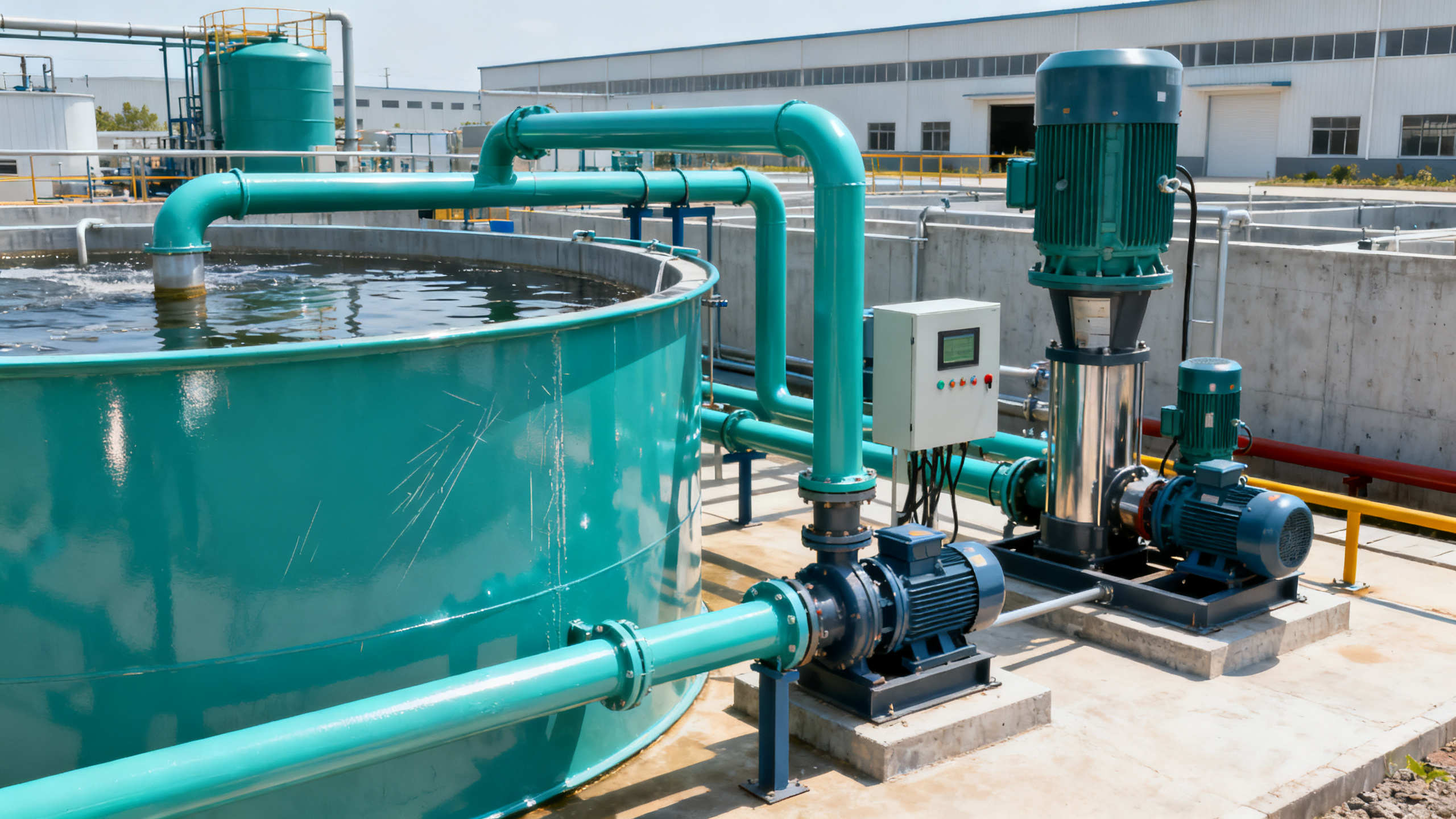
In 2026, Environment & Ecology cost will be shaped less by basic procurement prices and more by compliance volatility, energy intensity, waste treatment demands, carbon reporting, and lifecycle risk. For financial approvers, the real challenge is separating visible line items from hidden operational liabilities. This article examines the cost drivers that matter most, helping decision-makers protect budgets while meeting stricter industrial and environmental expectations.
For most financial approvers, the biggest mistake is treating Environment & Ecology cost as a narrow purchasing category. In 2026, the largest cost pressures will come from regulation, operating intensity, reporting obligations, and failure risk.
The headline conclusion is simple: compliance-sensitive operating costs will matter more than catalog prices. If a project looks cheap at sourcing stage but drives energy waste, hazardous handling fees, or reporting exposure, total cost rises fast.
Search intent behind this topic is highly practical. Readers want to know which cost factors will increase budgets the most, how to evaluate suppliers and projects, and where hidden liabilities typically emerge.
That makes this less a technical environmental article and more a financial risk article. The most useful lens is total lifecycle cost, not initial equipment cost alone, especially for industrial and infrastructure buyers.
What will affect Environment & Ecology cost the most in 2026?
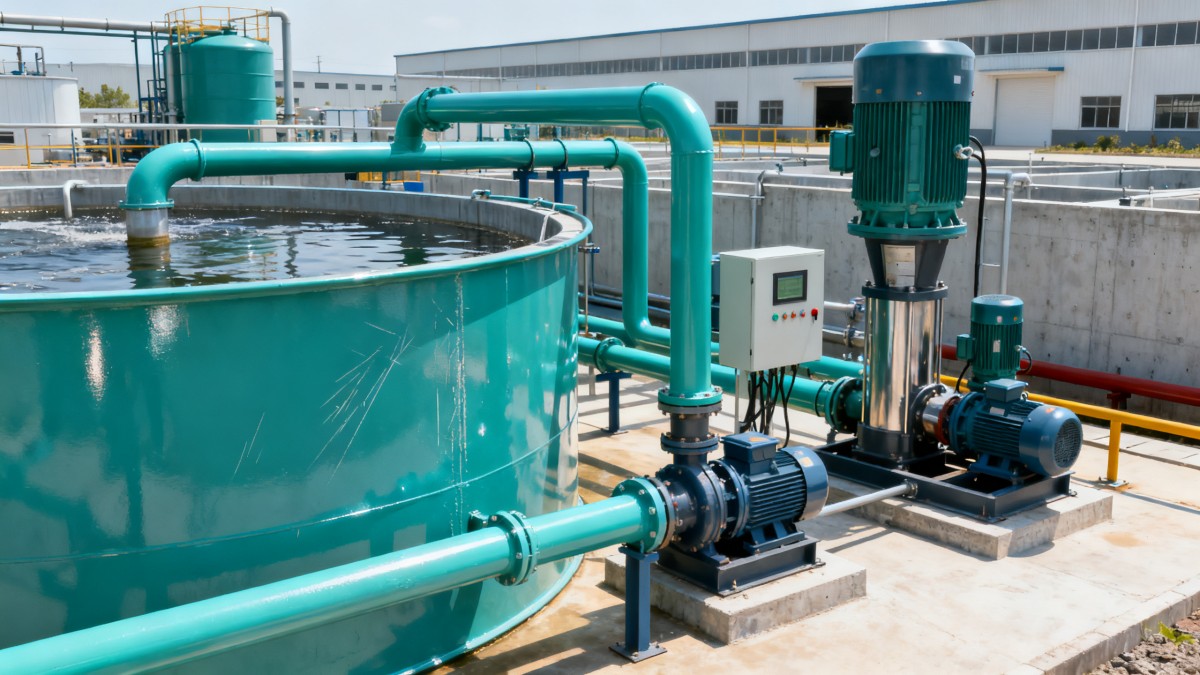
For most industrial buyers, five factors will dominate Environment & Ecology cost in 2026: compliance complexity, energy consumption, waste and water treatment, carbon measurement requirements, and asset lifecycle reliability.
These factors interact with each other. A higher-efficiency system may cost more upfront, yet lower energy bills, reduce discharge loads, simplify reporting, and avoid retrofits triggered by tighter standards.
Financial approvers should also watch geography. Costs can change sharply by region due to wastewater discharge rules, landfill restrictions, carbon accounting expectations, power pricing, and local permit enforcement intensity.
In other words, the most expensive environmental decision is often the one that appears cheapest in a bid comparison. The visible purchase price is increasingly the smallest part of the financial picture.
Why compliance volatility is becoming a larger budget risk
Environmental compliance is no longer a fixed checkbox. In 2026, many industries face moving thresholds, faster updates in reporting frameworks, stricter audit trails, and broader accountability across contractors and operators.
For financial teams, this matters because volatility creates unplanned spending. A facility may need new filtration, secondary containment, emissions monitoring, sludge handling, or documentation software earlier than budgeted.
Penalty risk is only one layer. The larger issue is interruption risk. Delayed permits, failed inspections, or incomplete reporting can slow commissioning, reduce output, block exports, or trigger emergency corrective spending.
Budget models should therefore include a compliance buffer. This is especially important for EPC projects, process-intensive operations, and cross-border facilities where one regulation gap can affect the entire project timetable.
When reviewing capital requests, ask whether the proposal assumes current rules will remain stable. If yes, the estimate may be too optimistic. Stronger designs often protect budgets better than minimal compliance designs.
How energy intensity quietly drives Environment & Ecology cost upward
Energy is one of the most underestimated contributors to Environment & Ecology cost. Pumps, blowers, scrubbers, thermal treatment units, separation systems, and monitoring infrastructure can create long-term operating burdens.
In 2026, that burden becomes larger because energy pricing remains uncertain in many markets, while efficiency expectations continue to rise. Equipment that performs adequately but inefficiently can become a budget drag.
Financial approvers should request energy consumption profiles under real operating loads, not just nameplate claims. Part-load behavior, peak demand implications, maintenance state, and climate conditions all affect actual costs.
A low-cost treatment system with poor energy efficiency may undercut the business case within one or two budget cycles. This is especially true in facilities with continuous operations or high-volume treatment requirements.
Energy intensity also influences carbon accounting. Higher electricity or fuel use can increase indirect environmental obligations, internal decarbonization pressure, and future retrofit requirements, making inefficient systems doubly expensive.
Why waste treatment and water management can overtake equipment cost
Waste and water treatment often become the largest recurring environmental expense after installation. Disposal rates, hazardous classification, sludge generation, chemical dosing, and discharge quality requirements can shift the economics dramatically.
Many proposals understate these downstream costs. They focus on treatment capacity, but not on byproduct volumes, consumable usage, transport fees, laboratory testing, or emergency handling scenarios during process upsets.
For sectors with heavy process loads, the difference between two solutions may not be the machinery price. It may be how much residual waste each system creates and how expensive that waste is to treat legally.
Water reuse capability also deserves close attention. A system that reduces freshwater intake or lowers discharge volumes may deliver stronger financial value than a cheaper unit with higher throughput but weaker reuse performance.
Approvers should ask for a full waste map: what comes out, in what volume, under which classification, at what disposal cost, and with what exposure to future tightening of discharge standards.
Carbon reporting and environmental data requirements are now real cost centers
In 2026, carbon and environmental reporting will affect cost more directly than many finance teams expect. Data collection, verification, software integration, metering, consulting support, and audit readiness all require budget.
The issue is not limited to sustainability branding. Institutional buyers, lenders, insurers, and multinational customers increasingly expect credible environmental data. Weak reporting can reduce competitiveness or increase financing friction.
That means Environment & Ecology cost now includes information infrastructure. Sensors, measurement devices, calibration routines, traceable logs, and cross-site reporting workflows all carry implementation and maintenance costs.
For financial approvers, the key question is whether the business is buying compliance visibility or merely buying equipment. Projects that omit reporting architecture may look lean today but trigger expensive fixes later.
Well-structured environmental data systems can still save money. They help identify abnormal energy use, discharge deviations, leak events, and overconsumption trends early, reducing both direct operating cost and compliance risk.
Lifecycle reliability matters more than low bid pricing
One of the strongest predictors of future Environment & Ecology cost is equipment reliability. Failures in environmental systems rarely stay isolated. They can create shutdowns, contamination events, permit breaches, and urgent replacement spending.
For financial approvers, reliability should be measured through service intervals, spare part availability, corrosion resistance, materials compatibility, local technical support, and demonstrated performance in comparable industrial conditions.
Cheap components often create expensive instability. If a monitoring device drifts out of tolerance, or a pump fails in corrosive duty, the resulting downtime and remediation cost can outweigh the original savings many times over.
This is where procurement discipline matters. Verified certifications, field references, maintenance documentation, and lifecycle testing data provide better cost assurance than headline discounts or aggressive delivery promises.
In regulated environments, reliability also supports defensibility. During audits or incidents, being able to show credible maintenance history and fit-for-duty system selection can materially reduce legal and operational exposure.
Which hidden costs should financial approvers test before approving budgets?
Before approval, financial teams should stress-test at least eight hidden cost categories: permitting delay, commissioning complexity, utility demand, consumables, waste residuals, monitoring obligations, maintenance burden, and end-of-life replacement.
Another critical category is integration cost. Environmental systems often require controls integration, civil modifications, containment works, electrical upgrades, operator training, and third-party validation that are omitted from base proposals.
Insurance and liability effects should also be reviewed. Weak environmental controls can raise claims exposure, affect underwriting posture, or increase reserve assumptions where contamination or noncompliance risks are material.
Vendor dependence is another hidden issue. Proprietary consumables, single-source parts, closed software ecosystems, and specialized service lock-ins can make seemingly manageable systems far more expensive over time.
A useful review method is to compare best-case, expected-case, and stressed-case annual cost scenarios. If the stressed case breaks the project economics, the bid may not be robust enough for approval.
How to evaluate Environment & Ecology cost with a finance-first framework
For budget owners, a practical framework starts with total cost of ownership over a realistic operating horizon. For many industrial assets, three to seven years gives a better decision basis than one-year comparisons.
Second, separate controllable and uncontrollable costs. Equipment efficiency and maintenance design are partly controllable. Power tariffs and regulation changes are less controllable, so projects need margin against those variables.
Third, assign a cost to operational disruption. Many environmental investments are justified not only by savings, but by avoided downtime, permit continuity, customer qualification support, and protection against accelerated retrofit cycles.
Fourth, require evidence quality standards. Supplier claims should be supported by certifications, measured performance data, field case studies, and assumptions transparent enough for audit or board-level review.
Finally, rank options by resilience, not just by payback speed. In 2026, the most financially sound environmental investments are often those that stay compliant and efficient under changing regulatory and operating conditions.
Where financial approvers should be cautious in 2026
Be cautious with proposals that promise low upfront pricing without clear operating models. If consumables, disposal volumes, calibration needs, or emissions factors are vague, hidden cost risk is probably high.
Be cautious with minimal-spec compliance designs. They may satisfy today’s threshold but leave little room for production growth, stricter discharge limits, or customer reporting requirements that emerge during the asset life.
Be cautious with supplier claims that lack traceable documentation. In environmental categories, unsupported efficiency or compliance claims can become financial liabilities once performance is tested in real operating conditions.
Also be cautious when budget requests ignore cross-functional ownership. Environment & Ecology cost often touches operations, EHS, maintenance, procurement, legal, and finance at the same time. Fragmented accountability increases total spend.
The strongest approvals usually come from proposals that connect technical design to financial outcomes clearly: lower energy use, lower waste generation, fewer interventions, better compliance resilience, and stronger audit readiness.
Conclusion: the biggest Environment & Ecology cost drivers are the ones that compound
In 2026, the biggest drivers of Environment & Ecology cost will not usually be the purchase price of a single system. They will be the compounding effects of compliance change, energy intensity, waste handling, reporting burden, and reliability risk.
For financial approvers, the right question is not “What does this environmental solution cost today?” It is “What liabilities, obligations, and operating demands does this decision create over its useful life?”
That shift in perspective improves approvals dramatically. It helps businesses avoid underpriced risk, compare suppliers on meaningful terms, and invest in systems that protect both operating continuity and long-term financial performance.
If you need a working rule for 2026, use this one: the highest Environment & Ecology cost often comes from underestimating what happens after installation. Approval discipline should begin where bid pricing ends.
Technical Specifications
- How to Select Electronic Hotel Key Card Locks for Guest Rooms and Staff AreasAuthor :Safety Compliance Lead
- How to Select Lab Instruments for Reliable Chemical Analysis WorkflowsAuthor :Precision Metrology Expert
- How to Size a UPS for Server Rooms: Load, Runtime, and Redundancy FactorsAuthor :Grid Infrastructure Analyst
Expert Insights

Chief Security Architect
Dr. Thorne specializes in the intersection of structural engineering and digital resilience. He has advised three G7 governments on industrial infrastructure security.
Related Analysis
- Sep 17, 2026How to Select Electronic Hotel Key Card Locks for Guest Rooms and Staff AreasAuthor :Safety Compliance Lead
- Sep 16, 2026How to Select Lab Instruments for Reliable Chemical Analysis WorkflowsAuthor :Precision Metrology Expert
- Sep 15, 2026How to Size a UPS for Server Rooms: Load, Runtime, and Redundancy FactorsAuthor :Grid Infrastructure Analyst
Core Sector // 01
Security & Safety
- Environmental Technologies for Heavy Industry: Choosing Cleaner Production SolutionsAuthor :Environmental Engineering Director

- Selecting Air Compliance Equipment for Dust, Fumes, and VOC ControlAuthor :Environmental Engineering Director

- EU Rule Tightens EN 1822-2 for Industrial Air PurifiersAuthor :Environmental Engineering Director

- EU Eco-Design Rules Tighten for Air PurifiersAuthor :Environmental Engineering Director

- Low-Maintenance Dust and Fume Control Systems: Best Options for Welding ShopsAuthor :Environmental Engineering Director

- EPA Sets VOC Labeling Rule for Air PurifiersAuthor :Environmental Engineering Director

- Saudi SASO Rule Adds Real-Time Logging for Air SystemsAuthor :Environmental Engineering Director

- Saudi SASO Rules Tighten for Air PurifiersAuthor :Environmental Engineering Director