Why Environment & Ecology cost varies more than expected
Author
Date Published
Reading Time
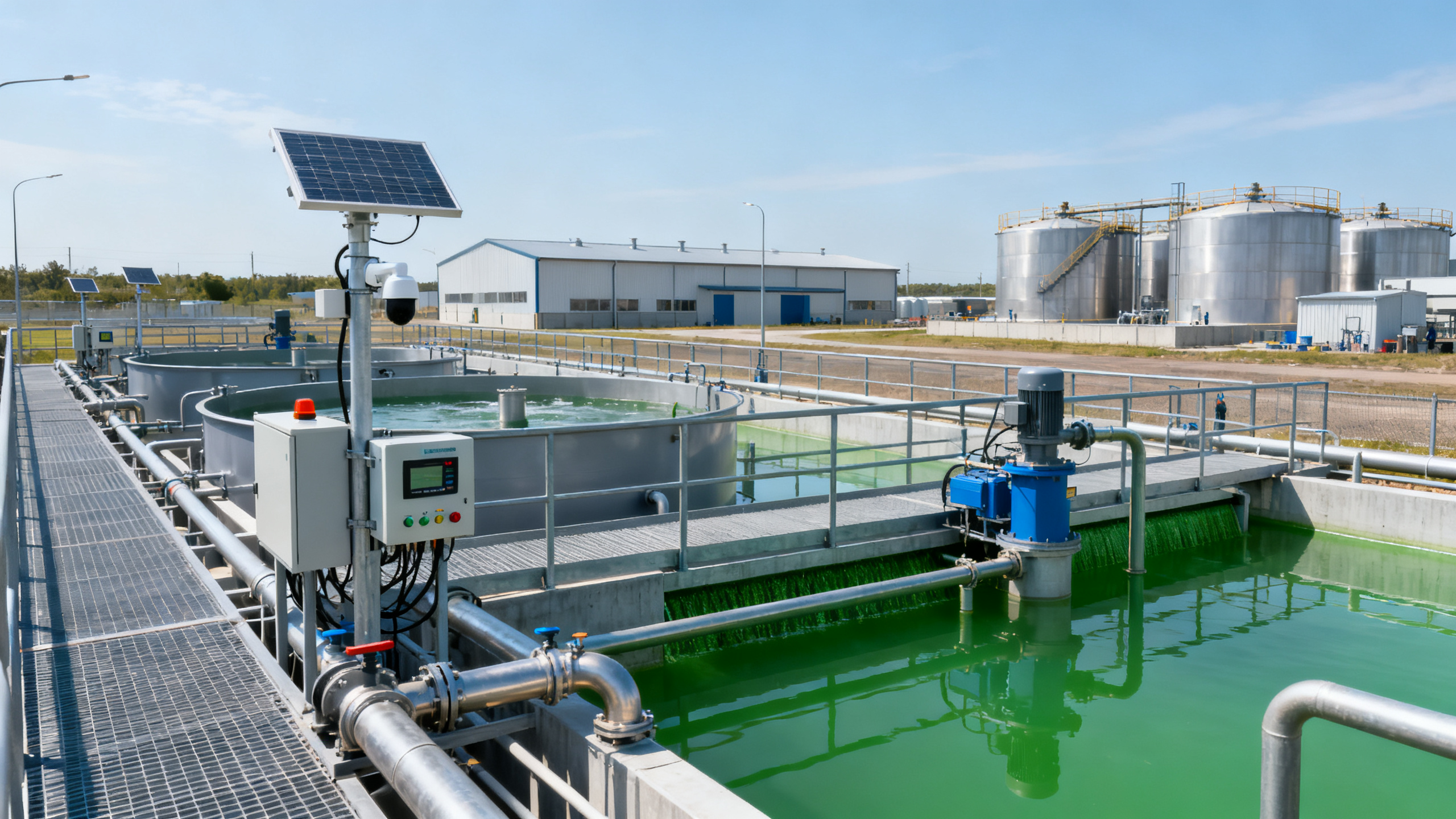
Environment & Ecology cost often changes more sharply than early budgets suggest. In industrial settings, price gaps rarely come from one visible line item alone.
They usually emerge from compliance scope, site realities, treatment performance targets, and long-term operating risk. That is why similar project briefs can return very different quotations.
Understanding these shifts matters because environmental systems now sit closer to core operations. Delays, underperformance, or non-compliance can affect permits, uptime, insurance exposure, and capital planning.
This article explains why Environment & Ecology cost varies more than expected, what signals are changing the market, and how to evaluate budgets with better confidence.
Why Environment & Ecology cost is becoming harder to predict
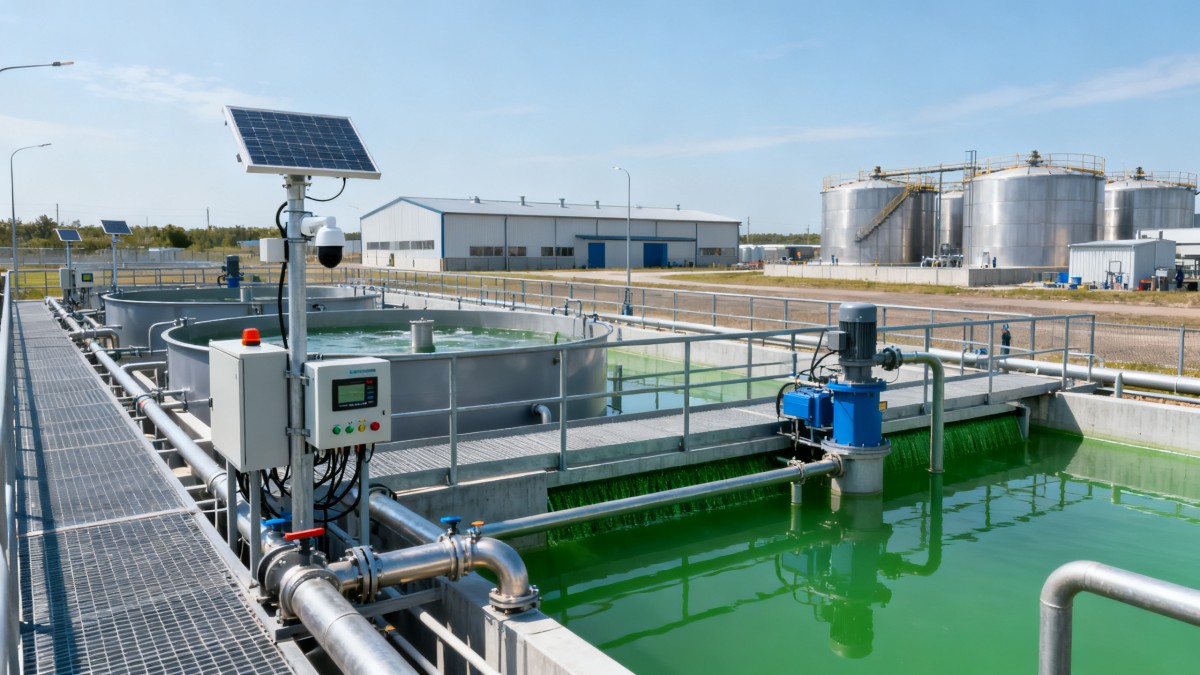
The old assumption was simple: estimate equipment, installation, and a basic operating margin. That approach no longer works for many modern environmental and ecological projects.
Regulatory expectations are tightening across emissions, wastewater, waste handling, and ecological impact. At the same time, projects face volatile energy pricing, supply chain disruptions, and rising documentation demands.
As a result, Environment & Ecology cost now reflects a broader risk envelope. Quotes often include hidden assumptions about testing, commissioning, monitoring, and future upgrade flexibility.
This trend is especially visible in cross-border industrial work. International standards, local permits, and site-specific ecological constraints can all reshape total project economics.
The strongest trend signals behind widening pricing gaps
Several market signals explain why Environment & Ecology cost no longer follows a narrow benchmark. These drivers influence both initial capital expenditure and long-term lifecycle spending.
These trends mean Environment & Ecology cost is increasingly shaped by quality of assumptions, not just quantity of materials. Two proposals may look close on paper yet differ significantly in risk coverage.
What actually drives Environment & Ecology cost upward or downward
The biggest pricing swings usually come from a handful of technical and commercial variables. Reviewing them early reduces confusion during bid comparison.
1. Compliance depth is rarely uniform
One supplier may price only baseline compliance. Another may include stricter future-proofing, additional reporting tools, and extra testing support.
That difference can materially change Environment & Ecology cost. Lower quotes may simply exclude documentation or performance guarantees expected later.
2. Influent and waste stream uncertainty distorts estimates
Environmental system design depends on what enters the system. If wastewater chemistry, particulate load, or seasonal fluctuation is poorly defined, engineers price defensively.
Where uncertainty is high, Environment & Ecology cost often rises because redundancy, pretreatment, or buffer capacity must be added.
3. Site conditions create major hidden cost layers
Remote locations, limited lifting access, corrosive atmospheres, unstable ground, or constrained tie-in windows all affect installation economics.
In many projects, the physical environment explains more of the final Environment & Ecology cost than the treatment unit itself.
4. Automation level changes both capex and opex
Basic systems may appear cheaper. However, advanced controls, remote monitoring, and predictive maintenance functions often reduce downtime and manual intervention.
That means higher upfront Environment & Ecology cost can produce lower lifecycle burden, especially in continuous-process industries.
5. Material selection affects durability and replacement cycles
Stainless grades, coatings, polymer choices, and corrosion protection can significantly alter price. They also influence reliability under aggressive chemical or outdoor conditions.
A quote with cheaper materials may reduce immediate Environment & Ecology cost while increasing failure probability later.
How these cost shifts affect industrial planning and execution
Wider variability in Environment & Ecology cost changes more than budget approval. It also influences scheduling, specification strategy, financing logic, and operational resilience.
- Capital planning becomes less reliable when environmental scope is underdefined.
- Tender comparisons become misleading if assumptions are not normalized.
- Commissioning timelines may extend when compliance evidence is incomplete.
- Operations may inherit higher chemical, power, or maintenance costs.
- Expansion options become limited if systems were sized too narrowly.
In integrated industrial environments, these effects spread quickly. A weak environmental design can influence production continuity, community relations, and future permitting confidence.
That is why Environment & Ecology cost should be read as a strategic signal, not merely a purchasing number.
The evaluation points that deserve closer attention now
When reviewing proposals, several checkpoints help reveal whether Environment & Ecology cost is realistic, incomplete, or carrying unnecessary premium.
- Confirm the exact compliance standard, testing method, and reporting obligation.
- Separate equipment price from civil, electrical, controls, and commissioning scope.
- Check whether influent variability and peak loads were fully considered.
- Review assumptions for consumables, spare parts, and annual service intervals.
- Examine warranty boundaries and performance guarantee conditions.
- Ask whether future capacity increases were priced or excluded.
- Verify certification status for components used in regulated environments.
These checks make Environment & Ecology cost easier to compare across suppliers. More importantly, they reduce surprises after contract award.
A practical way to judge whether a quote is low, fair, or risky
A structured comparison method helps separate true value from hidden omission. The table below offers a useful review frame.
This approach helps interpret Environment & Ecology cost as a bundle of technical commitments. It also supports stronger internal justification when prices differ sharply.
Where better decisions usually start
The best response is not chasing the lowest visible number. It is improving scope definition before pricing, then comparing offers on a normalized basis.
Early data collection matters. Better sampling, clearer performance targets, and accurate site constraints narrow the uncertainty driving Environment & Ecology cost volatility.
It also helps to request lifecycle breakdowns alongside capex. A system with higher initial Environment & Ecology cost may prove cheaper across five to ten years.
Technical intelligence platforms such as Global Industrial Core support this evaluation by connecting compliance logic, engineering evidence, and real-world industrial context.
When the next quotation arrives, review the assumptions behind the number before reacting to the number itself. That single habit improves environmental investment decisions immediately.
Technical Specifications
- How to Select Electronic Hotel Key Card Locks for Guest Rooms and Staff AreasAuthor :Safety Compliance Lead
- How to Select Lab Instruments for Reliable Chemical Analysis WorkflowsAuthor :Precision Metrology Expert
- How to Size a UPS for Server Rooms: Load, Runtime, and Redundancy FactorsAuthor :Grid Infrastructure Analyst
Expert Insights

Chief Security Architect
Dr. Thorne specializes in the intersection of structural engineering and digital resilience. He has advised three G7 governments on industrial infrastructure security.
Related Analysis
- Sep 17, 2026How to Select Electronic Hotel Key Card Locks for Guest Rooms and Staff AreasAuthor :Safety Compliance Lead
- Sep 16, 2026How to Select Lab Instruments for Reliable Chemical Analysis WorkflowsAuthor :Precision Metrology Expert
- Sep 15, 2026How to Size a UPS for Server Rooms: Load, Runtime, and Redundancy FactorsAuthor :Grid Infrastructure Analyst
Core Sector // 01
Security & Safety
- Environmental Technologies for Heavy Industry: Choosing Cleaner Production SolutionsAuthor :Environmental Engineering Director

- Selecting Air Compliance Equipment for Dust, Fumes, and VOC ControlAuthor :Environmental Engineering Director

- EU Rule Tightens EN 1822-2 for Industrial Air PurifiersAuthor :Environmental Engineering Director

- EU Eco-Design Rules Tighten for Air PurifiersAuthor :Environmental Engineering Director

- Low-Maintenance Dust and Fume Control Systems: Best Options for Welding ShopsAuthor :Environmental Engineering Director

- EPA Sets VOC Labeling Rule for Air PurifiersAuthor :Environmental Engineering Director

- Saudi SASO Rule Adds Real-Time Logging for Air SystemsAuthor :Environmental Engineering Director

- Saudi SASO Rules Tighten for Air PurifiersAuthor :Environmental Engineering Director