What drives Environment & Ecology cost in real projects?
Author
Date Published
Reading Time
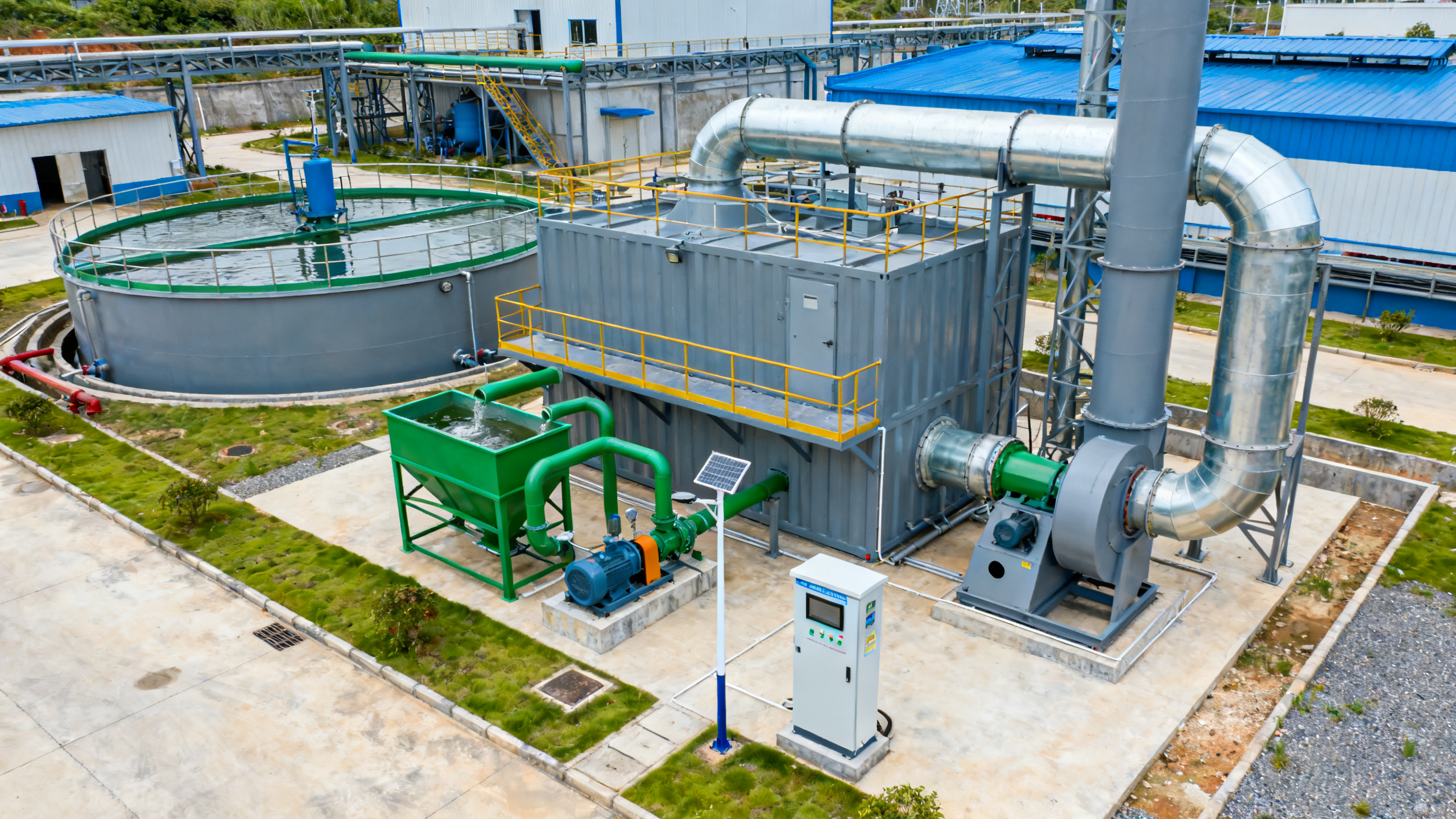
What truly shapes Environment & Ecology cost in real industrial projects? The answer rarely sits in a single quote sheet.
Environment & Ecology cost is driven by compliance exposure, design complexity, operating conditions, waste profiles, and the durability required over time.
In heavy industry, early budget assumptions often fail because site realities change treatment needs, monitoring scope, and long-term maintenance obligations.
A sound estimate must connect technical performance with regulatory fit, lifecycle economics, and the risk of underperforming systems after commissioning.
Why Environment & Ecology cost changes so much from one project scenario to another
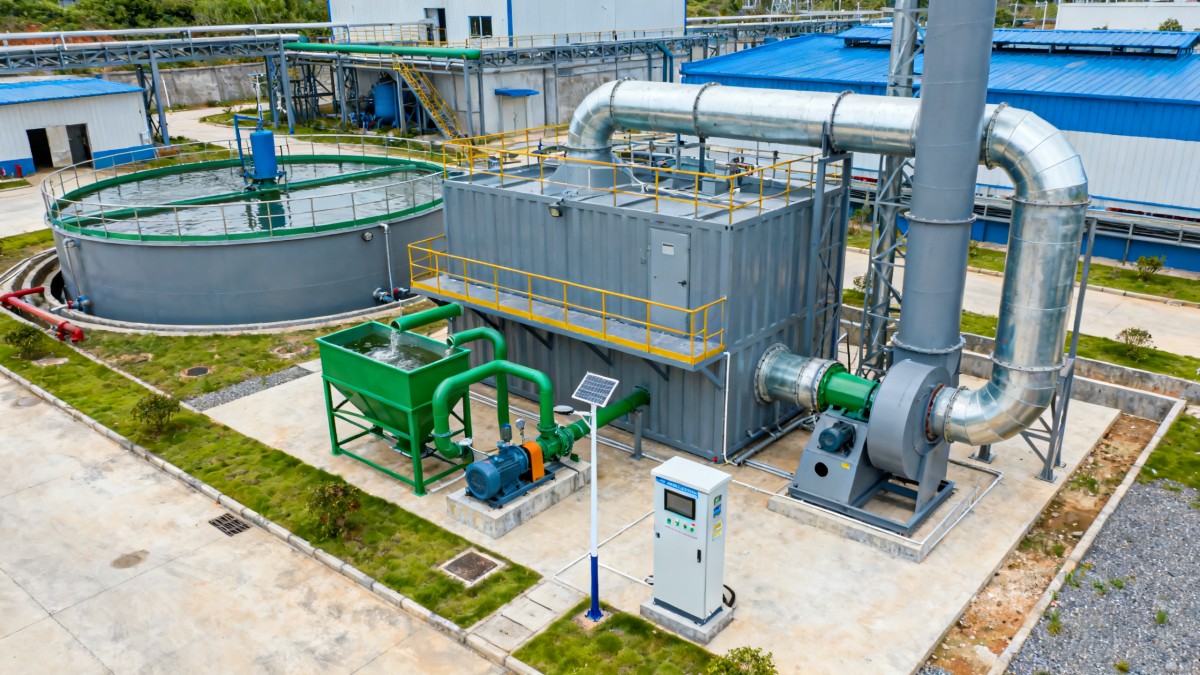
Environment & Ecology cost varies because environmental systems are highly site-dependent, process-dependent, and regulation-dependent.
A wastewater package for a food plant differs sharply from emissions control at a metal processing facility or dust containment at a bulk handling terminal.
Even when equipment categories look similar, influent variability, discharge limits, climate, corrosion risk, and installation constraints can reshape total cost.
That is why Environment & Ecology cost must be judged within real application scenarios, not generic benchmark pricing.
Scenario one: New industrial construction with strict permitting requirements
Greenfield projects often face the highest upfront Environment & Ecology cost because designs must satisfy permitting before construction fully advances.
Air, water, noise, drainage, and ecological impact controls may all require separate studies, engineering packages, and approval documentation.
Costs rise further when international standards, local codes, and lender environmental requirements overlap.
In this scenario, the core judgment point is not the cheapest equipment line.
It is whether the selected solution can pass review without redesign, delay, or expensive late-stage mitigation.
Key cost drivers in new-build projects
- Baseline environmental studies and impact assessments
- Permit application complexity and review cycles
- Redundancy requirements for critical treatment systems
- Civil works for containment, drainage, and emergency storage
- Commissioning tests and third-party validation
Scenario two: Retrofit projects inside operating facilities
Retrofit work can produce a surprisingly high Environment & Ecology cost, even when treatment capacity is modest.
The reason is disruption.
Existing pipe routes, limited space, shutdown windows, safety isolation, and temporary bypass arrangements create costs beyond core equipment.
Legacy assets also introduce uncertainty.
Undocumented utilities, aged concrete, corroded tanks, and incompatible controls often trigger change orders.
Here, the central judgment point is constructability under operating constraints.
A low bid may become expensive if installation complexity was underestimated.
Retrofit-specific hidden expenses
- Temporary containment and bypass systems
- Night work or outage-based installation
- Structural reinforcement for added loads
- Control system integration and recertification
- Decontamination and disposal of removed materials
Scenario three: Remote, harsh, or resource-constrained operating sites
Environment & Ecology cost rises sharply in deserts, offshore zones, mining corridors, and regions with weak utility support.
Transport distance, water scarcity, unstable power, extreme temperatures, and limited technical labor all influence system design.
A standard solution may fail because spare parts are difficult to source or specialist maintenance is rarely available.
The main judgment point in these settings is resilience.
Environment & Ecology cost should reflect uptime, local serviceability, and reduced dependence on fragile supply chains.
What adds cost in harsh environments
- Corrosion-resistant materials and coatings
- Enclosures for dust, heat, salt, or freezing exposure
- Modular skid designs for faster deployment
- Backup power and local storage for consumables
- Remote monitoring and predictive diagnostics
Scenario four: High-risk sectors with sensitive emissions or discharge profiles
In chemicals, metallurgy, energy, and advanced manufacturing, Environment & Ecology cost is shaped by contaminant complexity and liability exposure.
Trace metals, VOCs, acidic streams, thermal loads, sludge generation, and monitoring accuracy can all affect treatment architecture.
In these projects, underdesign can create fines, production interruptions, permit breaches, and reputational damage.
The key judgment point is control margin.
Systems must handle peak loads, composition swings, and future regulatory tightening without immediate replacement.
How scenario differences change Environment & Ecology cost priorities
Practical ways to evaluate Environment & Ecology cost before budgets lock
A reliable cost review should compare total delivered value, not only purchase price.
The following checks improve estimate quality across most industrial applications.
- Define actual influent, emissions, and operating variability using validated site data.
- Separate capital cost from commissioning, consumables, maintenance, and disposal costs.
- Test whether the solution meets both current and likely future compliance thresholds.
- Review spare parts access, local support, and training requirements.
- Quantify outage risk, permit delay risk, and failure consequence cost.
- Check materials compatibility with corrosion, abrasion, and temperature conditions.
Common mistakes that distort Environment & Ecology cost assumptions
One frequent error is budgeting from equipment catalogs without including civil, electrical, controls, and compliance scope.
Another is assuming average operating conditions instead of peak contaminant loads or seasonal variations.
Many estimates also ignore sludge handling, reagent storage, filter replacement, calibration, and mandatory reporting.
A further mistake is valuing minimum specification compliance over lifecycle resilience.
That approach may reduce initial Environment & Ecology cost while raising total ownership cost and regulatory vulnerability later.
A better next step for scenario-based cost control
The most defensible way to manage Environment & Ecology cost is to build a scenario-based review before final vendor comparison.
Start by mapping the project against site constraints, discharge or emission limits, operational criticality, and maintenance realities.
Then compare options using lifecycle cost, compliance margin, installation risk, and expected service performance.
In complex industrial environments, the strongest decision is rarely the cheapest quote.
It is the option that keeps Environment & Ecology cost predictable, compliant, and technically reliable through the full operating life.
For deeper evaluation, align technical documents, site data, certifications, and risk assumptions before approval gates are finalized.
Technical Specifications
- How to Select Electronic Hotel Key Card Locks for Guest Rooms and Staff AreasAuthor :Safety Compliance Lead
- How to Select Lab Instruments for Reliable Chemical Analysis WorkflowsAuthor :Precision Metrology Expert
- How to Size a UPS for Server Rooms: Load, Runtime, and Redundancy FactorsAuthor :Grid Infrastructure Analyst
Expert Insights

Chief Security Architect
Dr. Thorne specializes in the intersection of structural engineering and digital resilience. He has advised three G7 governments on industrial infrastructure security.
Related Analysis
- Sep 17, 2026How to Select Electronic Hotel Key Card Locks for Guest Rooms and Staff AreasAuthor :Safety Compliance Lead
- Sep 16, 2026How to Select Lab Instruments for Reliable Chemical Analysis WorkflowsAuthor :Precision Metrology Expert
- Sep 15, 2026How to Size a UPS for Server Rooms: Load, Runtime, and Redundancy FactorsAuthor :Grid Infrastructure Analyst
Core Sector // 01
Security & Safety
- Environmental Technologies for Heavy Industry: Choosing Cleaner Production SolutionsAuthor :Environmental Engineering Director

- Selecting Air Compliance Equipment for Dust, Fumes, and VOC ControlAuthor :Environmental Engineering Director

- EU Rule Tightens EN 1822-2 for Industrial Air PurifiersAuthor :Environmental Engineering Director

- EU Eco-Design Rules Tighten for Air PurifiersAuthor :Environmental Engineering Director

- Low-Maintenance Dust and Fume Control Systems: Best Options for Welding ShopsAuthor :Environmental Engineering Director

- EPA Sets VOC Labeling Rule for Air PurifiersAuthor :Environmental Engineering Director

- Saudi SASO Rule Adds Real-Time Logging for Air SystemsAuthor :Environmental Engineering Director

- Saudi SASO Rules Tighten for Air PurifiersAuthor :Environmental Engineering Director