Vietnam Tightens Air Filter Import Rules: Nanofiber Biocompatibility Testing Now Required
Author
Date Published
Reading Time
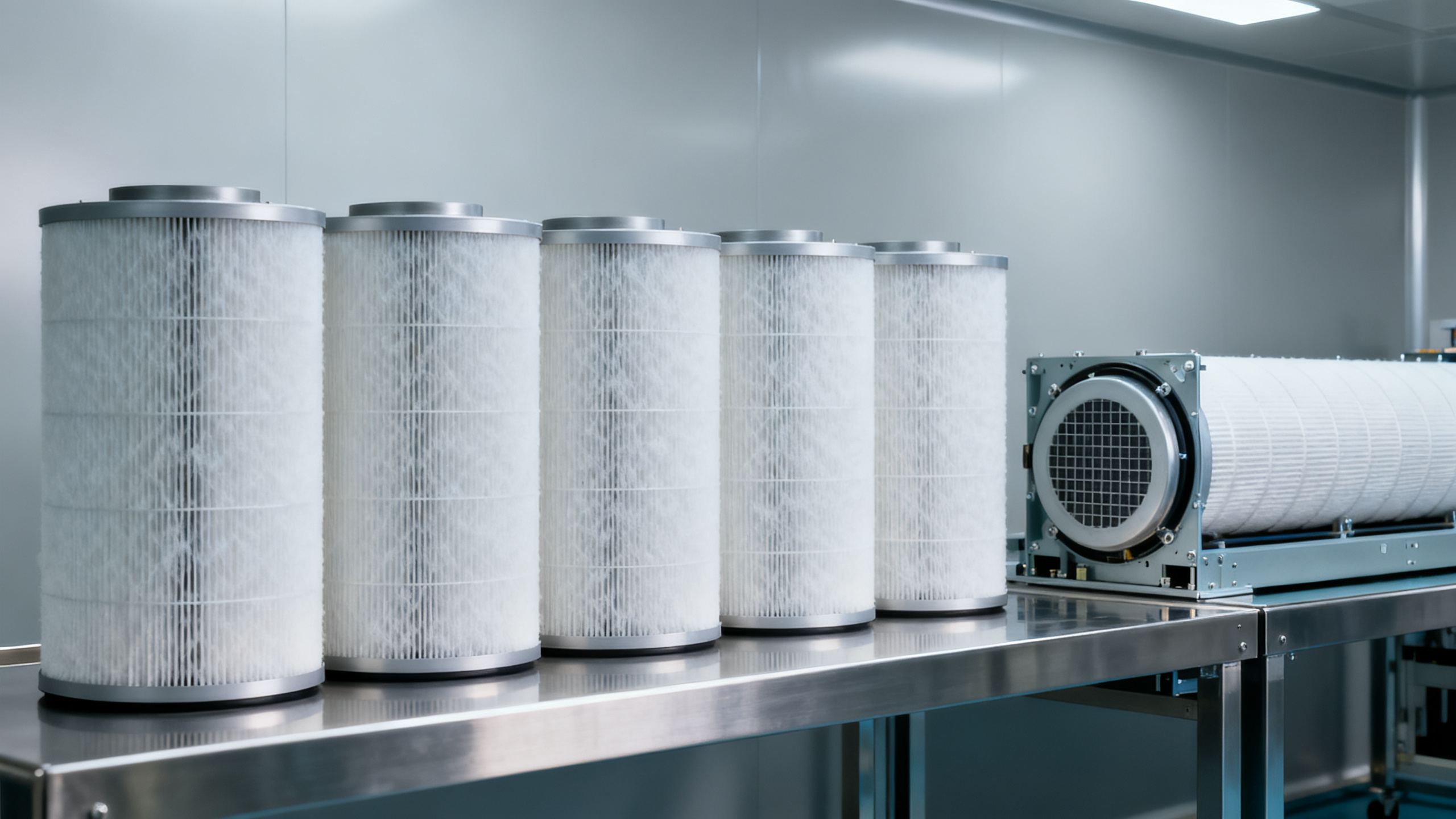
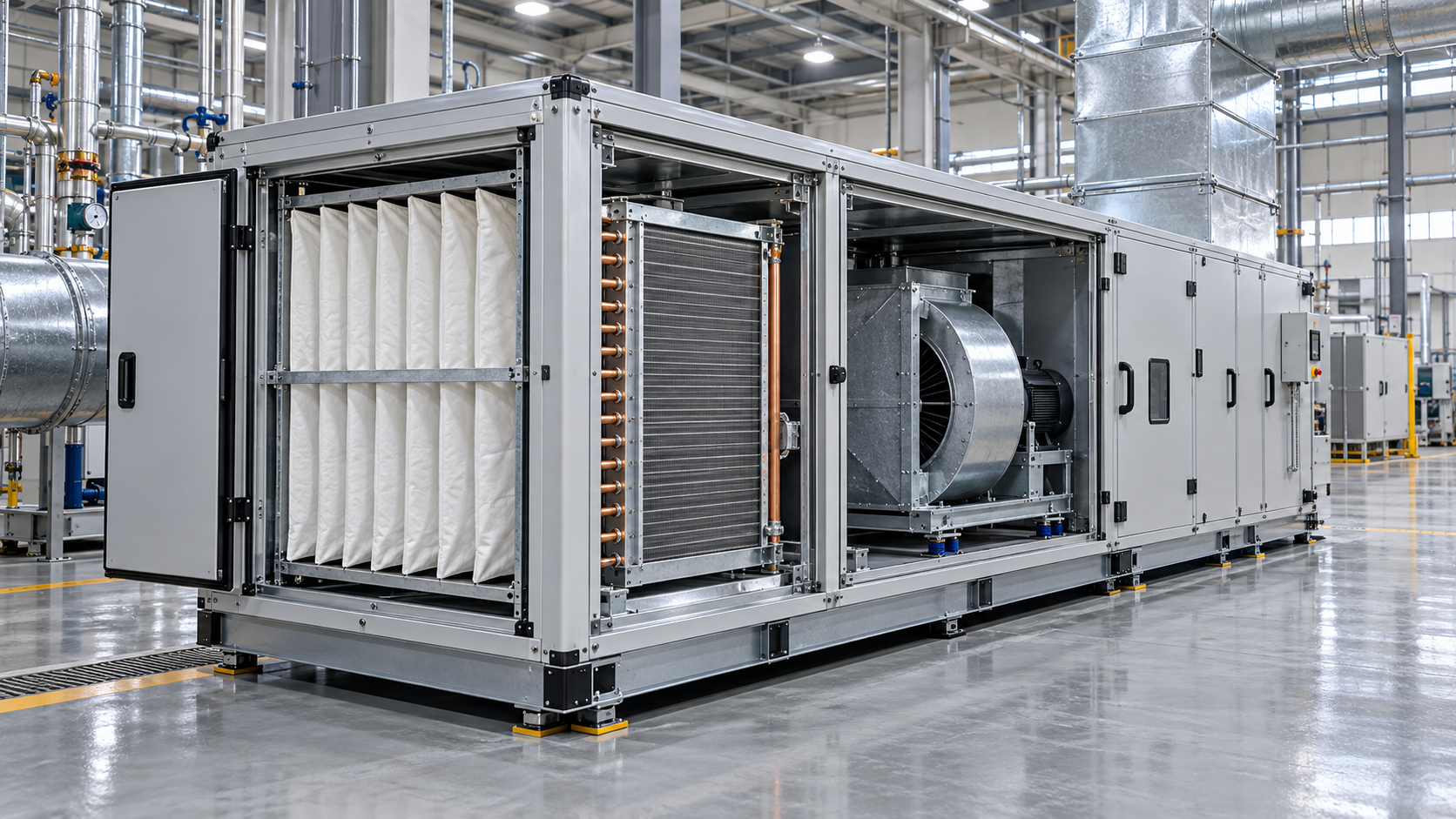
Vietnam’s Ministry of Industry and Trade (MOIT) issued Notice No. 32/2026/TT-BCT on May 10, 2026, mandating new biocompatibility testing for imported industrial air filters — including FFU and AHU filter cartridges — effective July 1, 2026. This update directly affects exporters of air purifiers and dust control equipment, particularly suppliers of nanofiber filtration media from China and other manufacturing hubs.
Event Overview
On May 10, 2026, Vietnam’s Ministry of Industry and Trade (MOIT) published Circular No. 32/2026/TT-BCT. It stipulates that, starting July 1, 2026, all imported industrial-grade air filters — specifically those used in Fan Filter Units (FFUs) and Air Handling Units (AHUs) — must be accompanied by a full test report conforming to GB/T 38010-2026, Methods for Evaluation of Biocompatibility of Nanofiber Filter Media. The requirement applies to products classified under the ‘Air Purifiers & Dust’ export category.
Industries Affected
Direct Exporters and Trading Companies
Companies exporting industrial air filters to Vietnam will face immediate compliance obligations. The new rule adds a mandatory documentation layer — a full GB/T 38010-2026 test report — which was not previously required for market entry. Non-compliant shipments may be detained or rejected at Vietnamese customs after July 1, 2026.
Filter Media Manufacturers and Raw Material Suppliers
Suppliers of nanofiber-based filter media — especially those based in China — are directly impacted, as GB/T 38010-2026 references ISO 10993 series standards for biological evaluation of medical devices. These suppliers must now verify whether their existing ISO 10993 testing scope covers all required endpoints (e.g., cytotoxicity, sensitization, intracutaneous reactivity) under the new national standard.
OEM/ODM Filtration System Integrators
Firms assembling FFUs or AHUs using third-party filter cartridges must ensure upstream suppliers provide valid GB/T 38010-2026 reports. Integration without verified documentation risks non-compliance for the final assembled product, even if the integrator itself does not manufacture the filter media.
Distribution and Logistics Service Providers
Import agents, customs brokers, and logistics partners handling air filtration goods destined for Vietnam must update their pre-shipment verification checklists. They will need to validate the presence and validity of GB/T 38010-2026 reports before release — adding a new checkpoint in documentation review workflows.
Key Considerations and Recommended Actions
Monitor Official Updates from MOIT and Vietnamese Standards Authorities
The notice references GB/T 38010-2026 — a Chinese national standard — but its enforcement in Vietnam implies alignment with local interpretation and acceptance criteria. Companies should track any subsequent technical guidance or accreditation notices issued by the General Department of Vietnam Standards and Quality (STAMEQ) or the Vietnam Customs Department.
Verify Applicability to Specific Product Categories and Filter Classes
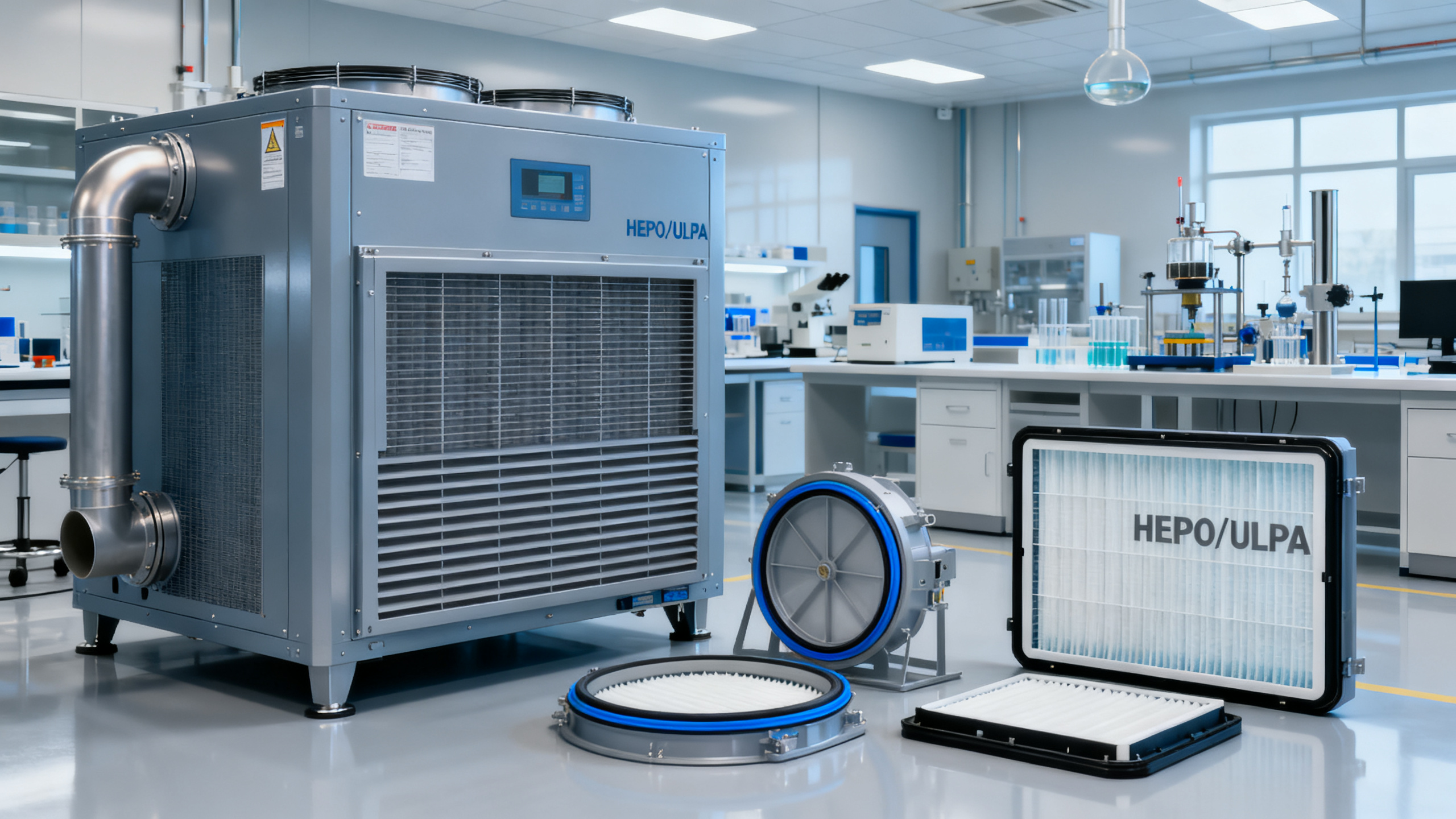
Analysis shows the requirement explicitly covers industrial-grade filters used in FFUs and AHUs. It does not mention residential air purifier units or standalone HEPA filters outside HVAC integration. Exporters should confirm whether their specific SKUs fall within the defined scope — especially those labeled for ‘industrial’ or ‘cleanroom’ use.
Distinguish Between Regulatory Signal and Operational Requirement
Observably, this is not a broad-based environmental or safety regulation, but a targeted technical barrier tied to material-level biocompatibility. Its introduction signals Vietnam’s increasing focus on human health implications of filtration materials in enclosed or high-occupancy environments — not just particulate removal efficiency.
Prepare Documentation and Testing Capacity Ahead of July 2026
Testing per GB/T 38010-2026 requires coordination with accredited labs capable of performing ISO 10993-compliant biological evaluations. Lead times for such tests can exceed 4–6 weeks. Companies should initiate lab engagement and sample submission no later than mid-June 2026 to avoid shipment delays.
Editorial Perspective / Industry Observation
This measure is better understood as an early-stage regulatory signal rather than a fully matured technical barrier. While the deadline is firm (July 1, 2026), GB/T 38010-2026 is newly published and lacks established international harmonization — meaning Vietnamese authorities may still issue clarifications on acceptable test methods, lab accreditation pathways, or transitional arrangements. From an industry perspective, it reflects a broader trend: Southeast Asian markets are beginning to adopt more granular, material-specific safety requirements for environmental technology products — moving beyond performance metrics toward human exposure risk assessment. Continued monitoring is warranted, especially for companies with diversified ASEAN export strategies.
Conclusion
This regulatory update marks a procedural shift — not a market closure — for air filtration exporters targeting Vietnam. Its significance lies less in immediate disruption and more in signaling a rising threshold for material safety validation in industrial environmental equipment. Current understanding should treat it as a defined compliance milestone requiring targeted preparation, rather than a systemic trade restriction.
Source Attribution
Main source: Vietnam Ministry of Industry and Trade (MOIT), Circular No. 32/2026/TT-BCT, issued May 10, 2026.
Standard referenced: GB/T 38010-2026, Methods for Evaluation of Biocompatibility of Nanofiber Filter Media.
Note: Implementation details, lab accreditation recognition, and possible transitional provisions remain under observation and are subject to further official communication.
Technical Specifications
- Air Handling Unit Supplier Checklist: Performance Data, Lead Times, and SupportAuthor :Environmental Engineering Director
- Buying Fiberglass Water Tanks Wholesale: Compare Quotes and Delivery CostsAuthor :Environmental Engineering Director
- Choosing an XLPE Power Cable Supplier: Test Reports, Traceability, and Lead TimesAuthor :Grid Infrastructure Analyst
Expert Insights

Chief Security Architect
Dr. Thorne specializes in the intersection of structural engineering and digital resilience. He has advised three G7 governments on industrial infrastructure security.
Related Analysis
- Oct 19, 2026Air Handling Unit Supplier Checklist: Performance Data, Lead Times, and SupportAuthor :Environmental Engineering Director
- Oct 18, 2026Buying Fiberglass Water Tanks Wholesale: Compare Quotes and Delivery CostsAuthor :Environmental Engineering Director
- Oct 17, 2026Choosing an XLPE Power Cable Supplier: Test Reports, Traceability, and Lead TimesAuthor :Grid Infrastructure Analyst
Core Sector // 01
Security & Safety
- Air Handling Unit Supplier Checklist: Performance Data, Lead Times, and SupportAuthor :Environmental Engineering Director

- How to Select Industrial Emission Control Systems for High-Dust Manufacturing LinesAuthor :Environmental Engineering Director

- Environmental Technologies for Heavy Industry: Choosing Cleaner Production SolutionsAuthor :Environmental Engineering Director

- Selecting Air Compliance Equipment for Dust, Fumes, and VOC ControlAuthor :Environmental Engineering Director

- EU Rule Tightens EN 1822-2 for Industrial Air PurifiersAuthor :Environmental Engineering Director

- EU Eco-Design Rules Tighten for Air PurifiersAuthor :Environmental Engineering Director

- Low-Maintenance Dust and Fume Control Systems: Best Options for Welding ShopsAuthor :Environmental Engineering Director

- EPA Sets VOC Labeling Rule for Air PurifiersAuthor :Environmental Engineering Director