Indonesia BPOM Mandates ePM1 Wet-Heat Aging Retention ≥95% for Industrial Air Filter Cartridges
Author
Date Published
Reading Time
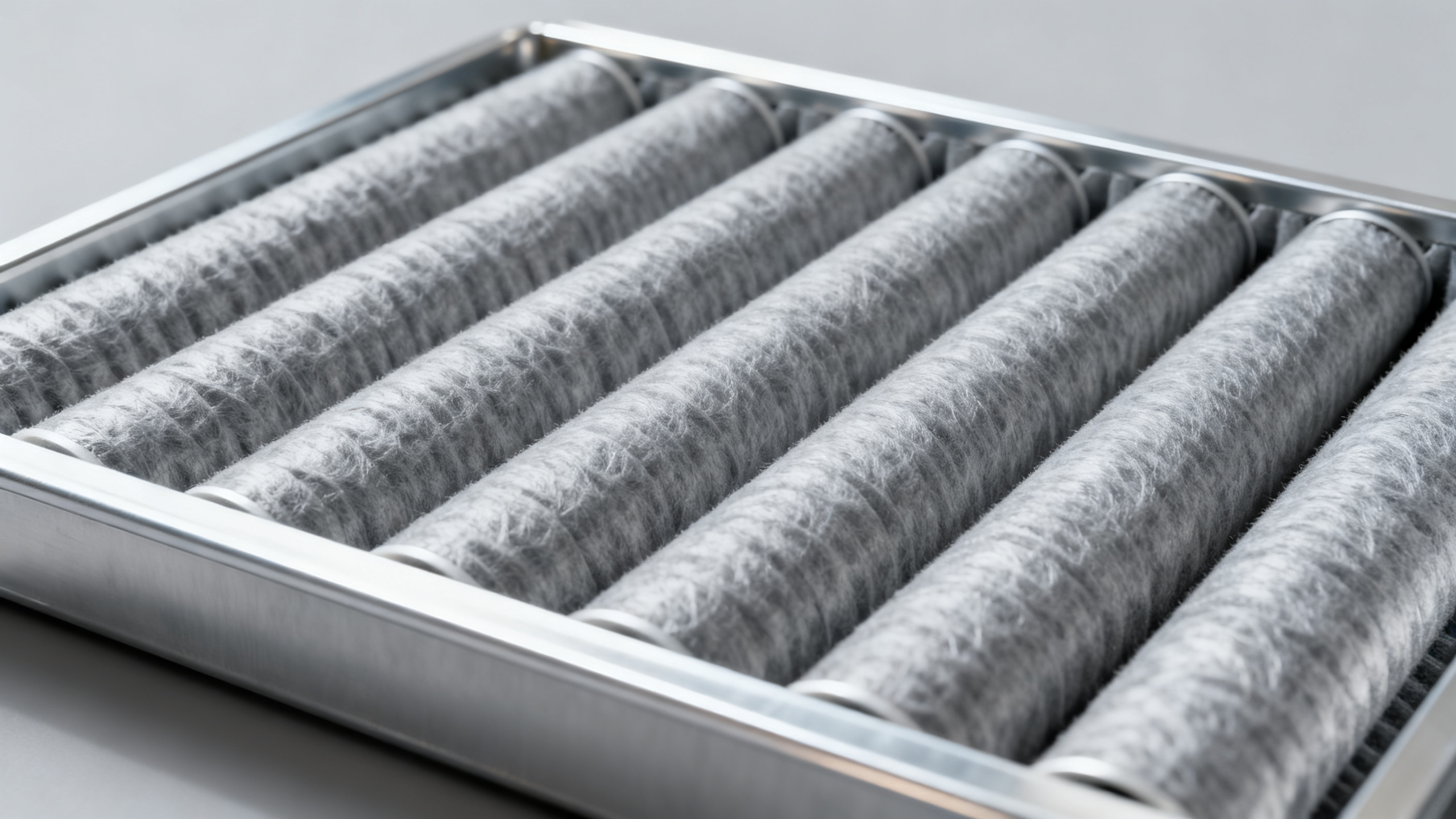
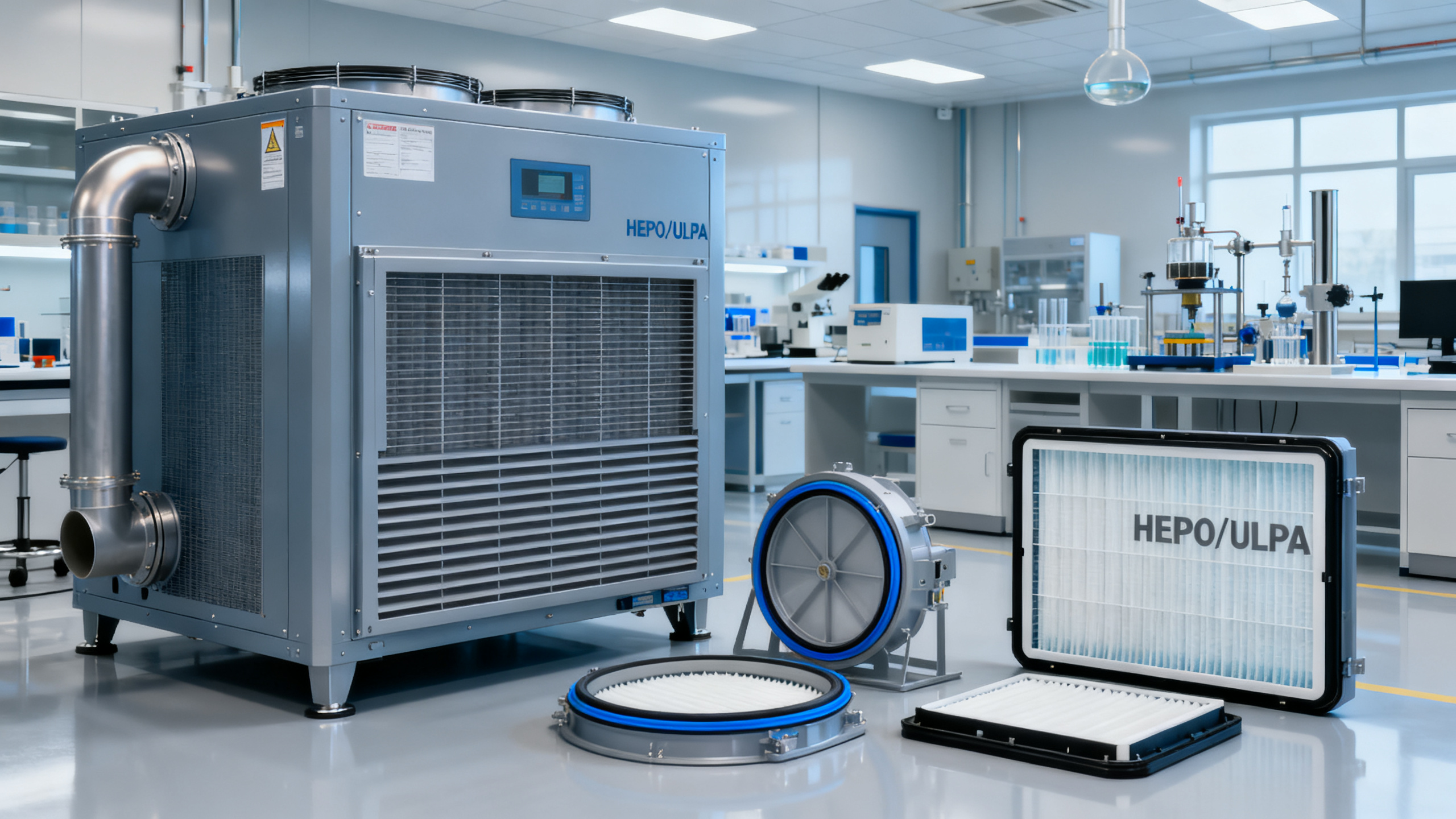
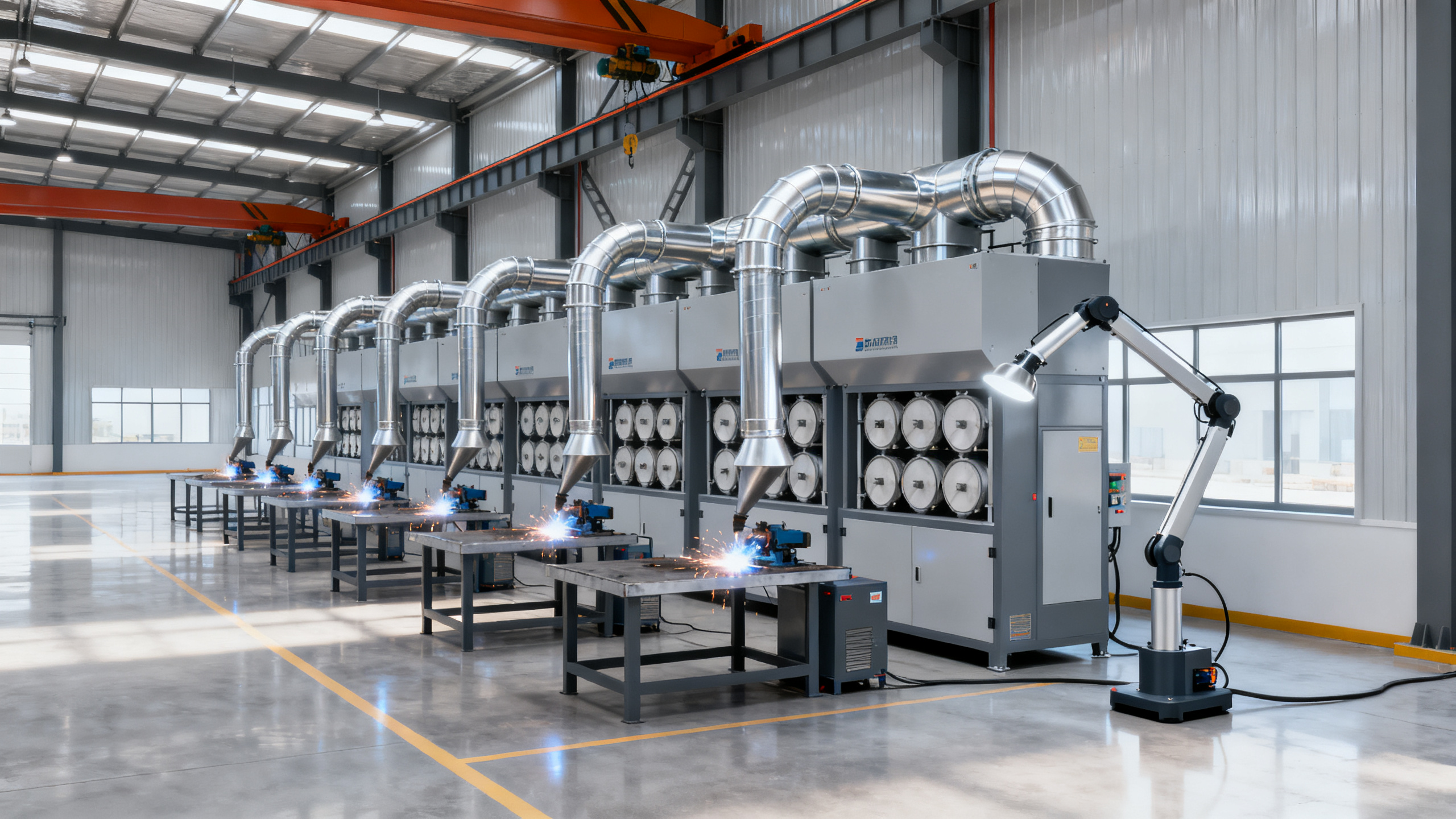
On May 10, 2026, the Indonesian Food and Drug Authority (BPOM) issued Technical Notice SE.04.05.01.0526, mandating that all imported industrial-grade air purifier filter cartridges—including HEPA and ULPA types—must comply with ISO 16890-4:2026 ePM1 wet-heat aging testing, with post-aging particle filtration efficiency retention of no less than 95%. Effective August 1, 2026, this requirement directly impacts manufacturers, exporters, and distributors in the air purifier and industrial dust control supply chain—particularly Chinese filter cartridge producers supplying to Indonesia.
Event Overview
On May 10, 2026, Indonesia’s Badan Pengawas Obat dan Makanan (BPOM) published Technical Notice SE.04.05.01.0526. The notice stipulates that, starting August 1, 2026, all imported industrial air purifier filter cartridges (including HEPA and ULPA) must pass the ePM1 classification test under ISO 16890-4:2026 after wet-heat aging, and maintain a minimum filtration efficiency retention rate of 95% following the aging process. The requirement applies specifically to cartridges intended for industrial air purification systems—not residential units—and references climate chamber aging validation as a prerequisite for market access.
Industries Affected
Direct Exporters and Importers
Companies exporting industrial filter cartridges from China or other manufacturing countries to Indonesia will face mandatory pre-market verification. Non-compliant shipments may be rejected at customs or subject to retesting, causing delays and increased compliance costs. This affects not only OEM/ODM exporters but also trading firms acting as import license holders in Indonesia.
Filter Manufacturing Enterprises
Manufacturers producing HEPA and ULPA cartridges for industrial applications must now validate their products against ISO 16890-4:2026’s wet-heat aging protocol. Unlike standard filtration efficiency tests, this requires controlled climate chamber exposure (e.g., 40°C/90% RH for specified duration), followed by re-measurement of ePM1 capture performance. Facilities lacking in-house aging chambers or accredited lab partnerships will need to outsource testing—a step previously optional for most export markets.
Raw Material and Media Suppliers
Suppliers of filter media (e.g., melt-blown polypropylene, glass fiber substrates, electrostatically charged nonwovens) may see revised technical specifications from downstream manufacturers. Media formulations that degrade significantly under high humidity and temperature—such as certain charge-retention polymers—may require reformulation or qualification under the new aging condition. This introduces upstream R&D and documentation requirements not previously mandated for Indonesian-bound goods.
Distribution and Certification Service Providers
Local Indonesian distributors, certification consultants, and lab accreditation intermediaries are likely to experience increased demand for ISO 16890-4 test coordination, BPOM filing support, and aging validation reporting. However, only labs accredited to ISO/IEC 17025 and recognized by BPOM for ISO 16890-4 testing can issue valid reports—limiting options for time-sensitive submissions.
Key Focus Areas and Recommended Actions
Monitor Official BPOM Implementation Guidance
While the technical notice is published, BPOM has not yet released detailed implementation guidelines—such as acceptable aging durations, allowable test deviations, or transitional arrangements for pending shipments. Exporters should track BPOM’s official portal and registered notifications for updates prior to August 1, 2026.
Verify Product Scope and Test Readiness
Confirm whether specific product lines (e.g., industrial ULPA cartridges rated for ISO Class 3 cleanrooms) fall under the scope—especially if marketed for both industrial and commercial HVAC use. Simultaneously, assess current test capacity: identify accredited labs offering ISO 16890-4:2026 ePM1 wet-heat aging services, and initiate sample submission timelines to meet the August 1 deadline.
Distinguish Between Regulatory Signal and Enforcement Reality
This notice represents a formal regulatory threshold—not yet accompanied by enforcement data or penalty protocols. In practice, initial inspections may prioritize high-volume or high-risk entries. Nonetheless, the requirement signals BPOM’s shift toward performance durability (not just initial efficiency) as a core metric for air quality hardware—suggesting similar standards could extend to other environmental control devices in future notices.
Prepare Documentation and Supply Chain Coordination
Compile aging test reports, filter media certificates of conformity, and manufacturing process records required for BPOM registration. Coordinate closely with Indonesian import partners to align on labeling, technical dossiers, and BPOM’s electronic submission system (e-BPOM). Delays often stem from mismatched documentation—not technical noncompliance.
Editorial Perspective / Industry Observation
Observably, this mandate reflects a broader regional trend: Southeast Asian regulators increasingly adopting ISO-based durability metrics for environmental health equipment—not just safety-critical medical or food products. Analysis shows BPOM is prioritizing real-world performance resilience (e.g., under tropical humidity), rather than laboratory-only peak efficiency. From an industry perspective, this is less a one-off compliance hurdle and more a signal that ‘efficiency-at-delivery’ is being replaced by ‘efficiency-after-exposure’ as a baseline expectation. Current enforcement remains limited to industrial cartridges, but the methodology sets precedent. Continuous monitoring of BPOM’s follow-up circulars—and ASEAN harmonization discussions—is warranted.
In summary, BPOM’s new ePM1 wet-heat aging retention requirement marks a measurable tightening of technical entry criteria for industrial air filtration products in Indonesia. It does not represent a blanket ban or immediate market closure—but rather introduces a defined, testable, and enforceable durability benchmark. For affected enterprises, the priority is not broad strategic pivoting, but targeted validation, documentation alignment, and close attention to BPOM’s upcoming procedural clarifications. This is best understood as an operational calibration—not a structural disruption.
Source: Indonesian Food and Drug Authority (BPOM) Technical Notice SE.04.05.01.0526, issued May 10, 2026. Note: Implementation details—including accepted aging protocols, transition provisions, and BPOM-recognized laboratories—are still pending official update and remain under observation.
Technical Specifications
- Air Handling Unit Supplier Checklist: Performance Data, Lead Times, and SupportAuthor :Environmental Engineering Director
- Buying Fiberglass Water Tanks Wholesale: Compare Quotes and Delivery CostsAuthor :Environmental Engineering Director
- Choosing an XLPE Power Cable Supplier: Test Reports, Traceability, and Lead TimesAuthor :Grid Infrastructure Analyst
Expert Insights

Chief Security Architect
Dr. Thorne specializes in the intersection of structural engineering and digital resilience. He has advised three G7 governments on industrial infrastructure security.
Related Analysis
- Oct 19, 2026Air Handling Unit Supplier Checklist: Performance Data, Lead Times, and SupportAuthor :Environmental Engineering Director
- Oct 18, 2026Buying Fiberglass Water Tanks Wholesale: Compare Quotes and Delivery CostsAuthor :Environmental Engineering Director
- Oct 17, 2026Choosing an XLPE Power Cable Supplier: Test Reports, Traceability, and Lead TimesAuthor :Grid Infrastructure Analyst
Core Sector // 01
Security & Safety
- Air Handling Unit Supplier Checklist: Performance Data, Lead Times, and SupportAuthor :Environmental Engineering Director

- How to Select Industrial Emission Control Systems for High-Dust Manufacturing LinesAuthor :Environmental Engineering Director

- Environmental Technologies for Heavy Industry: Choosing Cleaner Production SolutionsAuthor :Environmental Engineering Director

- Selecting Air Compliance Equipment for Dust, Fumes, and VOC ControlAuthor :Environmental Engineering Director

- EU Rule Tightens EN 1822-2 for Industrial Air PurifiersAuthor :Environmental Engineering Director

- EU Eco-Design Rules Tighten for Air PurifiersAuthor :Environmental Engineering Director

- Low-Maintenance Dust and Fume Control Systems: Best Options for Welding ShopsAuthor :Environmental Engineering Director

- EPA Sets VOC Labeling Rule for Air PurifiersAuthor :Environmental Engineering Director