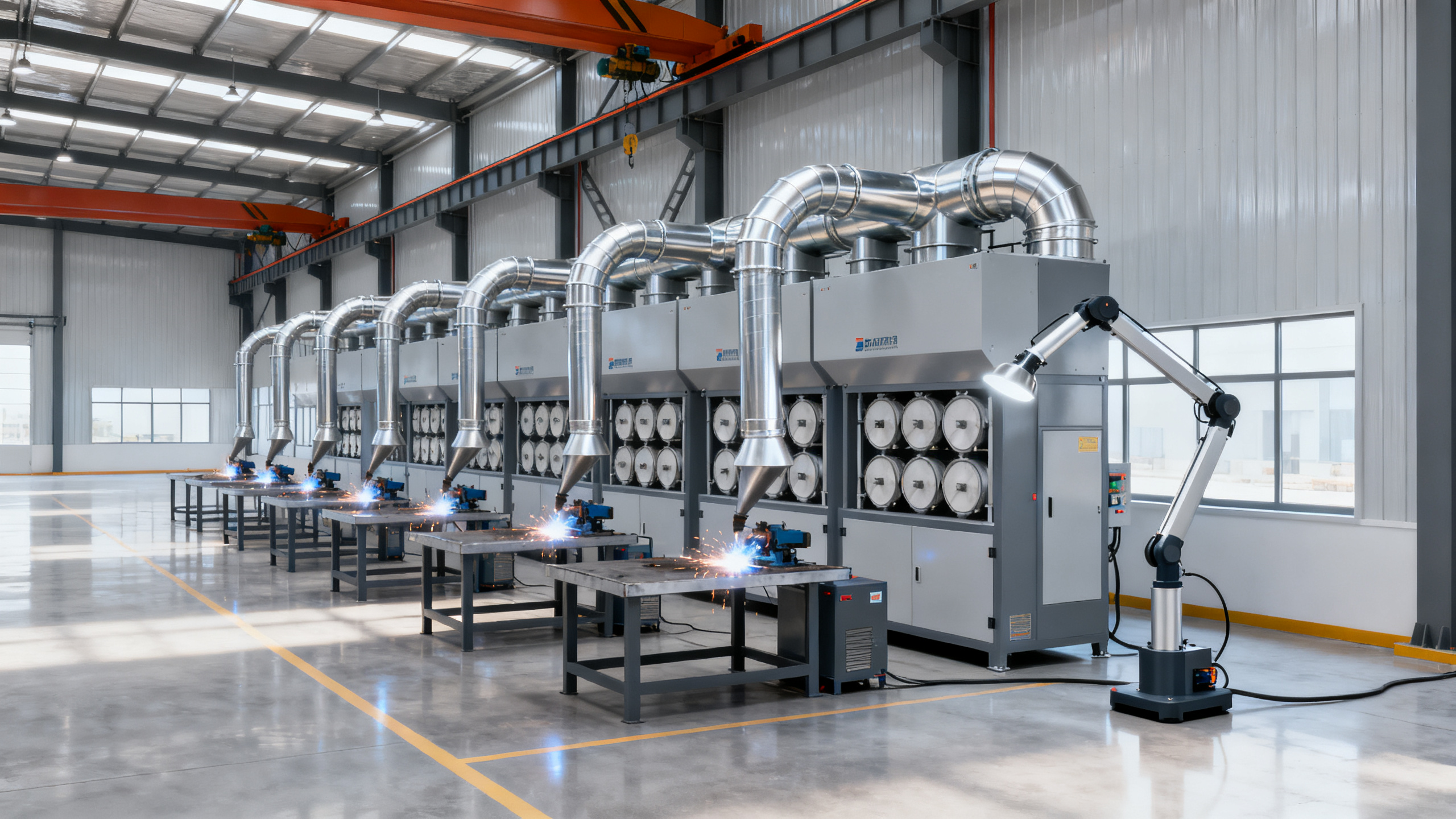
Indonesia BPOM Mandates ePM1 Retention ≥95% After ISO 16890-4:2026 Wet-Heat Aging for Industrial Air Filter Cartridges
Author
Date Published
Reading Time
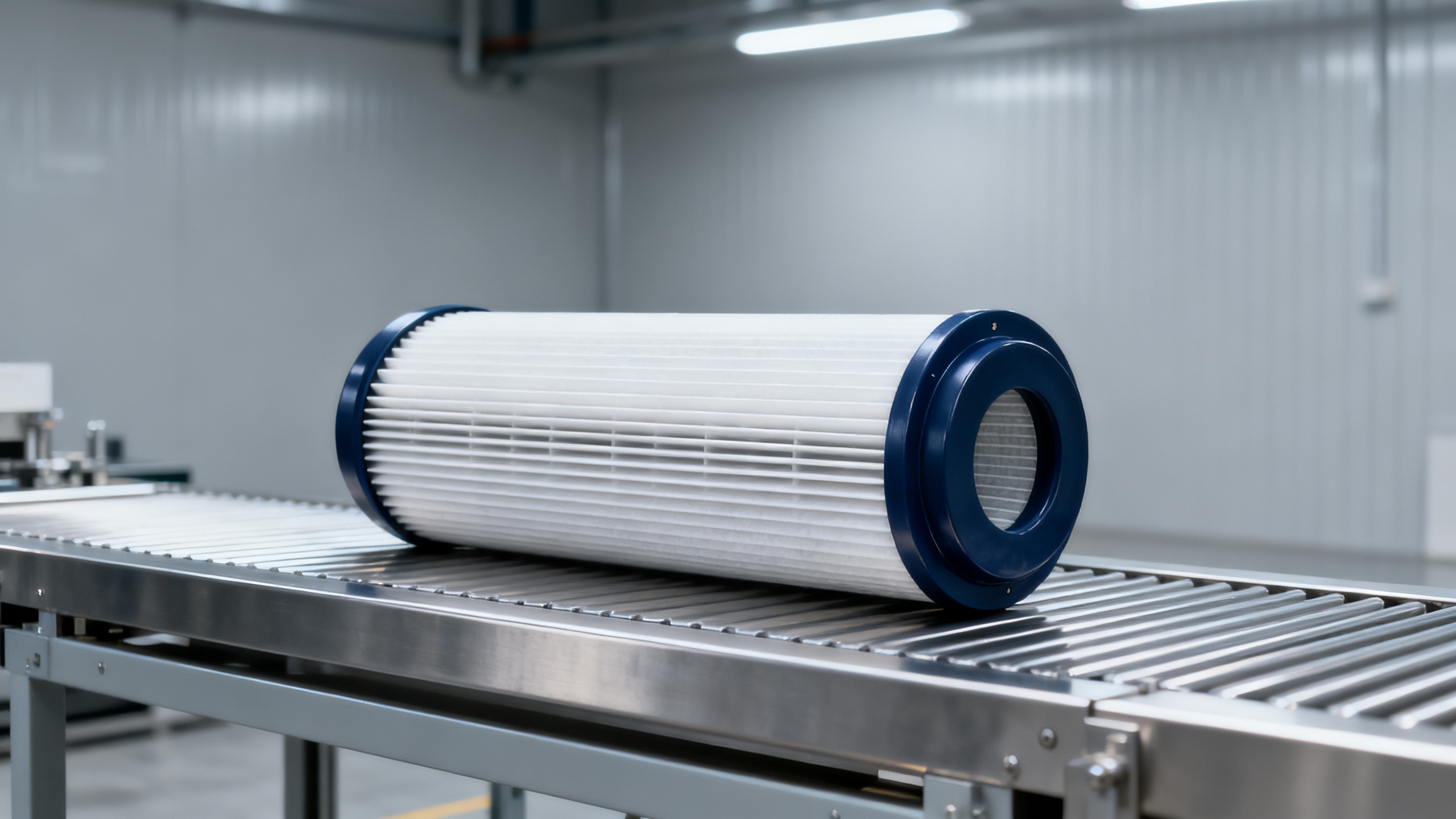
On May 8, 2026, Indonesia’s National Agency of Drug and Food Control (BPOM) issued Regulation No. HK.01.02.2.5.1234, requiring all imported industrial air purifier filter cartridges to maintain ≥95% ePM1 filtration efficiency after 48-hour wet-heat aging per ISO 16890-4:2026 (85% RH / 40°C), effective October 1, 2026. This requirement directly impacts manufacturers, exporters, and suppliers of filtration media and modules serving the Indonesian industrial air purification market—and signals a tightening of performance durability standards beyond current EU benchmarks.
Event Overview
Indonesia’s BPOM published Regulation No. HK.01.02.2.5.1234 on May 8, 2026. The regulation stipulates that, starting October 1, 2026, all industrial air purifier filter cartridges imported into Indonesia must pass ISO 16890-4:2026’s wet-heat aging test—specifically, 48 hours at 85% relative humidity and 40°C—and retain no less than 95% of their initial ePM1 filtration efficiency. The standard referenced is ISO 16890-4:2026, which defines testing methodology for particulate air filter performance under accelerated environmental stress.
Industries Affected by This Requirement
Filter Media Manufacturers (China-based)
Chinese filtration material producers supplying raw media (e.g., melt-blown polypropylene, nanofiber composites, electrostatically charged nonwovens) to cartridge assemblers are directly affected. Their formulations—particularly those relying on electrostatic charge retention or hydrophilic additives—may degrade under high-humidity thermal cycling. Impact manifests in revalidation timelines, potential reformulation costs, and extended lead times for BPOM-compliant batches.
Cartridge Assemblers & OEMs
Companies assembling or branding industrial-grade filter cartridges for export to Indonesia must now verify final product performance post-aging—not just initial efficiency. This shifts quality control from single-point lab testing to process-critical validation including aging protocols, packaging integrity assessment, and batch-level traceability for BPOM submission.
Exporters & Importers of Air Purification Systems
Trading firms handling industrial air purifiers—including integrated units with replaceable cartridges—face new pre-clearance requirements. Customs clearance after October 1, 2026 will require documented ISO 16890-4:2026 test reports issued by BPOM-recognized laboratories. Non-compliant shipments risk rejection or mandatory retesting at importer’s cost.
Supply Chain & Certification Support Providers
Laboratories offering ISO 16890-4 testing, certification consultants assisting with BPOM registration, and logistics partners managing humidity-controlled storage/transit are seeing increased demand for wet-heat aging capability verification and documentation support. Capacity constraints may emerge as adoption accelerates ahead of the October deadline.
Key Focus Areas and Recommended Actions for Stakeholders
Monitor official BPOM implementation guidance and recognized labs list
BPOM has not yet published its list of accredited laboratories authorized to perform ISO 16890-4:2026 testing for regulatory submission. Stakeholders should track BPOM’s official portal and circulars for updates—especially announcements regarding accepted test report formats, validity periods, and whether third-country lab reports (e.g., from China or Germany) require local re-verification.
Validate ePM1 retention—not just initial efficiency—across production batches
Manufacturers should initiate wet-heat aging tests on current commercial filter media lots using ISO 16890-4:2026 parameters. Prioritize evaluation of materials with known humidity sensitivity (e.g., electret-charged media, certain binder systems). Document aging conditions precisely—including chamber calibration logs and pre/post-test ePM1 measurement protocols—to align with anticipated BPOM audit requirements.
Distinguish between BPOM registration deadlines and actual enforcement readiness
Although the regulation takes effect October 1, 2026, historical BPOM practice shows phased enforcement—particularly for newly introduced technical criteria. Stakeholders should treat the date as a hard compliance milestone but remain alert to transitional arrangements (e.g., grace periods for existing registered products) communicated via BPOM’s Directorate of Medical Devices and Cosmetics.
Update procurement and inventory planning to accommodate longer validation cycles
Wet-heat aging adds minimum 3–5 days to standard filter testing workflows. Procurement teams should adjust safety stock levels and supplier lead-time assumptions accordingly—especially for high-turnover ePM1-rated cartridges destined for Indonesian industrial clients (e.g., semiconductor cleanrooms, pharmaceutical manufacturing, food processing facilities).
Editorial Perspective / Industry Observation
Observably, this regulation reflects BPOM’s shift toward durability-based performance assurance—not just static efficiency claims—for mission-critical filtration components. It is less a standalone technical update and more a signal of converging global expectations around real-world filter resilience. Analysis shows that while ISO 16890-4:2026 itself is newly published, BPOM’s decision to mandate it immediately—without transition—suggests alignment with emerging ASEAN harmonization efforts, rather than isolated national policy. From an industry perspective, this requirement is best understood not as a one-off compliance hurdle, but as an early indicator of broader regional movement toward environmental aging as a baseline filter qualification criterion.
Current implementation remains subject to clarification: BPOM has not yet confirmed whether the rule applies retroactively to already-registered products, nor whether modular cartridges used in multi-stage industrial units fall under identical scope as standalone replacements. These points warrant ongoing observation.
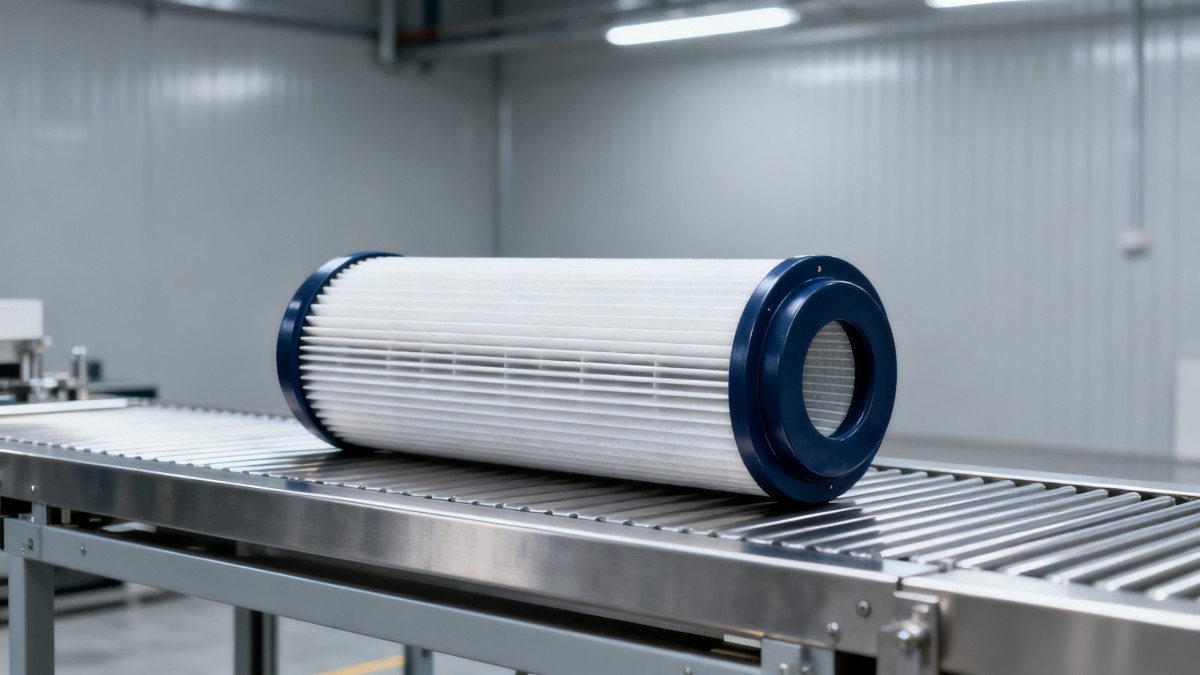
Indonesia’s BPOM regulation marks a meaningful step toward performance durability as a non-negotiable element of industrial air filtration compliance—not merely a marketing differentiator. Its significance lies not only in the 95% ePM1 retention threshold, but in the explicit linkage of filtration efficacy to environmental stress resistance. For stakeholders, the most constructive interpretation is pragmatic: treat ISO 16890-4:2026 wet-heat aging as the new baseline functional test—not an optional enhancement—for any filter cartridge intended for Indonesian industrial use after October 2026.
Source: Indonesia National Agency of Drug and Food Control (BPOM), Regulation No. HK.01.02.2.5.1234, issued May 8, 2026.
Note: BPOM’s official implementation guidelines, list of accredited laboratories, and transitional provisions remain pending and require continued monitoring.
Technical Specifications
- Air Handling Unit Supplier Checklist: Performance Data, Lead Times, and SupportAuthor :Environmental Engineering Director
- Buying Fiberglass Water Tanks Wholesale: Compare Quotes and Delivery CostsAuthor :Environmental Engineering Director
- Choosing an XLPE Power Cable Supplier: Test Reports, Traceability, and Lead TimesAuthor :Grid Infrastructure Analyst
Expert Insights

Chief Security Architect
Dr. Thorne specializes in the intersection of structural engineering and digital resilience. He has advised three G7 governments on industrial infrastructure security.
Related Analysis
- Oct 19, 2026Air Handling Unit Supplier Checklist: Performance Data, Lead Times, and SupportAuthor :Environmental Engineering Director
- Oct 18, 2026Buying Fiberglass Water Tanks Wholesale: Compare Quotes and Delivery CostsAuthor :Environmental Engineering Director
- Oct 17, 2026Choosing an XLPE Power Cable Supplier: Test Reports, Traceability, and Lead TimesAuthor :Grid Infrastructure Analyst
Core Sector // 01
Security & Safety
- Air Handling Unit Supplier Checklist: Performance Data, Lead Times, and SupportAuthor :Environmental Engineering Director

- How to Select Industrial Emission Control Systems for High-Dust Manufacturing LinesAuthor :Environmental Engineering Director

- Environmental Technologies for Heavy Industry: Choosing Cleaner Production SolutionsAuthor :Environmental Engineering Director

- Selecting Air Compliance Equipment for Dust, Fumes, and VOC ControlAuthor :Environmental Engineering Director

- EU Rule Tightens EN 1822-2 for Industrial Air PurifiersAuthor :Environmental Engineering Director

- EU Eco-Design Rules Tighten for Air PurifiersAuthor :Environmental Engineering Director

- Low-Maintenance Dust and Fume Control Systems: Best Options for Welding ShopsAuthor :Environmental Engineering Director

- EPA Sets VOC Labeling Rule for Air PurifiersAuthor :Environmental Engineering Director