SABIC Force Majeure Tightens Filter Materials
Author
Date Published
Reading Time
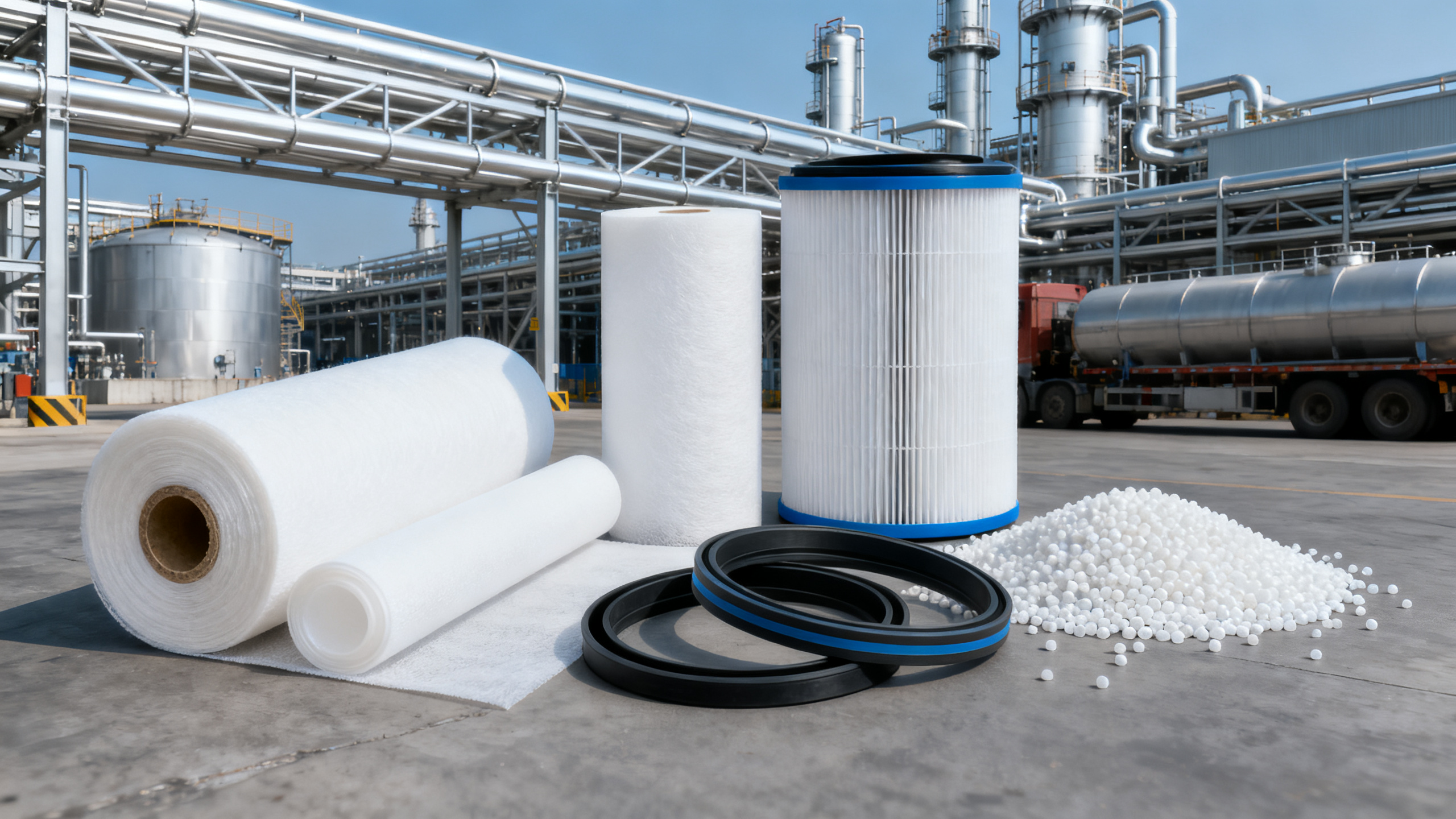
On March 27, 2026, Saudi Basic Industries Corporation (SABIC) announced that force majeure remains in effect for methanol and styrene production at its Jubail site, triggered by the Middle East situation. The development is drawing attention from industrial air purification, dust collection, filtration media, sealing materials, and explosion-proof sealing component sectors because it has been linked to tighter availability, higher upstream raw material prices, and longer delivery cycles for key materials including polypropylene, PTFE, and modified EPDM.
Event Overview
According to the available information, on March 27, 2026, SABIC announced that production of methanol with annual capacity of 4.7 million tons and styrene with annual capacity of 1.8 million tons at its Jubail base was affected by force majeure related to the Middle East situation.
The disclosed information also states that the global supply gap has widened. Upstream raw material prices for key filtration and sealing materials, including polypropylene, PTFE, and modified EPDM, rose by 18% within one week, while delivery lead times were generally extended to 16–20 weeks.
The affected downstream production areas include industrial air purifiers, dust collection systems, and explosion-proof sealing components. At this stage, the confirmed information centers on the force majeure status, the affected product categories, the reported price movement, and the extended delivery cycle.
Which Segments Are Affected
Direct Trading Companies
Direct trading companies dealing in methanol, styrene, polypropylene-related materials, PTFE, modified EPDM, and associated industrial material categories may face immediate pressure because supply availability and shipment schedules are becoming less predictable.
The impact is mainly reflected in quotation validity, order fulfillment, inventory allocation, and customer communication. When raw material prices move rapidly within a short period and lead times extend to 16–20 weeks, traders need to manage the risk of price gaps between confirmed sales and replacement procurement.
Raw Material Procurement Teams
Companies purchasing filtration media and sealing material inputs are directly affected because the reported shortage concerns upstream raw materials used in polypropylene, PTFE, and modified EPDM-related applications.
The main pressure points include purchase timing, contract execution, supplier confirmation, and budget control. From an industry perspective, procurement teams should pay close attention to whether quoted prices are tied to available stock or to future deliveries, as the difference may affect both cost control and production planning.
Processing and Manufacturing Companies
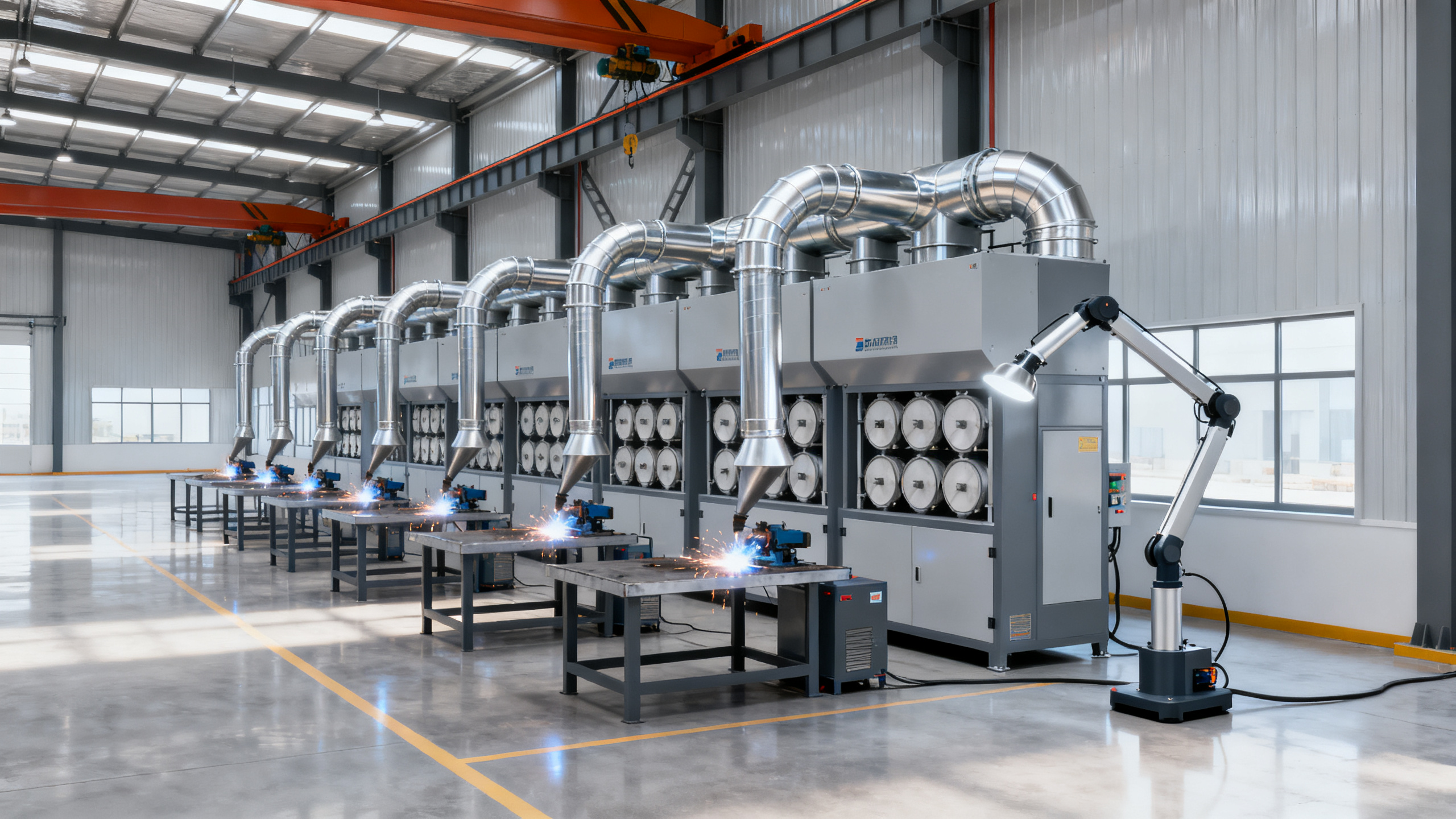
Manufacturers of industrial air purifiers, dust collection systems, filtration assemblies, and explosion-proof sealing components are among the most exposed downstream groups mentioned in the available information.
These companies may experience pressure in production scheduling, material substitution review, order delivery commitments, and component matching. Analysis shows that the extension of delivery lead times to 16–20 weeks can affect not only raw material purchasing but also the timing of finished equipment assembly and customer project delivery.
Channel and Distribution Companies
Channel companies that supply filtration media, sealing parts, or replacement components to industrial customers may be affected by reduced flexibility in replenishment and stock allocation.
The impact may appear in shorter inventory coverage, longer replenishment cycles, and a need to communicate delivery expectations more carefully to end users. What deserves closer attention now is whether downstream buyers begin to advance orders or increase safety stock, as this could further affect near-term channel availability.
Supply Chain Service Providers
Supply chain service providers involved in procurement coordination, warehousing, delivery scheduling, and supplier management may also be affected because longer lead times require more precise coordination across the chain.
The main operational pressure is not limited to transportation timing. Observably, when material availability is uncertain, service providers may need to help customers verify supplier commitments, prioritize urgent orders, and track changes in delivery windows more frequently.
What Companies and Practitioners Should Watch and How to Respond
Track Further Official Statements
Companies should continue to monitor further official statements from SABIC regarding the force majeure status at the Jubail methanol and styrene units. Since the current impact is linked to force majeure and regional conditions, the timing of any operational update is important for procurement and production planning.
Practical actions include keeping records of supplier notices, confirming whether existing contracts are affected by force majeure clauses, and avoiding assumptions about recovery timelines unless they are supported by official information.
Focus on Key Materials and Critical Applications
The immediate focus should be placed on polypropylene, PTFE, modified EPDM, and the materials most directly connected to industrial air purification equipment, dust collection systems, and explosion-proof sealing components.
Companies should review which products depend on these materials, identify orders with fixed delivery commitments, and distinguish between standard stock items and project-specific components. This is especially relevant where filtration media or sealing parts cannot be quickly replaced without affecting performance requirements.
Separate Market Signals from Confirmed Supply Conditions
It is more appropriate to understand the current situation as both a confirmed supply disruption and a market signal requiring continued verification. The reported 18% weekly price increase and 16–20 week lead times are important indicators, but companies still need to confirm how these figures apply to their own suppliers, grades, and delivery locations.
Practical responses include requesting written confirmation of lead times, checking whether quotations are based on current inventory or future supply, and reviewing whether price adjustment terms are clearly stated before placing new orders.
Prepare Procurement and Customer Communication Plans
For manufacturers and distributors, the current situation calls for more disciplined procurement and communication planning. Companies should assess near-term material demand, prioritize orders linked to committed customer deliveries, and communicate possible delivery changes as early as possible.
From an industry perspective, the most practical response is not aggressive stockpiling without verification, but structured planning based on actual order demand, supplier confirmation, and the specific materials affected by the reported shortage.
Editorial View / Industry Observation
Analysis shows that this event is not only a raw material supply issue for methanol and styrene markets. Its relevance to the industrial air purification and sealing sectors lies in the reported pressure transmitted to polypropylene, PTFE, modified EPDM, and related production chains.
Observably, the situation has already produced measurable effects in the form of a reported 18% weekly price increase and lead times extended to 16–20 weeks. At the same time, it should still be followed as an evolving supply-chain event because the duration of the force majeure and the pace of any recovery have not been confirmed in the available information.
It is more appropriate to understand this as a supply-chain stress signal that has already affected pricing and delivery expectations, rather than as a fully settled long-term market conclusion. Industrial users, traders, and manufacturers should continue to assess verified supplier updates before making major procurement or delivery commitments.
Conclusion
The continuing force majeure affecting SABIC’s Jubail methanol and styrene production has become relevant beyond the immediate chemical market. For companies involved in industrial air purifiers, dust collection systems, filtration media, PTFE and polypropylene-related materials, modified EPDM, and explosion-proof sealing components, the main concerns are material availability, price volatility, and extended delivery schedules.
A neutral reading is that the event has already created short-term pressure on key upstream materials, while its longer-term impact depends on further official updates and actual supply recovery. At present, the industry should treat this information as a material procurement and supply-chain risk signal that requires close tracking, verified communication, and practical contingency planning.
Information Sources
Main source: Saudi Basic Industries Corporation (SABIC) announcement dated March 27, 2026, as described in the provided event information.
Items requiring continued observation: the duration of the force majeure at the Jubail methanol and styrene units, further official updates from SABIC, subsequent movements in polypropylene, PTFE, and modified EPDM-related material prices, and whether delivery lead times remain at 16–20 weeks or change in later supplier communications.
Technical Specifications
- How to Select Electronic Hotel Key Card Locks for Guest Rooms and Staff AreasAuthor :Safety Compliance Lead
- How to Select Lab Instruments for Reliable Chemical Analysis WorkflowsAuthor :Precision Metrology Expert
- How to Size a UPS for Server Rooms: Load, Runtime, and Redundancy FactorsAuthor :Grid Infrastructure Analyst
Expert Insights

Chief Security Architect
Dr. Thorne specializes in the intersection of structural engineering and digital resilience. He has advised three G7 governments on industrial infrastructure security.
Related Analysis
- Sep 17, 2026How to Select Electronic Hotel Key Card Locks for Guest Rooms and Staff AreasAuthor :Safety Compliance Lead
- Sep 16, 2026How to Select Lab Instruments for Reliable Chemical Analysis WorkflowsAuthor :Precision Metrology Expert
- Sep 15, 2026How to Size a UPS for Server Rooms: Load, Runtime, and Redundancy FactorsAuthor :Grid Infrastructure Analyst
Core Sector // 01
Security & Safety
- Environmental Technologies for Heavy Industry: Choosing Cleaner Production SolutionsAuthor :Environmental Engineering Director

- Selecting Air Compliance Equipment for Dust, Fumes, and VOC ControlAuthor :Environmental Engineering Director

- EU Rule Tightens EN 1822-2 for Industrial Air PurifiersAuthor :Environmental Engineering Director

- EU Eco-Design Rules Tighten for Air PurifiersAuthor :Environmental Engineering Director

- Low-Maintenance Dust and Fume Control Systems: Best Options for Welding ShopsAuthor :Environmental Engineering Director

- EPA Sets VOC Labeling Rule for Air PurifiersAuthor :Environmental Engineering Director

- Saudi SASO Rule Adds Real-Time Logging for Air SystemsAuthor :Environmental Engineering Director

- Saudi SASO Rules Tighten for Air PurifiersAuthor :Environmental Engineering Director