SABIC Force Majeure Extends Feedstock Tightness
Author
Date Published
Reading Time

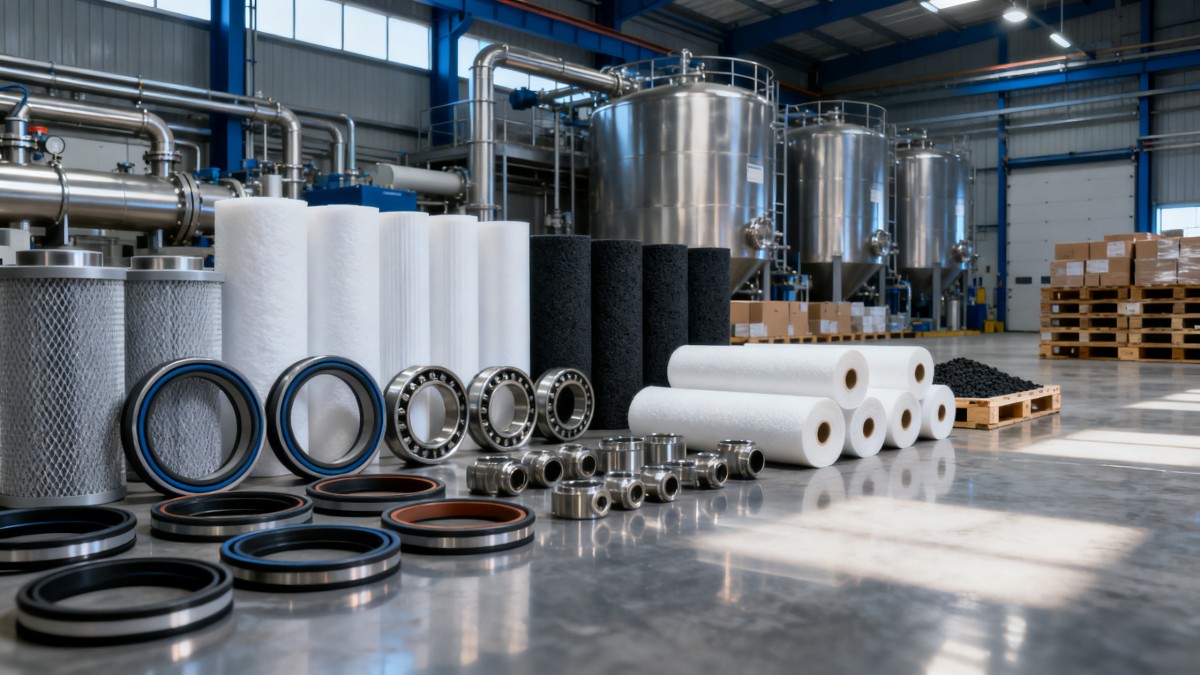
As of March 27, 2026, SABIC’s Jubail-based methanol and styrene units remain under force majeure, keeping key raw materials for industrial sealing products and filtration media under pressure. The development matters not only to petrochemical buyers, but also to downstream sectors such as Air Purifiers & Dust and Bearings & Seals, where core component lead times and price stability are already being affected, with some international orders extended beyond 12 weeks.
Event Overview
According to the available information, as of March 27, 2026, SABIC’s Jubail facilities for methanol, with capacity of 4.7 million tons per year, and styrene, with capacity of 1.8 million tons per year, are still under force majeure. The disclosed impact is continued tightness in raw material supply for EPDM rubber, polypropylene filter membranes, and activated carbon carrier preparation.
The directly affected downstream application areas identified in the disclosed information include Air Purifiers & Dust and Bearings & Seals. The current public information also indicates that delivery cycles and price stability for core components in these categories are under pressure, and that some international order lead times have already been pushed to more than 12 weeks.
Which Industry Segments Are Affected
Raw material procurement companies
These companies are affected first because the force majeure status at the methanol and styrene units is linked to continued tightness in feedstocks used for EPDM rubber, polypropylene filter membranes, and activated carbon carrier preparation. The impact is mainly reflected in procurement uncertainty, more difficult supply scheduling, and reduced confidence in short-term price stability.
Industrial sealing manufacturers
Manufacturers serving sealing-related applications are exposed because EPDM rubber is identified in the disclosed information as one of the raw materials under supply pressure. The impact is likely to show up in core component production planning, delivery commitments, and customer quotation cycles. From an industry perspective, this is especially relevant for suppliers tied to Bearings & Seals orders where timing and specification consistency are critical.
Filtration material and component processors
Processors involved in polypropylene filter membranes and activated carbon carrier preparation are directly exposed to the reported raw material tightness. The main effects include scheduling disruptions, pressure on replenishment plans, and increased difficulty in maintaining stable outbound delivery windows. The disclosed information already points to implications for Air Purifiers & Dust-related component supply.
Trading and international order execution companies
Trading firms and export-oriented order managers are affected because some international orders have already seen lead times extend beyond 12 weeks. Their exposure is less about direct production and more about contract execution, delivery communication, and customer expectation management. Observably, where delivery windows are contract-sensitive, the operational pressure can increase quickly even before broader supply conditions change further.
Supply chain coordination and channel distribution companies
Distributors and supply chain service providers are affected because prolonged force majeure conditions can disrupt inventory rhythm and allocation decisions across multiple downstream customers. The impact is mainly reflected in more frequent delivery adjustments, prioritization of limited stock, and a greater need to distinguish between confirmed shipments and tentative supply expectations.
What Companies and Practitioners Should Watch and How to Respond Now
Track official updates and avoid treating assumptions as confirmed supply recovery
Analysis shows that the most practical first step is to keep attention on official statements related to the force majeure status of SABIC’s Jubail methanol and styrene units. For procurement, sales, and planning teams, this means avoiding the assumption that supply normalization is imminent unless there is a clear public update. In the current situation, distinguishing confirmed information from market interpretation is essential.
Review exposure by product line and order type
Current attention should focus on where EPDM rubber, polypropylene filter membranes, or activated carbon carrier preparation materials are embedded in active orders. Companies handling Air Purifiers & Dust or Bearings & Seals products should separate routine replenishment business from delivery-critical export orders, especially where lead times have already moved beyond 12 weeks.
Adjust procurement and inventory communication in advance
From an industry perspective, companies should communicate earlier with both suppliers and customers about delivery windows, substitution constraints, and restocking uncertainty. This is not a generic inventory recommendation, but a direct response to the disclosed risk of continued raw material tightness and unstable lead times in the affected component categories.
Separate pricing discussions from delivery commitments
Observably, the disclosed pressure affects both price stability and lead time stability. For that reason, procurement and commercial teams should avoid linking long delivery promises to short-term price assumptions without confirmation. A practical response is to review quotations, validity periods, and order confirmation language for products tied to the affected raw materials.
Editorial View / Industry Observation
Observably, this development already goes beyond a simple upstream operating notice because the disclosed effects have reached delivery cycles and price stability in downstream components. Analysis shows that the event is not just a background signal for petrochemical markets; it has translated into a visible operational issue for selected industrial products, particularly in sealing and filtration-related supply chains.
Current attention should focus on the fact that this is both a signal and an ongoing result. It is a signal because continued force majeure at major methanol and styrene facilities may keep downstream buyers cautious. It is already a result because some international orders have reportedly moved past 12 weeks in lead time. From an industry perspective, that combination is why the situation requires continued monitoring rather than one-time reaction.
Conclusion
The extension of force majeure at SABIC’s Jubail methanol and styrene units is significant because it is now affecting not only upstream feedstock availability, but also delivery and pricing conditions for industrial sealing and filtration-related components. A neutral reading of the current information suggests that the market should understand this less as an isolated plant issue and more as an active supply chain constraint for specific downstream categories. At present, it is more appropriate to view this development as a continuing operational risk that affected companies should monitor closely and address through practical procurement, delivery, and customer communication measures.
Source Note
Main source: the information provided on the March 27, 2026 update regarding SABIC’s Jubail methanol and styrene force majeure status and its disclosed downstream impact on EPDM rubber, polypropylene filter membranes, activated carbon carrier preparation, Air Purifiers & Dust, and Bearings & Seals.
Items requiring continued observation: any subsequent official update on the force majeure status, any change in disclosed lead-time conditions for international orders, and any confirmed change in raw material availability for the affected downstream component categories.
Technical Specifications
- How to Select Electronic Hotel Key Card Locks for Guest Rooms and Staff AreasAuthor :Safety Compliance Lead
- How to Select Lab Instruments for Reliable Chemical Analysis WorkflowsAuthor :Precision Metrology Expert
- How to Size a UPS for Server Rooms: Load, Runtime, and Redundancy FactorsAuthor :Grid Infrastructure Analyst
Expert Insights

Chief Security Architect
Dr. Thorne specializes in the intersection of structural engineering and digital resilience. He has advised three G7 governments on industrial infrastructure security.
Related Analysis
- Sep 17, 2026How to Select Electronic Hotel Key Card Locks for Guest Rooms and Staff AreasAuthor :Safety Compliance Lead
- Sep 16, 2026How to Select Lab Instruments for Reliable Chemical Analysis WorkflowsAuthor :Precision Metrology Expert
- Sep 15, 2026How to Size a UPS for Server Rooms: Load, Runtime, and Redundancy FactorsAuthor :Grid Infrastructure Analyst
Core Sector // 01
Security & Safety
- Environmental Technologies for Heavy Industry: Choosing Cleaner Production SolutionsAuthor :Environmental Engineering Director

- Selecting Air Compliance Equipment for Dust, Fumes, and VOC ControlAuthor :Environmental Engineering Director

- EU Rule Tightens EN 1822-2 for Industrial Air PurifiersAuthor :Environmental Engineering Director

- EU Eco-Design Rules Tighten for Air PurifiersAuthor :Environmental Engineering Director

- Low-Maintenance Dust and Fume Control Systems: Best Options for Welding ShopsAuthor :Environmental Engineering Director

- EPA Sets VOC Labeling Rule for Air PurifiersAuthor :Environmental Engineering Director

- Saudi SASO Rule Adds Real-Time Logging for Air SystemsAuthor :Environmental Engineering Director

- Saudi SASO Rules Tighten for Air PurifiersAuthor :Environmental Engineering Director