SAMR to Complete 1,800+ Standards Revisions by 2026
Author
Date Published
Reading Time

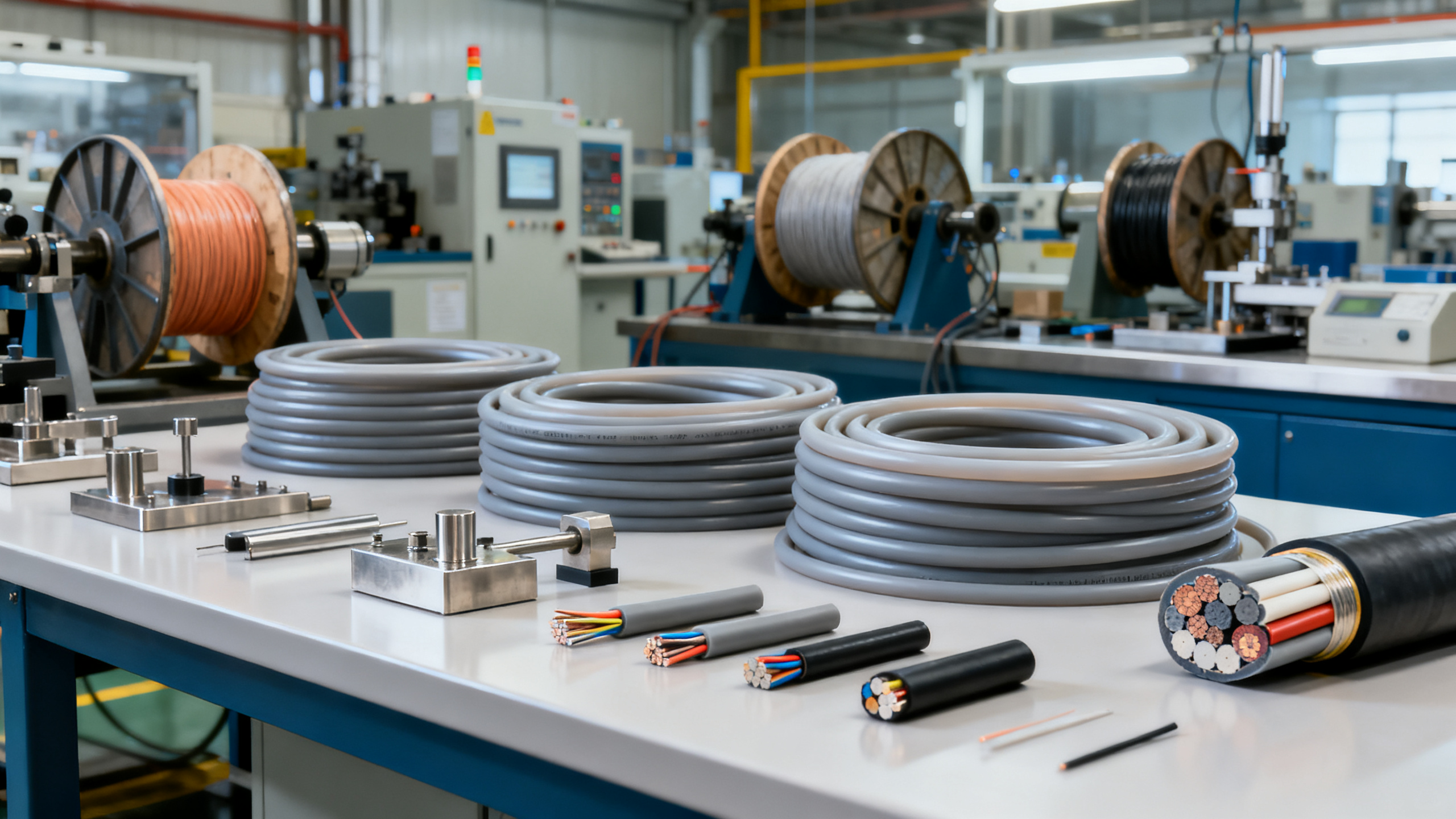
China’s State Administration for Market Regulation (SAMR) announced plans to complete over 1,800 standard revisions and new developments by 2026 — with direct implications for exporters of industrial cables, circuit breakers, and water treatment equipment. Though no specific announcement date is publicly confirmed, the initiative targets ten key sectors including petrochemicals, shipbuilding, automotive, and power generation. This development signals tightening compliance windows for manufacturers supplying global markets, particularly where international standards such as IEC 60502-2:2026, IEC 62271-100:2026, and ISO 24510:2026 are being aligned or adopted into mandatory national requirements.
Event Overview
The State Administration for Market Regulation (SAMR) has stated it will advance the formulation and revision of more than 1,800 standards by 2026 across ten major industries: petrochemicals, shipbuilding, automobiles, power, machinery, electronics, construction materials, light industry, agriculture, and environmental protection. Priority areas include mandatory standards for battery recycling, hazardous chemical storage and transport, special equipment safety, and industrial cables. Specific technical updates referenced include IEC 60502-2:2026 (cable structural requirements), IEC 62271-100:2026 (AFDD diagnostic interface for circuit breakers), and ISO 24510:2026 (biocompatibility of industrial water treatment membrane materials). These updates are expected to affect certification renewal timelines for export-oriented enterprises.
Which Subsectors Are Affected
Direct Exporters
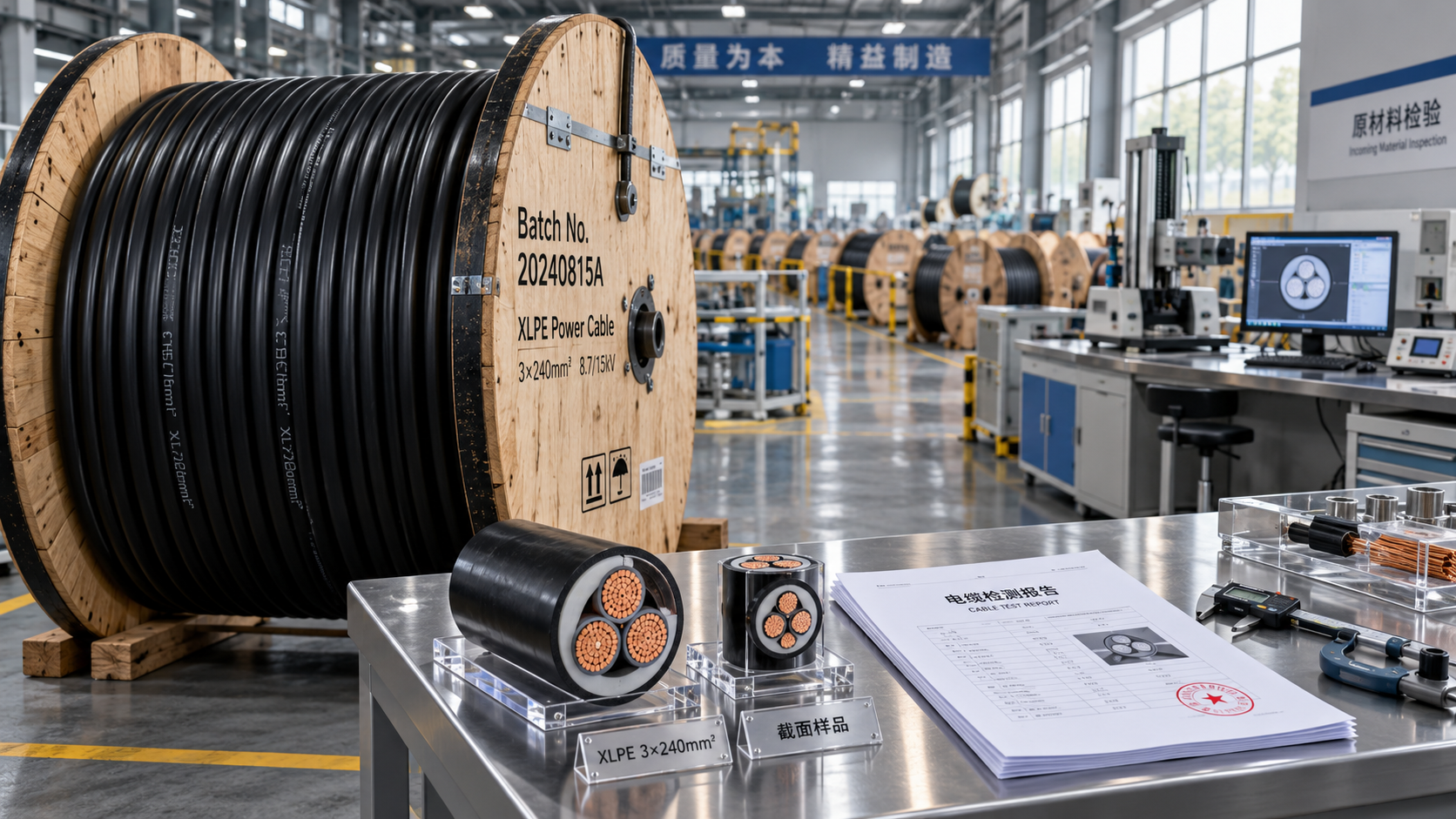
Exporters of industrial cables, low-voltage circuit breakers, and modular water treatment systems face immediate certification revalidation pressure. Because the referenced IEC and ISO standards are being incorporated into China’s mandatory framework, products manufactured in China and shipped overseas may require updated conformity assessments — even if destination-market regulations have not yet changed. This could delay shipments or trigger retesting if suppliers lack documentation demonstrating alignment with the 2026 editions.
Manufacturers & Component Suppliers
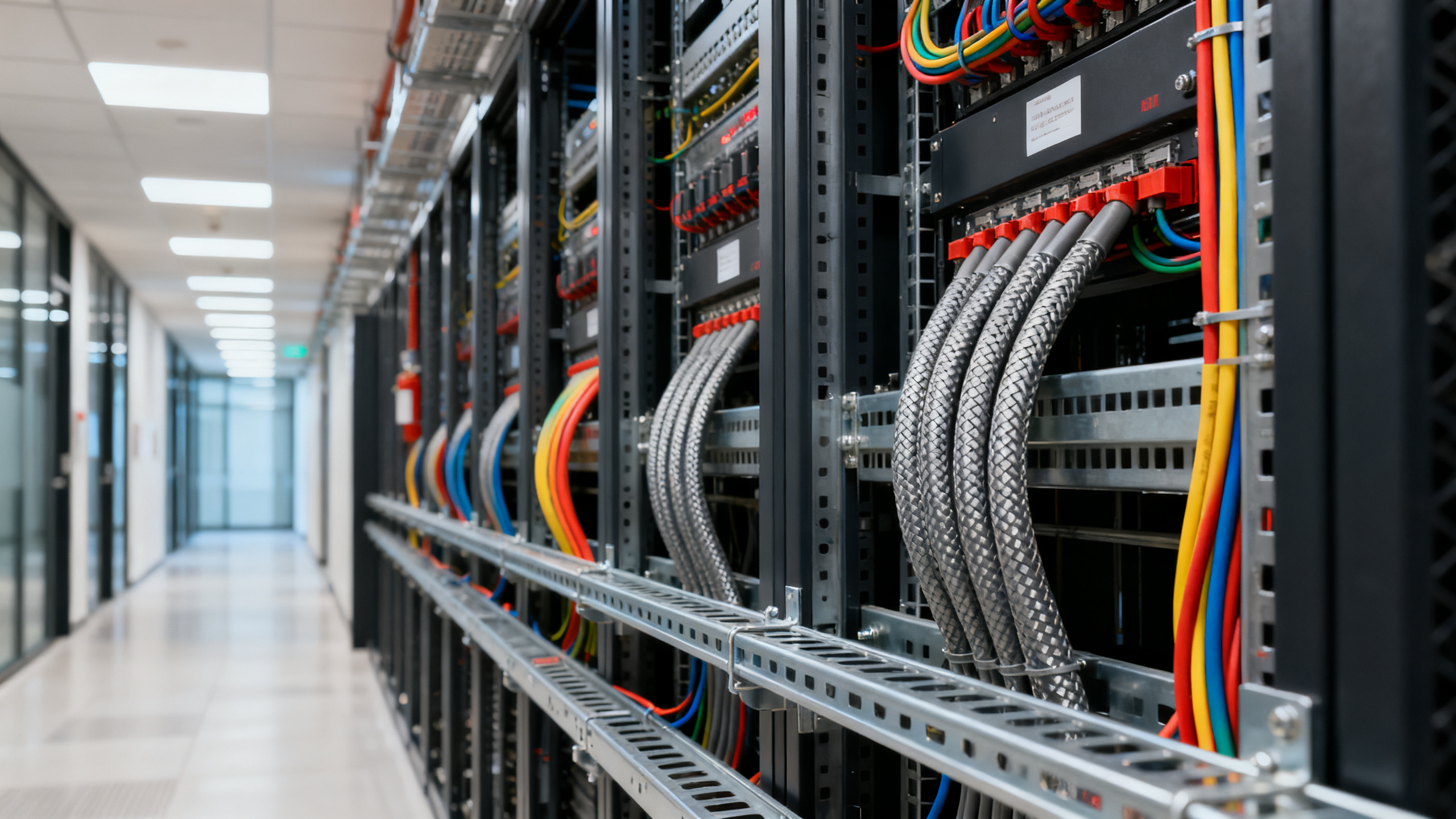
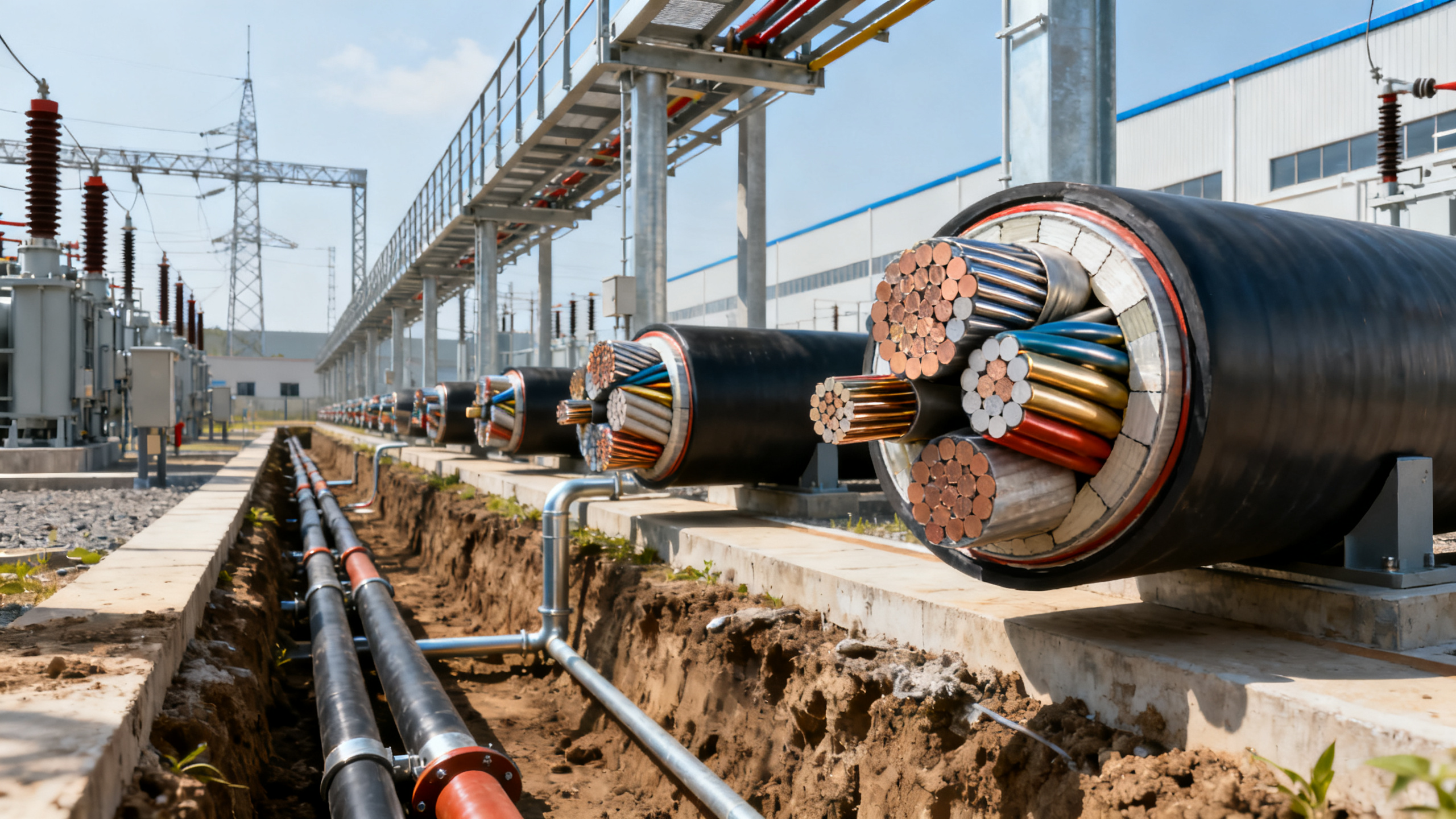
Domestic producers of cable insulation layers, molded breaker housings, and polymeric membrane elements must adapt production specifications and quality control protocols to meet newly codified structural and biocompatibility criteria. For example, IEC 60502-2:2026 introduces revised mechanical endurance tests for armored cables, while ISO 24510:2026 adds extractable substance thresholds for membranes used in potable water applications. Non-compliant raw material batches may become obsolete ahead of full enforcement.
Supply Chain & Certification Service Providers
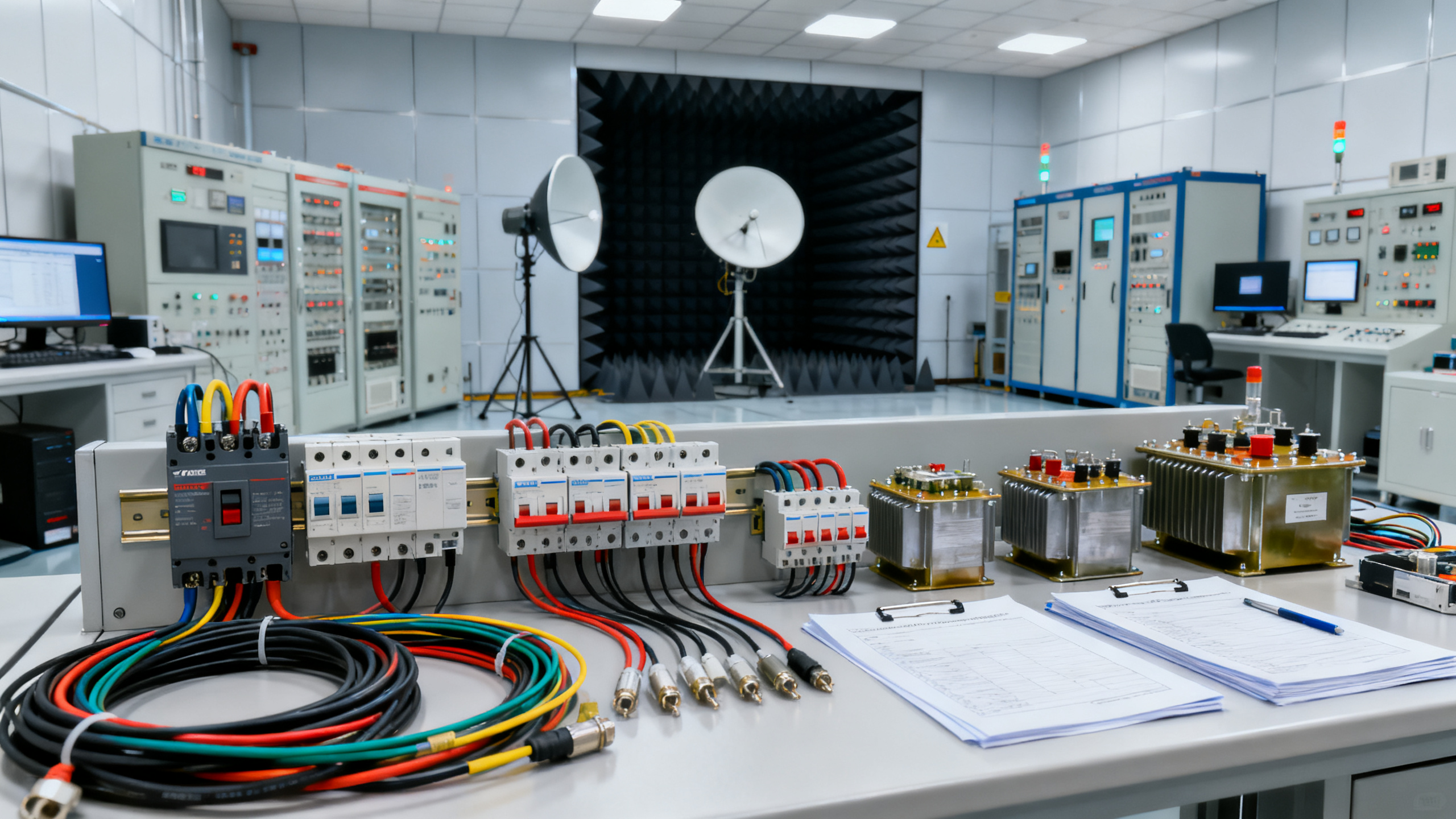
Third-party testing labs, certification bodies, and logistics intermediaries supporting cross-border trade must update their internal checklists, test methodologies, and documentation templates to reflect the 2026 standard references. Delays in lab accreditation upgrades or misalignment between supplier declarations and verified test reports may result in customs holds or buyer rejection — especially in EU, ASEAN, and Middle Eastern markets where harmonized standards are closely monitored.
What Enterprises and Practitioners Should Monitor and Do Now
Track official SAMR implementation roadmaps and draft amendments
SAMR has not yet published phased enforcement dates or transitional provisions for the 1,800+ items. Enterprises should monitor the SAMR website and national standardization platform (www.gb688.cn) for draft public consultations — particularly on the conversion status of IEC 60502-2, IEC 62271-100, and ISO 24510 into GB/T or mandatory GB standards.
Verify supplier readiness for specific 2026-edition clauses — not just certification labels
Overseas buyers should request technical evidence (e.g., test reports citing clause numbers, material declarations per ISO 24510:2026 Annex B) rather than relying solely on updated CB Scheme certificates. For instance, AFDD diagnostic interface compliance under IEC 62271-100:2026 requires firmware-level validation — not just hardware inspection.
Map current product lines against the three cited standards’ scope definitions
Not all cable types fall under IEC 60502-2:2026; only those rated 1 kV–30 kV and intended for fixed installation. Similarly, ISO 24510:2026 applies specifically to membranes used in drinking water treatment — not industrial wastewater reuse. Companies should conduct a scope-based gap assessment before initiating redesign or retesting.
Prepare internal communication protocols for procurement and QA teams
Procurement departments should flag incoming materials requiring traceability to 2026-edition compliance (e.g., halogen-free compound certifications for cables). QA teams should update incoming inspection checklists to include verification of declared standard versions — especially where legacy stock coexists with newly manufactured lots.
Editorial Perspective / Industry Observation
Observably, this initiative reflects a broader shift toward regulatory convergence — where China’s mandatory standard system increasingly mirrors high-ambition international technical baselines, rather than merely referencing them. Analysis shows that the emphasis on battery recycling, hazardous chemical logistics, and biocompatible membranes suggests SAMR is prioritizing lifecycle accountability and human health endpoints — consistent with trends seen in EU Ecodesign and U.S. EPA guidelines. However, this remains a policy signal, not an enforced outcome: no binding timelines or penalty mechanisms have been disclosed. From an industry perspective, the real impact hinges less on the 2026 deadline itself and more on how quickly domestic certification bodies adopt updated test protocols — and whether overseas regulators recognize equivalency with China’s newly aligned GB standards.

Conclusion
Samr’s 2026 standard revision plan does not introduce new product bans or market access barriers — but it does compress the operational runway for exporters reliant on legacy test reports and unverified supplier claims. It is better understood as a synchronization effort: aligning China’s domestic regulatory infrastructure with evolving global technical expectations. For affected enterprises, proactive version-mapping and supplier engagement — rather than reactive compliance — is currently the most operationally resilient approach.
Information Sources
Main source: Public statement issued by the State Administration for Market Regulation (SAMR), as reported in official press channels. No detailed implementation schedule or draft texts have been released as of the latest available information. Continued observation is warranted for SAMR’s forthcoming standard revision plans, public consultation notices, and updates from the Standardization Administration of China (SAC).
Technical Specifications
- Air Handling Unit Supplier Checklist: Performance Data, Lead Times, and SupportAuthor :Environmental Engineering Director
- Buying Fiberglass Water Tanks Wholesale: Compare Quotes and Delivery CostsAuthor :Environmental Engineering Director
- Choosing an XLPE Power Cable Supplier: Test Reports, Traceability, and Lead TimesAuthor :Grid Infrastructure Analyst
Expert Insights

Chief Security Architect
Dr. Thorne specializes in the intersection of structural engineering and digital resilience. He has advised three G7 governments on industrial infrastructure security.
Related Analysis
- Oct 19, 2026Air Handling Unit Supplier Checklist: Performance Data, Lead Times, and SupportAuthor :Environmental Engineering Director
- Oct 18, 2026Buying Fiberglass Water Tanks Wholesale: Compare Quotes and Delivery CostsAuthor :Environmental Engineering Director
- Oct 17, 2026Choosing an XLPE Power Cable Supplier: Test Reports, Traceability, and Lead TimesAuthor :Grid Infrastructure Analyst
Core Sector // 01
Security & Safety
- Choosing an XLPE Power Cable Supplier: Test Reports, Traceability, and Lead TimesAuthor :Grid Infrastructure Analyst

- How to Select XLPO Insulated Solar Cable for UV, Heat, and High-Voltage PV SystemsAuthor :Grid Infrastructure Analyst

- Selecting PTFE Insulated Hookup Wire for High-Temperature Control PanelsAuthor :Grid Infrastructure Analyst

- How Contractors Can Evaluate EPC Sourcing Solutions for Cost, Lead Time, and RiskAuthor :Grid Infrastructure Analyst

- What Drives Silicone Cable Bulk Price in Industrial Orders?Author :Grid Infrastructure Analyst

- EN 61000-6-4:2026 Takes Effect for EU-Bound ControlsAuthor :Grid Infrastructure Analyst

- How to Choose Low Smoke Cables and Wiring for Safer Commercial Buildings?Author :Grid Infrastructure Analyst

- Medium Voltage Armored Cable Selection Guide: Voltage Rating, Armor Type, and InstallationAuthor :Grid Infrastructure Analyst