Turkey’s Industrial Transformer Exports Surge 22.3% in April; Gulf Region Emerges as Key Growth Market
Author
Date Published
Reading Time
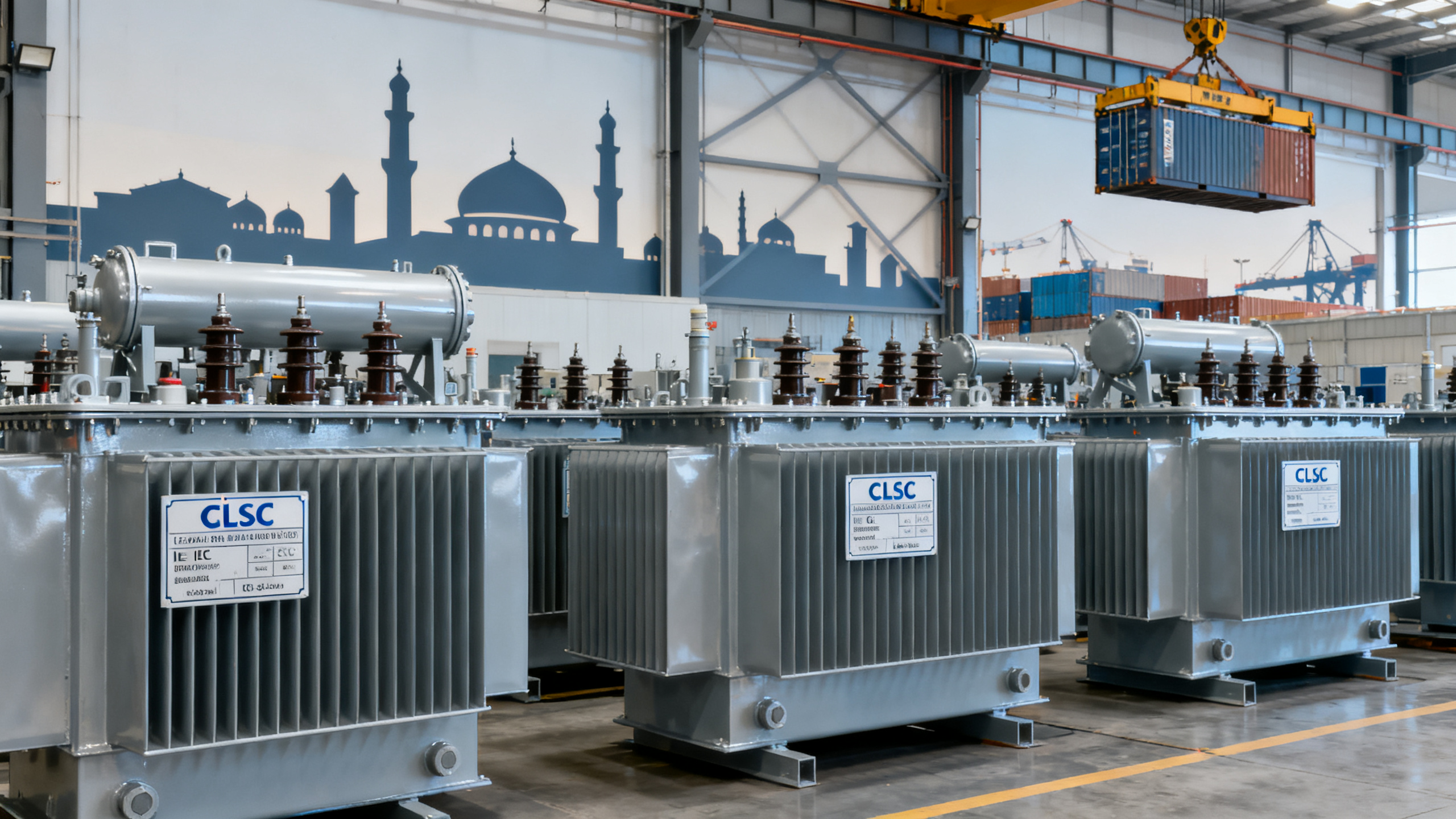
In April 2026, Turkey’s industrial transformer exports rose by 22.3% year-on-year, with the Gulf Cooperation Council (GCC) countries—Saudi Arabia, the United Arab Emirates, and Qatar—accounting for 38.6% of total exports, a record high. This shift reflects strengthened local assembly partnerships supported by stable supply of critical Chinese-sourced components, including grain-oriented silicon steel, epoxy resin casting materials, and intelligent protective relays.
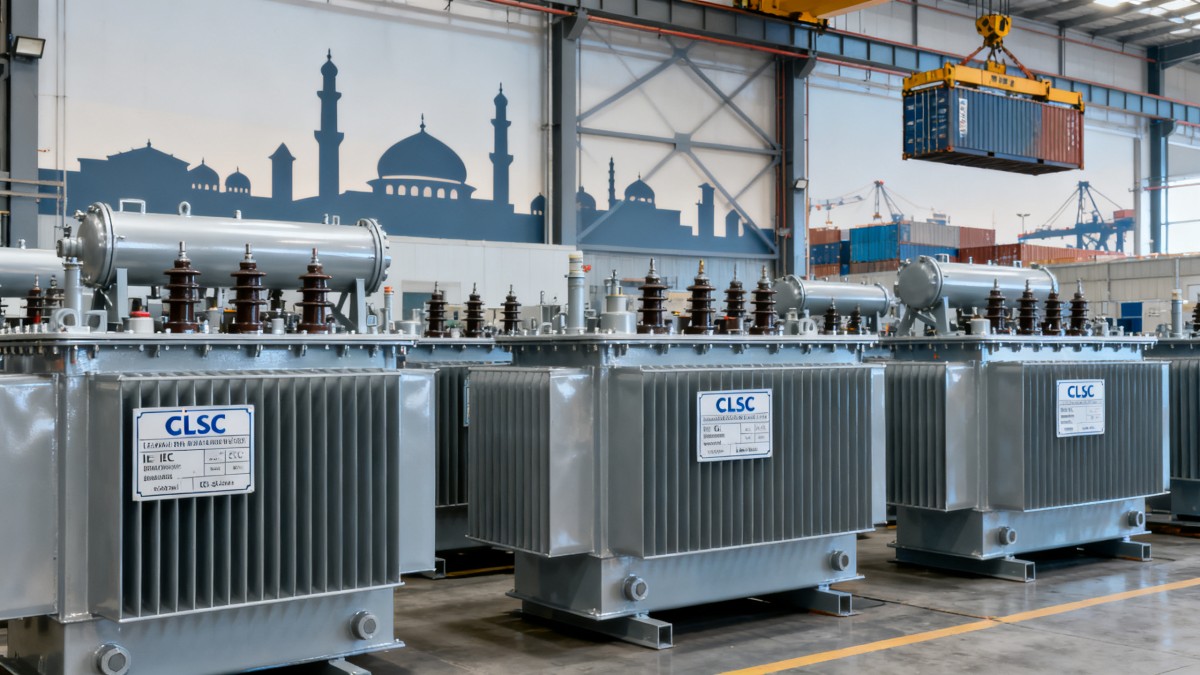
Confirmed Export Data for April 2026
According to data released by the Turkish Statistical Institute on 27 May 2026, Turkey’s industrial transformer export value increased by 22.3% compared to April 2025. Exports to Saudi Arabia, the UAE, and Qatar collectively represented 38.6% of the total, marking the highest share ever recorded for this regional group. The growth occurred during the period from 1 April to 30 April 2026. The underlying driver cited was consistent supply of core components from China and deepened localised assembly collaboration in Turkey.
Impacts Across the Supply Chain
Direct Trading Enterprises
Exporters and international trading firms engaged in power equipment distribution face heightened demand for GCC-compliant transformer packages. Their order intake, documentation preparation (e.g., GCC Conformity Marking requirements), and logistics coordination—especially for temperature-rated and sand-dust-resistant configurations—are directly affected.
Raw Material Procurement Firms
Suppliers of silicon steel, epoxy resins, and relay systems are experiencing more predictable demand signals from Turkish OEMs. Procurement planning must now account for lead-time alignment with Turkish assembly cycles and GCC-specific material certifications (e.g., IEC 60076-11 for dry-type transformers).
Manufacturing & Assembly Operators
Turkish manufacturers performing final assembly, type testing, and CE/GCC marking are under growing pressure to scale capacity while maintaining compliance with both EU and Gulf technical regulations. Calibration of winding processes, partial discharge testing protocols, and thermal class validation require closer attention.
Supply Chain Service Providers
Logistics providers, customs brokers, and certification support agencies must adapt to evolving documentation expectations—including bilingual test reports (English–Arabic), GCC Standardisation Organisation (GSO) conformity declarations, and traceability records aligned with ISO/IEC 17065.
Strategic Priorities for Chinese Component Suppliers
Verify GCC-Specific Certification Pathways
Chinese suppliers of silicon steel, epoxy casting compounds, and smart relays should confirm whether their current product certifications (e.g., UL, IECEx, or CB Scheme reports) are accepted under GSO TR 2019/01 for power transformers—or whether supplementary local testing or G-mark licensing is required.
Align Technical Documentation with Gulf Tender Requirements
Technical bids submitted via Turkish partners increasingly reference GSO IEC 60076 series standards and local grid codes (e.g., Saudi Electricity Company SEC-02, DEWA DG-01). Suppliers must ensure datasheets, test certificates, and environmental declarations meet these specifications—not just CE or CCC benchmarks.
Strengthen Traceability and After-Sales Support Infrastructure
As Turkish OEMs assume greater responsibility for field commissioning and warranty claims in the Gulf, component-level batch traceability, accelerated failure analysis protocols, and Arabic-language technical support become operational prerequisites—not optional enhancements.
Industry Observation: A Shift Toward Regional Value-Added Integration
Analysis shows that Turkey’s role is evolving from a low-cost manufacturing hub into a regional integration platform for high-value power equipment targeting the Gulf. What deserves closer attention is how this model reduces direct export barriers for Chinese upstream suppliers—effectively transforming them into ‘enablers’ rather than ‘exporters’. However, it also shifts compliance accountability: while Turkish OEMs hold formal certification responsibility, upstream suppliers increasingly influence conformance through material selection, process control, and documentation integrity. From an industry perspective, this trend accelerates the convergence of GCC, IEC, and ISO regulatory expectations—but does not eliminate technical divergence in testing depth or local interpretation.
Key Takeaway for Stakeholders
This development underscores a strategic inflection point: access to fast-growing Gulf markets is no longer contingent solely on direct export capability, but increasingly on participation in integrated, standards-aligned regional value chains. Success hinges less on tariff rates and more on demonstrable, auditable alignment across design, material sourcing, testing, and post-delivery support frameworks.
Source Attribution & Verification Notes
This article is based exclusively on the user-provided information: title, event timeframe (1–30 April 2026), and summary text citing the Turkish Statistical Institute’s 27 May 2026 release. No external data, policy documents, or official links were referenced or fabricated. Specific official source links were not provided in the input and should be verified continuously. Stakeholders are advised to monitor upcoming updates from the Gulf Standardisation Organisation (GSO), the Turkish Ministry of Trade, and national electricity authorities regarding implementation timelines for updated transformer conformity assessment procedures, tender specification revisions, and feedback from ongoing field deployments.
Technical Specifications
- How to Select Electronic Hotel Key Card Locks for Guest Rooms and Staff AreasAuthor :Safety Compliance Lead
- How to Select Lab Instruments for Reliable Chemical Analysis WorkflowsAuthor :Precision Metrology Expert
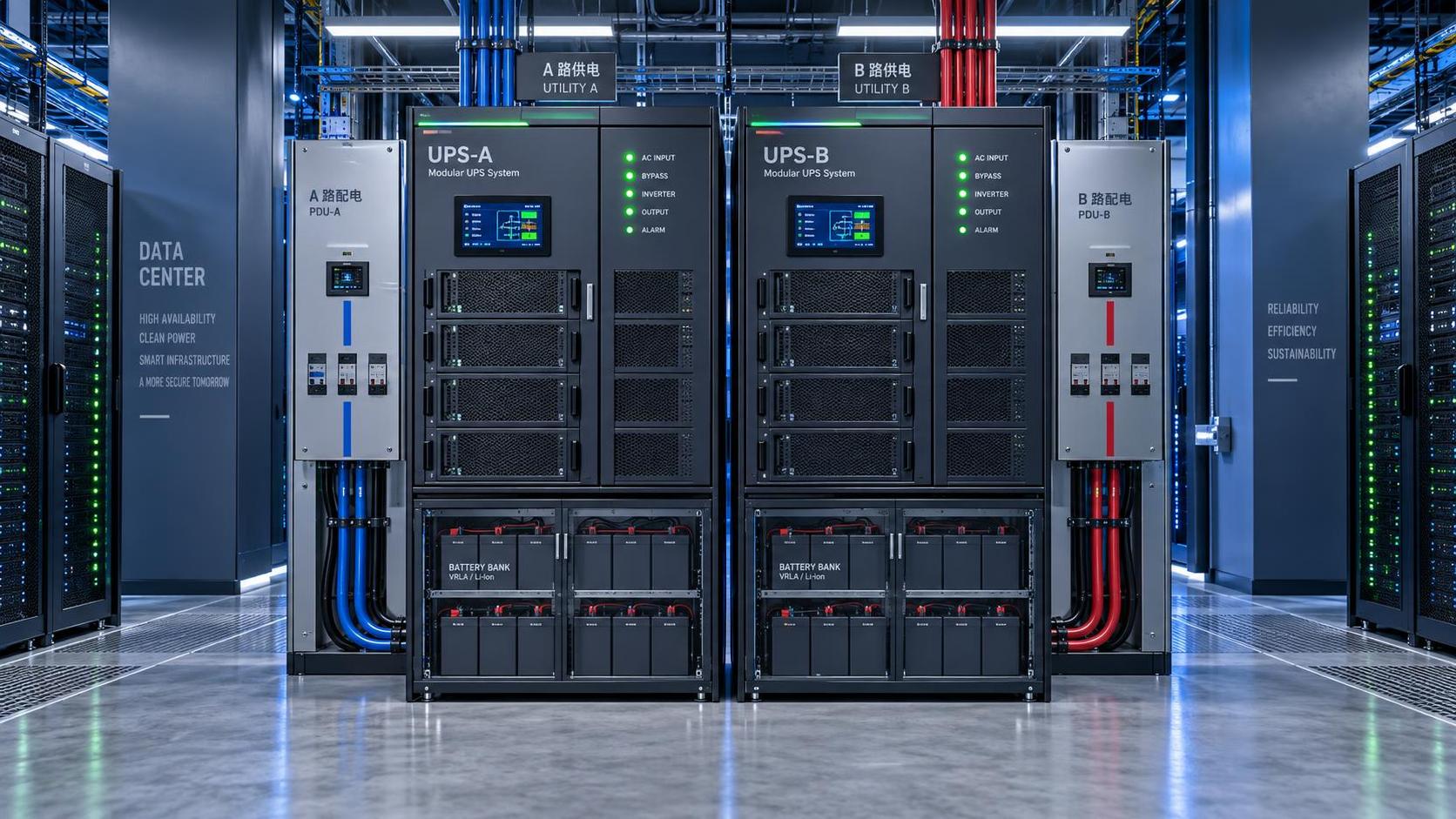
- How to Size a UPS for Server Rooms: Load, Runtime, and Redundancy FactorsAuthor :Grid Infrastructure Analyst
Expert Insights

Chief Security Architect
Dr. Thorne specializes in the intersection of structural engineering and digital resilience. He has advised three G7 governments on industrial infrastructure security.
Related Analysis
- Sep 17, 2026How to Select Electronic Hotel Key Card Locks for Guest Rooms and Staff AreasAuthor :Safety Compliance Lead
- Sep 16, 2026How to Select Lab Instruments for Reliable Chemical Analysis WorkflowsAuthor :Precision Metrology Expert
- Sep 15, 2026How to Size a UPS for Server Rooms: Load, Runtime, and Redundancy FactorsAuthor :Grid Infrastructure Analyst
Core Sector // 01
Security & Safety
- How to Select Electronic Hotel Key Card Locks for Guest Rooms and Staff AreasAuthor :Safety Compliance Lead

- How to Select Lab Instruments for Reliable Chemical Analysis WorkflowsAuthor :Precision Metrology Expert

- How to Size a UPS for Server Rooms: Load, Runtime, and Redundancy FactorsAuthor :Grid Infrastructure Analyst

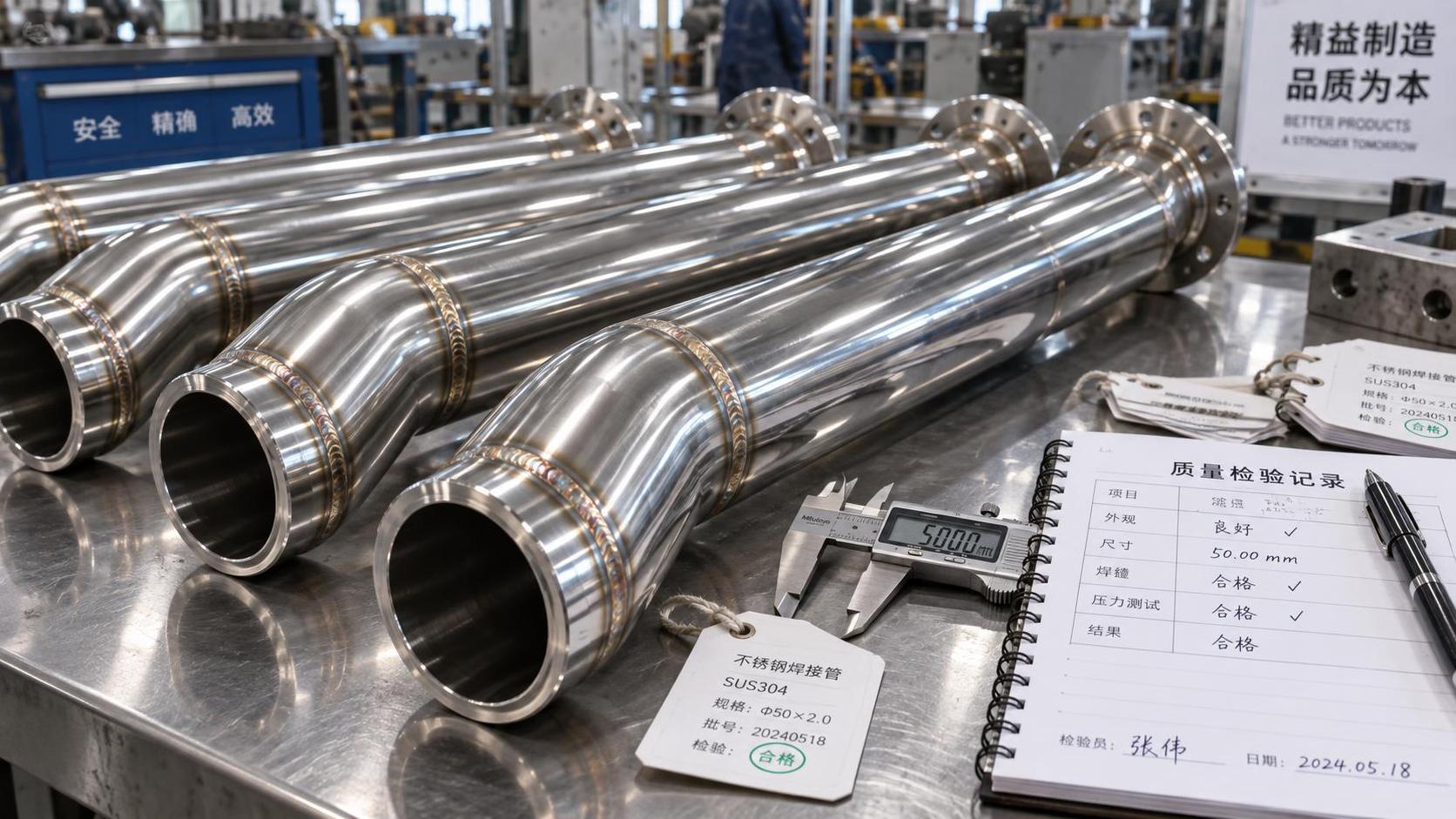
- Stainless Steel Welded Tube Applications: Matching Tube Supply to Fabrication NeedsAuthor :Heavy Industry Strategist

- Selecting Low-Friction Pneumatic Seals for High-Cycle, Low-Pressure CylindersAuthor :Heavy Industry Strategist

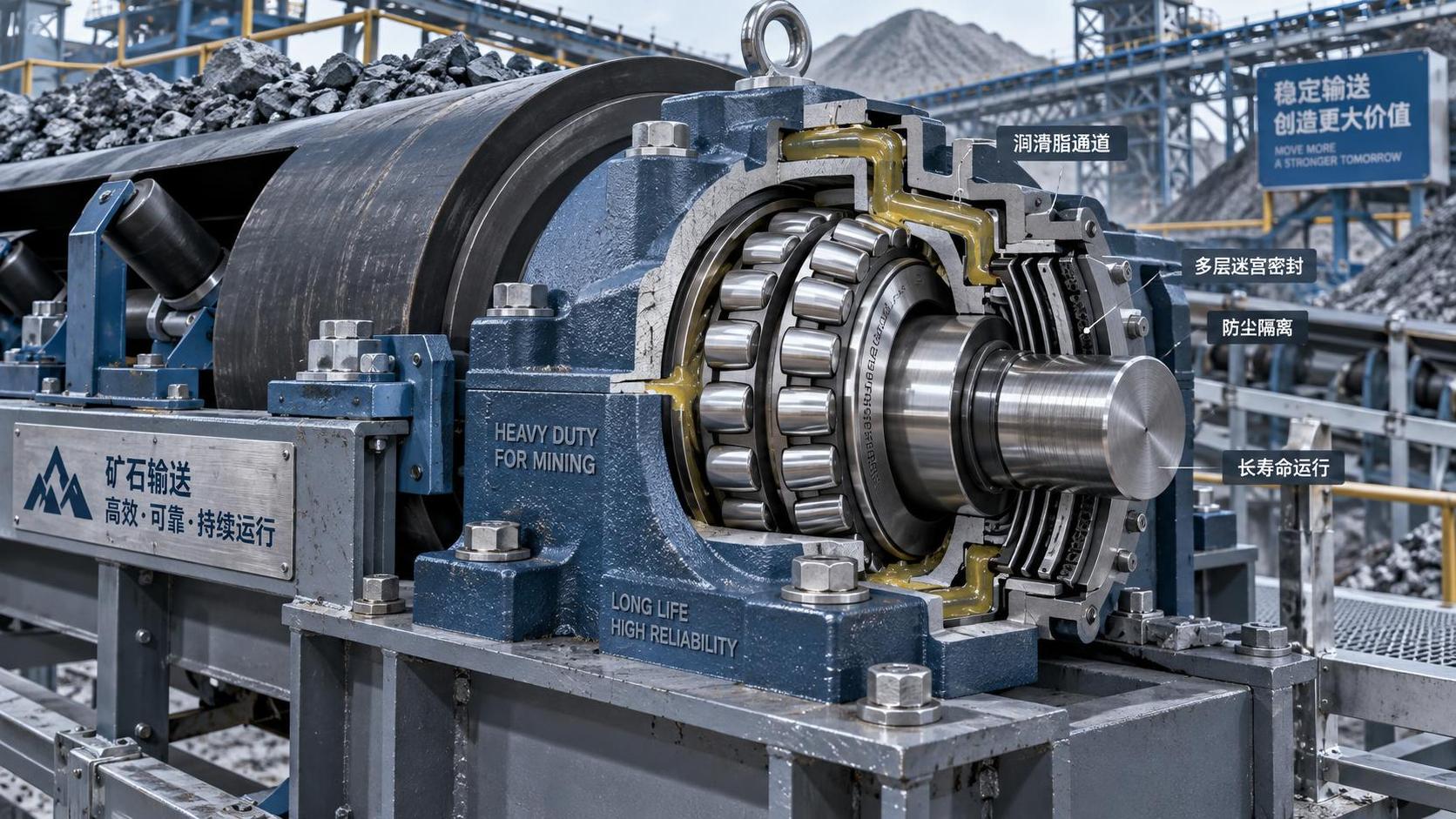
- Selecting Spherical Roller Bearings for Mining: Load, Contamination, and Service LifeAuthor :Heavy Industry Strategist

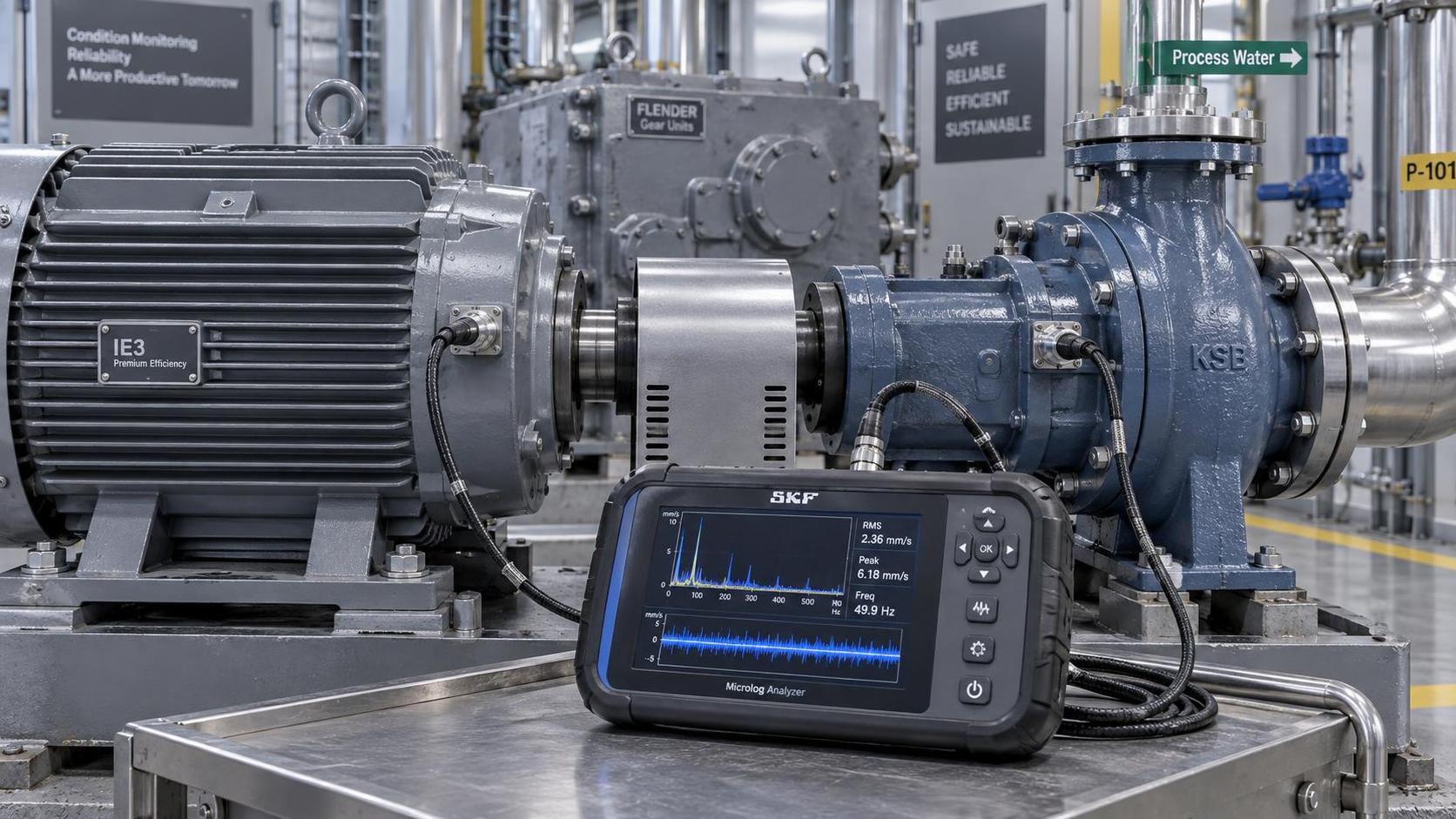
- What to Check When Sourcing Vibration Meters Wholesale for Industrial MaintenanceAuthor :Precision Metrology Expert

- How to Size a Wafer Butterfly Valve for HVAC Chilled-Water and Heating LoopsAuthor :Environmental Engineering Director