Turkey’s April Exports Surge 22.3%; Power Equipment Sales to Gulf Soar
Author
Date Published
Reading Time
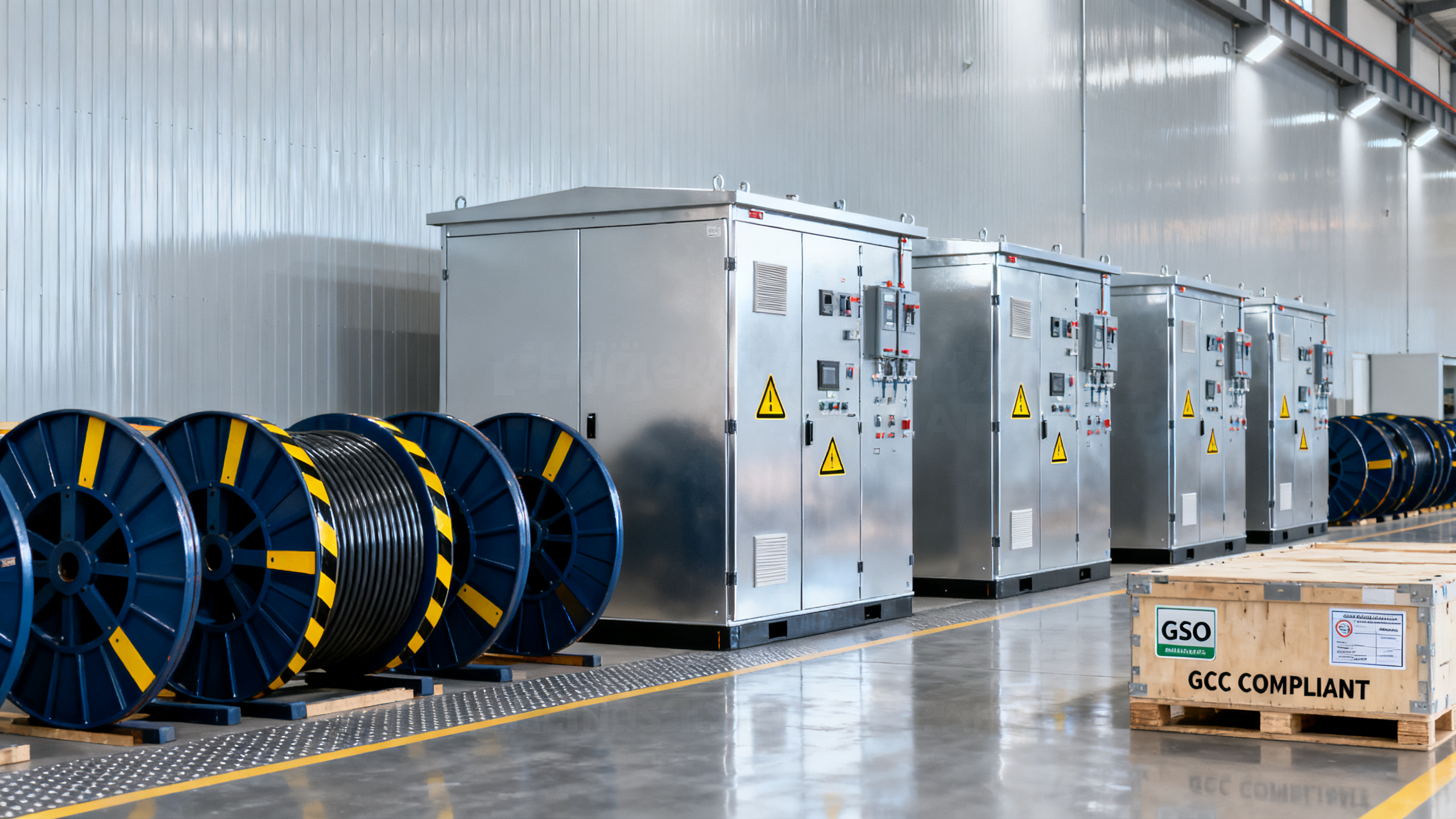
On May 26, 2026, Türkiye’s national statistics authority reported a 22.3% year-on-year increase in April export value — driven notably by strong growth in power infrastructure products destined for Gulf markets. This development reflects shifting regional procurement strategies amid heightened maritime uncertainty in the Strait of Hormuz, with implications for global supply chains serving energy and industrial projects.
Confirmed Export Performance Data
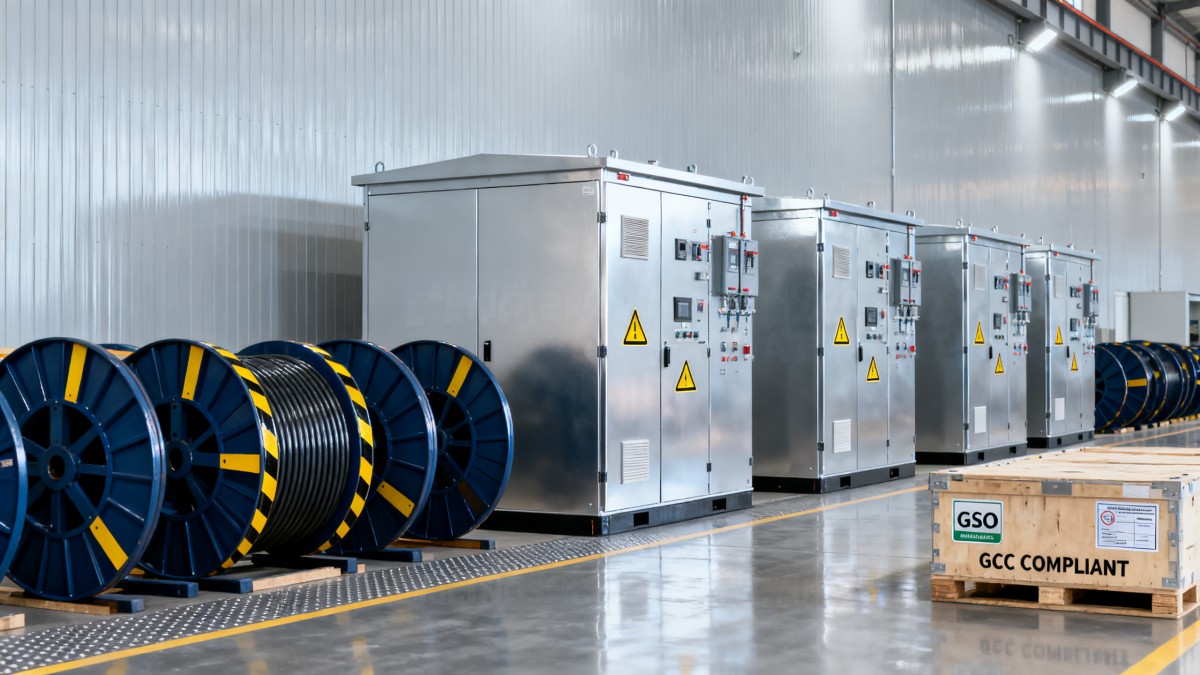
According to official data released by Türkiye Statistical Institute on May 26, 2026, total exports in April 2026 rose 22.3% year-on-year. Exports of Transformers & Switchgears and Cables & Wiring to Saudi Arabia and the United Arab Emirates increased by more than 40% compared to April 2025. The Strait of Hormuz instability has accelerated local sourcing mandates for regional infrastructure projects.
Impact Across Supply Chain Roles
Direct trading enterprises
These firms face expanded opportunities for exporting power equipment via Turkish logistics hubs or joint ventures, but must now align with Turkish customs procedures, Gulf technical specifications (e.g., SASO, ESMA), and dual-country documentation requirements.
Raw material procurement enterprises
Increased demand for copper, electrical steel, and insulating materials tied to Gulf-bound transformer and switchgear production requires tighter coordination with Turkish manufacturing partners and earlier lead-time planning to meet accelerated delivery windows.
Contract manufacturing enterprises
Manufacturers engaged in OEM or co-production arrangements with Turkish firms must verify compliance with both Turkish export controls and Gulf market准入 requirements — including type testing under IEC 60076 and IEC 62271, plus bilingual technical documentation.
Supply chain service providers
Logistics, certification support, and customs brokerage services are seeing rising demand for Turkey–GCC corridor expertise — particularly for managing combined CE+GSO conformity assessments, transit warehousing, and shipment tracking across multiple jurisdictions.
Strategic Priorities for Market Participants
Validate dual-market compliance pathways
Confirm whether existing product certifications (e.g., CE, ISO 9001) can be leveraged for GSO Mark acceptance via Turkish-based conformity assessment bodies — especially where joint manufacturing is pursued.
Assess technical specification alignment early
Review tender documents from Saudi Aramco, ADNOC, and other Gulf utilities for updated requirements on short-circuit ratings, environmental class (e.g., IP55/IP66), and harmonic distortion limits — and verify compatibility with current production lines.
Strengthen Turkish partner due diligence
Evaluate potential Turkish collaborators not only for production capacity but also for proven experience in GCC project execution, after-sales service infrastructure, and familiarity with local content (ICV) reporting frameworks.
Reassess delivery timelines and inventory buffers
Given compressed project schedules triggered by regional localization policies, re-evaluate lead times for critical components (e.g., high-voltage bushings, SF6-free switching mechanisms) and consider strategic pre-positioning in Turkish bonded warehouses.
Industry Observation: Beyond Short-Term Growth
Analysis shows this export surge is less a standalone trend and more an indicator of structural recalibration in Middle Eastern infrastructure procurement. What deserves closer attention is how Gulf nations’ evolving localization policies — accelerated by geopolitical risk — are reshaping third-country market access models. From an industry perspective, the Turkish gateway is gaining relevance not just as a logistics node, but as a platform for regulatory bridging, certification harmonization, and modular manufacturing. Observably, manufacturers that treat this as a temporary arbitrage opportunity may overlook longer-term investments needed in Turkish technical capacity, bilingual engineering support, and real-time compliance monitoring systems.
Key Takeaway for Stakeholders
This data point signals a meaningful inflection in how power infrastructure products reach Gulf markets — moving from direct export toward hybrid models involving Turkish co-manufacturing, certification facilitation, and localized after-sales networks. Success will depend less on price competitiveness alone and more on integrated readiness across regulatory, technical, and logistical dimensions.
Source Attribution
This article was generated based on the provided title, event date (May 26, 2026), and summary. Common authoritative sources for such trade and regulatory developments include the Türkiye Statistical Institute, Gulf Standardization Organization (GSO), Saudi Standards, Metrology and Quality Organization (SASO), and UAE’s Emirates Authority for Standardization and Metrology (ESMA). Specific official source links were not provided in the input and should be verified continuously. Ongoing monitoring is recommended for updates on Turkish export licensing procedures, GSO Mark implementation guidelines, and tender-specific technical annexes issued by major Gulf utilities.
Technical Specifications
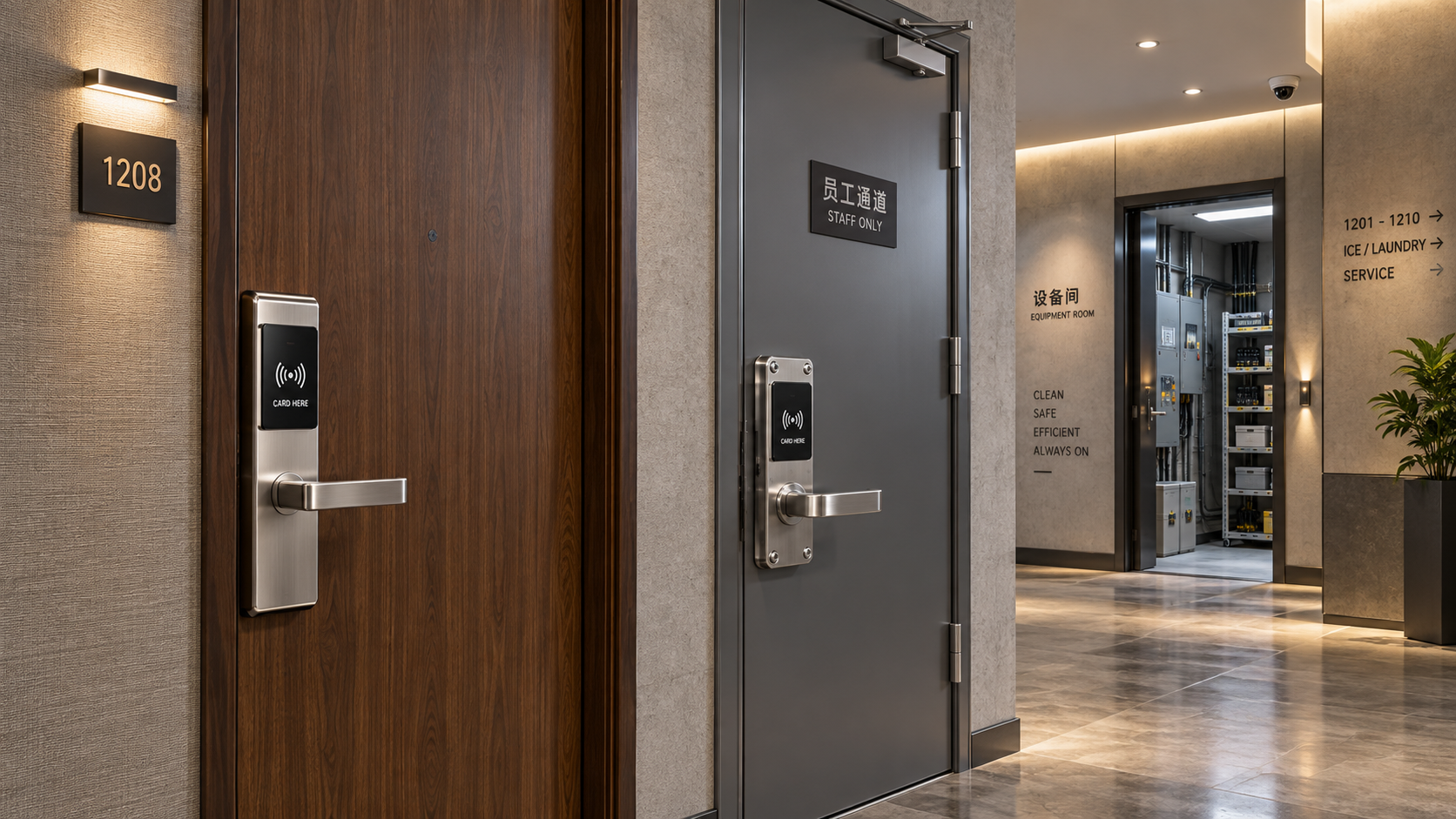
- How to Select Electronic Hotel Key Card Locks for Guest Rooms and Staff AreasAuthor :Safety Compliance Lead
- How to Select Lab Instruments for Reliable Chemical Analysis WorkflowsAuthor :Precision Metrology Expert
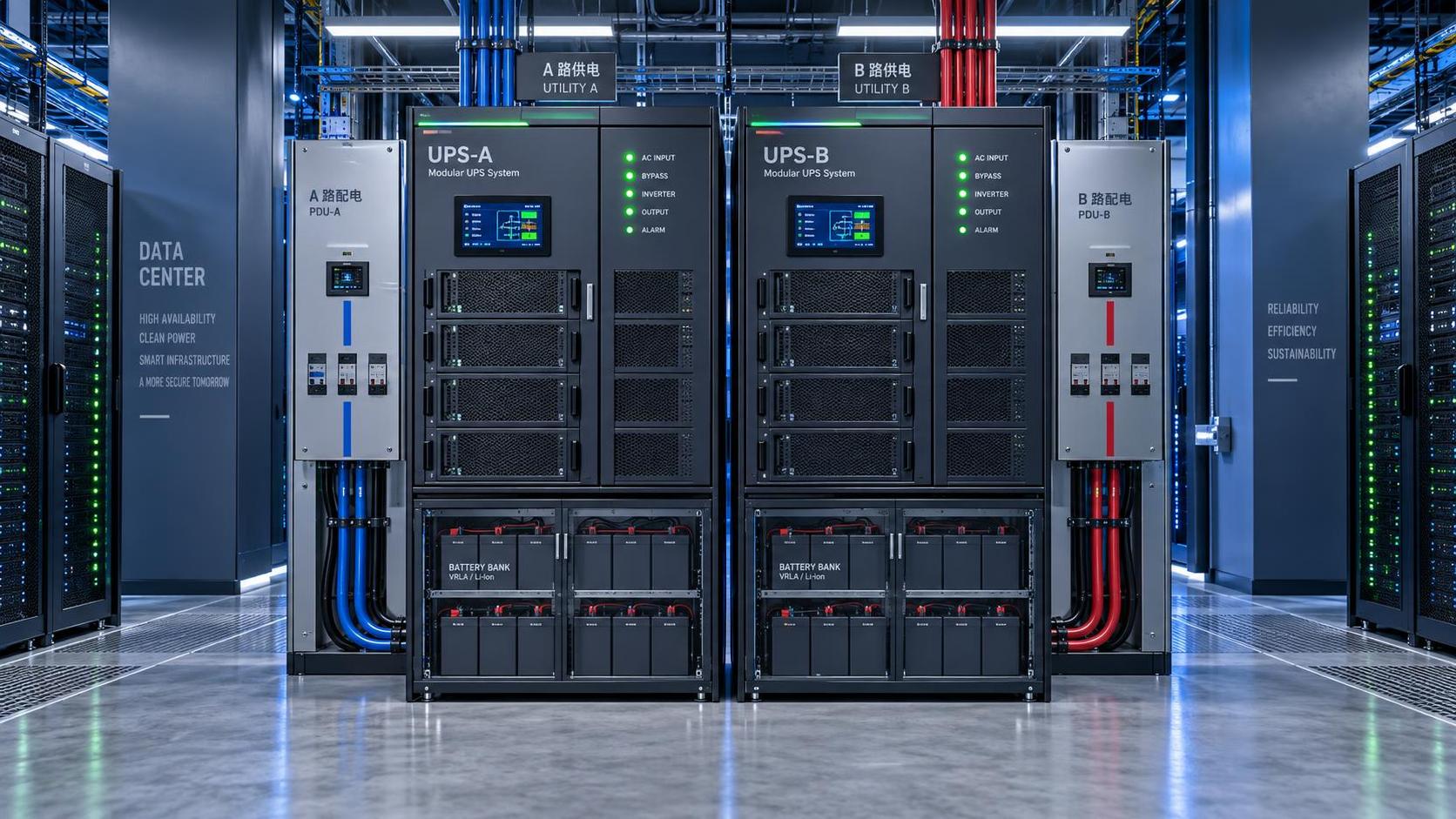
- How to Size a UPS for Server Rooms: Load, Runtime, and Redundancy FactorsAuthor :Grid Infrastructure Analyst
Expert Insights

Chief Security Architect
Dr. Thorne specializes in the intersection of structural engineering and digital resilience. He has advised three G7 governments on industrial infrastructure security.
Related Analysis
- Sep 17, 2026How to Select Electronic Hotel Key Card Locks for Guest Rooms and Staff AreasAuthor :Safety Compliance Lead
- Sep 16, 2026How to Select Lab Instruments for Reliable Chemical Analysis WorkflowsAuthor :Precision Metrology Expert
- Sep 15, 2026How to Size a UPS for Server Rooms: Load, Runtime, and Redundancy FactorsAuthor :Grid Infrastructure Analyst
Core Sector // 01
Security & Safety
- How to Select Electronic Hotel Key Card Locks for Guest Rooms and Staff AreasAuthor :Safety Compliance Lead

- How to Select Lab Instruments for Reliable Chemical Analysis WorkflowsAuthor :Precision Metrology Expert

- How to Size a UPS for Server Rooms: Load, Runtime, and Redundancy FactorsAuthor :Grid Infrastructure Analyst

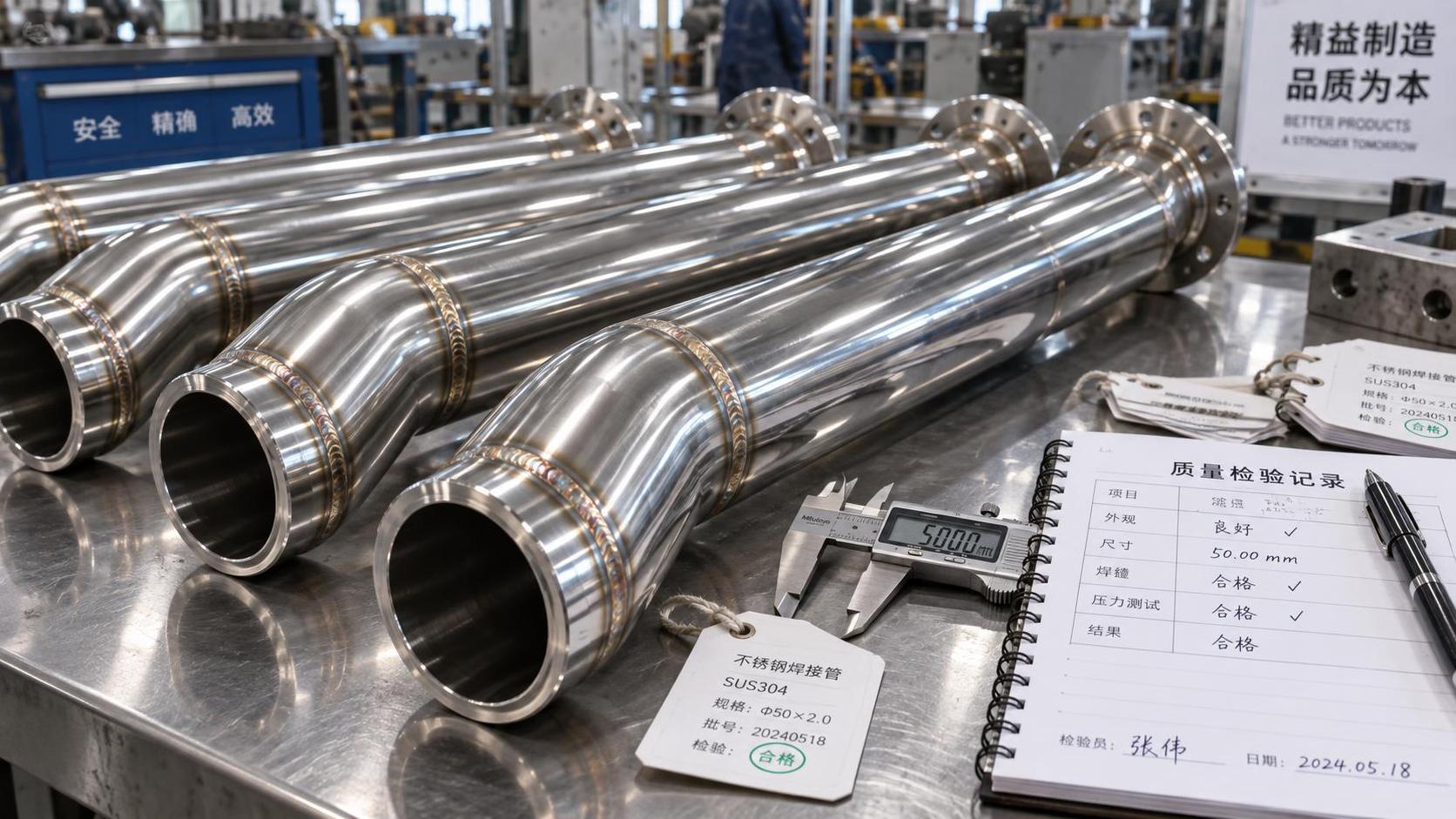
- Stainless Steel Welded Tube Applications: Matching Tube Supply to Fabrication NeedsAuthor :Heavy Industry Strategist

- Selecting Low-Friction Pneumatic Seals for High-Cycle, Low-Pressure CylindersAuthor :Heavy Industry Strategist

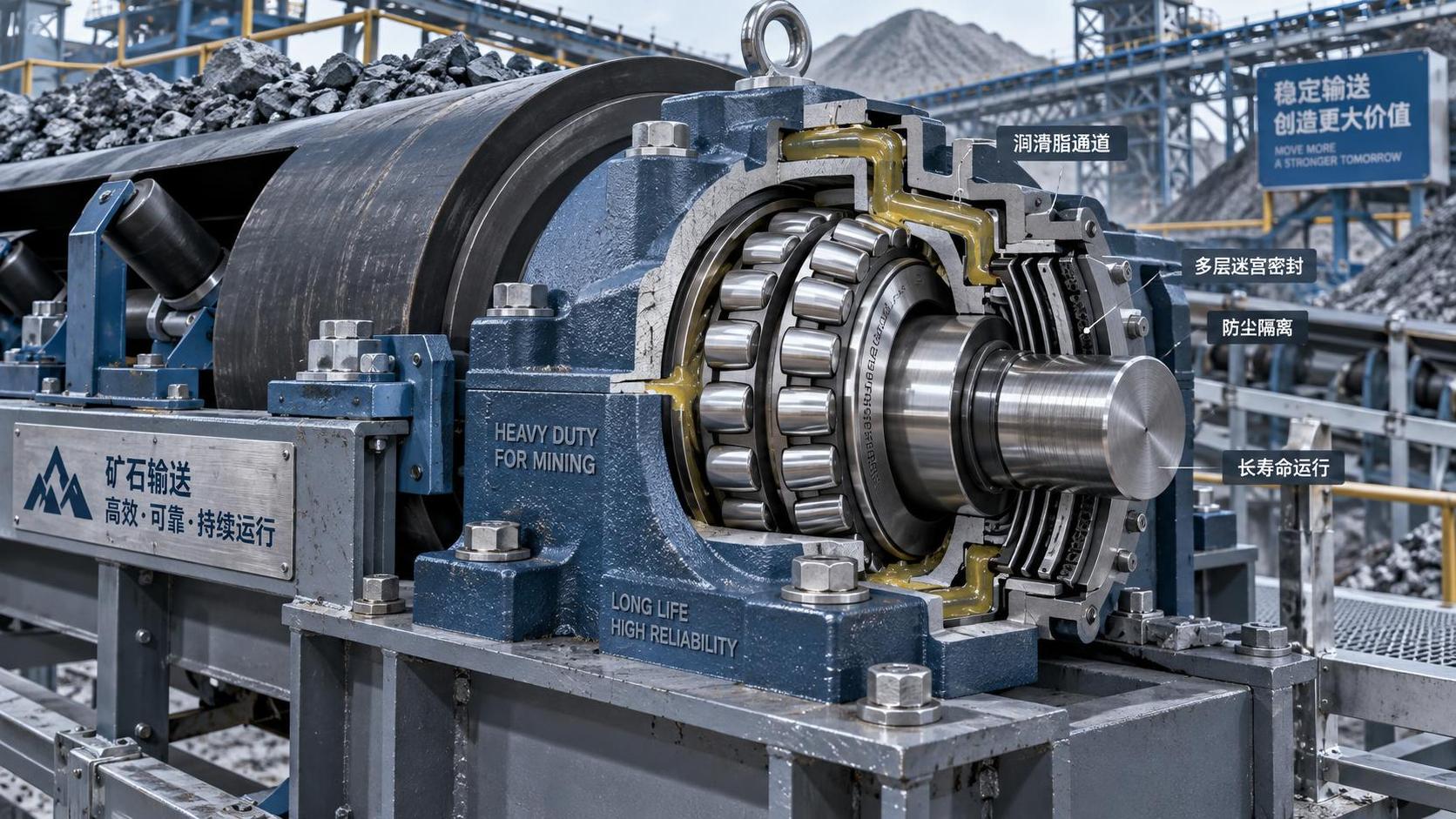
- Selecting Spherical Roller Bearings for Mining: Load, Contamination, and Service LifeAuthor :Heavy Industry Strategist

- What to Check When Sourcing Vibration Meters Wholesale for Industrial MaintenanceAuthor :Precision Metrology Expert

- How to Size a Wafer Butterfly Valve for HVAC Chilled-Water and Heating LoopsAuthor :Environmental Engineering Director