South Korea Adjusts Anti-Dumping Duties on Chinese PET Film, Impacting Optical & Measurement Equipment Packaging Costs
Author
Date Published
Reading Time

On March 18, 2026, Korea’s Customs Service announced a review of anti-dumping duties on polyethylene terephthalate (PET) film originating from China—introducing differentiated tariff rates that directly affect procurement costs and supply continuity for industrial optics, testing & measurement equipment, and laboratory analytics sectors.

Official Duty Adjustment Announced by Korean Customs
On March 18, 2026, Korea’s Customs Service issued a formal review notice confirming a revised anti-dumping duty regime for PET film imported from China. The adjustment applies differential rates: certain exporters qualify for reduced duties, while others retain previously imposed high-rate levies. PET film is widely used in protective films for industrial optics lenses, dust covers for testing & measurement instruments, and sealed carrier slides in laboratory and analytics applications. Importers must verify whether their PET film suppliers appear on the list of entities granted duty reductions; failure to do so may result in higher customs clearance costs and unpredictable delivery timelines.
Supply Chain Impacts Across Key Stakeholder Groups
Direct Trading Enterprises
Importers and distributors face immediate cost recalculations and documentation verification burdens. Duty classification now depends on supplier-specific eligibility—not product category alone—requiring updated customs declarations and traceability records for each shipment.
Raw Material Procurement Teams
Purchasing departments must cross-check supplier status against the official duty reduction list before placing orders. Sourcing decisions can no longer rely solely on price or technical specifications; tariff eligibility has become a mandatory compliance parameter.
Manufacturing Firms
Producers of optical components and precision measurement devices may experience input cost volatility. Fluctuations in PET film pricing—driven by divergent duty application—could pressure margin stability and necessitate periodic BOM (bill of materials) reassessments.
Supply Chain Service Providers
Logistics and customs brokerage firms must update internal tariff databases and advisory protocols. Supporting clients with accurate origin verification, certificate-of-origin validation, and post-clearance audit readiness becomes critical amid heightened scrutiny.
Actionable Steps for Affected Businesses
Verify Supplier Duty Eligibility Without Delay
Confirm whether your PET film supplier is named in the Korean Customs Service’s published list of duty-reduced exporters. Relying on historical classification or third-party assurances is insufficient under the new differentiated framework.
Review and Update Procurement Contracts
Amend sourcing agreements to include clauses addressing tariff liability allocation, origin documentation requirements, and contingency provisions for duty-related delays or cost increases.
Assess Impact on Product Costing and Delivery Planning
Evaluate how variable PET film costs influence landed pricing for end products—particularly for export-bound optical assemblies and analytical consumables—and adjust lead-time buffers accordingly.
Strengthen Supplier Qualification Documentation
Maintain auditable evidence of supplier origin certification, production traceability, and customs compliance history—not only for current shipments but also as preparatory groundwork for future regulatory reviews.
Industry Perspective: A Shift Toward Supplier-Specific Trade Compliance
Analysis shows this revision marks a strategic pivot from broad-based trade measures toward granular, entity-level enforcement. It is more appropriate to understand this as an emerging global trend—where tariff outcomes increasingly hinge on individual exporter conduct, documentation rigor, and verifiable production practices—not just national origin. Observably, such frameworks raise the bar for supply chain transparency and elevate the operational weight of customs compliance within procurement and engineering functions.
Strategic Takeaway for Technology-Intensive Manufacturing
This adjustment underscores that materials critical to high-precision applications—though seemingly peripheral—are now subject to targeted trade policy levers. For manufacturers in industrial optics and measurement instrumentation, proactive tariff intelligence and supplier-aligned compliance planning are no longer optional enhancements but foundational elements of resilient sourcing strategy.
Source Attribution and Monitoring Guidance
This article was generated exclusively from the provided title, event date (March 18, 2026), and summary. Specific official source links were not provided in the input and should be verified continuously. Stakeholders are advised to monitor subsequent notices from Korea’s Customs Service regarding implementation details, list updates, and administrative guidance. Ongoing observation is recommended for related developments—including tender specification revisions in public procurement, industry association advisories, and cross-border logistics service bulletins.
Technical Specifications
- How to Select Electronic Hotel Key Card Locks for Guest Rooms and Staff AreasAuthor :Safety Compliance Lead
- How to Select Lab Instruments for Reliable Chemical Analysis WorkflowsAuthor :Precision Metrology Expert
- How to Size a UPS for Server Rooms: Load, Runtime, and Redundancy FactorsAuthor :Grid Infrastructure Analyst
Expert Insights

Chief Security Architect
Dr. Thorne specializes in the intersection of structural engineering and digital resilience. He has advised three G7 governments on industrial infrastructure security.
Related Analysis
- Sep 17, 2026How to Select Electronic Hotel Key Card Locks for Guest Rooms and Staff AreasAuthor :Safety Compliance Lead
- Sep 16, 2026How to Select Lab Instruments for Reliable Chemical Analysis WorkflowsAuthor :Precision Metrology Expert
- Sep 15, 2026How to Size a UPS for Server Rooms: Load, Runtime, and Redundancy FactorsAuthor :Grid Infrastructure Analyst
Core Sector // 01
Security & Safety
- How to Select Electronic Hotel Key Card Locks for Guest Rooms and Staff AreasAuthor :Safety Compliance Lead

- How to Select Lab Instruments for Reliable Chemical Analysis WorkflowsAuthor :Precision Metrology Expert

- How to Size a UPS for Server Rooms: Load, Runtime, and Redundancy FactorsAuthor :Grid Infrastructure Analyst

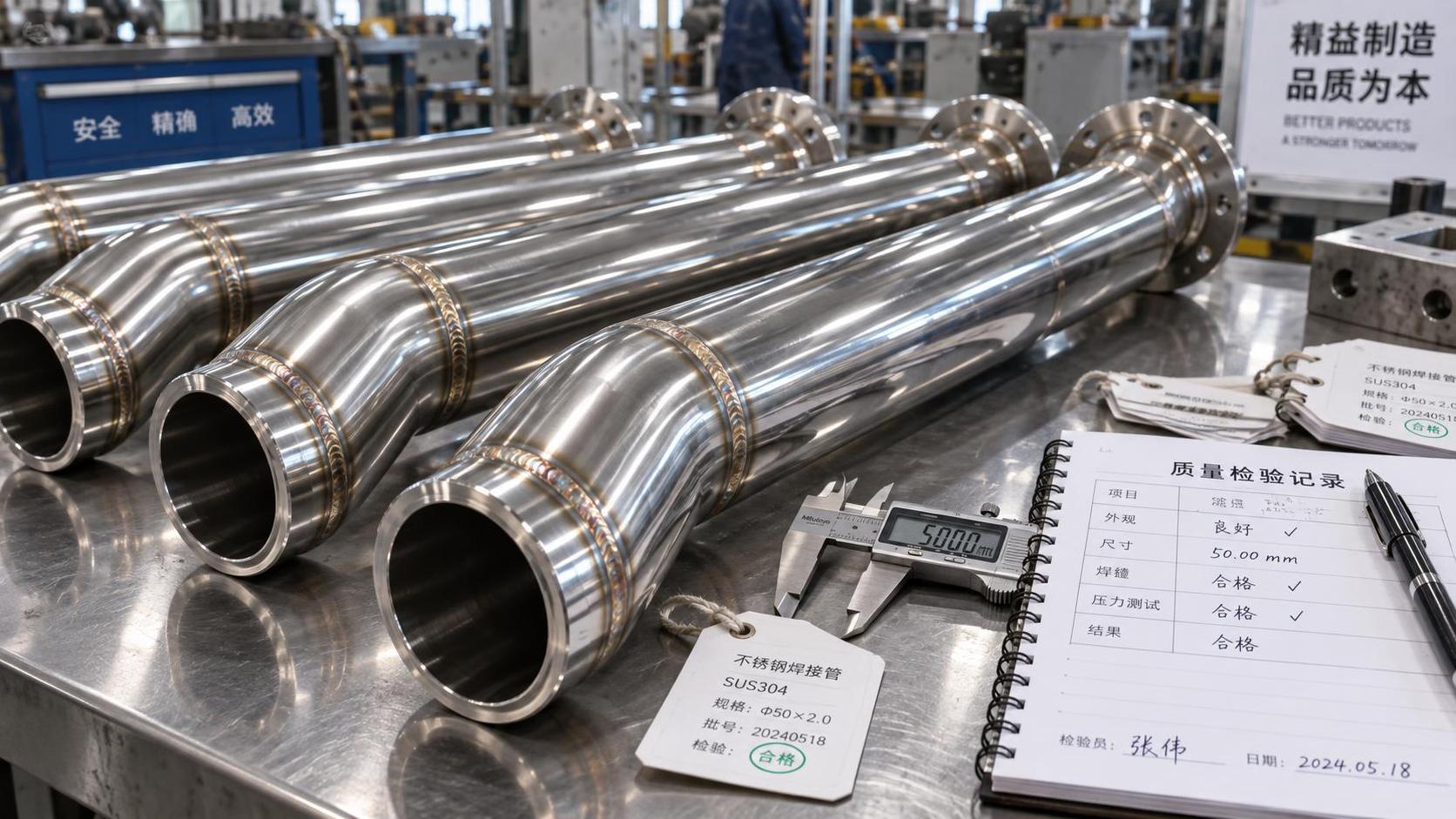
- Stainless Steel Welded Tube Applications: Matching Tube Supply to Fabrication NeedsAuthor :Heavy Industry Strategist

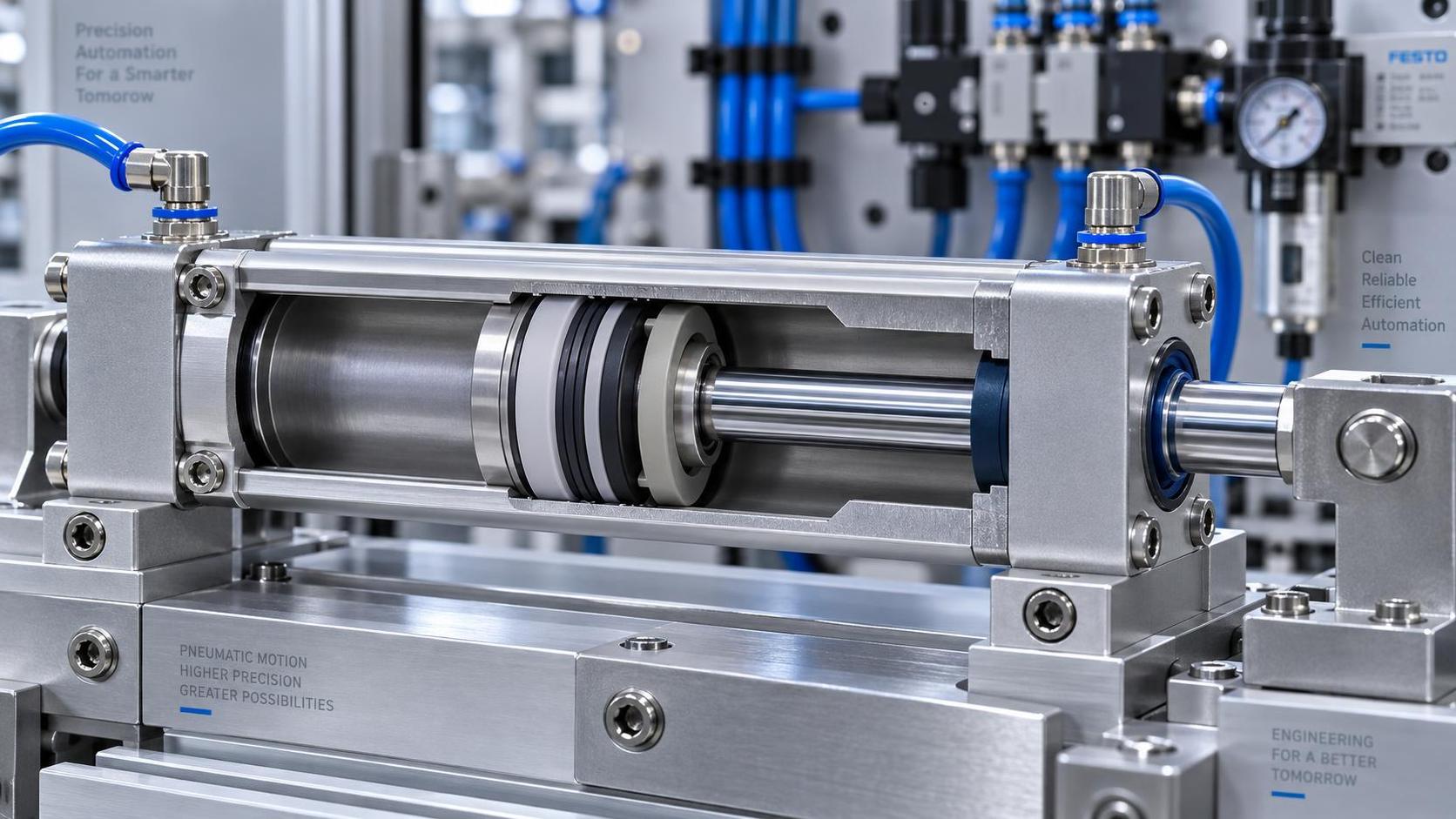
- Selecting Low-Friction Pneumatic Seals for High-Cycle, Low-Pressure CylindersAuthor :Heavy Industry Strategist

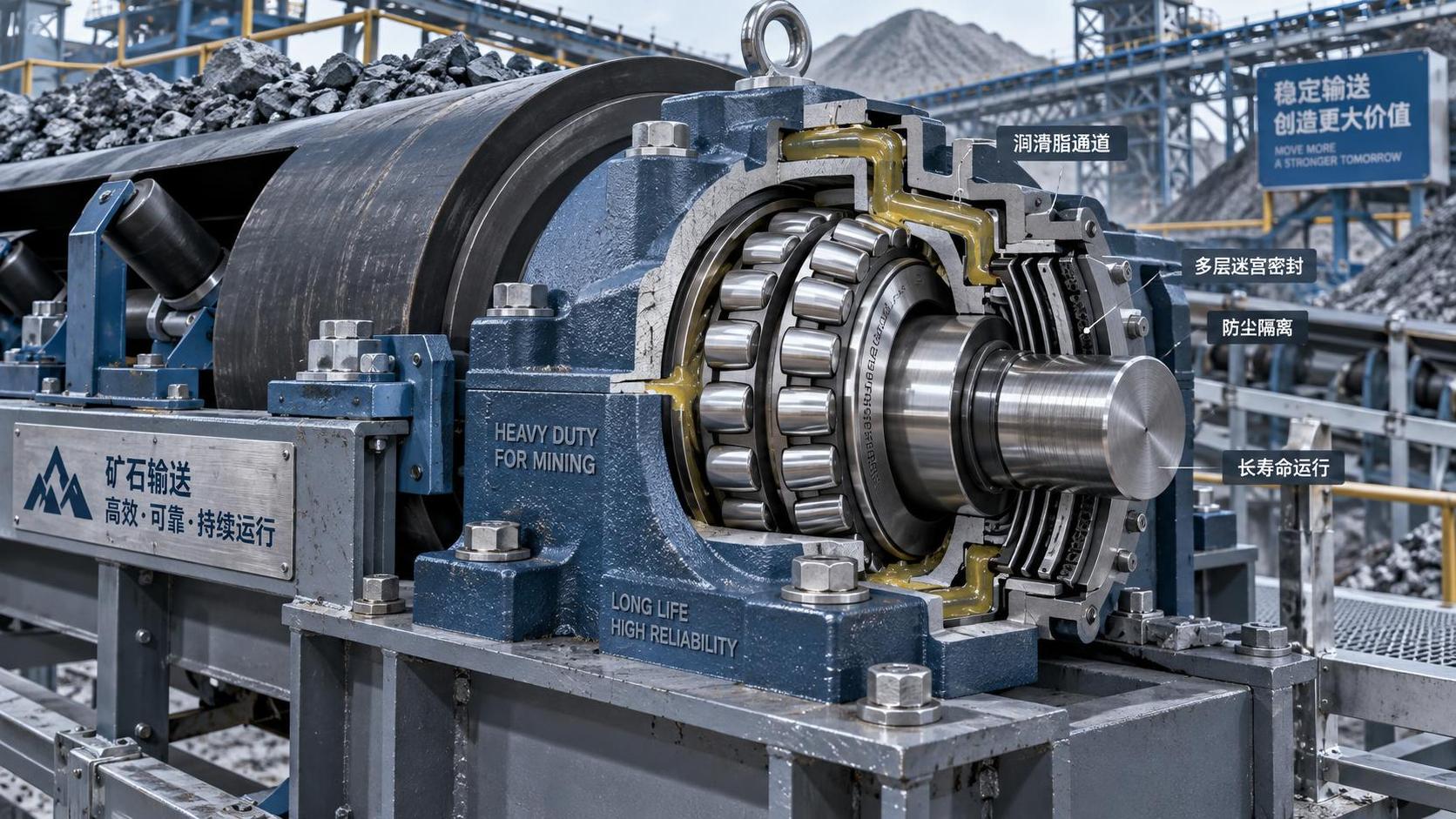
- Selecting Spherical Roller Bearings for Mining: Load, Contamination, and Service LifeAuthor :Heavy Industry Strategist

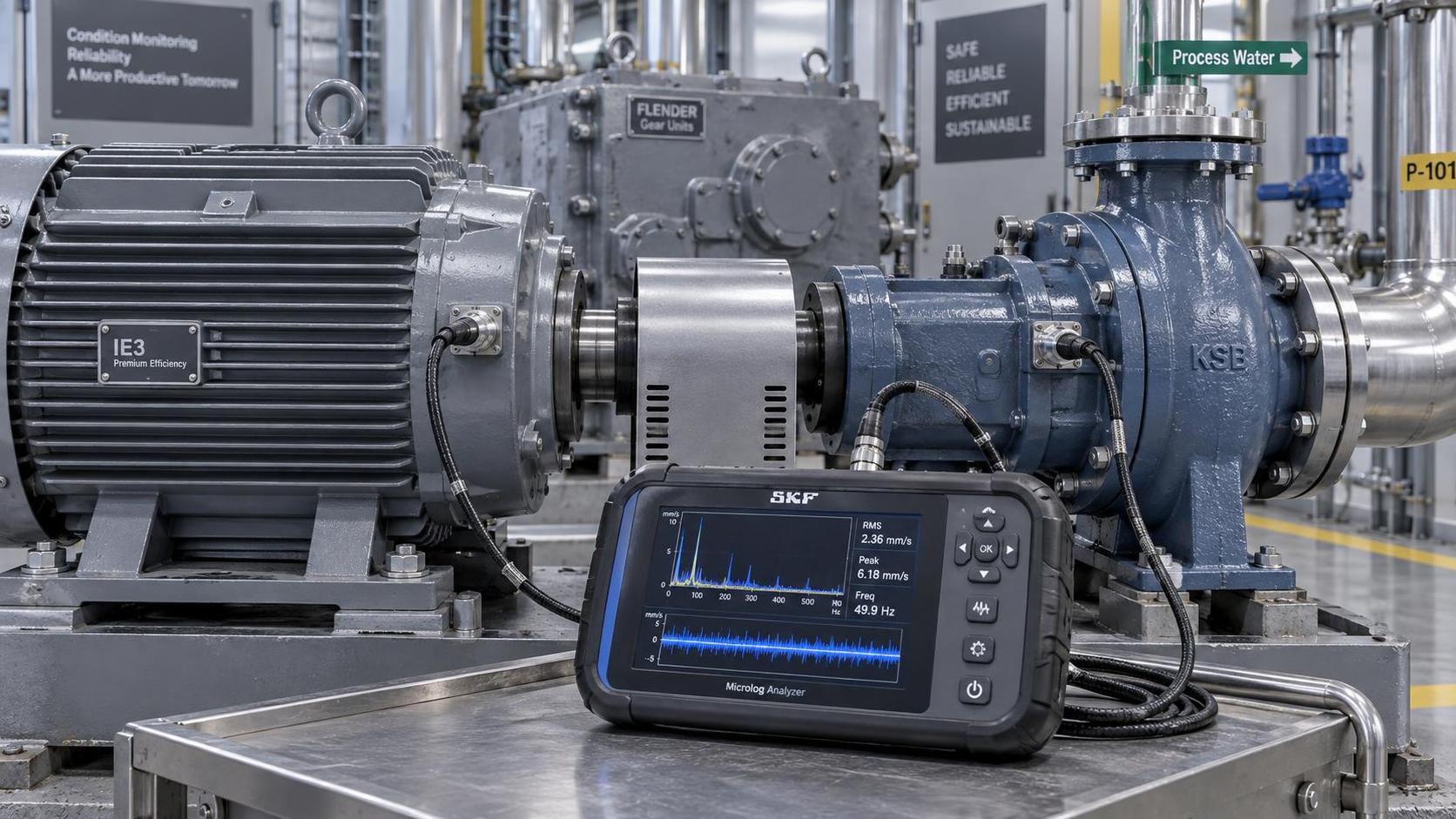
- What to Check When Sourcing Vibration Meters Wholesale for Industrial MaintenanceAuthor :Precision Metrology Expert

- How to Size a Wafer Butterfly Valve for HVAC Chilled-Water and Heating LoopsAuthor :Environmental Engineering Director