Montage Tech's $330M Share Transfer Completed; Supply Chain Stability for Semiconductor Test Chips in Focus
Author
Date Published
Reading Time
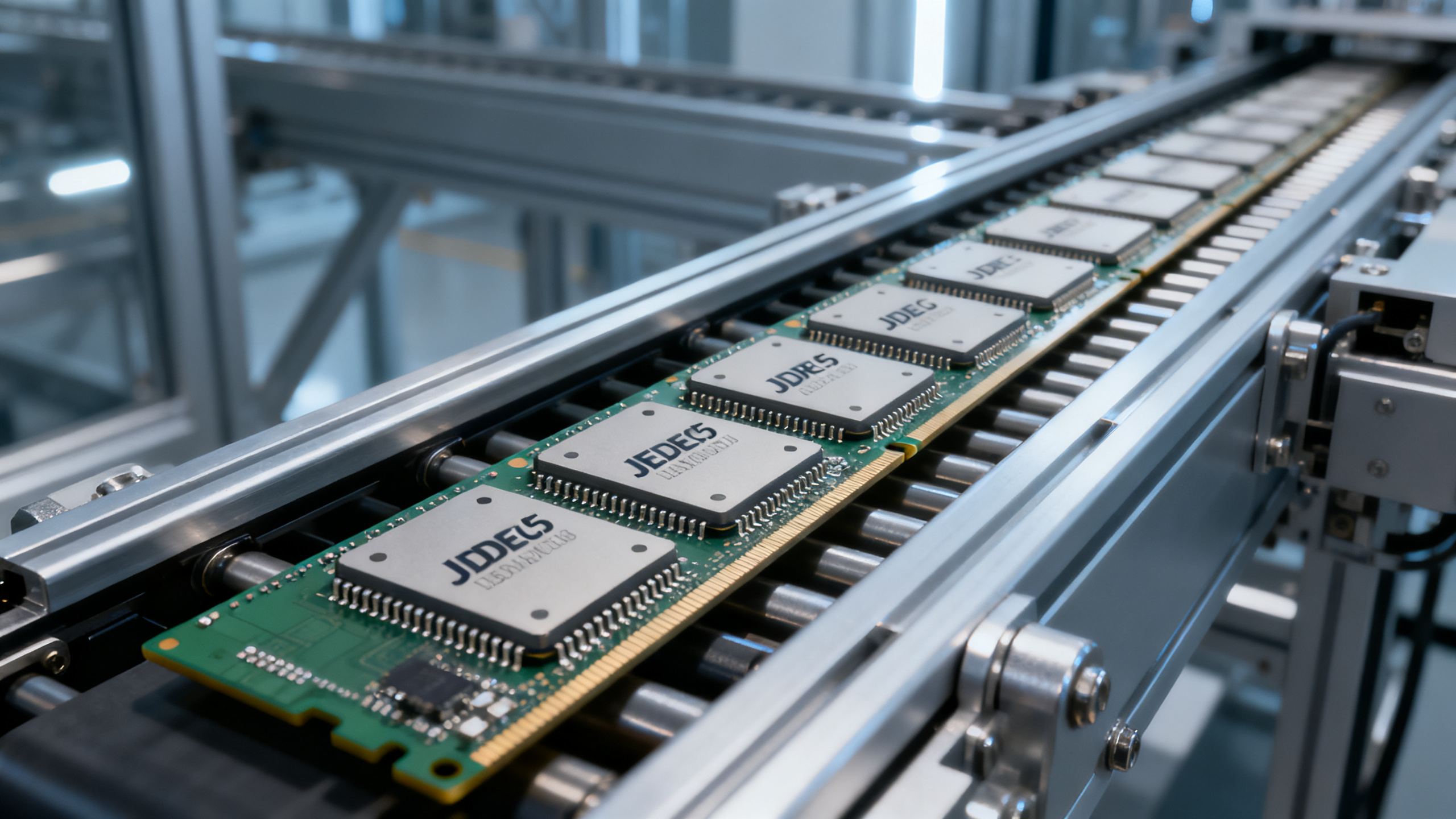
On May 22, 2026, Montage Technology completed a private placement–style share transfer valued at approximately $330 million (RMB 3.324 billion), drawing attention from downstream semiconductor test equipment manufacturers, industrial automation inspection module exporters, and global ATE instrument suppliers — all of whom rely on Montage’s memory interface and server DIMM test chips for BOM cost planning and delivery scheduling.
Event Overview
On May 22, 2026, Montage Technology finalized an inquiry-based share transfer totaling ~RMB 3.324 billion. The transferees are professional institutional investors, and the acquired shares carry a six-month lock-up period. No further details regarding pricing, number of shares, or specific transferee identities have been publicly disclosed.
Industries Affected
Direct Exporters of Semiconductor Test Equipment
As a key supplier of server memory module test chips used in automated test equipment (ATE), Montage’s production allocation and shipment cadence directly influence bill-of-materials (BOM) costs and lead times for ATE system integrators exporting to North America, Europe, and Southeast Asia.
Industrial Automation Inspection Module Manufacturers
Companies integrating Montage’s test chips into high-precision detection modules for factory-floor quality control face potential delays or cost adjustments if upstream chip availability shifts — particularly where dual-sourcing options remain limited.
Global Test Instrument Suppliers Sourcing from China
Overseas vendors of semiconductor metrology and functional test instruments are reassessing supply resilience of Chinese-origin test-related ICs. Montage’s transfer event has triggered internal reviews of inventory buffers, alternative qualification pathways, and regional sourcing diversification strategies.
What Enterprises and Practitioners Should Monitor and Do Now
Track official disclosures on production capacity and export compliance status
Montage has not issued public statements on how this capital event may affect its manufacturing output or export licensing. Stakeholders should monitor upcoming quarterly reports and regulatory filings for any indication of capacity reallocation or export control–related updates.
Review current BOM dependencies on Montage’s test chip families
Enterprises using Montage’s registered JEDEC-compliant test ICs (e.g., DDR5 register clock drivers with built-in diagnostics) should map exposure across product lines and assess feasibility of short-term substitution or buffer stock increases — especially for SKUs with long qualification cycles.
Engage with logistics and customs partners on documentation readiness
Given increased scrutiny on semiconductor test components under multilateral export frameworks, companies should verify whether updated end-use statements, technical specifications, or license exception eligibility apply to their Montage-sourced modules ahead of next shipment cycle.
Prepare contingency plans for lead-time variability
With Montage’s six-month lock-up period in place, near-term flexibility in production ramping may be constrained. Exporters should align with contract manufacturers on revised build schedules and evaluate air-freight or regional warehousing options for critical SKUs.
Editorial Perspective / Industry Observation
Observably, this share transfer is not itself a supply disruption — but it serves as a timely signal that equity structure changes among key Chinese semiconductor IP and fabless players can trigger downstream reassessment of supply chain continuity. Analysis shows that while no operational impact has been confirmed, the timing coincides with tightening global scrutiny of test-related ICs used in advanced logic and memory validation. From an industry perspective, this event is better understood as a stress-test moment for supply visibility rather than an immediate constraint — yet it underscores why test chip sourcing warrants the same level of strategic oversight as foundry capacity or packaging services.
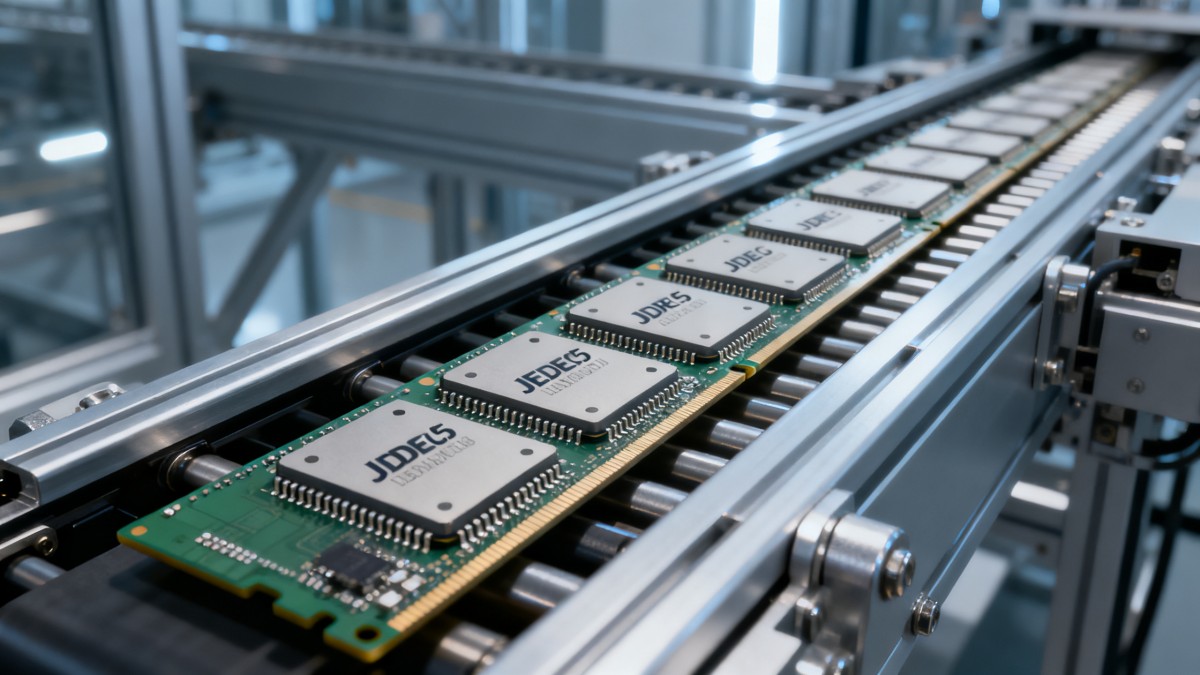
Conclusion: This transaction highlights growing interdependence between capital market activity and hardware supply assurance in the semiconductor test ecosystem. It does not indicate a breakdown in supply, but reinforces that stability hinges not only on technical capability and export licensing — but also on financial structure transparency and institutional investor alignment. Currently, it is more appropriate to interpret this as a governance-level inflection point requiring proactive monitoring — not a trigger for emergency action.
Source Disclosure: Primary information derived from Montage Technology’s official announcement dated May 22, 2026. Ongoing assessment of production continuity, export license status, and transferee-specific usage intent remains pending further disclosure.
Technical Specifications
- How to Select Electronic Hotel Key Card Locks for Guest Rooms and Staff AreasAuthor :Safety Compliance Lead
- How to Select Lab Instruments for Reliable Chemical Analysis WorkflowsAuthor :Precision Metrology Expert
- How to Size a UPS for Server Rooms: Load, Runtime, and Redundancy FactorsAuthor :Grid Infrastructure Analyst
Expert Insights

Chief Security Architect
Dr. Thorne specializes in the intersection of structural engineering and digital resilience. He has advised three G7 governments on industrial infrastructure security.
Related Analysis
- Sep 17, 2026How to Select Electronic Hotel Key Card Locks for Guest Rooms and Staff AreasAuthor :Safety Compliance Lead
- Sep 16, 2026How to Select Lab Instruments for Reliable Chemical Analysis WorkflowsAuthor :Precision Metrology Expert
- Sep 15, 2026How to Size a UPS for Server Rooms: Load, Runtime, and Redundancy FactorsAuthor :Grid Infrastructure Analyst
Core Sector // 01
Security & Safety
- How to Select Electronic Hotel Key Card Locks for Guest Rooms and Staff AreasAuthor :Safety Compliance Lead

- How to Select Lab Instruments for Reliable Chemical Analysis WorkflowsAuthor :Precision Metrology Expert

- How to Size a UPS for Server Rooms: Load, Runtime, and Redundancy FactorsAuthor :Grid Infrastructure Analyst

- Stainless Steel Welded Tube Applications: Matching Tube Supply to Fabrication NeedsAuthor :Heavy Industry Strategist

- Selecting Low-Friction Pneumatic Seals for High-Cycle, Low-Pressure CylindersAuthor :Heavy Industry Strategist

- Selecting Spherical Roller Bearings for Mining: Load, Contamination, and Service LifeAuthor :Heavy Industry Strategist

- What to Check When Sourcing Vibration Meters Wholesale for Industrial MaintenanceAuthor :Precision Metrology Expert

- How to Size a Wafer Butterfly Valve for HVAC Chilled-Water and Heating LoopsAuthor :Environmental Engineering Director