2026 World Intelligent Industry Expo Highlights AI-Powered Industrial Inspection & Safety Systems for Global Markets
Author
Date Published
Reading Time
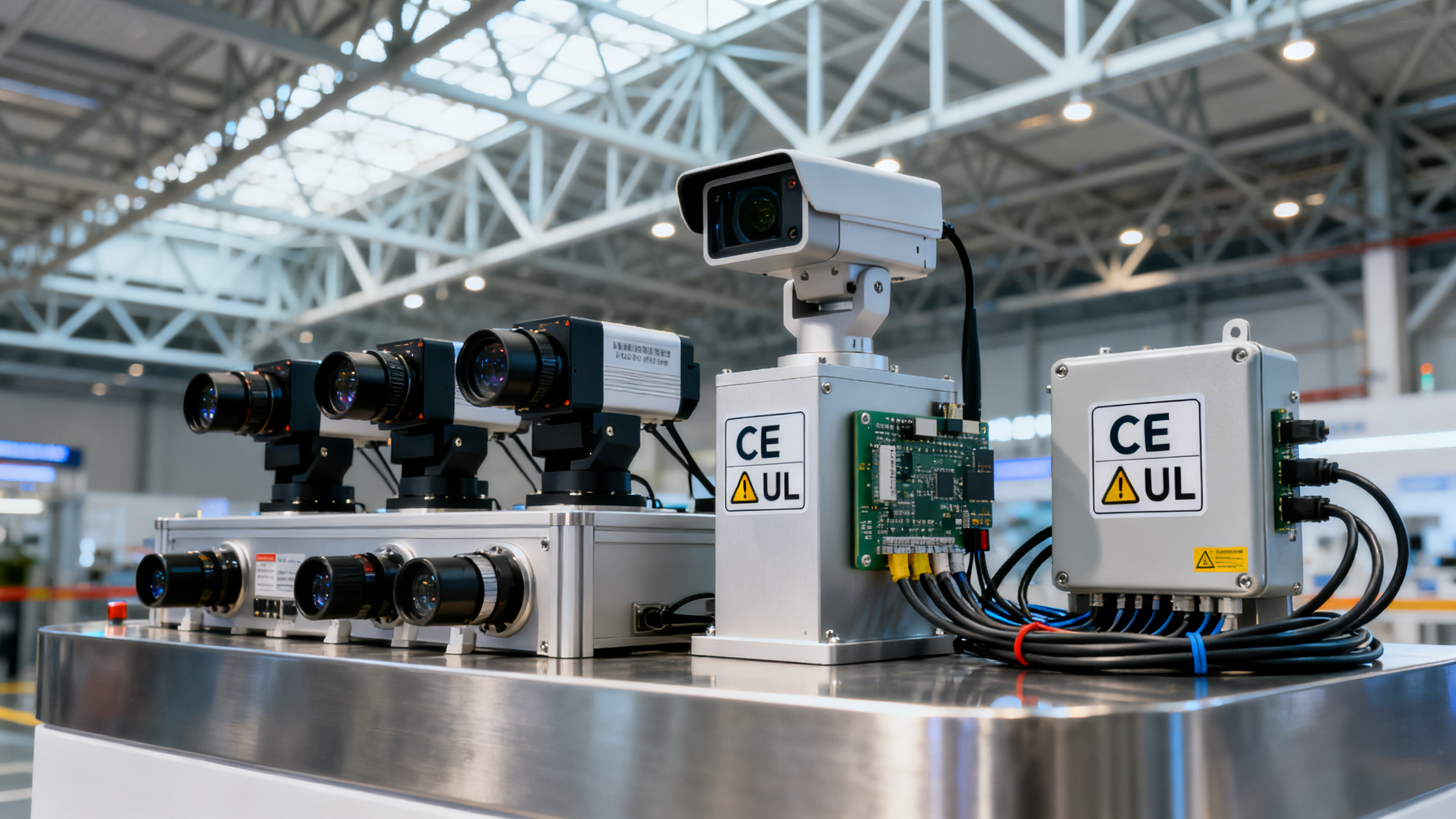
The 2026 World Intelligent Industry Expo, held in Tianjin from May 28 to 31, spotlighted AI-driven industrial inspection and safety systems as emerging priorities for international market expansion—driven by growing demand for certified, interoperable, and rapidly deployable smart infrastructure solutions.
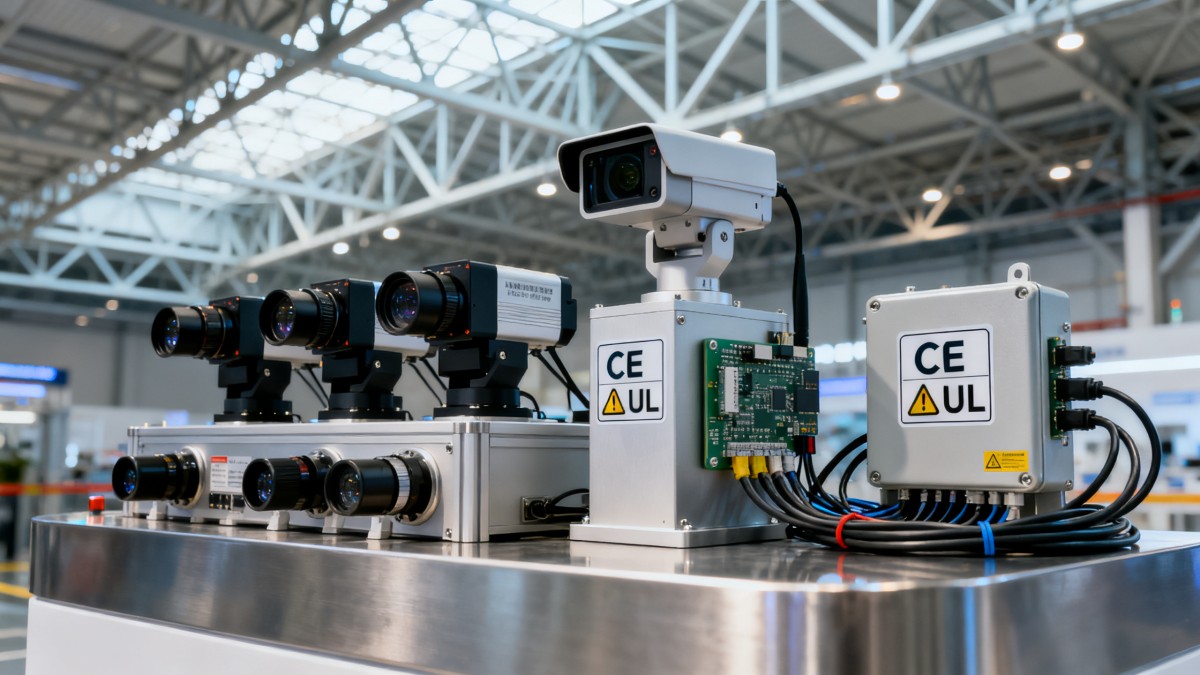
Event Overview: Expo Showcases Certified Smart Industrial Solutions
From May 28 to 31, 2026, the World Intelligent Industry Expo took place in Tianjin. The event emphasized system-level applications enabled by artificial intelligence—including intelligent security systems, industrial machine vision inspection platforms, intrinsically safe sensors, and edge computing gateways. Over 200 global providers of industrial AI solutions participated. Multiple domestically developed inspection and control systems bearing CE and UL certifications were presented, offering overseas distributors and system integrators high-compatibility, plug-and-deploy upgrade pathways.
Impact Across Supply Chain Roles
Direct Exporters
Export-oriented manufacturers face intensified scrutiny on conformity documentation and regional certification alignment (e.g., CE for EEA, UL for North America). The visibility of certified Chinese systems at the Expo signals rising expectations for pre-validated compliance—not just product-level but system-integration readiness—particularly in safety-critical industrial environments.
Raw Material & Component Suppliers
Suppliers of optical modules, ruggedized housings, low-power microcontrollers, and certified sensor elements may experience shifting demand toward components pre-qualified for CE/UL system-level evaluations. Traceability, material declarations (e.g., RoHS, REACH), and test report portability become more critical in procurement specifications.
Contract Manufacturers & OEMs
Manufacturers engaged in assembly or integration of AI-enabled inspection hardware must now align production controls and firmware validation processes with functional safety standards (e.g., IEC 61508) and cybersecurity requirements (e.g., IEC 62443), especially when delivering turnkey solutions targeting regulated sectors like energy or manufacturing.
Supply Chain Service Providers
Logistics, customs brokerage, and technical documentation support firms need enhanced capacity to manage certification dossiers, EU Declaration of Conformity templates, UL follow-up service requirements, and multilingual technical manuals aligned with local regulatory expectations in target markets.
Key Considerations for Enterprise Preparedness
Pre-Market Certification Strategy
Enterprises planning international deployment should prioritize early engagement with Notified Bodies and UL-authorized testing labs—not only for component-level evaluation but also for system-level conformity assessments covering electromagnetic compatibility (EMC), functional safety, and cyber resilience.
Interoperability & Integration Readiness
Given the Expo’s emphasis on plug-and-deploy capability, companies must verify protocol compatibility (e.g., OPC UA, MQTT, Modbus-TCP), API documentation completeness, and edge-device onboarding workflows—especially for integration into existing SCADA or MES environments abroad.
Technical Documentation & Traceability
Overseas partners increasingly require full traceability packages: calibration certificates, failure mode analysis (FMEA), software bill of materials (SBOM), and version-controlled firmware release notes—all structured per ISO/IEC 17050 or IEC 61000-4 series guidance.
Industry Perspective: Beyond Certification to System Trust
Analysis shows that the prominence of CE/UL-certified AI inspection and safety systems at this Expo reflects a broader industry shift—from verifying individual products to validating integrated, intelligent functions under real-world operating conditions. What deserves closer attention is how quickly international buyers are elevating expectations for ‘certification-ready deployment’: not merely compliance with static standards, but demonstrable adaptability to evolving threat models, data governance rules (e.g., GDPR-aligned edge processing), and lifecycle maintenance protocols. This trend implies longer internal validation cycles and tighter cross-functional coordination between R&D, quality assurance, and regulatory affairs teams.
Strategic Takeaway for Global Market Engagement
This Expo underscores that AI-powered industrial safety and inspection systems are no longer niche offerings—they are becoming baseline infrastructure requirements for modern factories and critical facilities worldwide. Success hinges less on algorithmic novelty and more on verifiable reliability, transparent compliance architecture, and seamless integration capability. A measured, standards-first approach—grounded in CE, UL, and IEC frameworks—remains the most pragmatic path for sustainable global scaling.
Source Attribution & Ongoing Monitoring
This article was generated based solely on the provided title, event date (2026-05-28), and summary description. Specific official source links were not provided in the input and should be verified continuously. Stakeholders are advised to monitor upcoming updates to EU Machinery Regulation application guidelines, UL 62368-1 revision timelines, and national interpretations of AI system conformity assessment under the EU AI Act’s high-risk classification—particularly as they intersect with industrial automation and functional safety domains.
Technical Specifications
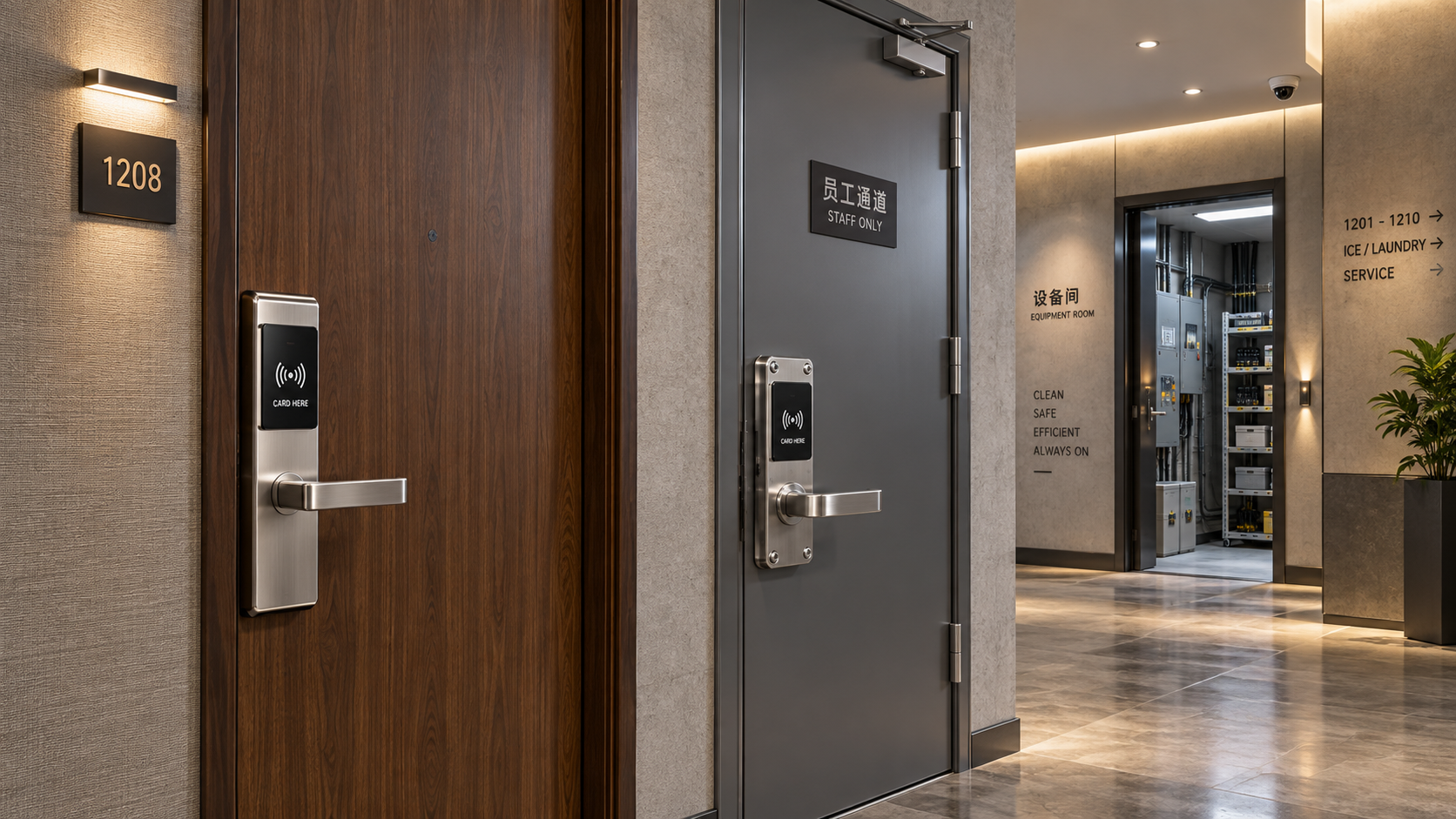
- How to Select Electronic Hotel Key Card Locks for Guest Rooms and Staff AreasAuthor :Safety Compliance Lead
- How to Select Lab Instruments for Reliable Chemical Analysis WorkflowsAuthor :Precision Metrology Expert
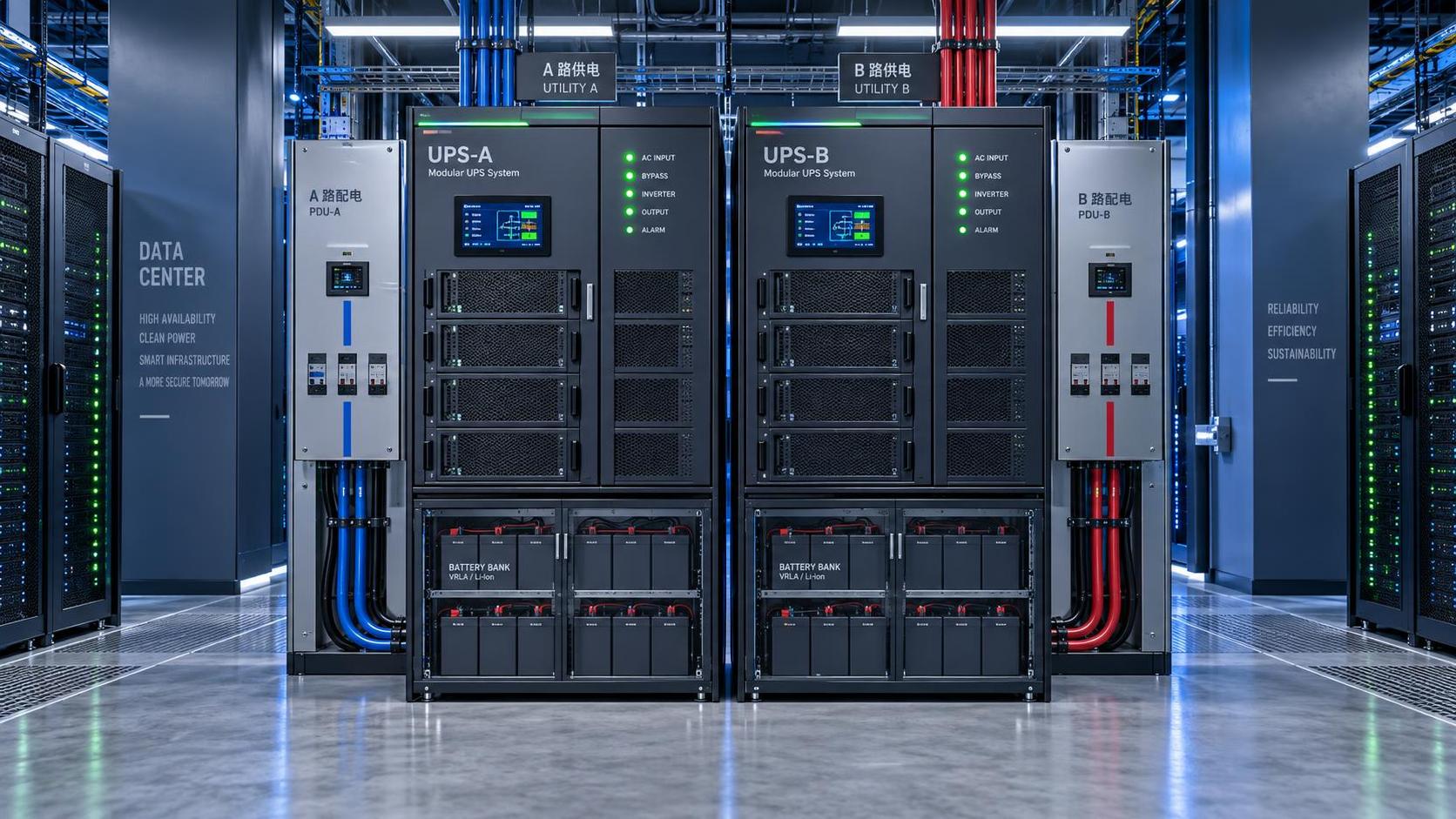
- How to Size a UPS for Server Rooms: Load, Runtime, and Redundancy FactorsAuthor :Grid Infrastructure Analyst
Expert Insights

Chief Security Architect
Dr. Thorne specializes in the intersection of structural engineering and digital resilience. He has advised three G7 governments on industrial infrastructure security.
Related Analysis
- Sep 17, 2026How to Select Electronic Hotel Key Card Locks for Guest Rooms and Staff AreasAuthor :Safety Compliance Lead
- Sep 16, 2026How to Select Lab Instruments for Reliable Chemical Analysis WorkflowsAuthor :Precision Metrology Expert
- Sep 15, 2026How to Size a UPS for Server Rooms: Load, Runtime, and Redundancy FactorsAuthor :Grid Infrastructure Analyst
Core Sector // 01
Security & Safety
- How to Select Electronic Hotel Key Card Locks for Guest Rooms and Staff AreasAuthor :Safety Compliance Lead

- How to Select Lab Instruments for Reliable Chemical Analysis WorkflowsAuthor :Precision Metrology Expert

- How to Size a UPS for Server Rooms: Load, Runtime, and Redundancy FactorsAuthor :Grid Infrastructure Analyst

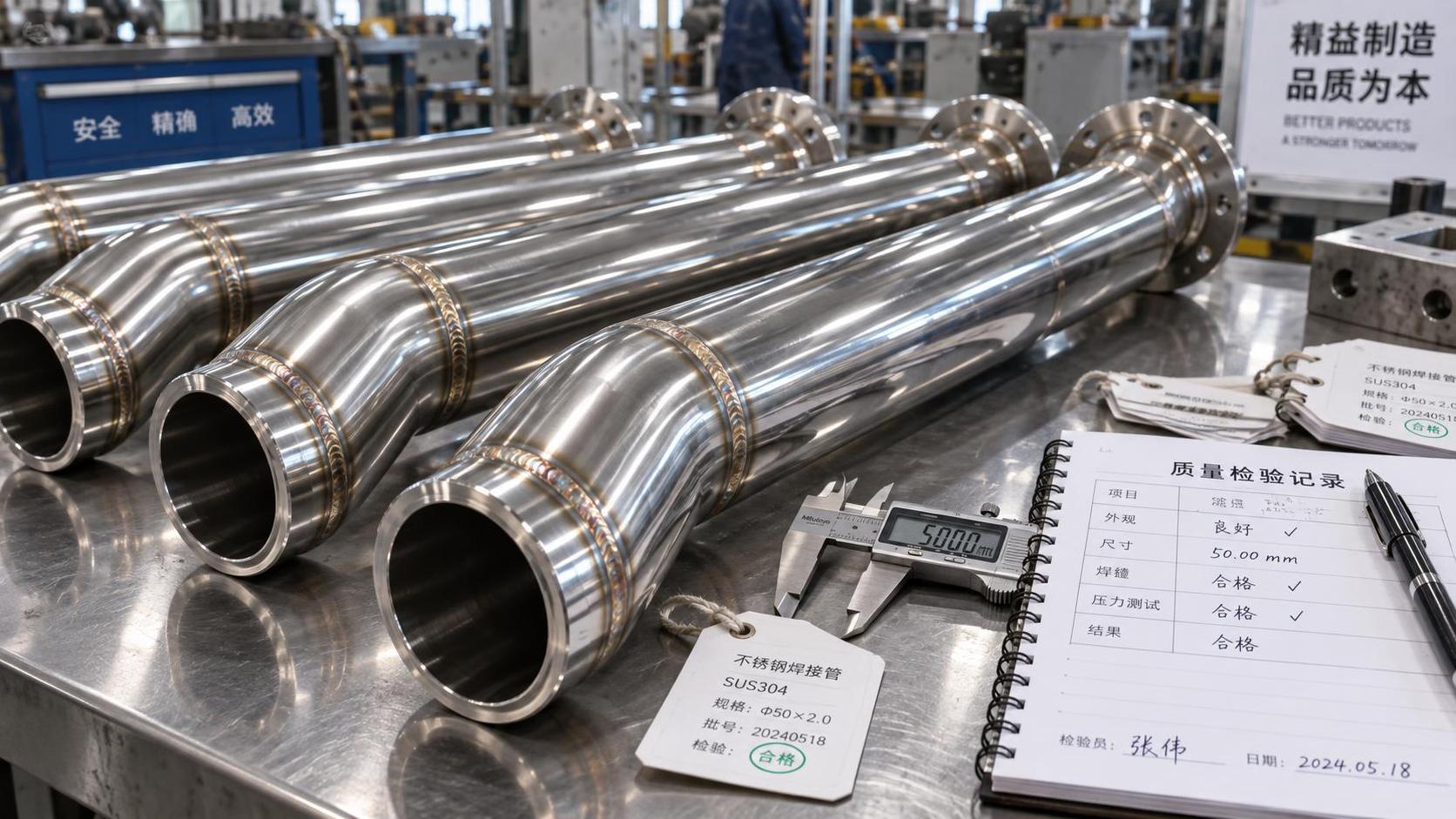
- Stainless Steel Welded Tube Applications: Matching Tube Supply to Fabrication NeedsAuthor :Heavy Industry Strategist

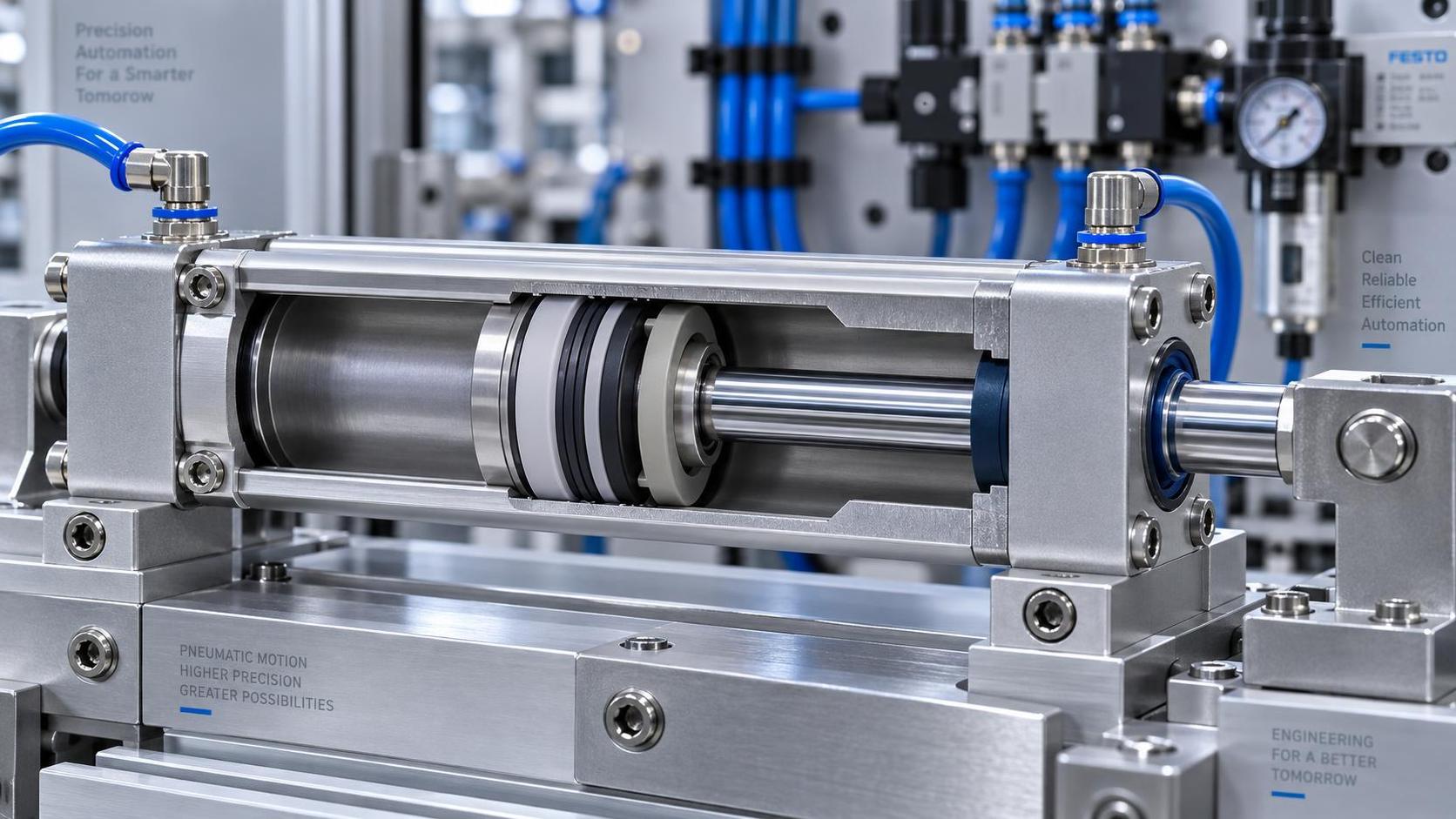
- Selecting Low-Friction Pneumatic Seals for High-Cycle, Low-Pressure CylindersAuthor :Heavy Industry Strategist

- Selecting Spherical Roller Bearings for Mining: Load, Contamination, and Service LifeAuthor :Heavy Industry Strategist

- What to Check When Sourcing Vibration Meters Wholesale for Industrial MaintenanceAuthor :Precision Metrology Expert

- How to Size a Wafer Butterfly Valve for HVAC Chilled-Water and Heating LoopsAuthor :Environmental Engineering Director