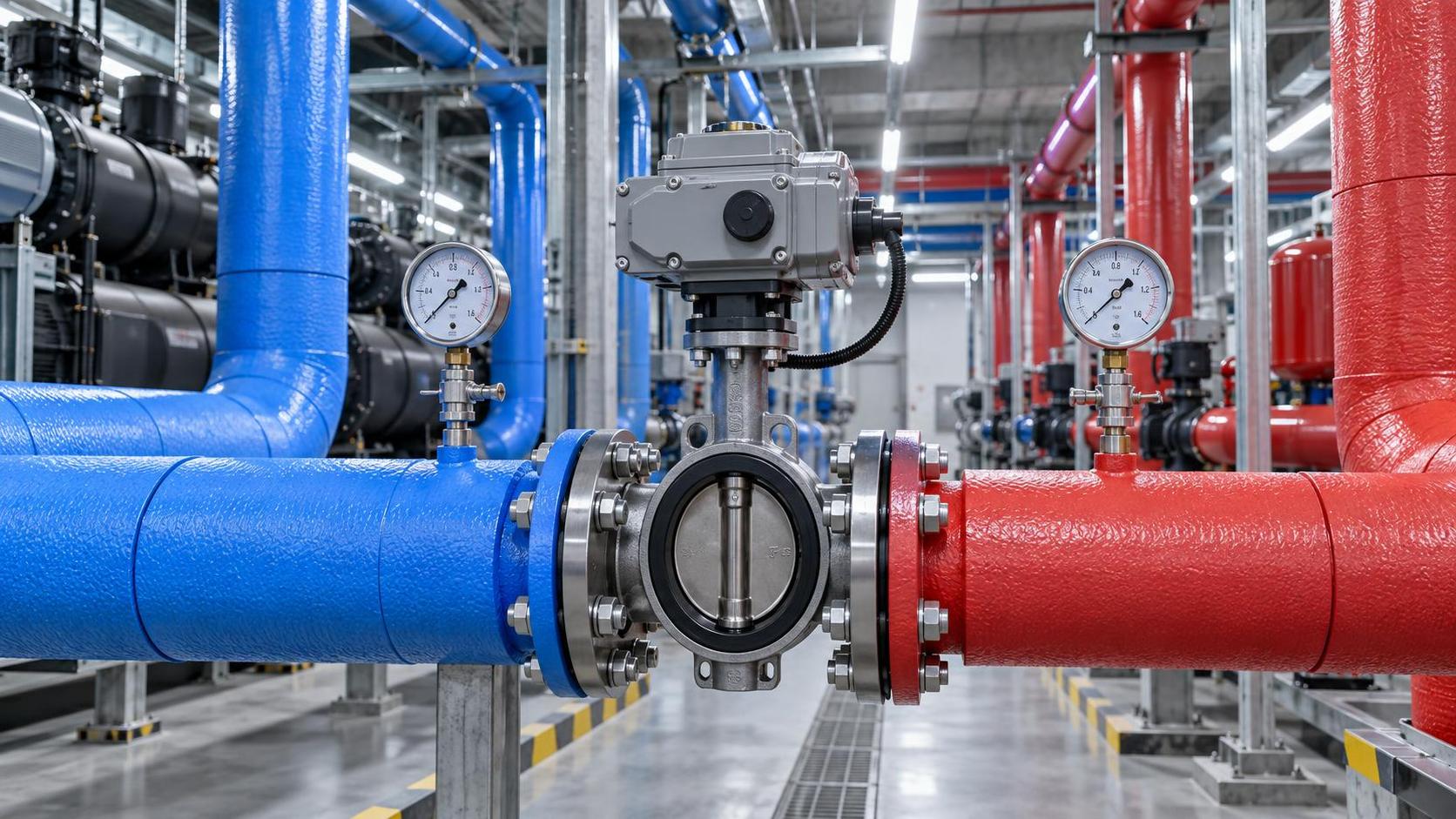
Hormuz Strait Transit Plummets 94%; Industrial Water Treatment Shipments Delayed
Author
Date Published
Reading Time
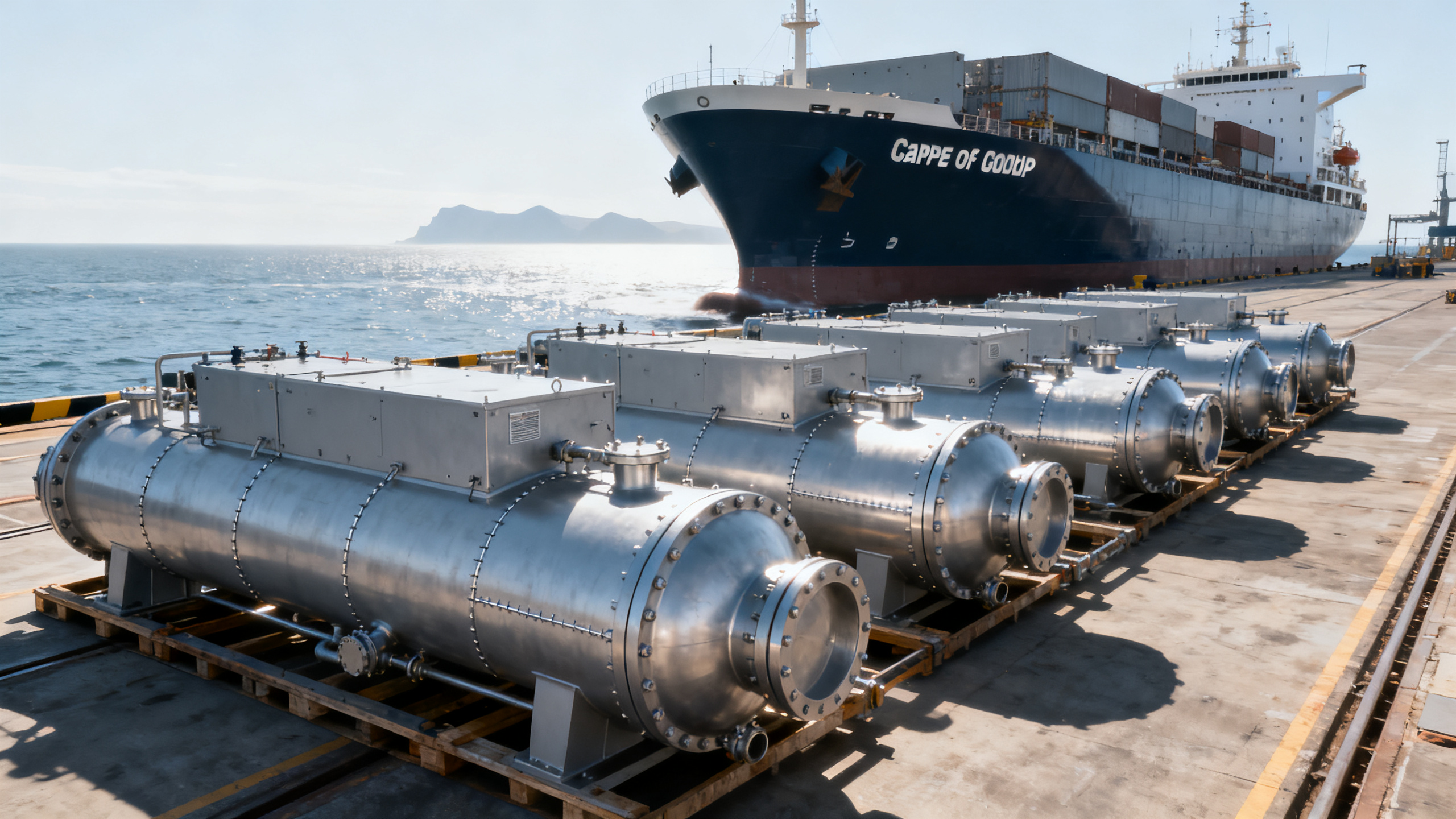
On March 16, 2026, maritime traffic through the Strait of Hormuz dropped by 94% amid escalating Middle East conflict. This disruption has directly impacted global supply chains for industrial water treatment equipment—large-volume, time-sensitive cargo—extending Asia–Europe shipping lead times by 10–14 days and triggering project rescheduling across multiple countries’ EPC contracts. Companies involved in cross-border equipment trade, engineering procurement, and infrastructure delivery should treat this as a material operational risk—not just a logistics footnote.
Event Overview
As confirmed on March 16, 2026, actual vessel transit volume through the Strait of Hormuz fell by 94% compared to pre-conflict levels. Major container carriers—including Maersk and MSC—suspended all transits through the strait. Vessels are now rerouting via the Cape of Good Hope, lengthening Asia–Europe sea routes by an average of 10–14 days. Industrial water treatment equipment shipments are subject to both extended transit times and war-risk surcharges ranging from USD 2,000 to USD 4,000 per TEU. Multiple international EPC projects have formally revised their execution timelines in response.
Industries Affected
Direct Equipment Exporters & OEMs
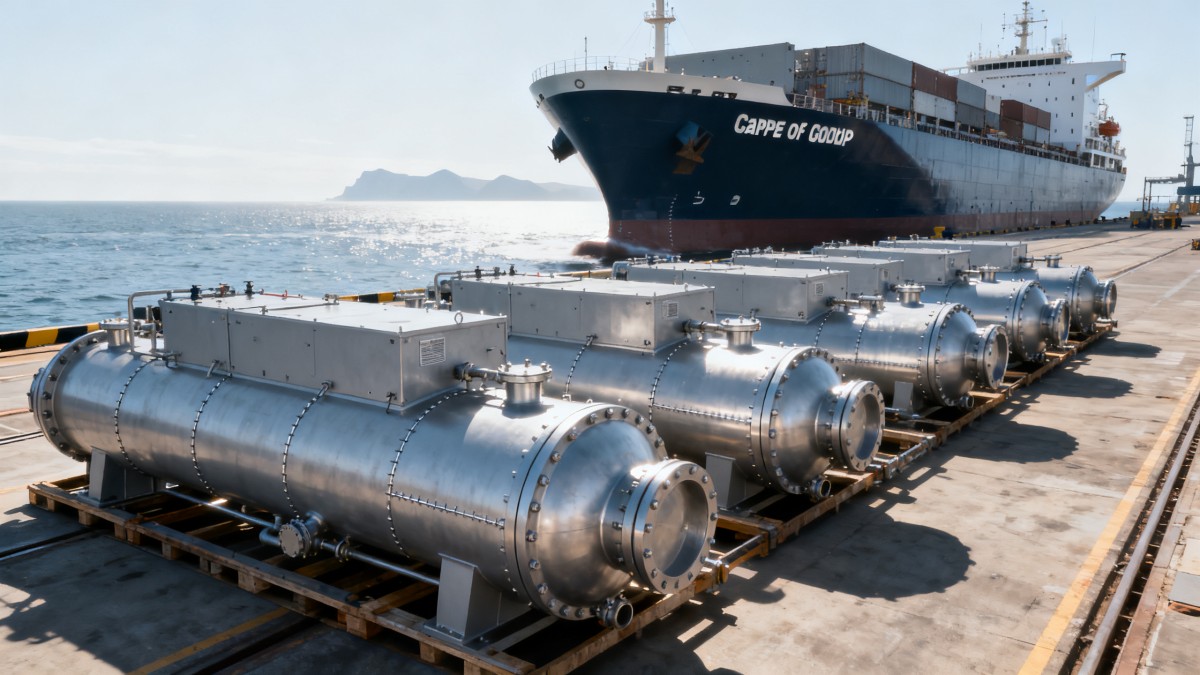
Industrial water treatment equipment is typically oversized, non-containerizable in standard units, and bound by fixed commissioning windows. With carrier suspensions and mandatory Cape routing, manufacturers face hard delivery failures—not just delays. The +2000–4000 USD/TEU war-risk surcharge compounds margin pressure, especially for fixed-price export contracts signed prior to March 2026.
EPC Contractors & Project Developers
EPC firms rely on precise equipment arrival schedules to sequence civil works, electrical installation, and commissioning. A 10–14-day maritime delay cascades into multi-week schedule slippage—particularly where water treatment systems serve as critical path items (e.g., power plant cooling, petrochemical wastewater reuse). At least three publicly acknowledged EPC projects across Southeast Asia and the Middle East have issued formal timeline revisions since March 16.
Logistics & Freight Forwarding Providers
Forwarders handling specialized heavy-lift or break-bulk shipments of water treatment modules face immediate capacity constraints: limited Cape-capable vessels, reduced port slots at Suez-adjacent hubs (e.g., Port Said), and heightened insurance scrutiny. War-risk documentation, bunker cost volatility, and extended laycan windows are now routine negotiation points—not exceptions.
What Stakeholders Should Monitor & Do Now
Track official maritime advisories and carrier service updates
Monitor real-time notices from the UK Maritime Trade Operations (UKMTO), U.S. Fifth Fleet, and carrier service advisories (e.g., Maersk Service Updates, MSC Weekly Alerts). Rerouting decisions remain dynamic; any partial resumption—or escalation—will impact booking windows within 72 hours.
Flag industrial water treatment shipments as high-priority in current bookings
Given equipment size, weight, and rigging requirements, prioritize early vessel slot confirmation—even with premium rates. Confirm whether forwarders can secure Cape-capable heavy-lift vessels (not just standard containers) and verify port handling capabilities at destination (e.g., Dubai Jebel Ali vs. Jeddah Islamic Port).
Review contractual force majeure clauses and insurance coverage scope
Assess whether existing contracts explicitly cover war-risk surcharges and transit route changes—not just port closures. Verify if marine cargo insurance policies include war-risk endorsement extensions (e.g., Institute War Clauses – Hulls and Cargo). Document all carrier notifications and cost invoices for potential claims.
Engage clients proactively on revised milestone dates
Where EPC or turnkey contracts tie payment to equipment arrival or commissioning, initiate formal notification now—not upon delay. Provide evidence-based rationale (carrier advisories, routing maps, surcharge receipts) to support timeline adjustments and avoid disputes over liquidated damages.
Editorial Observation / Industry Perspective
Observably, this is not a transient scheduling hiccup but a structural inflection point in maritime risk pricing and route planning. The 94% drop reflects near-total commercial withdrawal—not reduced throughput—and signals that the Strait of Hormuz is no longer a default corridor for time-bound industrial cargo. Analysis shows that while some spot-market freight rates may normalize post-conflict, the baseline cost and lead time for heavy industrial equipment between Asia and Europe have shifted upward for the foreseeable 6–12 months. From an industry perspective, this event functions less as an isolated incident and more as a stress test revealing long-standing dependencies on narrow chokepoints—dependencies now requiring active mitigation, not passive monitoring.
Conclusion: This development underscores that geopolitical risk has moved from a footnote in supply chain planning to a primary determinant of delivery feasibility for capital-intensive industrial goods. It is best understood not as a temporary bottleneck, but as a recalibration of maritime reliability thresholds—especially for equipment with rigid physical and contractual constraints. Stakeholders should treat it as a trigger for revising logistics assumptions, not merely adjusting calendars.
Source: Confirmed carrier service advisories (Maersk, MSC), UKMTO maritime bulletins dated March 16, 2026, and publicly disclosed EPC project timeline revisions (Southeast Asia Power Consortium, Gulf Infrastructure Authority). Ongoing developments—including potential re-opening of limited transit windows or new surcharge structures—remain under observation.
Technical Specifications
- How to Select Electronic Hotel Key Card Locks for Guest Rooms and Staff AreasAuthor :Safety Compliance Lead
- How to Select Lab Instruments for Reliable Chemical Analysis WorkflowsAuthor :Precision Metrology Expert
- How to Size a UPS for Server Rooms: Load, Runtime, and Redundancy FactorsAuthor :Grid Infrastructure Analyst
Expert Insights

Chief Security Architect
Dr. Thorne specializes in the intersection of structural engineering and digital resilience. He has advised three G7 governments on industrial infrastructure security.
Related Analysis
- Sep 17, 2026How to Select Electronic Hotel Key Card Locks for Guest Rooms and Staff AreasAuthor :Safety Compliance Lead
- Sep 16, 2026How to Select Lab Instruments for Reliable Chemical Analysis WorkflowsAuthor :Precision Metrology Expert
- Sep 15, 2026How to Size a UPS for Server Rooms: Load, Runtime, and Redundancy FactorsAuthor :Grid Infrastructure Analyst
Core Sector // 01
Security & Safety
- How to Select Electronic Hotel Key Card Locks for Guest Rooms and Staff AreasAuthor :Safety Compliance Lead

- How to Select Lab Instruments for Reliable Chemical Analysis WorkflowsAuthor :Precision Metrology Expert

- How to Size a UPS for Server Rooms: Load, Runtime, and Redundancy FactorsAuthor :Grid Infrastructure Analyst

- Stainless Steel Welded Tube Applications: Matching Tube Supply to Fabrication NeedsAuthor :Heavy Industry Strategist

- Selecting Low-Friction Pneumatic Seals for High-Cycle, Low-Pressure CylindersAuthor :Heavy Industry Strategist

- Selecting Spherical Roller Bearings for Mining: Load, Contamination, and Service LifeAuthor :Heavy Industry Strategist

- What to Check When Sourcing Vibration Meters Wholesale for Industrial MaintenanceAuthor :Precision Metrology Expert

- How to Size a Wafer Butterfly Valve for HVAC Chilled-Water and Heating LoopsAuthor :Environmental Engineering Director