DIN EN 62271-1:2026 Adds -40°C Mechanical Endurance Test
Author
Date Published
Reading Time
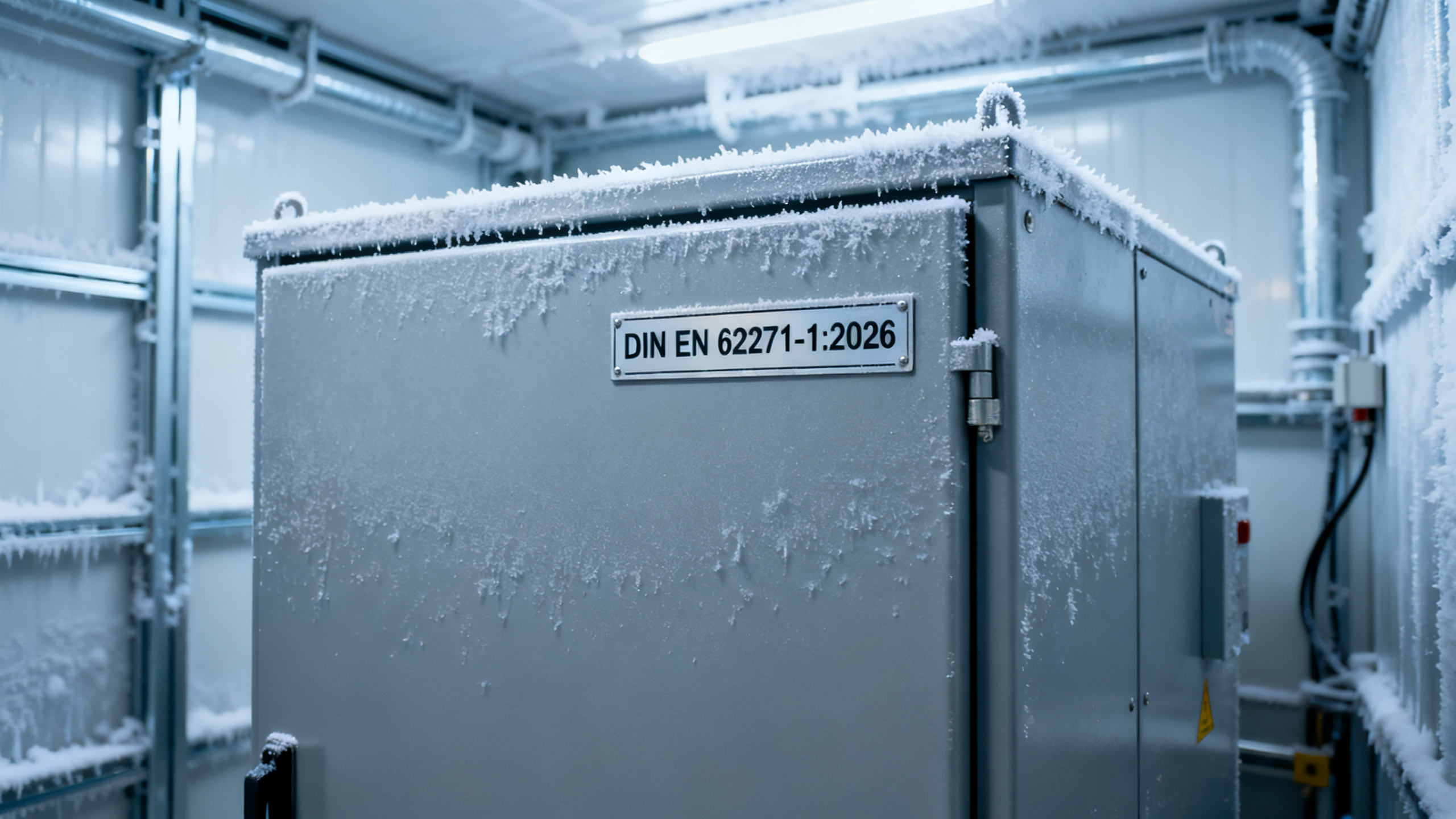
On 8 May 2026, the German Institute for Standardization (DIN) published the revised DIN EN 62271-1:2026 standard, introducing a mandatory mechanical endurance test at −40 °C for high-voltage switchgear rated at ≥36 kV. This update directly affects manufacturers exporting to the EU market, especially those supplying industrial power infrastructure, renewable energy integration systems, and rail electrification equipment.
Event Overview
The German Institute for Standardization (DIN) released DIN EN 62271-1:2026 on 8 May 2026. The revision mandates a mechanical operation life test of 10,000 cycles under −40 °C ambient conditions for high-voltage switchgear with rated voltage ≥36 kV. This requirement is now included in the EU’s list of harmonised standards under the CE marking framework. Chinese high-voltage switchgear manufacturers are required to establish low-temperature testing capability by December 2026.
Impact on Specific Industry Segments
High-voltage switchgear manufacturers (OEMs): Affected because the new test applies directly to product design validation and type certification. Impact manifests in extended development timelines, increased prototype iteration costs, and potential redesign of operating mechanisms, insulating materials, and lubrication systems to ensure reliability at −40 °C.
Export-oriented component suppliers: Affected due to cascading qualification requirements. Suppliers of actuators, spring mechanisms, SF6 gas handling units, and cold-resistant elastomers must verify material performance and functional integrity at −40 °C — not just as standalone parts, but within full assembly context.
CE conformity assessment bodies and notified bodies: Affected because the revision changes the scope of mandatory testing under the Low Voltage Directive (LVD) and Electromagnetic Compatibility (EMC) framework where applicable, and introduces new verification criteria for mechanical endurance. Bodies must update internal test protocols and accreditation scopes accordingly.
Engineering procurement contractors (EPCs) serving EU-based infrastructure projects: Affected as procurement specifications for substations, wind farm interconnections, and traction power supply systems will now explicitly reference DIN EN 62271-1:2026 compliance — including documented evidence of −40 °C mechanical testing. Non-compliant equipment may be rejected during pre-commissioning audits.
What Relevant Enterprises or Practitioners Should Focus On — and How to Respond Now
Monitor official updates from DIN, CENELEC, and EU Commission
While DIN EN 62271-1:2026 is effective upon publication, transition timelines, grandfathering provisions for existing certifications, and interpretation guidelines for borderline cases (e.g., partial exposure vs. full enclosure testing) remain subject to clarification. Stakeholders should subscribe to official notifications from DIN and the European Committee for Electrotechnical Standardization (CENELEC).
Identify and prioritise products with EU delivery scheduled after December 2026
Manufacturers should map their active product portfolio against planned EU shipments beyond Q4 2026. Products with rated voltage ≥36 kV intended for outdoor or unheated indoor substations — particularly in Nordic, Alpine, or Eastern European regions — require immediate test planning. Prioritisation should consider both volume and certification lead time.
Distinguish between regulatory signal and operational readiness
The inclusion in the EU harmonised standards list signals legal presumption of conformity — but does not automatically trigger enforcement. However, market surveillance authorities may begin requesting test reports from late 2026 onward. Companies should treat December 2026 as a hard deadline for lab capability, not a soft target.
Initiate internal capability assessment and external lab engagement now
Establishing −40 °C mechanical endurance testing requires environmental chambers with precise temperature control, calibrated cycle counters, and trained personnel. Given typical lead times for chamber procurement (6–9 months) and third-party lab booking windows (3–6 months), initiating feasibility studies and vendor evaluations before mid-2026 is advisable.
Editorial Perspective / Industry Observation
Observably, this revision reflects a broader trend toward climate-resilient infrastructure standards across the EU — extending beyond thermal performance to mechanical reliability under extreme cold. Analysis shows that the −40 °C threshold aligns with minimum ambient temperatures recorded in northern Scandinavia and parts of Russia, suggesting an implicit geographic risk mitigation strategy. From an industry perspective, this is less a sudden regulatory shock and more a formalisation of emerging best practice; several leading OEMs have already conducted voluntary cold-cycle testing since 2023. Current significance lies not in novelty, but in enforceability: it shifts from recommended practice to mandatory verification — making it a de facto market access gate for new designs.
It is better understood as a binding signal than an immediate operational outcome — the technical requirement is clear, but widespread enforcement and audit activity will likely unfold gradually over 2027. Industry attention should therefore focus on capability building rather than crisis response.
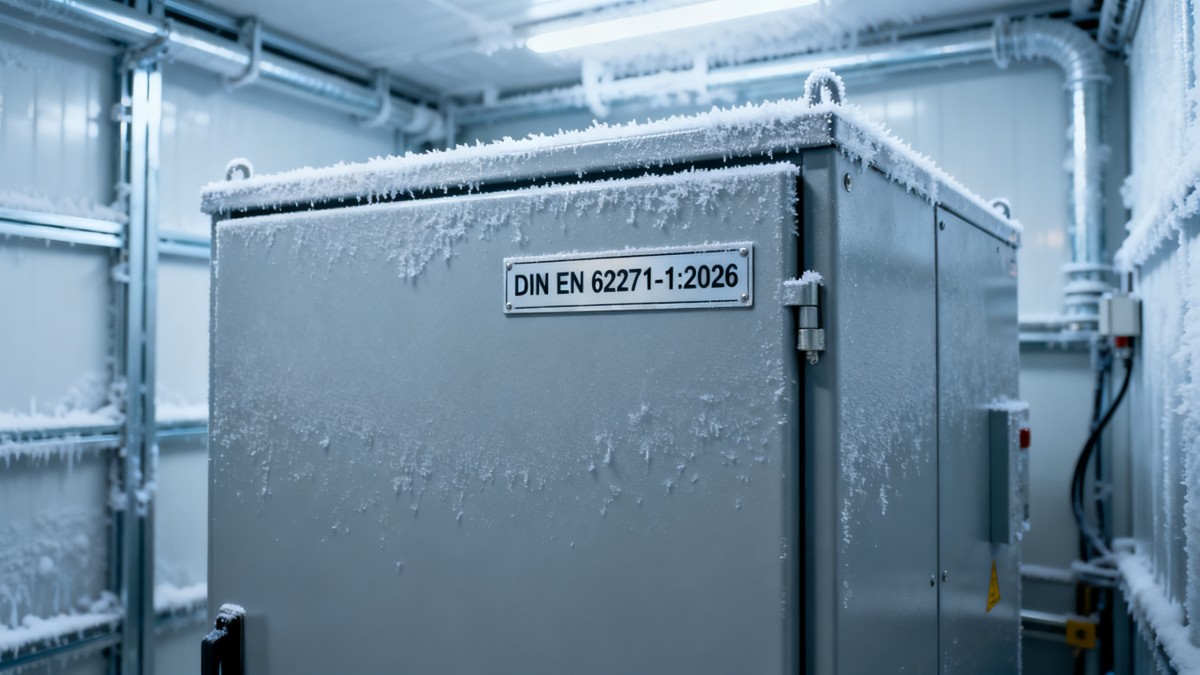
In summary, DIN EN 62271-1:2026 introduces a concrete, time-bound compliance obligation for high-voltage switchgear targeting the EU market. Its industry significance resides in the direct linkage between low-temperature mechanical reliability and market access — not in conceptual innovation, but in enforceable standardisation. At present, it is most accurately interpreted as a capacity-building milestone: readiness by December 2026 is the near-term benchmark; sustained compliance assurance remains the longer-term operational imperative.
Source: German Institute for Standardization (DIN), official publication of DIN EN 62271-1:2026 on 8 May 2026.
Further developments regarding implementation guidance, transitional arrangements, and notified body interpretations remain under observation.
Technical Specifications
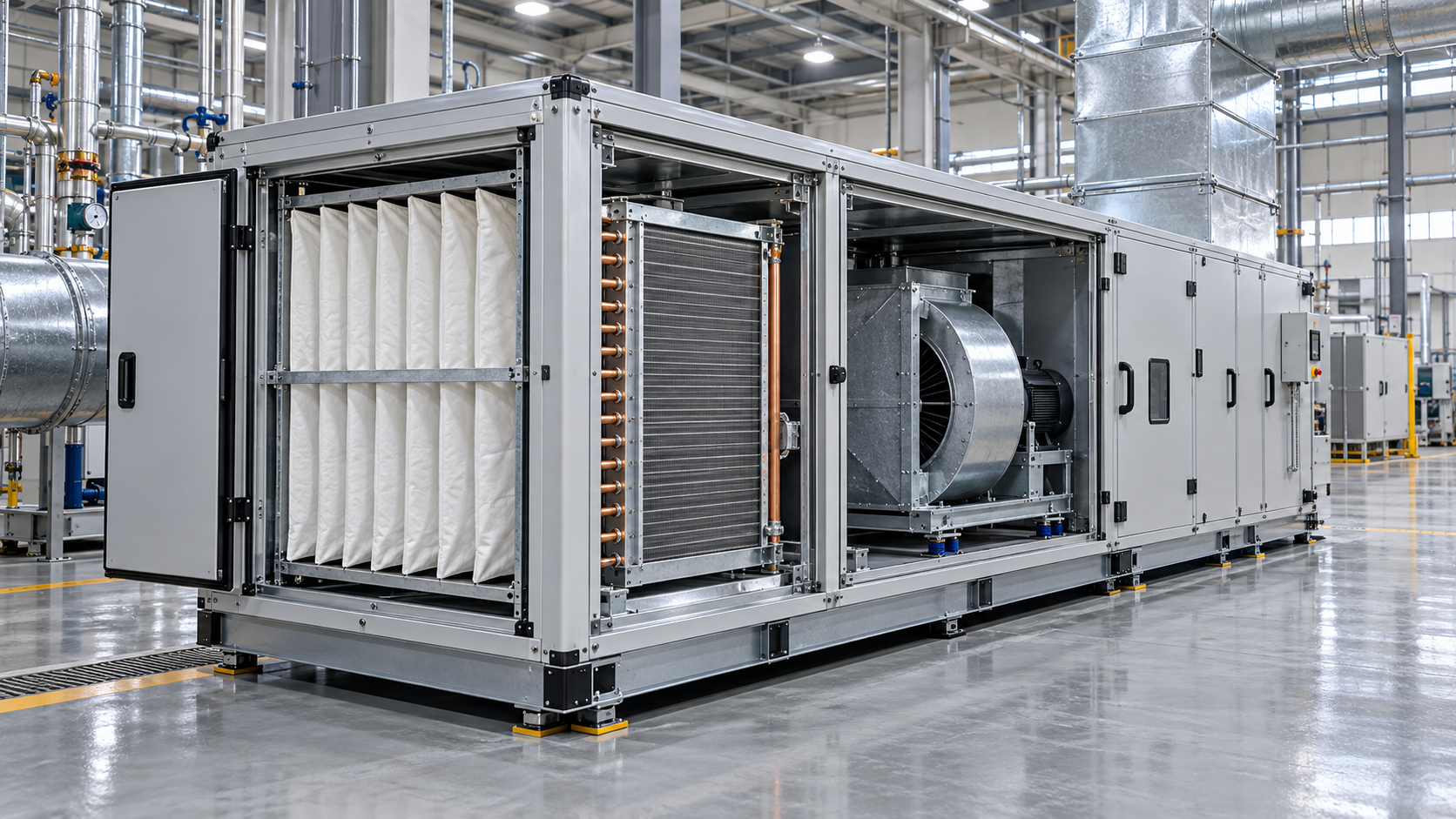
- Air Handling Unit Supplier Checklist: Performance Data, Lead Times, and SupportAuthor :Environmental Engineering Director
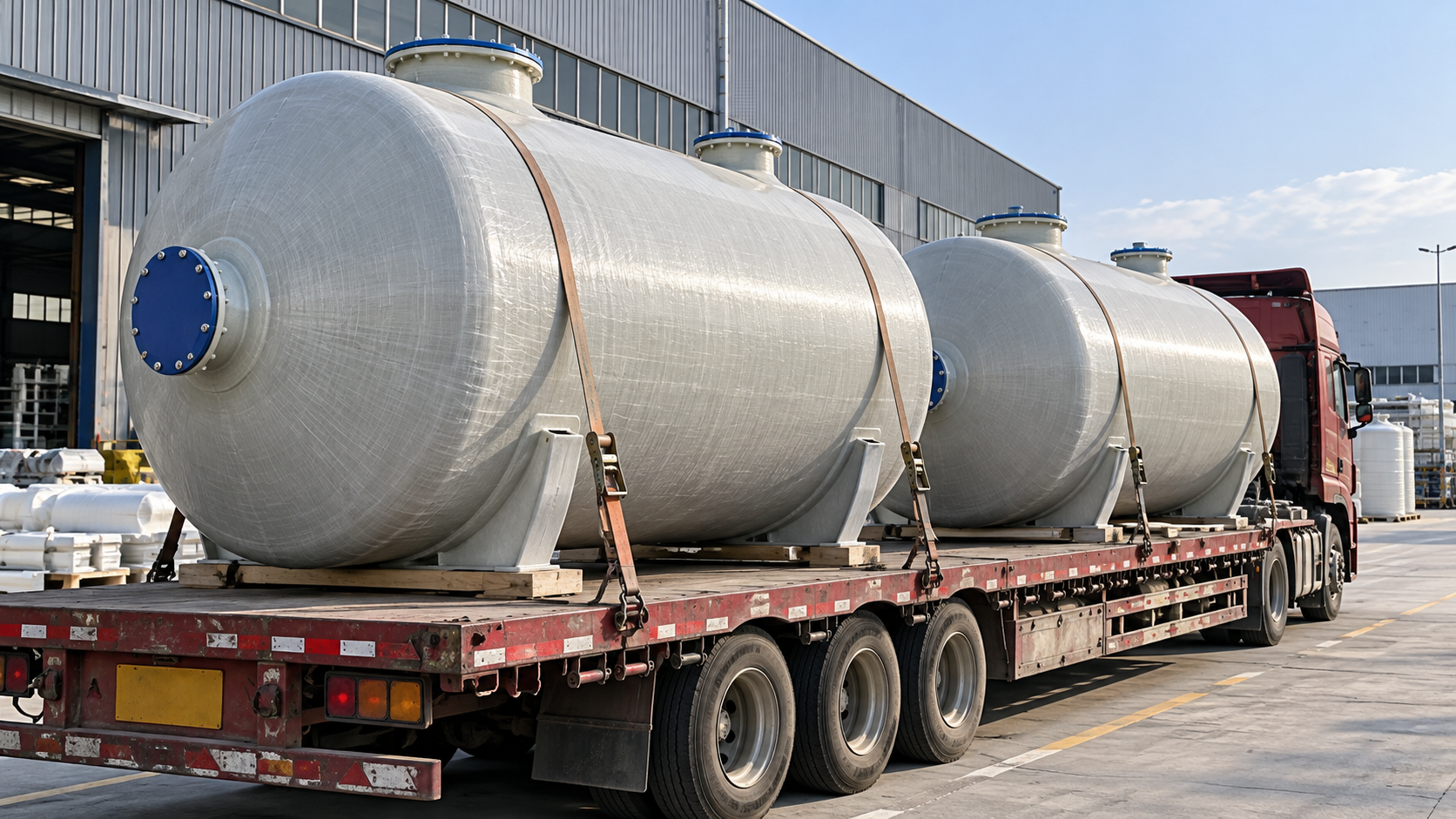
- Buying Fiberglass Water Tanks Wholesale: Compare Quotes and Delivery CostsAuthor :Environmental Engineering Director
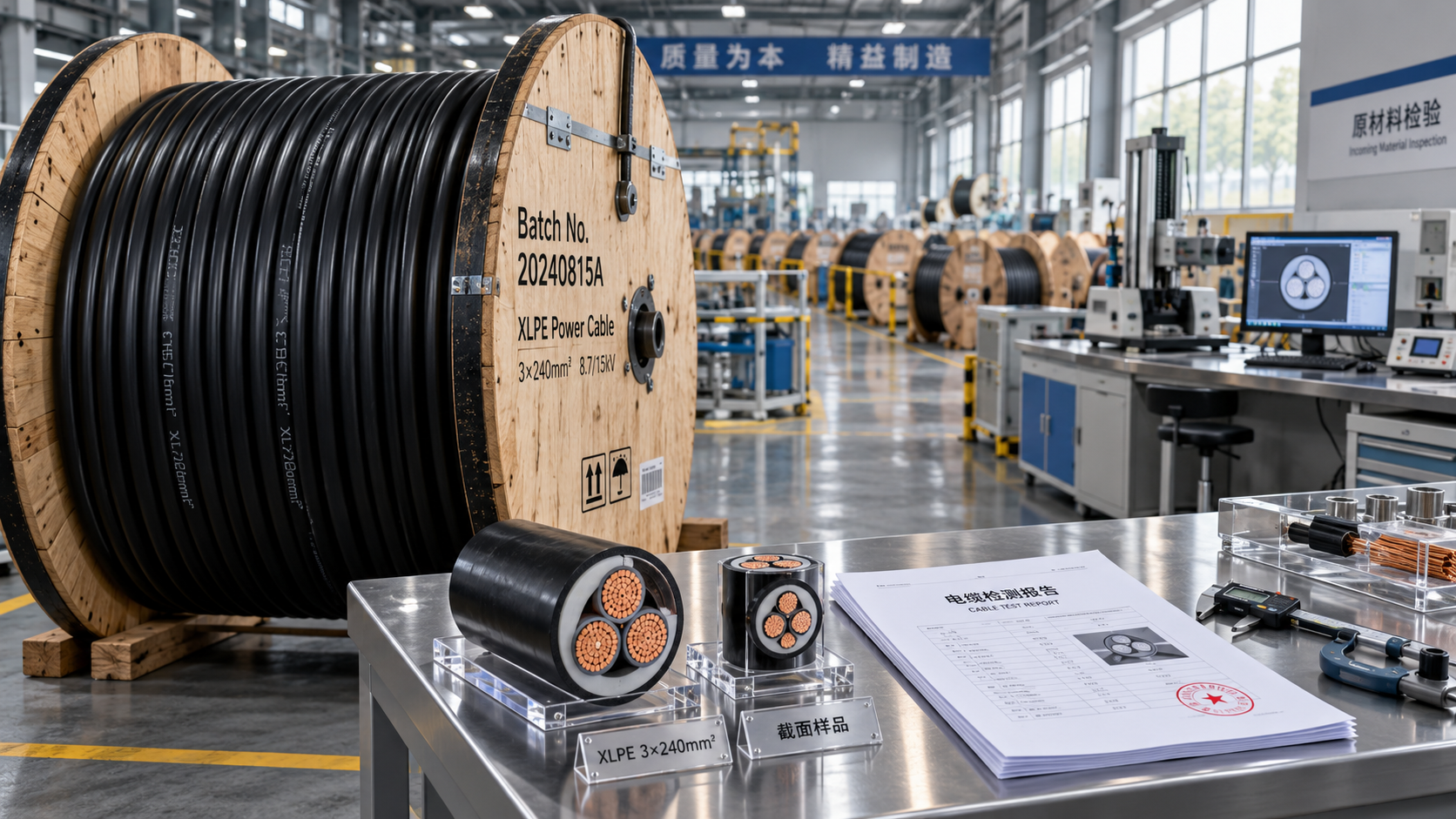
- Choosing an XLPE Power Cable Supplier: Test Reports, Traceability, and Lead TimesAuthor :Grid Infrastructure Analyst
Expert Insights

Chief Security Architect
Dr. Thorne specializes in the intersection of structural engineering and digital resilience. He has advised three G7 governments on industrial infrastructure security.
Related Analysis
- Oct 19, 2026Air Handling Unit Supplier Checklist: Performance Data, Lead Times, and SupportAuthor :Environmental Engineering Director
- Oct 18, 2026Buying Fiberglass Water Tanks Wholesale: Compare Quotes and Delivery CostsAuthor :Environmental Engineering Director
- Oct 17, 2026Choosing an XLPE Power Cable Supplier: Test Reports, Traceability, and Lead TimesAuthor :Grid Infrastructure Analyst
Core Sector // 01
Security & Safety
- Air Handling Unit Supplier Checklist: Performance Data, Lead Times, and SupportAuthor :Environmental Engineering Director

- Buying Fiberglass Water Tanks Wholesale: Compare Quotes and Delivery CostsAuthor :Environmental Engineering Director

- Choosing an XLPE Power Cable Supplier: Test Reports, Traceability, and Lead TimesAuthor :Grid Infrastructure Analyst

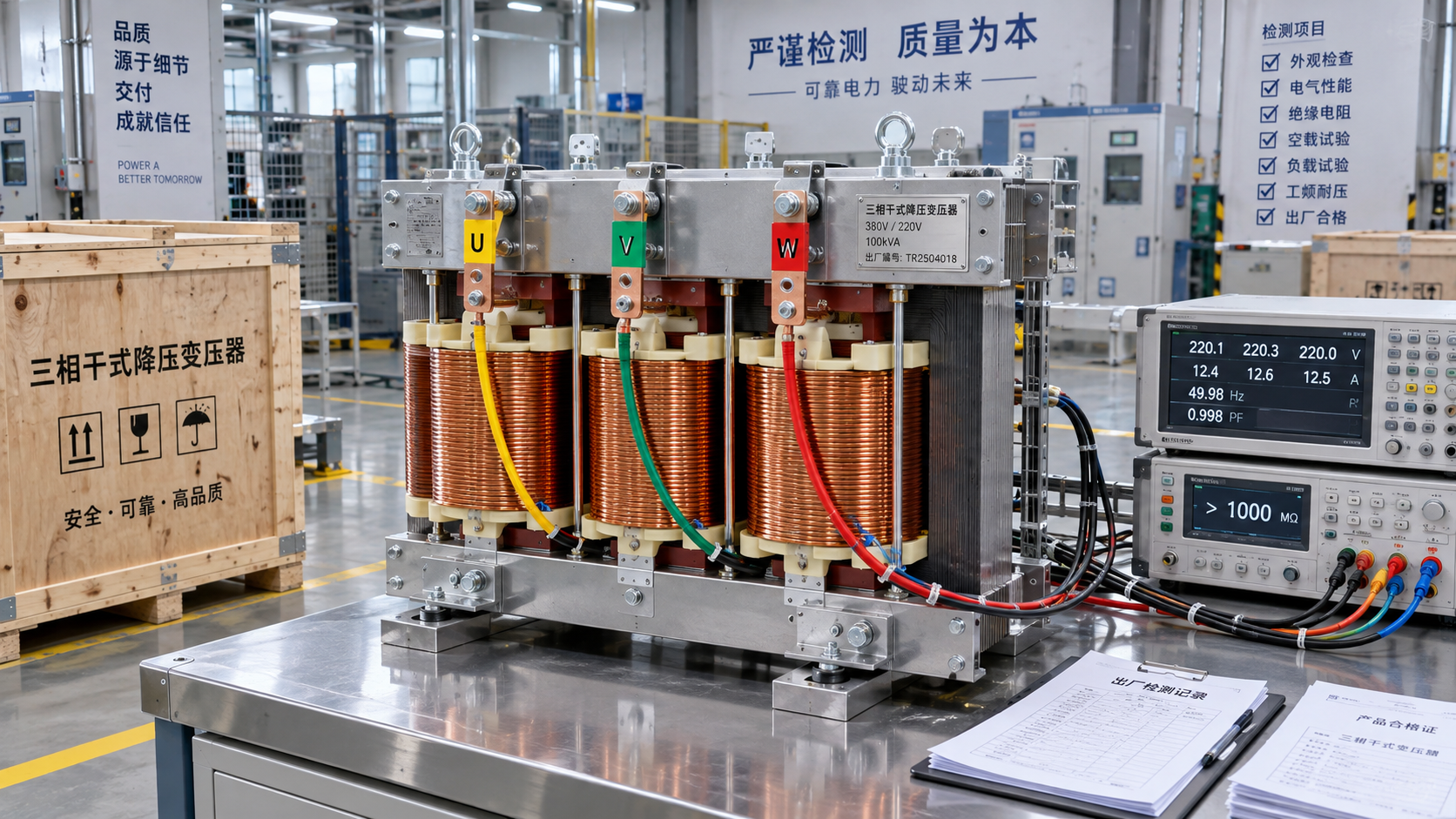
- Choosing a Step-Down Transformer Supplier: Test Reports, Lead Times, and WarrantyAuthor :Grid Infrastructure Analyst

- Choosing a 5-Part Hematology Analyzer: Throughput, Sample Volume, and QCAuthor :Precision Metrology Expert

- Choosing a Bluetooth Total Station: Software Compatibility and Connection RangeAuthor :Precision Metrology Expert

- Material Testing Standards: ASTM E8 vs. ISO 6892-1 for Metal Tensile TestsAuthor :Precision Metrology Expert

- How to Select Industrial Emission Control Systems for High-Dust Manufacturing LinesAuthor :Environmental Engineering Director