Why wholesale GPS trackers differ so much in standby time
Author
Date Published
Reading Time
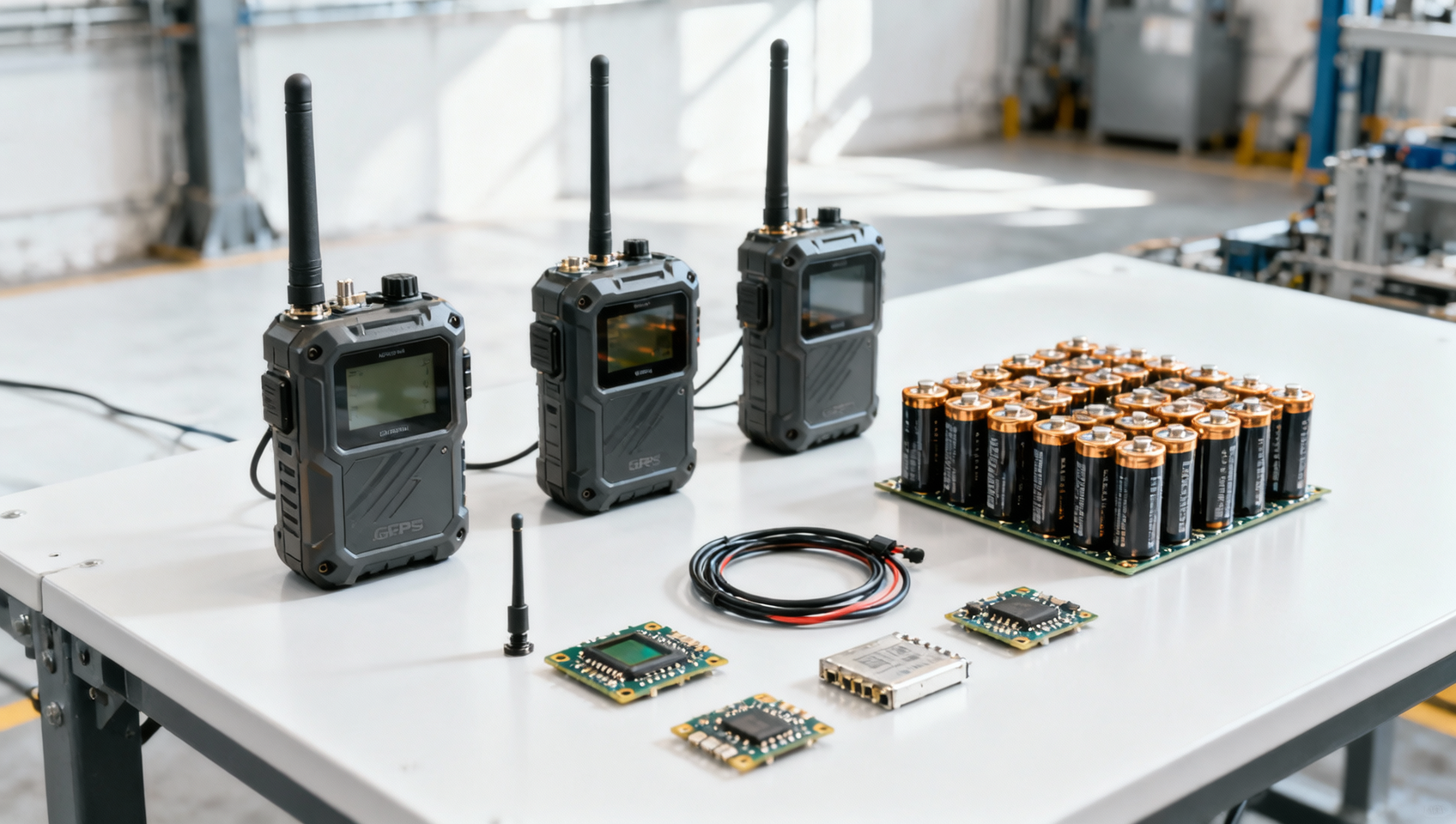
Why do wholesale GPS trackers with similar specs show dramatically different standby time in real-world use? For buyers comparing fleet management devices, the answer goes far beyond battery size. Power consumption, network behavior, reporting intervals, sensor design, and firmware optimization all shape device longevity. This guide helps researchers, operators, procurement teams, and decision-makers understand what truly affects standby performance before choosing the right tracker for cost, reliability, and deployment scale.
What really determines standby time in wholesale GPS trackers?
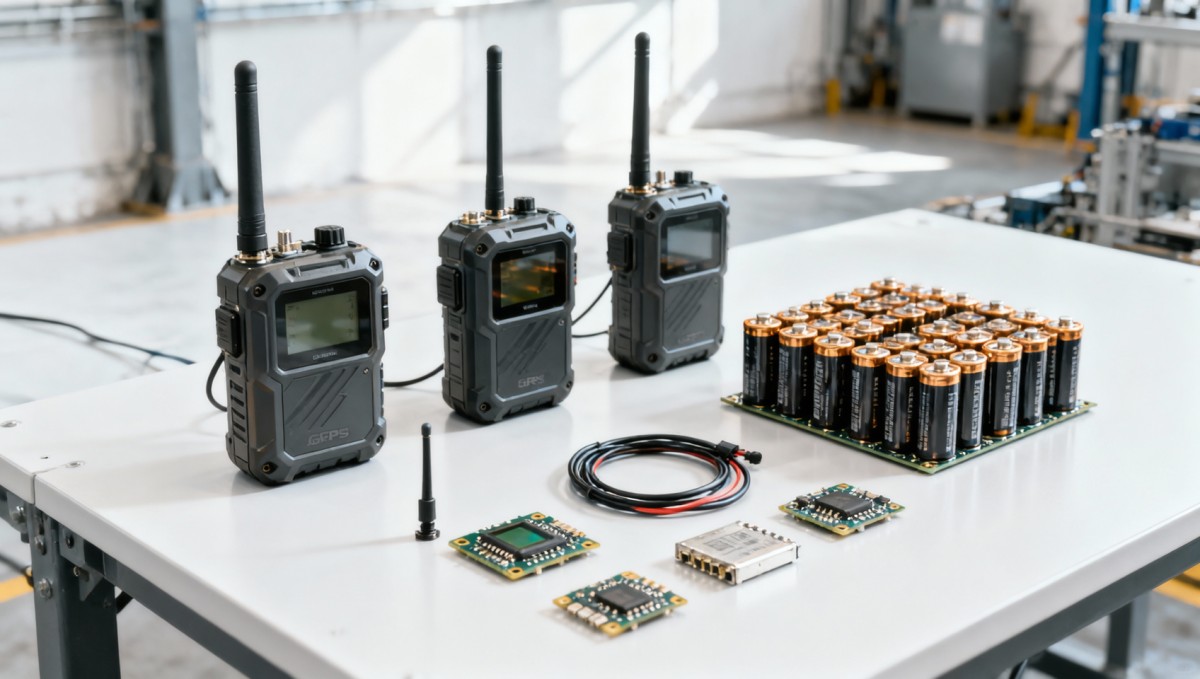
In bulk purchasing, standby time is often treated as a simple battery question. In practice, it is a system-level result. Two wholesale GPS trackers may both list a 5,000 mAh battery, yet one may remain operational for 20–30 days in low-report mode while another drops much faster under the same field conditions. The difference usually comes from how the device manages GPS wake cycles, cellular registration, voltage stability, and sleep-state transitions.
For information researchers, the first point to understand is that vendor standby claims are usually based on controlled conditions. These may include one location report every 12–24 hours, stable 4G coverage, moderate ambient temperature, and minimal movement. Operators working with vehicles, trailers, generators, or mobile assets rarely enjoy those conditions. In industrial and logistics environments, vibration, weak signal areas, and repeated ignition events can increase power draw significantly.
For procurement teams, the key issue is comparability. One supplier may define standby as the time from full charge to shutdown with GPS disabled most of the time. Another may define it with periodic heartbeat transmission every 30 minutes. Without clarifying the test scenario, standby figures are not directly comparable. This is why sourcing decisions should always review current consumption in sleep mode, active GPS mode, and network transmission mode as separate parameters.
For enterprise decision-makers, standby time also affects deployment economics. A tracker that requires charging every 7–10 days may look inexpensive at unit level, but service labor, downtime, and maintenance visits can raise total ownership cost sharply across 500 or 5,000 units. GIC typically advises industrial buyers to treat standby time as an operational reliability metric rather than a marketing headline.
The four power domains buyers should verify
- Sleep current: This shows how much power the tracker uses when no report is being sent. Even a difference of a few milliamps can materially change standby duration over 30–90 days.
- GNSS acquisition current: Devices that take longer to obtain a location fix consume more energy, especially in urban canyons, indoor loading bays, or covered parking areas.
- Cellular transmission current: LTE Cat 1, Cat M, NB-IoT, and 2G fallback modes do not behave the same. Network searching and repeated registration attempts can drain batteries quickly.
- Peripheral load: Accelerometers, temperature probes, BLE gateways, relays, and tamper sensors all add continuous or event-driven consumption.
Why similar data sheets can still mislead
Many data sheets compress power behavior into only one or two lines. That creates confusion for users and buyers. A device may advertise long standby because its firmware enters deep sleep after a fixed idle period, while another prioritizes instant wake-up and more frequent health checks. The second design may be more suitable for theft prevention or high-value asset monitoring, even though its headline standby figure looks weaker.
Industrial buyers should therefore ask not only “How long does it last?” but also “Under what reporting schedule, what network condition, and what sensor load?” This framing creates a much more reliable basis for product comparison and avoids poor field performance after deployment.
Which technical factors create the biggest standby time gap?
The largest standby time differences in wholesale GPS trackers usually come from five technical variables: battery quality, communication technology, firmware logic, sensor architecture, and environmental operating conditions. These variables interact. A tracker with a larger battery but poor power management can underperform a smaller, better-optimized device. That is why technical due diligence matters more than brochure comparisons.
Battery chemistry and cell grade matter first. Two batteries may share the same nominal capacity, but internal resistance, low-temperature behavior, and cycle consistency can differ. In outdoor asset tracking, temperatures below 0°C or above 45°C can reduce usable energy or accelerate voltage drop. For construction fleets, field machinery, and remote containers, this can create a visible gap between laboratory standby and real operating life.
Communication behavior matters just as much. A tracker that loses signal and repeatedly searches for a network may use more energy than one sending regular reports under stable coverage. In warehouses, ports, mining edges, and cross-border routes, trackers often move through changing radio environments. For this reason, standby time must be assessed alongside local carrier compatibility, roaming behavior, and antenna efficiency.
Firmware optimization is often the hidden differentiator. Better firmware can reduce wake-up duration, batch transmissions, control GNSS retry logic, and suppress unnecessary sensor polling. Over a 30-day or 60-day deployment cycle, these small efficiencies add up. This is particularly relevant in large B2B rollouts where even a 10% improvement in power efficiency can reduce service interventions across the fleet.
Typical causes of standby variance
The table below helps buyers see why two devices that appear similar on paper can perform very differently once installed.
This comparison shows why battery capacity alone cannot predict field endurance. In procurement reviews, the best practice is to request a power profile across at least 3 states: sleep, tracking, and transmission. If possible, ask for test results at different reporting intervals such as 5 minutes, 30 minutes, and 12 hours.
Industrial environments amplify small design differences
In light commercial use, these differences may appear manageable. In industrial use, they scale fast. A tracker mounted on metal equipment, inside power cabinets, or under trailers may struggle with signal penetration. That leads to longer GNSS acquisition time and more transmission attempts. Over 2–4 weeks, the battery gap widens. Buyers in asset-intensive sectors should test devices in the actual installation position, not only on an office bench.
GIC’s sourcing perspective is to connect tracker selection with the operating environment. Security and safety applications may favor faster event response, while low-touch asset visibility may favor long standby. The right answer is not one universal tracker, but a configuration matched to risk, maintenance access, and reporting needs.
How should procurement teams compare standby claims before placing bulk orders?
Procurement teams need a repeatable comparison method, especially when evaluating 3–6 suppliers in parallel. The most effective approach is to convert marketing claims into procurement criteria. Ask every supplier to confirm the same set of test conditions: report frequency, SIM profile, network type, ambient temperature, movement triggers, and whether accessories were active. Without that, standby claims remain apples-to-oranges.
It is also important to divide your project into deployment classes. For example, fixed assets with one report every 12 hours need a different tracker than fleet units reporting every 1–5 minutes during active driving. In practice, many enterprises overbuy high-feature trackers for low-touch assets and then struggle with battery maintenance. A more segmented sourcing strategy often reduces cost and improves operational fit.
Another critical point is delivery and service support. In wholesale GPS tracker programs, standby performance is only one part of the total procurement risk. Lead time commonly ranges from 2–6 weeks depending on volume, cellular certification region, and firmware customization. If your rollout includes custom reporting logic or protocol integration, confirm whether field optimization can be adjusted before final shipment.
For enterprise decision-makers, pilot testing is not optional. A sample run of 10–30 units over 2–8 weeks can reveal much more than a specification sheet. This stage helps validate not just battery endurance, but also alert reliability, installation burden, and network behavior under actual routes or site conditions.
A practical vendor comparison checklist
The following table can be used by buyers, sourcing managers, and technical reviewers when comparing wholesale GPS trackers for standby performance and deployment risk.
When this checklist is used consistently, procurement discussions become more objective. It also helps align technical teams, operations teams, and finance teams around the same decision criteria rather than focusing only on unit price or advertised battery size.
Three procurement mistakes that shorten real standby life
- Selecting one device type for every use case, from fleet tracking to low-mobility assets, without adjusting reporting rules.
- Ignoring network coverage maps and assuming that all 4G or multi-band support performs equally across regions.
- Approving bulk purchase before completing a field pilot across different temperatures, installation positions, and motion patterns.
These errors often explain why a device that looked acceptable in evaluation becomes costly in operation. In large-scale deployments, disciplined testing and scenario-based selection usually save more than aggressive price negotiation alone.
Which applications need long standby, and when is shorter standby acceptable?
Not every application needs maximum standby time. The right target depends on asset criticality, maintenance access, and event frequency. For example, a theft-sensitive trailer may justify more frequent reporting and shorter standby if rapid recovery is essential. By contrast, a remote container or backup generator may prioritize 60–180 day endurance with only periodic status updates.
Operators should map reporting intensity to operational value. If a tracker sends data every 3 minutes but the business only reviews asset location once per shift, the battery is being spent without practical gain. In mixed fleets, a tiered policy often works better: high-frequency mode for moving assets, low-power mode for stationary assets, and event-driven mode for sensitive equipment that requires tamper or movement alerts.
This is especially relevant in industrial sectors where assets span multiple categories. EPC contractors, facility managers, and procurement directors often oversee vehicles, mobile equipment, power assets, tools, and high-value components at the same time. A single wholesale GPS tracker program should therefore support more than one reporting profile.
The goal is not simply to maximize standby time. The goal is to allocate battery energy where it produces operational visibility, security, and maintenance efficiency. That principle leads to better sourcing decisions and fewer complaints from field teams.
Application-based standby expectations
- Fleet management: Frequent ignition events and route visibility needs usually make moderate standby acceptable, especially when wired power is available.
- Trailer and container tracking: Long standby is often a top priority because charging access may be limited for 30–90 days.
- Construction and rental equipment: Event-driven motion alerts, geofencing, and anti-theft behavior often require a balance between response speed and battery endurance.
- Remote infrastructure assets: Backup power units, pumps, cabinets, and environmental systems generally benefit from low reporting frequency and extended service intervals.
Standards, compliance, and operating discipline
For industrial buyers, electrical safety, regional communication approvals, and environmental durability remain essential even when the main focus is standby time. Depending on destination market and installation context, procurement teams may need to confirm CE, UL-related pathways, or broader ISO-managed quality processes at supplier level. The exact requirement depends on country, application, and integration method.
Good standby performance loses value if the tracker fails under vibration, moisture ingress, or thermal stress. That is why buyers should review not just battery claims, but enclosure design, charging method, connector protection, and operating temperature range. In many cases, a slightly shorter standby device with more predictable field reliability is the better industrial choice.
Common misconceptions, implementation tips, and next steps for buyers
One common misconception is that a bigger battery always means a better wholesale GPS tracker. In reality, poor firmware, unstable networks, and unnecessary sensor activity can consume the advantage quickly. Another misconception is that lab-tested standby reflects field life. Real deployment introduces motion, signal loss, temperature change, and installation constraints that can materially reduce endurance.
A second mistake is to evaluate tracker cost without considering service burden. If one option saves a small amount on unit price but requires battery servicing twice as often over a 12-month period, the total operational cost may be higher. Procurement teams should compare not just device price, but maintenance frequency, installation labor, firmware flexibility, and replacement planning.
For implementation, a four-step process is usually effective: define use cases, shortlist devices, run a controlled field pilot, then finalize the reporting policy before mass rollout. This sequence helps ensure that standby expectations are realistic and aligned with operational needs. It also reduces disputes between technical teams and commercial teams after purchase.
For organizations sourcing across regions or across multiple industrial asset types, structured guidance becomes even more valuable. That is where GIC supports buyers with data-driven product evaluation logic, scenario mapping, and sourcing intelligence tailored to infrastructure, safety, and operational continuity priorities.
FAQ: questions buyers often ask before ordering
How should I compare two standby claims from different suppliers?
Ask both suppliers to restate standby time under the same conditions: network type, reporting interval, movement trigger status, and temperature range. If one figure is based on one report every 24 hours and another is based on one report every 30 minutes, the values are not comparable. Request separate current figures for sleep, GNSS fix, and data transmission.
What reporting interval is typical for balancing visibility and battery life?
There is no single answer, but common ranges are every 1–5 minutes for active fleet visibility, every 15–60 minutes for moderate monitoring, and every 6–24 hours for low-touch assets. Event-driven alerts can then be added for movement, tamper, or geofence breach. The best interval depends on how quickly your team must act on incoming data.
How long should a field test run before bulk purchase?
A useful pilot typically lasts 2–8 weeks depending on the application. That window is usually enough to observe network behavior, charging intervals, alert frequency, and installation effects across real operating cycles. For stationary assets with long-report intervals, longer observation may be necessary to validate battery trends properly.
Why work with GIC for sourcing guidance and technical clarification?
Global Industrial Core supports procurement and engineering teams that cannot rely on surface-level product claims when asset visibility, safety, and operational continuity are at stake. Our focus is not limited to unit pricing. We help buyers examine standby assumptions, communication fit, environmental suitability, and deployment risk across industrial scenarios.
If you are comparing wholesale GPS trackers for fleet management, remote assets, trailers, or mixed industrial equipment, you can consult GIC on practical topics such as parameter confirmation, reporting logic, pilot test planning, regional compliance considerations, delivery cycle expectations, and supplier comparison frameworks. We also help teams structure sample evaluation, shortlist appropriate configurations, and align sourcing decisions with real operating demands.
For the next step, contact GIC with your target application, expected reporting frequency, battery service interval, deployment region, and estimated order volume. That allows a more useful discussion around product selection, customization boundaries, certification questions, sample support, and quotation communication without losing time on mismatched options.
Technical Specifications
Expert Insights

Chief Security Architect
Dr. Thorne specializes in the intersection of structural engineering and digital resilience. He has advised three G7 governments on industrial infrastructure security.
Related Analysis
- Apr 25, 2026China Launches World's Largest Agri-Meteorological Observation NetworkAuthor :Precision Metrology Expert
- Apr 25, 2026Binggang Group & AHUT Advance Steel Slag Valorization TechAuthor :Heavy Industry Strategist
- Apr 25, 2026China Leads First ISO Standard for Zero-Carbon CitiesAuthor :Environmental Engineering Director
Core Sector // 01
Security & Safety
- Reducing false alarms in Security & SafetyAuthor :Safety Compliance Lead

- IEC 62061:2026 Effective April 21, 2026 — Safety Controller Recertification RequiredAuthor :Safety Compliance Lead
![]()
- SABIC Launches Industrial Security Localization Plan in Q2 2026Author :Safety Compliance Lead
![]()
- IEC 62061:2026 Released — Higher Certification Bar for Industrial Safety Control SystemsAuthor :Safety Compliance Lead
![]()
- Smart peephole viewers: night vision quality is not all the sameAuthor :Safety Compliance Lead

- Video door phones wholesale: wired systems still win in some jobsAuthor :Safety Compliance Lead

- Wireless intercom systems drop audio in buildings with thick wallsAuthor :Safety Compliance Lead

- Wholesale baby monitors: when extra features become false comfortAuthor :Safety Compliance Lead