Video door phones wholesale: wired systems still win in some jobs
Author
Date Published
Reading Time
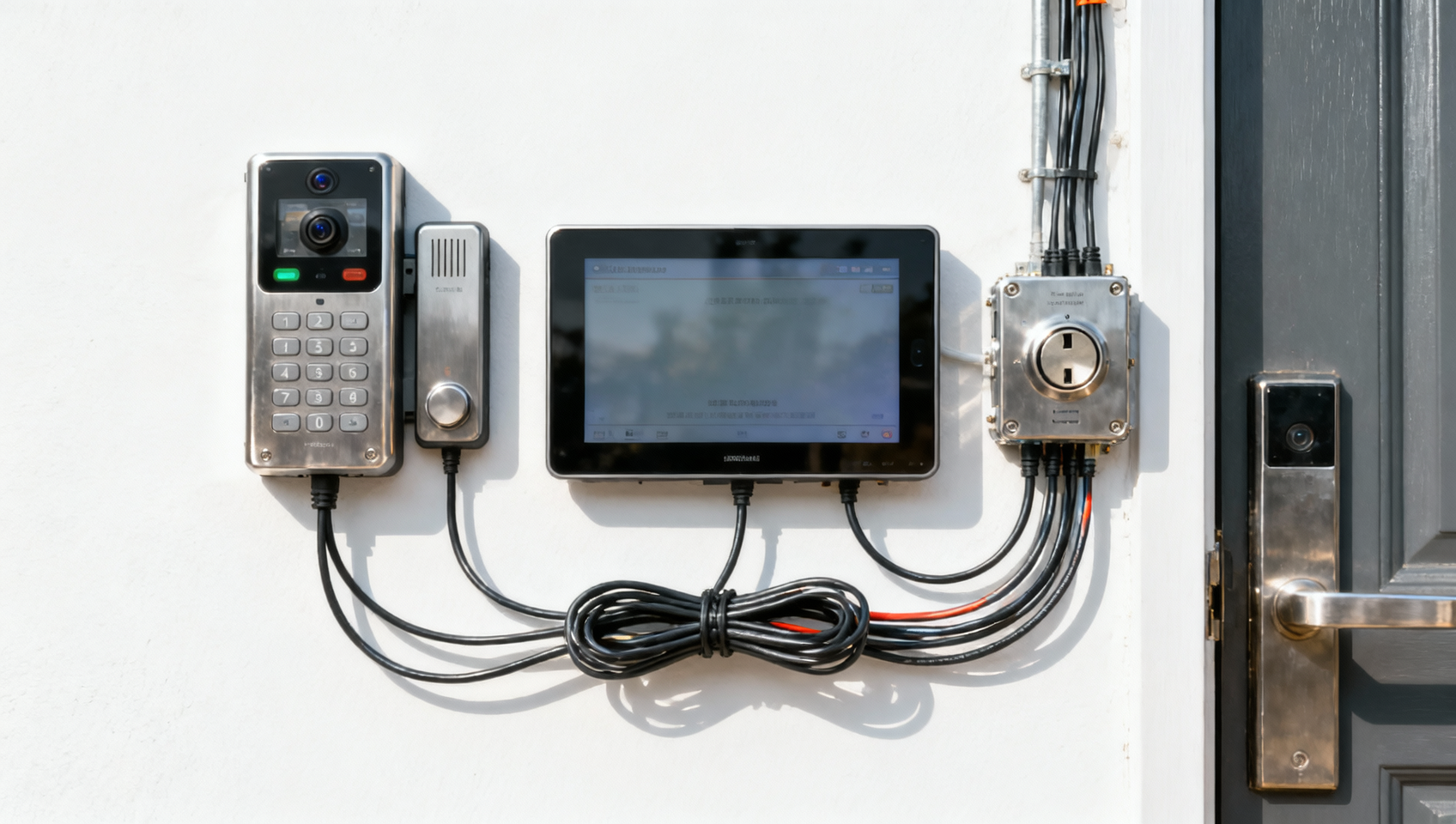
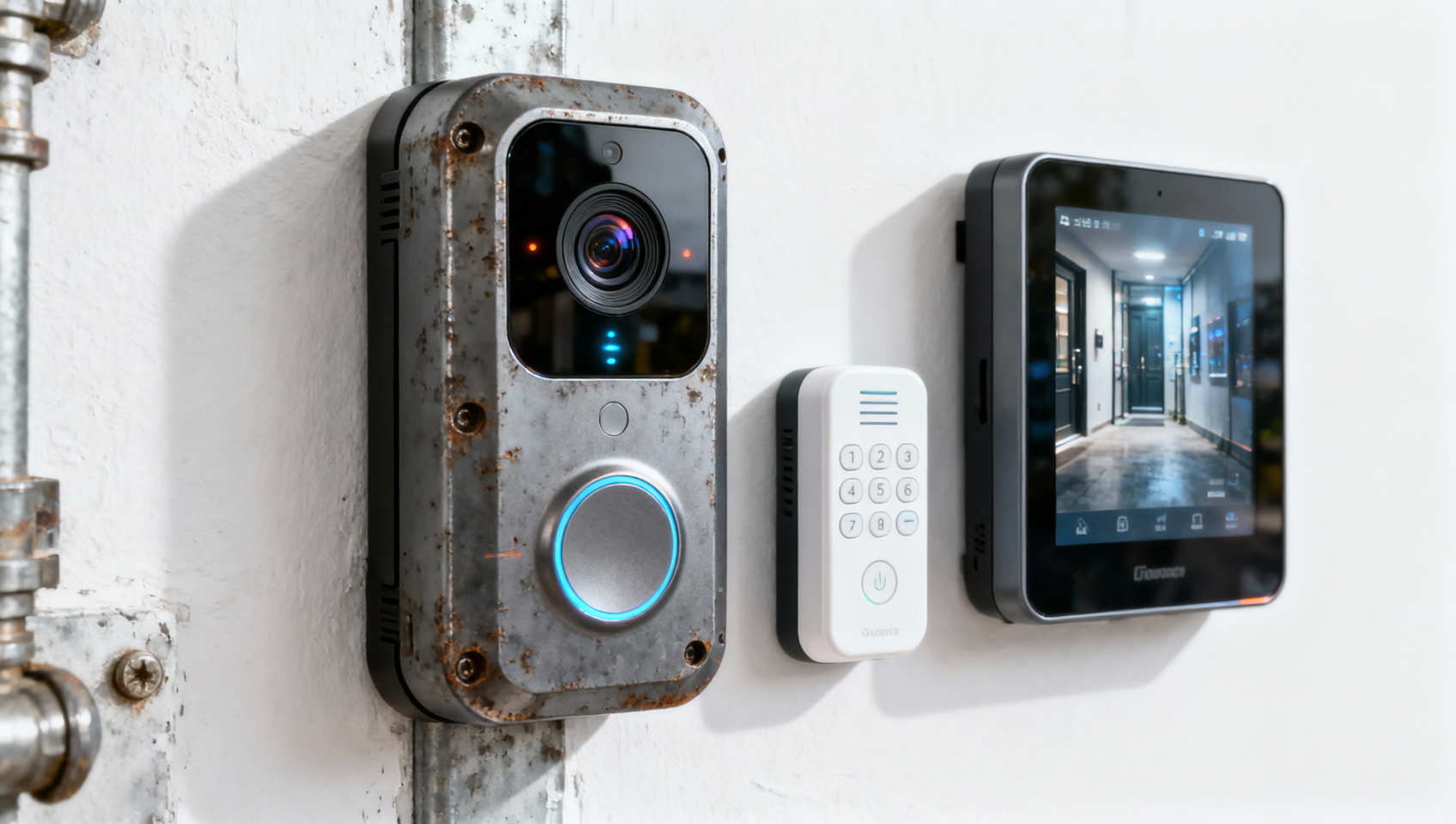
For many projects, video door phones wholesale still favors wired systems because they deliver stable power, lower signal interference, and dependable long-term performance. While wireless intercom systems and smart peephole viewers fit light-duty upgrades, industrial and commercial buyers often choose wired solutions where security, uptime, and integration matter most. This guide explains where wired video door phones continue to outperform newer options and how procurement teams can evaluate the right fit.
Why wired video door phones still matter in commercial and industrial projects
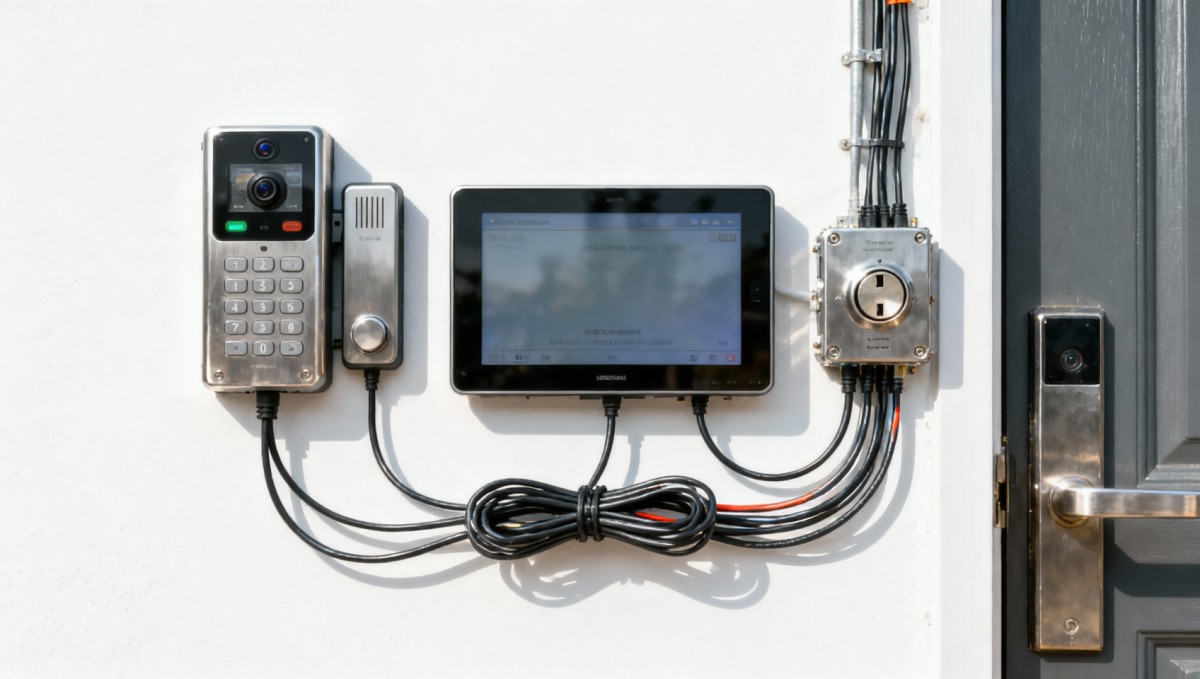
In the wholesale market, wired video door phones remain a practical choice for sites that cannot tolerate unstable access control. This includes factories, logistics parks, office compounds, dormitories, substations, and mixed-use buildings where entry points must operate every day with minimal interruption. In these jobs, system reliability over 3–5 years often matters more than app novelty or quick DIY installation.
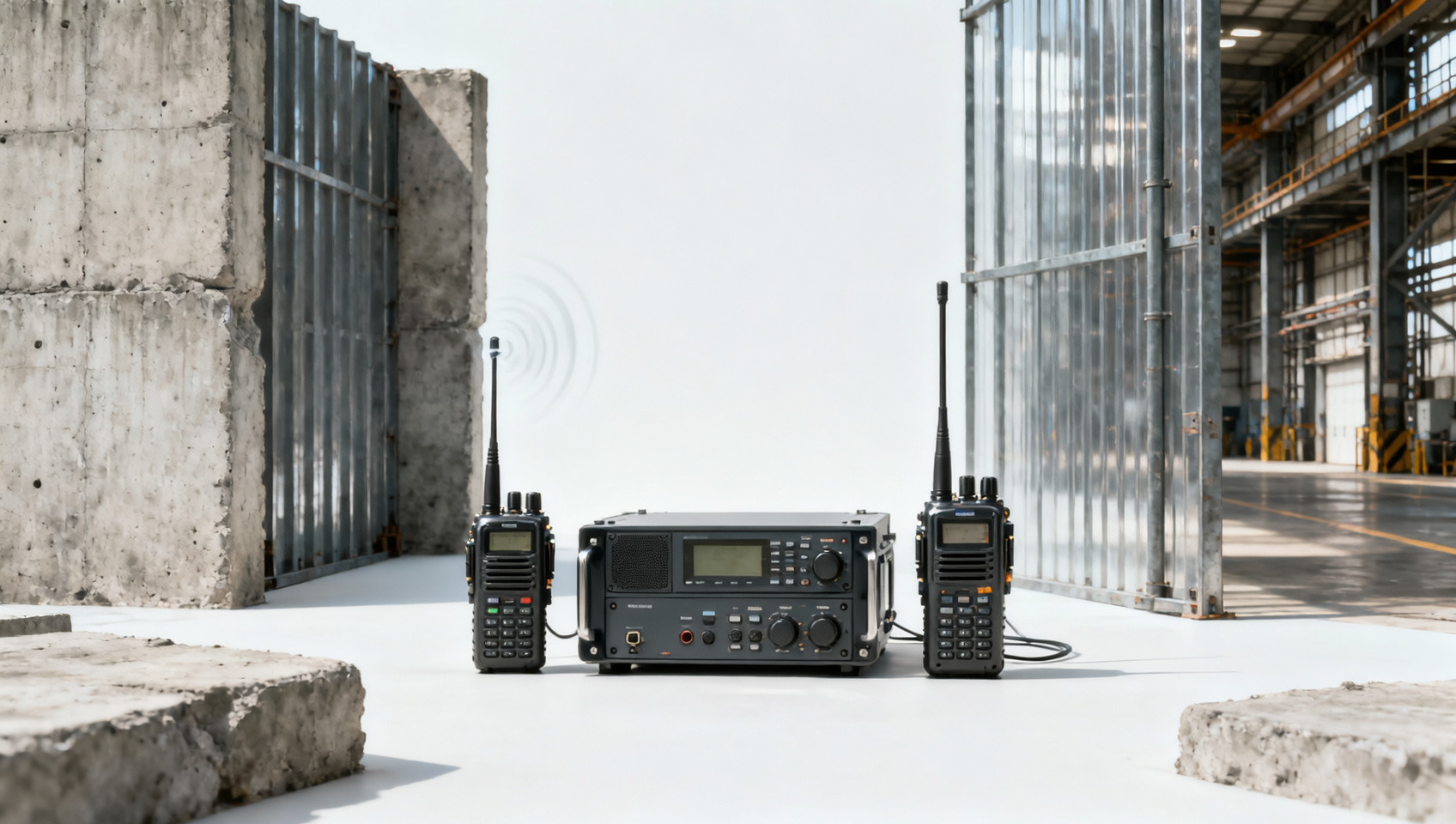
Operators and facility teams usually prefer wired systems because power and signal travel through a controlled path. That reduces common field complaints such as dropped calls, delayed unlocking, poor audio during peak wireless congestion, or battery-related failure at the outdoor station. For entrances exposed to metal structures, thick concrete, elevators, and electrical equipment, cable-based transmission often produces more predictable results.
From a procurement perspective, video door phones wholesale is not only about unit price. Buyers compare life-cycle stability, maintenance frequency, compatibility with locks and controllers, and installation risk. A lower-cost wireless kit may fit a 1-door retrofit, but a 12-door apartment block or a 4-gate industrial perimeter usually benefits from a more structured wired architecture and clearer maintenance responsibility.
For decision-makers, the key question is simple: where does failure cost more than cabling? In sites with shift-based access, delivery traffic, or visitor screening, even short interruptions can affect safety and workflow. That is why many EPC teams and facility managers continue to specify wired video intercom systems during new builds, major refurbishments, and security upgrades with a 2–4 week implementation window.
Core strengths buyers usually prioritize
- Stable power delivery to indoor monitors and outdoor panels, reducing dependence on batteries or variable wireless power states.
- Lower susceptibility to signal interference in dense concrete, steel-frame, or electrically noisy environments.
- Easier integration with electric strikes, magnetic locks, gate controllers, access logs, and central guard stations.
- More consistent long-term operation where equipment is expected to run daily with quarterly inspections instead of constant user troubleshooting.
Which job types favor wired systems over wireless alternatives?
Not every project needs wiring, but several job types repeatedly favor it. New construction is the most obvious case because cabling can be planned together with power, low-voltage, and door hardware. When the pathway is designed early, installation becomes cleaner, and future troubleshooting becomes easier. That is especially useful in multi-tenant, high-traffic, or security-sensitive buildings.
Industrial facilities are another strong fit. Warehouses, plants, utilities rooms, and service compounds often have environmental noise, long operating hours, and access points spread across multiple zones. In these conditions, a wired video intercom can support fixed indoor stations, guard desks, and relay-based unlocking with fewer communication interruptions across a 50–300 meter local run, depending on system design and cable selection.
Residential towers and staff housing also continue to use wired solutions at scale. Once the number of indoor units increases, centralized management becomes important. Building teams may need entrance call routing, floor station coordination, visitor verification, and maintenance access. A structured wired setup can simplify these recurring tasks better than scattered consumer-grade wireless devices.
Retrofits are more nuanced. If wall opening is limited or heritage finishes must be preserved, wireless may be the practical answer. But if conduit already exists, or if security incidents have pushed management toward a more dependable solution, upgrading to a wired video door phone system can still be justified. The decision usually depends on cable pathway availability, labor conditions, and required integration depth.
Application scenarios that commonly justify wired deployment
The pattern is clear: the more doors, users, shifts, or integration points a site has, the stronger the case for wired video door phones wholesale. Wireless products remain useful, but they are usually strongest in low-density, low-complexity, and fast-install scenarios rather than mission-critical entry control.
A simple site screening approach
Before shortlisting suppliers, many teams use 4 screening questions. How many doors must be controlled? Is 24/7 operation required? Does the system need lock, gate, or guard-room integration? Is there an existing cable pathway? If the answer is yes to at least 3 of these 4 points, wired systems usually deserve priority evaluation.
Wired vs wireless video door phones: what really changes in operation and cost?
Many buyers assume the decision is just installation speed versus old-fashioned cabling. In reality, the more relevant comparison is operational predictability versus convenience. Wired video door phones typically require more planning and labor at the front end, but they can reduce recurring service issues over the next 12–36 months, especially when multiple users depend on the same entrance hardware.
Wireless systems can lower initial disruption. That makes them attractive for small shops, villas, or quick security upgrades. However, performance can vary with wall composition, router quality, user device settings, and local network congestion. In commercial settings, that variability becomes a procurement risk because support calls, false fault reports, and user dissatisfaction create hidden operating cost.
A more disciplined comparison should include at least 5 cost dimensions: equipment price, installation labor, commissioning effort, maintenance frequency, and downtime impact. For a single door, wireless may save money. For 8 indoor stations, 2 exterior entrances, and shared guard monitoring, the wired option may offer better total value even if the initial quote is higher.
This is where structured sourcing matters. GIC supports procurement and engineering teams by translating technical differences into decision-ready evaluation criteria. Instead of comparing products only by brochure features, buyers can assess long-term fit based on installation conditions, compliance needs, and support complexity across the full project cycle.
Decision table for wholesale buyers
For users and operators, the practical takeaway is simple: if the entrance must work the same way every day for many people, wired systems often justify their higher setup effort. If the site is small, temporary, or architecturally sensitive, wireless may remain the more economical path.
Common cost mistake
A frequent procurement mistake is comparing only hardware price per kit. A better method is to compare 3 layers of cost: installation cost in week 1, service cost over 12 months, and replacement or upgrade cost over 24–36 months. This framework usually prevents under-budgeting in projects with multiple doors or shared occupancy.
What should procurement teams check before placing a wholesale order?
A strong wholesale purchase begins with site definition, not catalog browsing. Buyers should confirm the number of doors, indoor stations, unlocking method, communication distance, and mounting environment before asking for quotations. Without that baseline, it is easy to receive mismatched offers that look comparable on price but differ significantly in relay capacity, monitor type, or installation scope.
The second step is compatibility review. A video door phone may need to work with electric strikes, magnetic locks, gate motors, card readers, or existing guard-room equipment. Procurement teams should also ask whether the system uses dedicated wiring, bus architecture, or network-based structure, because this affects cable planning, expansion options, and maintenance responsibilities over time.
Third, check practical compliance and environmental fit. For many commercial and industrial projects, buyers will request documentation aligned with CE, UL, or relevant ISO-managed quality processes depending on target market and installation jurisdiction. Outdoor units may also need appropriate protection against dust, moisture, or temperature variation, especially for entrances exposed to rain, heat, or frequent washdown conditions.
Finally, ask about support boundaries. In video door phones wholesale, confusion often arises between product warranty, installation quality, and configuration support. Clear communication on lead time, spare parts availability, sample policy, and commissioning guidance can reduce project friction. Typical production and shipping cycles may range from 2–6 weeks depending on quantity, customization, and destination market.
A practical 6-point procurement checklist
- Confirm door count, monitor count, and whether the project is single-building or multi-block.
- Define lock type and opening logic, including fail-safe or fail-secure preference where applicable.
- Measure cable route conditions, distance ranges, and conduit availability before final specification.
- Review environmental exposure such as rain, dust, vibration, temperature fluctuation, and tamper risk.
- Check documentation needs, including commercial certifications and project submittal requirements.
- Ask for spare part policy, firmware or configuration support, and expected lead time for repeat orders.
Parameter and selection guide
The table below helps procurement teams turn broad requirements into specification questions. It is especially useful when comparing 2–3 suppliers that all claim to serve commercial and industrial installations but differ in actual deployment fit.
When these points are clarified early, buyers can compare quotations on a like-for-like basis. That helps avoid the common problem of selecting the lowest bid only to discover later that additional power supplies, lock interfaces, or outdoor protection accessories were not included.
Common misconceptions, implementation risks, and what experienced teams do differently
One misconception is that wired systems are outdated by definition. In reality, many modern wired video intercoms support features that buyers still want today, including indoor monitor communication, controlled unlocking, integration with wider security architecture, and structured multi-user deployment. The key distinction is not old versus new, but consumer convenience versus site-level dependability.
Another misconception is that wireless always costs less. For a small retrofit, yes, that can be true. But in projects where maintenance teams repeatedly troubleshoot connectivity, device permissions, power issues, or user settings, the total operating burden rises. The hidden cost shows up in service tickets, delayed visitor processing, and repeated technician visits over 6–12 months.
Implementation risk usually comes from incomplete front-end review. Cable route assumptions, lock voltage mismatch, monitor placement errors, and poor weather protection are more common causes of failure than the basic idea of wired deployment. Experienced teams reduce these risks by validating drawings, confirming interface details, and testing one representative door before full rollout.
For organizations managing critical facilities, the lesson is clear: choose the system that matches the operational environment, not the trend cycle. GIC focuses on this kind of sourcing logic across security and infrastructure categories, helping industrial buyers align equipment choice with uptime, compliance, and field practicality rather than surface-level feature comparison alone.
FAQ for search and procurement planning
Are wired video door phones better for all projects?
No. They are better for many projects, especially those with multiple users, heavy daily traffic, and integration needs. For a single-family retrofit or temporary office unit, a wireless option may be sufficient. The better question is whether the site requires stable operation across 1 door, 10 users, or 24/7 access cycles without frequent user intervention.
What is the normal lead time in video door phones wholesale?
Lead time varies by order volume, customization, and destination. In common B2B sourcing practice, standard models may move within 2–4 weeks, while customized configurations, project packaging, or mixed accessory orders can extend to 4–6 weeks. Buyers should confirm whether samples, spare monitors, and lock interfaces are included in the same shipment plan.
What should operators care about after installation?
Operators should focus on 4 points: call clarity, unlock response, monitor usability, and outdoor panel durability. Routine checks can be scheduled monthly or quarterly depending on site traffic. In industrial environments, it is also wise to inspect cable terminations, enclosure sealing, and button or camera condition because dust, vibration, and weather exposure affect field performance over time.
Do buyers need to ask about certifications every time?
If the project crosses borders, enters regulated channels, or forms part of a formal contractor submittal, yes. Buyers should ask what documentation is available for the target market and installation type. The exact requirement depends on local rules and customer standards, but early confirmation helps avoid delays in approval, customs handling, or project acceptance.
Why work with GIC when evaluating wired video door phones wholesale?
Global Industrial Core supports buyers who cannot afford vague sourcing decisions. In security and safety procurement, especially for facilities, EPC projects, and industrial operators, the challenge is rarely just finding a supplier. The challenge is confirming which specification fits the site, what documentation is needed, how the system integrates, and where hidden implementation risk may appear.
That is where GIC adds value. We connect technical selection with sourcing judgment across foundational industrial categories. For video door phones wholesale, this means helping teams review system architecture, door quantity, environmental conditions, wiring suitability, accessory matching, and practical compliance expectations before procurement time is lost on unsuitable options.
If you are comparing wired and wireless solutions, planning a multi-entrance upgrade, or preparing a project RFQ, you can contact GIC for focused support. Typical consultation topics include parameter confirmation, model selection logic, delivery cycle planning, customization scope, certification document review, sample support, and quotation communication for project-based procurement.
For teams responsible for uptime, budget control, and long-term reliability, the right next step is not a rushed purchase. It is a structured discussion around 3 areas: site conditions, performance requirements, and supply readiness. Share your door count, installation scenario, target timeline, and compliance needs, and GIC can help narrow the solution path before you commit budget or schedule.
Expert Insights

Chief Security Architect
Dr. Thorne specializes in the intersection of structural engineering and digital resilience. He has advised three G7 governments on industrial infrastructure security.
Related Analysis
Core Sector // 01
Security & Safety
- IEC 62061:2026 Effective April 21, 2026 — Safety Controller Recertification RequiredAuthor :Safety Compliance Lead
![]()
- SABIC Launches Industrial Security Localization Plan in Q2 2026Author :Safety Compliance Lead
![]()
- IEC 62061:2026 Released — Higher Certification Bar for Industrial Safety Control SystemsAuthor :Safety Compliance Lead
![]()
- Smart peephole viewers: night vision quality is not all the sameAuthor :Safety Compliance Lead

- Video door phones wholesale: wired systems still win in some jobsAuthor :Safety Compliance Lead

- Wireless intercom systems drop audio in buildings with thick wallsAuthor :Safety Compliance Lead

- Wholesale baby monitors: when extra features become false comfortAuthor :Safety Compliance Lead

- Fleet management devices: hidden costs beyond the monthly planAuthor :Safety Compliance Lead