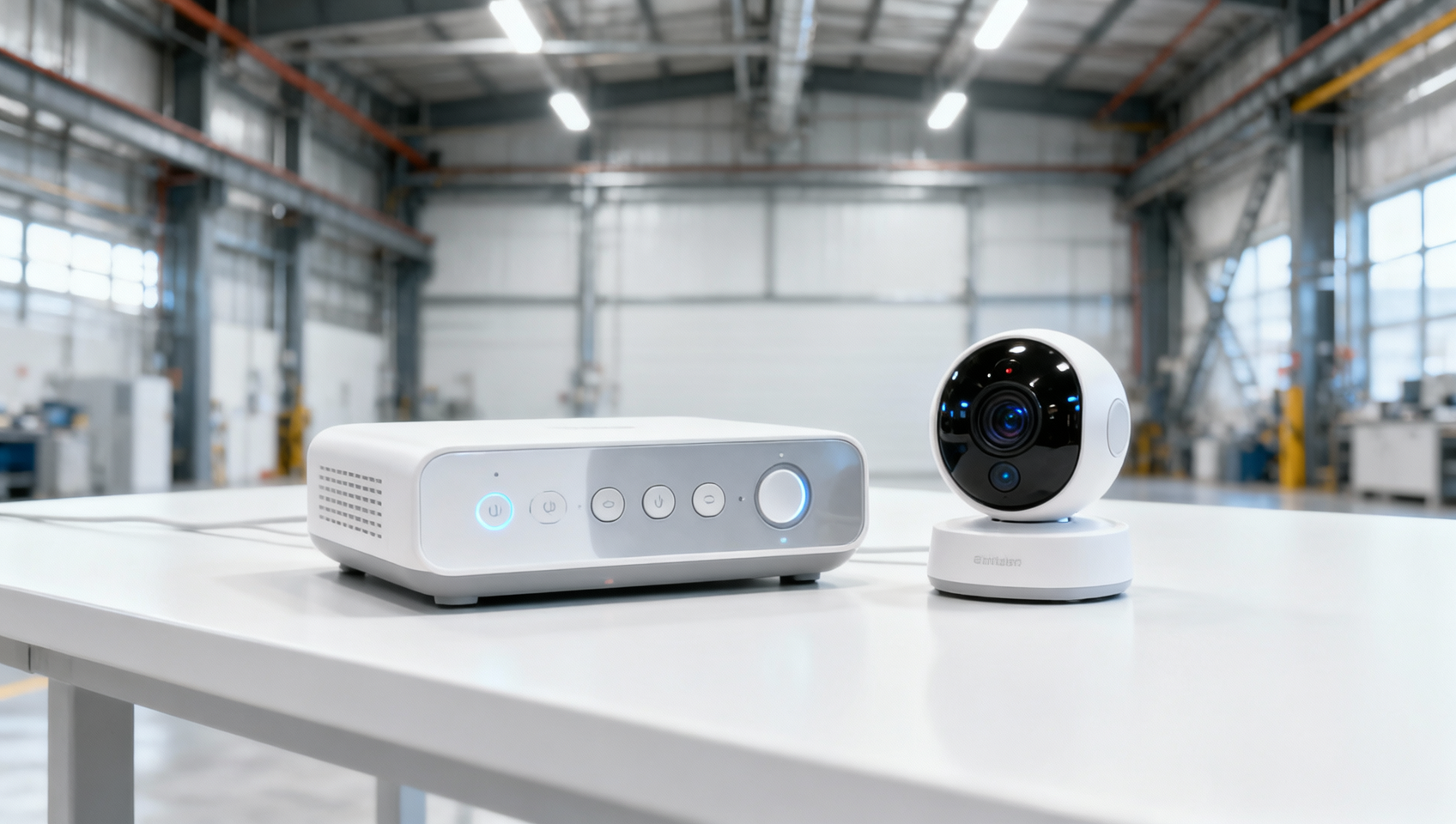
Dashcam dual lens setups miss details if cabin lighting is wrong
Author
Date Published
Reading Time
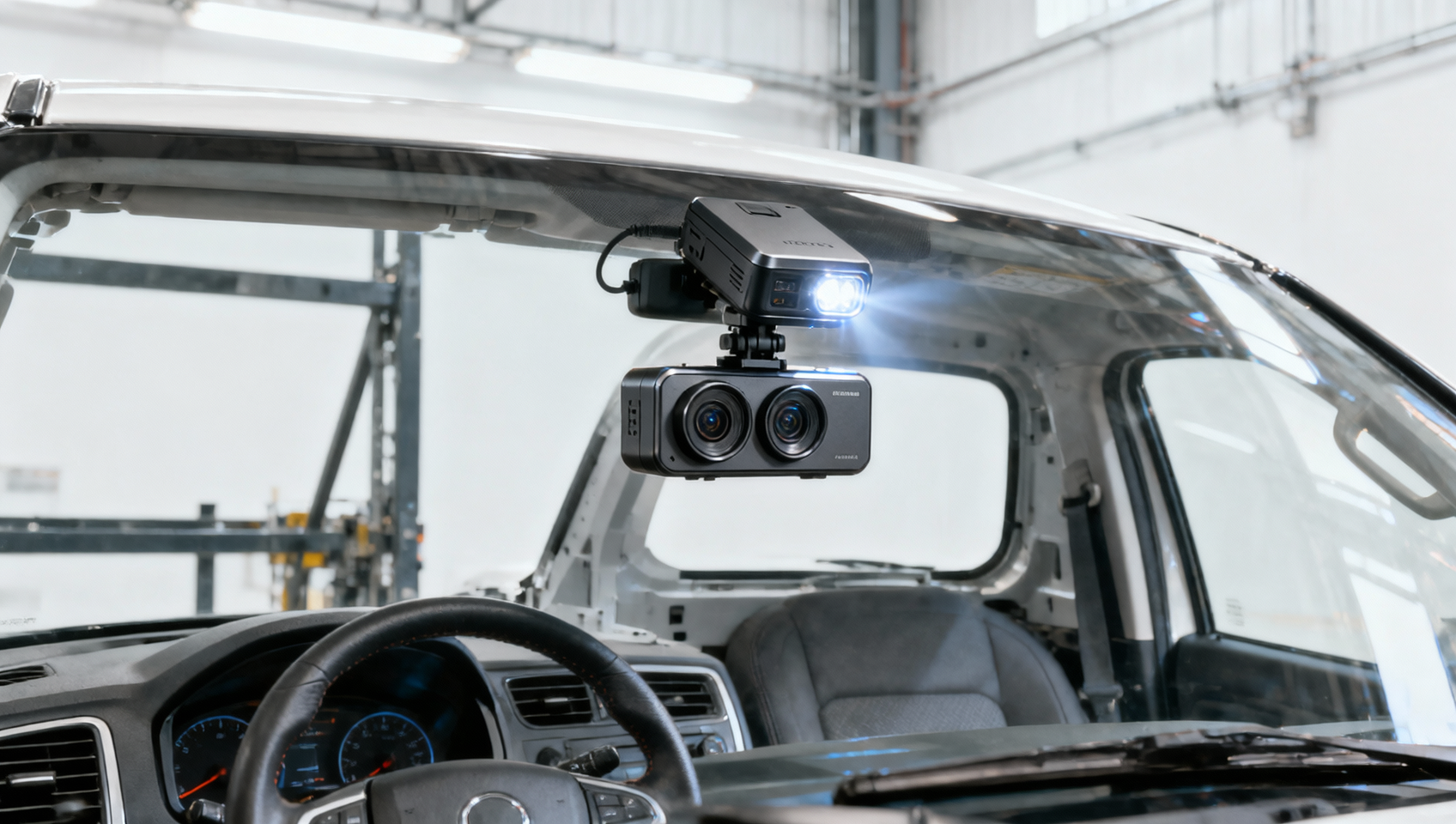
A dashcam dual lens system can look advanced on paper, yet poor cabin lighting often causes glare, weak facial detail, and unreliable evidence when it matters most. For fleet managers, operators, and buyers comparing wholesale dash cams, body worn cameras oem options, or fleet management devices, understanding how interior illumination affects recording quality is essential before making a safety-driven procurement decision.
Why cabin lighting becomes the weak point in a dashcam dual lens setup
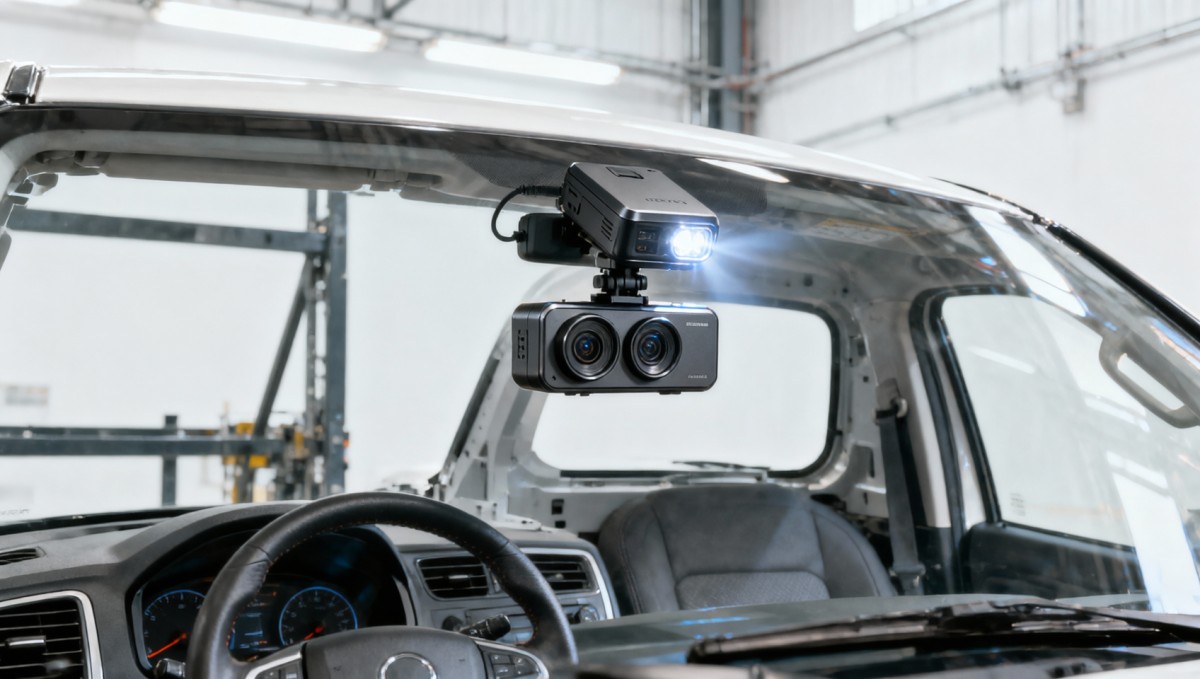
In many procurement reviews, buyers focus first on resolution, storage, and lens count. Yet in a dashcam dual lens design, the cabin-facing camera often fails because light conditions inside the vehicle are unstable. Daytime backlight, reflections from the windshield, instrument panel glow, and low-output dome lights can all reduce usable detail. The result is simple: a system that records video but does not always produce reliable evidence.
This matters across transport, logistics, field service, mining support fleets, municipal vehicles, and contractor operations. A front lens may still capture road events reasonably well, but the second lens depends on controlled interior exposure. When cabin lighting is too dim, faces blur. When it is too harsh, skin tones wash out and reflective surfaces bloom. In both cases, incident review becomes harder within the first 24–72 hours after an event.
Operators usually notice the problem only after a real-world dispute. Procurement teams see another issue: product comparisons become misleading because vendors may demonstrate a dashcam dual lens system in a controlled showroom rather than in mixed lighting conditions such as dawn runs, tunnel exits, night loading docks, or rain-soaked urban routes.
For industrial and commercial fleets, the real question is not whether a dual lens unit records both directions. It is whether the cabin-facing stream remains readable across 3 common light states: low light, mixed light, and sudden contrast change. This is where sourcing intelligence from a technical platform such as Global Industrial Core helps decision-makers separate marketing claims from operational suitability.
The most common lighting-related failure patterns
Cabin recording issues often appear in predictable ways. These patterns affect evidence quality, training review, and driver safety programs.
- Infrared overexposure at short distance, where the face becomes pale and lacks edge definition.
- Underexposure during night operation, especially in larger cabins or vehicles with dark interior trim.
- Windshield reflections and dashboard glare that force auto-exposure to shift every few seconds.
- Uneven side lighting from street lamps, warehouse floodlights, or passing traffic.
- Tinted glass or partition geometry that blocks useful cabin fill light and increases contrast.
When these conditions combine, the second lens may still produce footage, but not footage that supports compliance review, driver coaching, or dispute resolution. For B2B buyers, this distinction has direct value because replacing nonperforming units after installation can stretch projects by 2–4 weeks and add hidden labor costs.
Which technical factors actually determine interior recording quality?
A useful evaluation framework starts with the interaction between sensor sensitivity, lens angle, infrared design, and exposure control. Resolution alone is not enough. A 1080p cabin stream can outperform a higher-resolution option if it handles low light and glare more effectively. In fleet use, stable image quality across an 8–12 hour shift is usually more important than peak image sharpness in ideal conditions.
The next issue is lens geometry. Wider cabin lenses can capture the driver, passenger side, and partial rear seating, but they also increase the chance of hot spots from overhead lights or side windows. Narrower lenses may preserve facial detail better, yet leave blind areas that matter during incident review. The practical target is balance, not maximum coverage at any cost.
Infrared illumination must also be matched to mounting distance. In a compact vehicle, the gap between lens and driver may be roughly 50–90 cm. In a larger cab, that can extend beyond 100 cm. An infrared array tuned for a short distance may create glare in one vehicle class and fail to illuminate properly in another. That is why mixed fleet procurement should request testing by cabin type, not by catalog image alone.
Storage and compression settings influence evidence quality too. If bitrate is too aggressive, low-light footage breaks apart under motion. A buyer comparing wholesale dash cams should ask not only for recording duration, but also for night footage samples under motion, braking, and driver head movement.
Core parameters worth checking before approval
The table below summarizes practical parameter checks for a dashcam dual lens procurement review where cabin lighting is a concern.
A disciplined review should include at least 4 checks: parked night footage, moving night footage, mixed-light transition footage, and an interior clip with dashboard lights active. This gives procurement teams a more realistic basis for acceptance than brochure specifications alone.
A practical 3-step test method
Before volume orders, users and buyers can run a short verification cycle:
- Install 2–3 sample units across different vehicle cabins.
- Record during 3 time bands: daylight, dusk, and full night operation.
- Review evidence quality for facial detail, hand movement, seat belt visibility, and glare control.
This method is especially useful when comparing a standard dashcam dual lens package with body worn cameras oem deployments or broader fleet management devices that also feed safety workflows.
How should buyers compare dashcam dual lens options, body worn cameras, and fleet monitoring devices?
Not every safety recording problem should be solved by the same device. A dashcam dual lens system is strong for continuous vehicle-based coverage. Body worn cameras oem solutions are better when personnel leave the vehicle, move through loading zones, or interact with third parties. Fleet management devices add telematics, event tagging, and operational visibility. Procurement becomes more accurate when each tool is judged by task rather than by headline specification.
For example, long-haul transport fleets may prioritize continuous front-and-cabin recording. Utility contractors may need a mixed setup because operators alternate between driving and field inspection. Municipal or infrastructure service teams often want integrated data flow: video, vehicle status, time stamps, and event triggers across one reporting chain over 6–12 month operating cycles.
The biggest buying mistake is to compare all systems as if they serve the same evidence purpose. A low-cost dual lens unit may seem attractive until poor cabin lighting makes its interior footage unreliable. In that case, a slightly higher device cost can reduce later losses from disputed incidents, reinstall labor, or fragmented safety records.
Global Industrial Core advises industrial buyers to build comparisons around use-case clarity, compliance expectations, and deployment scale. Small pilot deployments, mid-volume fleet rollouts, and multinational sourcing projects each require different review depth.
Side-by-side decision matrix
The matrix below helps information researchers, operators, procurement staff, and enterprise decision-makers align the right recording tool with the right operational condition.
This comparison shows why device selection should start with operational reality. A dashcam dual lens setup remains highly valuable, but only when the cabin recording environment is engineered and verified rather than assumed.
Three procurement questions that prevent bad purchases
- Can the supplier provide test footage from at least 2 vehicle types and 3 lighting conditions?
- Does the system support the retention period, event export process, and installation method required by your fleet?
- If cabin footage is weak, is there an alternative configuration using body worn cameras oem or integrated fleet management devices?
These questions are especially relevant in projects with tight rollout windows of 7–15 days for pilot batches or 3–6 weeks for scaled deployment.
What should procurement teams check for compliance, installation, and total cost?
In B2B fleet purchasing, image quality is only one layer. Buyers must also consider electrical stability, mounting reliability, recording retention, and applicable standards. Depending on market and vehicle platform, teams may review CE, UL-related electrical safety expectations, ISO-aligned management procedures, or local privacy and retention rules. The exact requirement varies, but a structured compliance review reduces downstream risk.
Installation quality has direct impact on cabin lighting performance. A poorly placed unit may catch more windshield reflection, less useful face angle, or excessive dashboard glare. The difference between a good and bad mounting position can determine whether footage is usable. That is why procurement should include sample installation review, not just carton inspection.
Total cost also extends beyond unit price. Consider pilot testing, wiring accessories, memory media, firmware management, replacement policy, and training time for operators and reviewers. Even a modest per-vehicle installation adjustment can matter across 50, 100, or 500 vehicles. In many fleets, the hidden cost appears later through rework rather than at first purchase.
For this reason, Global Industrial Core typically frames sourcing decisions around 5 procurement lenses: evidence usability, deployment fit, compliance support, lifecycle manageability, and vendor responsiveness. This approach is more reliable than choosing solely by resolution or upfront quote.
A concise procurement checklist
- Confirm whether the cabin lens performs under dim light, mixed light, and night operation with dashboard lights on.
- Check if mounting angle remains stable under vibration, braking, and daily vehicle entry cycles.
- Review retention settings, export workflow, and event retrieval time for incident handling.
- Request standard documentation relevant to electrical safety, environmental limits, and installation guidance.
- Assess support lead time for pilot units, spare parts, firmware updates, and replacement handling.
Typical rollout sequence for fleet projects
A practical implementation path usually follows 4 stages over 2–6 weeks, depending on fleet size and approval complexity:
- Requirement mapping by vehicle type, operating hours, and evidence goals.
- Pilot testing with 2–5 vehicles under multiple lighting conditions.
- Technical review covering footage, installation consistency, and retention workflow.
- Batch purchase, installer training, and acceptance verification.
This staged model is especially useful for organizations balancing cost control with operational accountability, including logistics contractors, facility support teams, infrastructure service providers, and multi-site industrial operators.
FAQ: common buying mistakes and practical next steps
Search behavior around dashcam dual lens systems often centers on evidence quality, procurement risk, and implementation timing. The questions below address the issues most likely to affect operational results.
How do I know if cabin lighting is the real reason footage looks weak?
Look for patterns rather than isolated clips. If daytime footage is acceptable but night clips lose facial detail, if dashboard lights trigger exposure shifts, or if side-window glare washes out the driver’s face, cabin lighting is a likely cause. A 3-condition test covering parked night, moving night, and mixed-light transitions usually reveals the issue within 1–3 days.
Are body worn cameras OEM solutions better than a dashcam dual lens system?
Not automatically. Body worn cameras oem options are stronger when the worker leaves the vehicle, engages with customers, or conducts site checks. A dashcam dual lens system remains the better fit for continuous in-vehicle recording. In higher-risk operations, a hybrid model often works best because it covers both driving exposure and off-vehicle activity.
What is the minimum sample testing process before bulk purchase?
For most fleets, test at least 2–3 units in representative vehicle types over 7–10 operating days. Review clips from different routes, weather, and time periods. If the fleet includes multiple cabin sizes or heavy tint differences, include each type in the pilot. This small upfront step can prevent expensive replacement cycles later.
What should enterprise decision-makers ask suppliers besides price?
Ask for night footage samples, installation guidance, retention workflow details, and applicable compliance documentation. Also ask how the supplier handles firmware revisions, replacement units, and support response during rollout. Price matters, but in industrial and commercial deployments, delayed troubleshooting can cost more than the original hardware gap.
Why work with Global Industrial Core for sourcing guidance and project planning?
Global Industrial Core supports buyers who need more than a product list. For dashcam dual lens procurement, body worn cameras oem evaluation, and broader fleet management devices planning, the real challenge is matching technical claims to field conditions. That means understanding lighting risk, deployment complexity, documentation requirements, and operational trade-offs before purchase orders are released.
Our value is strongest when procurement teams need structured decision support across multiple variables: vehicle type, use case, installation method, compliance expectations, rollout timing, and support scope. This is especially relevant for EPC contractors, facility managers, industrial service providers, and procurement directors working under strict reliability and accountability requirements.
You can contact Global Industrial Core for practical support on parameter confirmation, solution comparison, pilot test planning, lead time evaluation, certification-related questions, sample coordination, and quotation alignment. If your current dashcam dual lens shortlist looks similar on paper, we can help identify where cabin lighting performance, evidence quality, and lifecycle cost will likely diverge in actual operation.
For teams preparing a new deployment or replacing underperforming units, the most useful next step is a requirement review built around 4 points: cabin lighting conditions, evidence goals, fleet size, and integration needs. With those inputs, sourcing discussions become faster, more defensible, and more likely to produce a system that works when incidents occur.
Technical Specifications
Expert Insights

Chief Security Architect
Dr. Thorne specializes in the intersection of structural engineering and digital resilience. He has advised three G7 governments on industrial infrastructure security.
Related Analysis
- Apr 25, 2026China Launches World's Largest Agri-Meteorological Observation NetworkAuthor :Precision Metrology Expert
- Apr 25, 2026Binggang Group & AHUT Advance Steel Slag Valorization TechAuthor :Heavy Industry Strategist
- Apr 25, 2026China Leads First ISO Standard for Zero-Carbon CitiesAuthor :Environmental Engineering Director
Core Sector // 01
Security & Safety
- Reducing false alarms in Security & SafetyAuthor :Safety Compliance Lead

- IEC 62061:2026 Effective April 21, 2026 — Safety Controller Recertification RequiredAuthor :Safety Compliance Lead
![]()
- SABIC Launches Industrial Security Localization Plan in Q2 2026Author :Safety Compliance Lead
![]()
- IEC 62061:2026 Released — Higher Certification Bar for Industrial Safety Control SystemsAuthor :Safety Compliance Lead
![]()
- Smart peephole viewers: night vision quality is not all the sameAuthor :Safety Compliance Lead

- Video door phones wholesale: wired systems still win in some jobsAuthor :Safety Compliance Lead

- Wireless intercom systems drop audio in buildings with thick wallsAuthor :Safety Compliance Lead

- Wholesale baby monitors: when extra features become false comfortAuthor :Safety Compliance Lead