Wireless intercom systems drop audio in buildings with thick walls
Author
Date Published
Reading Time
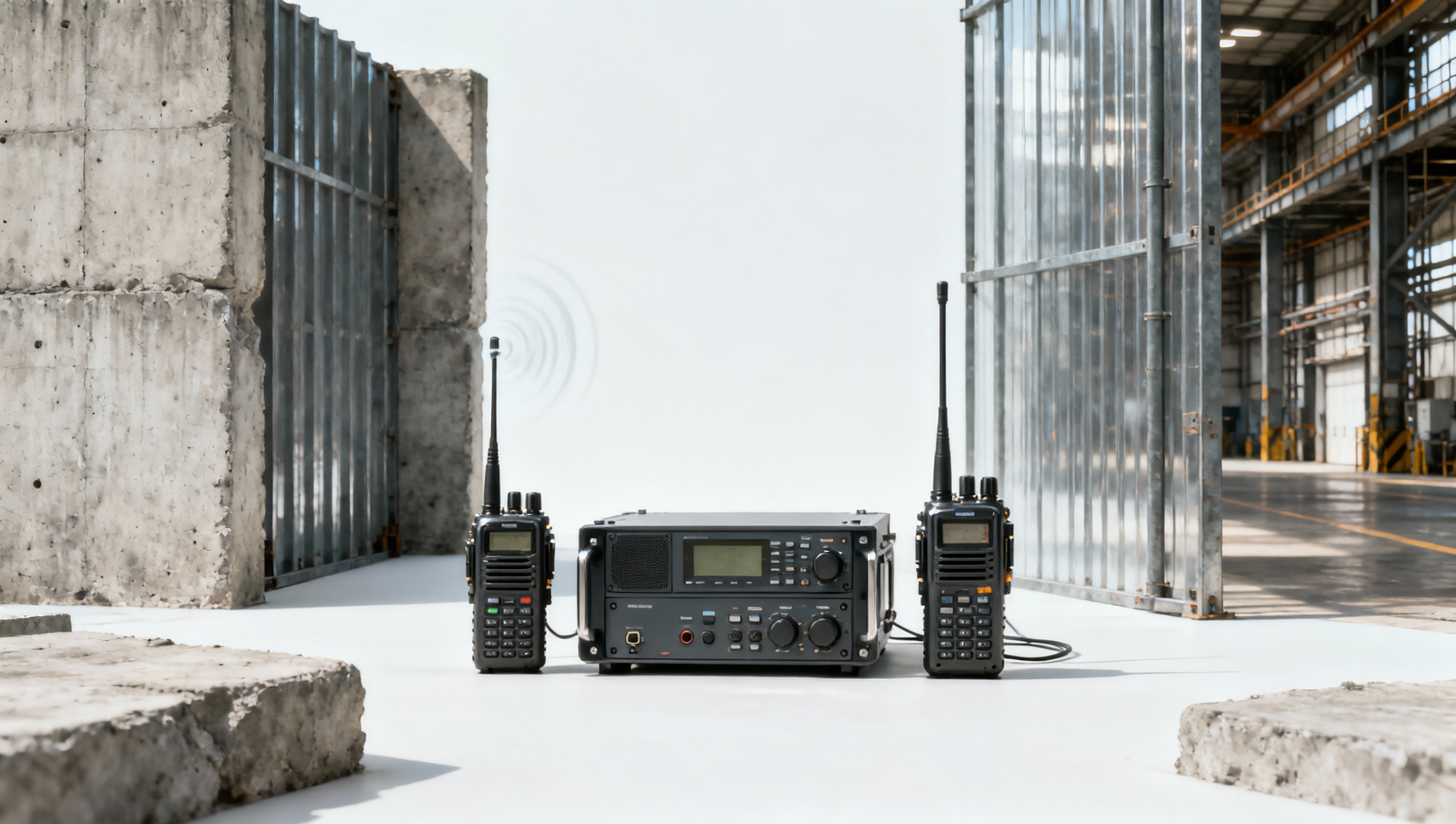
When wireless intercom systems drop audio in buildings with thick walls, the issue rarely comes down to a single device. For facility operators, buyers, and security planners, understanding signal loss, installation constraints, and system compatibility is essential to maintaining reliable communication. This guide explains the root causes, practical fixes, and key selection criteria for wireless intercom systems in demanding commercial and industrial environments.
Why wireless intercom systems fail in thick-wall buildings
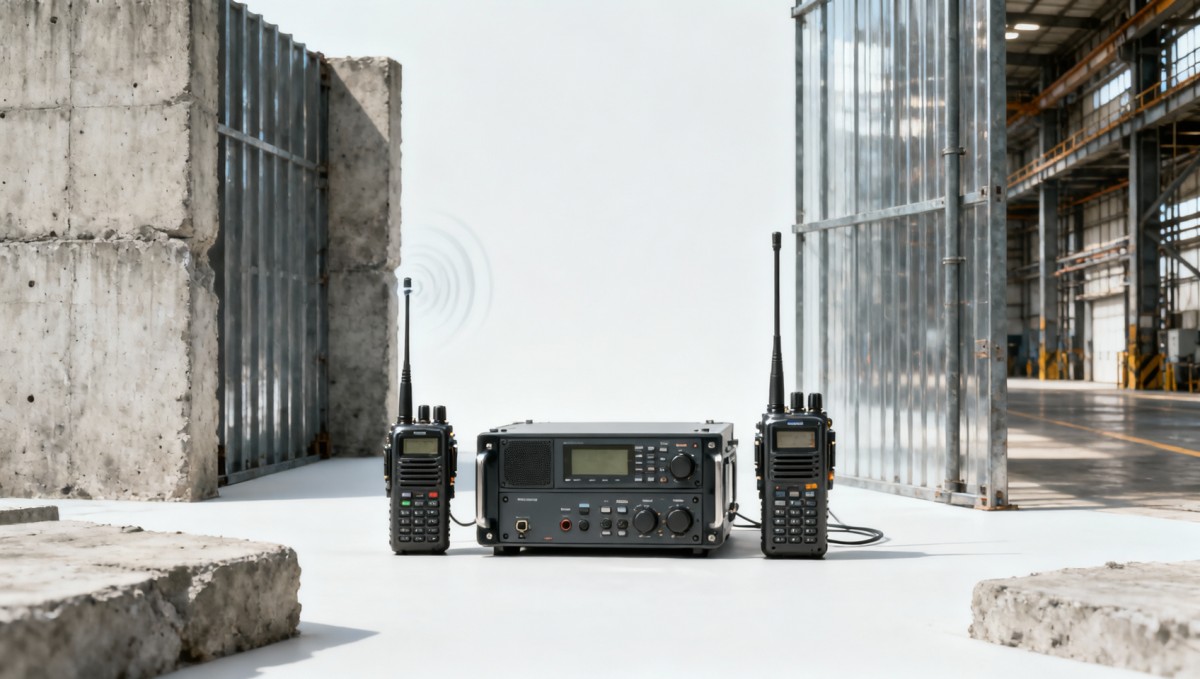
Audio dropouts in a wireless intercom system usually reflect a building transmission problem, not simply a defective handset or base station. In industrial plants, warehouses, hospitals, campuses, and reinforced commercial blocks, signal travel is interrupted by concrete cores, steel framing, elevator shafts, fire doors, and mechanical rooms. A system that works across 30–50 meters in open space can behave very differently once several dense partitions sit between endpoints.
For operators, the most visible symptom is broken voice, delayed audio, or complete loss of communication in certain corridors, stairwells, basements, and production zones. For procurement teams, the bigger concern is that product brochures often describe theoretical range under ideal conditions. Real deployment performance depends on wall composition, floor count, antenna placement, interference sources, and whether the system uses consumer-grade wireless protocols or commercial-grade architecture.
In many mixed-use or industrial facilities, at least 3 categories of attenuation appear at the same time: structural attenuation from masonry or reinforced concrete, electromagnetic interference from equipment and power systems, and configuration loss caused by poor channel planning. If even one of these factors is ignored during selection or installation, the wireless intercom system may appear acceptable during initial bench testing but fail during daily operation.
This matters in more than convenience terms. In security, maintenance, loading docks, and emergency response workflows, losing 2–5 seconds of speech can create repeated call attempts, missed instructions, and slower incident escalation. In B2B environments where communication reliability affects people flow, safety response, and service continuity, the right diagnosis must start with the building itself.
The most common building-related causes
Thick walls affect radio propagation differently depending on material density and embedded metal content. A standard drywall partition may have limited impact, while reinforced concrete, structural steel mesh, foil-backed insulation, and fire-rated assemblies can reduce usable signal sharply over short distances. Multi-floor sites also create vertical transmission issues because slabs and service risers act as barriers rather than transparent passageways.
- Reinforced concrete walls and floors often create the largest reduction in consistent wireless intercom audio coverage.
- Metal doors, lift shafts, cable trays, and machinery can reflect or scatter signals, producing unstable voice quality instead of full signal loss.
- Crowded RF environments, including Wi-Fi, Bluetooth, control systems, and handheld radios, can create congestion or intermittent packet loss.
- Incorrect antenna or base station placement, especially inside utility closets or behind structural obstructions, compounds attenuation.
Why “rated range” is not the same as installed range
Manufacturers may specify operating distances such as 100 meters, 300 meters, or more, but those numbers often refer to open-field conditions. Installed range inside buildings can be reduced to a fraction of that figure. In practice, a buyer should evaluate communication coverage by floor, by wall count, and by critical use zone rather than by a single headline distance specification.
A more useful approach is to define 4 practical coverage questions: how many solid walls can the signal pass through, how many floors must be connected, where are the dead zones, and what level of voice continuity is needed during peak occupancy. These questions shift selection away from marketing claims and toward deployable performance.
What to evaluate before buying a wireless intercom system
For information researchers and purchasing teams, the best way to avoid audio dropout is to treat wireless intercom procurement as a site-matched engineering decision. The objective is not to buy the longest-range unit on paper. The objective is to secure stable two-way audio in the exact spaces where communication is operationally critical. That includes entrances, plant rooms, gates, loading bays, security posts, isolated work zones, and emergency assembly routes.
A good selection process usually begins with 5 core checks: building material review, interference mapping, endpoint count, power and mounting conditions, and integration needs. These checks help distinguish whether a fully wireless solution is viable, whether a repeater-assisted layout is required, or whether a hybrid wired and wireless architecture will deliver lower long-term risk. In many facilities, that decision can save weeks of rework after installation.
Procurement teams should also verify use-case intensity. A front-desk intercom handling occasional visitor calls has different demands from a security intercom supporting shift traffic every day, or a plant communication point exposed to vibration, dust, and electrical noise. Duty cycle, enclosure rating, audio clarity, and serviceability are often more important than cosmetic interface features.
The table below summarizes the most relevant pre-purchase checks for buildings with thick walls and complex internal layouts.
This comparison shows why a wireless intercom system should be evaluated as part of a building communication plan rather than a standalone device purchase. For thick-wall sites, one weak assumption in structure review or interference review can undermine the entire deployment. That is why experienced sourcing teams ask for a coverage plan, not only a quotation.
Questions buyers should ask suppliers
Before issuing a purchase order, decision-makers should request technical clarification in writing. This reduces ambiguity between “works in theory” and “works after installation.” It also helps compare multiple vendors on the same basis, especially when different wireless technologies are being proposed.
- Has the quoted wireless intercom system been assessed for multi-wall or multi-floor use, and under what assumptions?
- Are repeaters, external antennas, or hybrid links required to maintain coverage in 2–4 critical zones?
- What is the normal commissioning timeline, such as 7–15 days for standard sites or 2–4 weeks for larger facilities?
- What standards or general compliance references apply, such as CE, UL, or relevant electrical safety and enclosure requirements?
Which system architecture works best in complex buildings
Not every wireless intercom system is designed for the same building profile. In thick-wall structures, the main architecture choice is usually between direct wireless links, repeater-supported wireless, IP-assisted wireless, and hybrid systems that combine wired backbone segments with wireless edge devices. Each option affects reliability, installation disruption, expansion cost, and maintenance complexity.
For small offices with 1–2 problem walls, a direct wireless layout may still be acceptable if the call volume is low and the path is short. For campuses, factories, logistics hubs, or healthcare buildings, repeater nodes or distributed infrastructure are often necessary. In higher-risk environments, many buyers find that a hybrid design provides a better balance because the wired backbone stabilizes communication between zones while wireless endpoints simplify local access.
Selection should also account for future growth. If the facility may add 5–20 endpoints over the next 12–24 months, a scalable architecture is more cost-effective than a tightly limited system that requires replacement rather than expansion. This is especially relevant for EPC projects and phased retrofits where communication needs evolve during occupancy.
The table below compares common deployment approaches for wireless intercom systems used in buildings with challenging wall density.
For procurement teams, this comparison helps separate low-entry-cost options from lower-risk lifecycle options. A direct wireless system can appear less expensive initially, but repeated troubleshooting, add-on hardware, and operational disruption may narrow that gap quickly. In buildings with thick walls, architecture choice often determines whether the system remains workable after the first 6–12 months of use.
Practical design principles for better audio continuity
Map communication by zone, not only by distance
A zone-based approach identifies high-priority areas first: security desks, gates, technical rooms, plant access points, nurse or service stations, and isolated work cells. This method usually produces a more accurate equipment list because it aligns device placement with operational use. In many buildings, 20 meters through three dense barriers is harder than 60 meters in a clear corridor.
Plan for installation and maintenance access
Even a strong wireless intercom system can become unreliable if installed in inaccessible corners, behind equipment, or near electrical noise sources. Maintenance teams should be able to inspect, test, and replace components without shutting down adjacent operations. For industrial environments, access planning during the first installation can reduce future service visits from several hours to a shorter scheduled window.
How to fix audio dropouts after installation
If an installed wireless intercom system already drops audio, the remedy should follow a structured fault-isolation process. Replacing devices at random rarely solves the root cause. In most sites, technicians should verify four areas in sequence: physical placement, signal path obstruction, interference environment, and system configuration. This process can often identify whether the issue is local, floor-wide, or architecture-wide within 1 service visit.
Start by documenting exactly where audio fails. Is the problem occurring at one entrance, one floor, or during movement between zones? Does it happen during all shifts or only during busy operating hours? These observations matter because intermittent communication loss may point to changing interference, while permanent dead zones usually indicate structural blockage or poor device placement.
Next, examine installation details. Wireless bases placed inside metal cabinets, behind thick riser walls, or adjacent to switchboards often perform below expectation. Relocating a unit by only a few meters, raising antenna height, or adding a repeater can materially improve audio consistency. In facilities with 3 or more affected zones, a broader redesign may be more practical than piecemeal corrections.
Where operational continuity is important, troubleshooting should be logged as part of a formal maintenance record. That record should include failure times, affected endpoints, corrective actions, and post-change verification. This allows procurement and facility leadership to decide whether to optimize the current wireless intercom system or migrate to a more resilient alternative.
A 4-step troubleshooting workflow
- Confirm failure pattern by location, time window, and affected endpoints over at least 3 operating periods.
- Inspect placement, mounting height, power condition, and nearby physical obstructions at every failing point.
- Check for RF congestion or competing systems near the same frequency environment.
- Retest after changes and compare audio continuity against the original use scenario, not just a short spot check.
Common misconceptions that increase project risk
One common mistake is assuming all “wireless” systems behave similarly. In reality, protocol design, antenna engineering, audio processing, and deployment support differ widely. Another mistake is treating communication dropouts as an acceptable tradeoff because the system is not used continuously. In security or incident response settings, even occasional failure may be operationally unacceptable.
A third misconception is that repeaters automatically solve every coverage problem. They help in many cases, but they do not eliminate severe structural shadowing, poor planning, or incompatible system architecture. When walls are especially dense or layouts are segmented by service cores and equipment rooms, hybrid infrastructure may be the more stable choice.
What standards, implementation steps, and supplier support matter most
In commercial and industrial procurement, wireless intercom selection should not stop at acoustic performance. Buyers should also verify electrical safety, installation suitability, environmental protection level where relevant, and compatibility with broader site requirements. Depending on region and application, references such as CE, UL, or general ISO-governed quality processes may enter the review. The exact requirement depends on the project location and the risk profile of the site.
Implementation discipline is equally important. A reliable deployment generally follows 3 stages: site assessment, configuration and installation, then verification under normal operating conditions. For larger buildings, the verification stage should include tests across multiple floors, high-traffic time windows, and at least several predefined communication points. A five-minute demonstration near the control desk is not enough.
This is where a technical sourcing partner adds value. Global Industrial Core supports EPC contractors, facility managers, and procurement leaders by focusing on the real decision variables behind communication equipment selection: environment, compliance, serviceability, risk exposure, and deployment fit. Instead of reducing the discussion to headline price, the aim is to help buyers compare wireless intercom system options against operational demands and installation constraints.
For cross-border or multi-site projects, support should also cover delivery planning, documentation expectations, and the path from technical review to final quote. Typical buyer concerns include whether samples are available, whether alternative configurations can be offered within 7–15 days, and whether the chosen setup can scale without replacing the original investment.
Why decision-makers work with an industry-focused sourcing partner
When communication systems are part of a larger safety, operations, or infrastructure project, the cost of a poor match is usually greater than the cost of a more informed selection. Delays, retrofit labor, extra accessories, and disrupted workflows can quickly outweigh the savings from a low-spec purchase. A sourcing partner with industrial context helps align the wireless intercom system to the building, the workflow, and the compliance environment.
- Clarify whether your site needs direct wireless, repeater-assisted, IP-linked, or hybrid communication architecture.
- Review key parameters such as wall density, floor count, endpoint quantity, installation conditions, and maintenance access.
- Compare delivery windows, documentation scope, sample availability, and certification expectations before vendor shortlisting.
- Reduce rework by confirming application fit early for commercial buildings, industrial facilities, and multi-zone operational sites.
Contact us for project-specific evaluation
If your wireless intercom systems drop audio in buildings with thick walls, contact Global Industrial Core for a structured review of the problem. You can discuss parameter confirmation, architecture selection, delivery timing, retrofit options, compliance considerations, and quotation planning based on your building layout and use case. This is especially useful when you need to compare multiple solutions, validate a difficult site, or avoid repeat installation failures before final procurement.
Technical Specifications
- RCEP Launches Industrial Waste Equipment Mutual RecognitionAuthor :Environmental Engineering Director
- IEC 61850-90-15:2026 Released — Time Stamp Precision Upgrade Impacts Power Equipment ExportsAuthor :Grid Infrastructure Analyst
- Copper Price Surge Impacts BOM Costs for Industrial Breakers & TransformersAuthor :Grid Infrastructure Analyst
Expert Insights

Chief Security Architect
Dr. Thorne specializes in the intersection of structural engineering and digital resilience. He has advised three G7 governments on industrial infrastructure security.
Related Analysis
- Apr 22, 2026RCEP Launches Industrial Waste Equipment Mutual RecognitionAuthor :Environmental Engineering Director
- Apr 22, 2026IEC 61850-90-15:2026 Released — Time Stamp Precision Upgrade Impacts Power Equipment ExportsAuthor :Grid Infrastructure Analyst
- Apr 22, 2026Copper Price Surge Impacts BOM Costs for Industrial Breakers & TransformersAuthor :Grid Infrastructure Analyst
Core Sector // 01
Security & Safety
- IEC 62061:2026 Effective April 21, 2026 — Safety Controller Recertification RequiredAuthor :Safety Compliance Lead
![]()
- SABIC Launches Industrial Security Localization Plan in Q2 2026Author :Safety Compliance Lead
![]()
- IEC 62061:2026 Released — Higher Certification Bar for Industrial Safety Control SystemsAuthor :Safety Compliance Lead
![]()
- Smart peephole viewers: night vision quality is not all the sameAuthor :Safety Compliance Lead

- Video door phones wholesale: wired systems still win in some jobsAuthor :Safety Compliance Lead

- Wireless intercom systems drop audio in buildings with thick wallsAuthor :Safety Compliance Lead

- Wholesale baby monitors: when extra features become false comfortAuthor :Safety Compliance Lead

- Fleet management devices: hidden costs beyond the monthly planAuthor :Safety Compliance Lead