Wholesale baby monitors: when extra features become false comfort
Author
Date Published
Reading Time
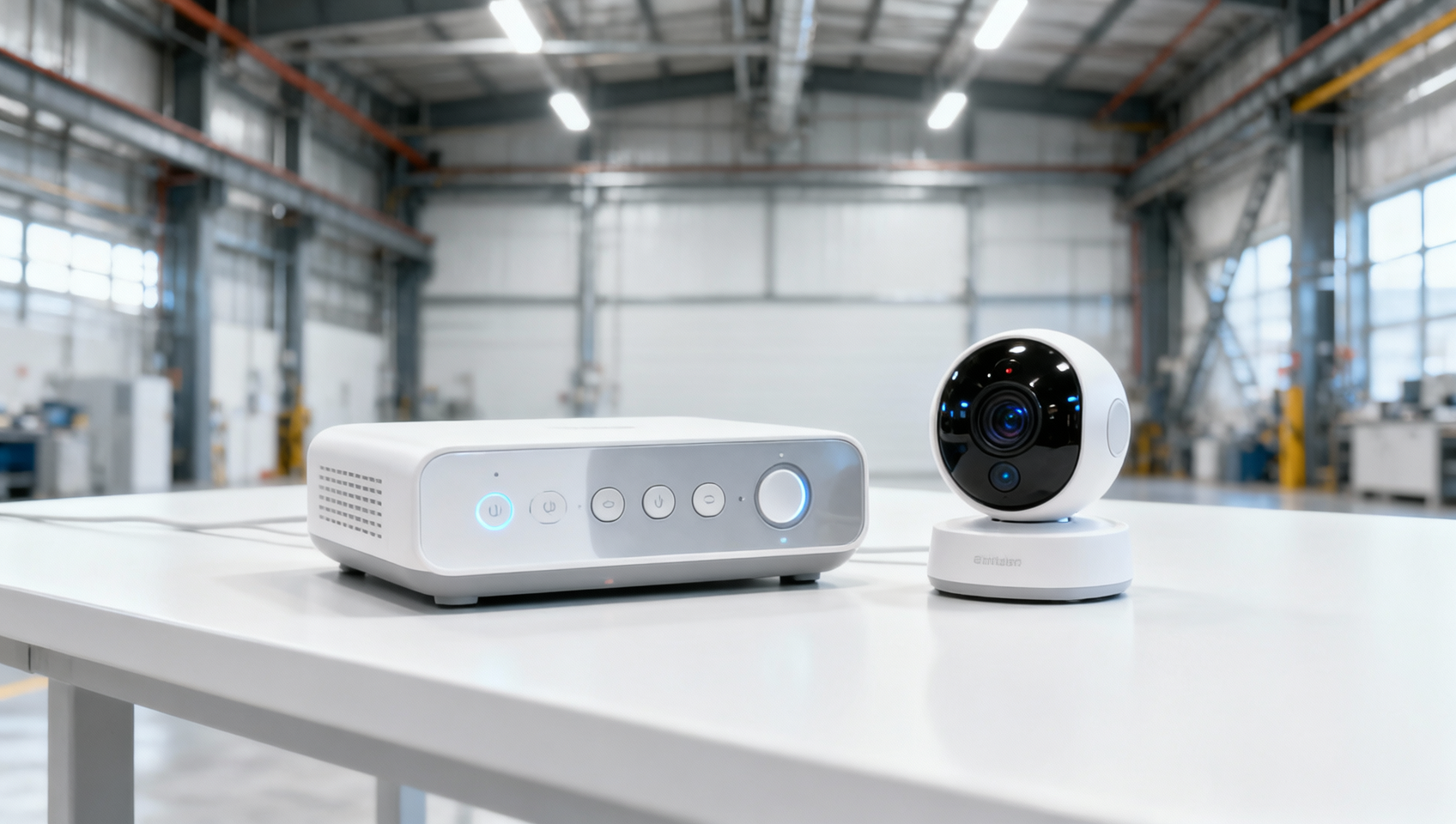
In the market for wholesale baby monitors, more features do not always mean more security. From app overload and unreliable alerts to privacy risks that overlap with concerns seen in wireless intercom systems and smart peephole viewers, buyers need to separate meaningful performance from marketing noise. This article helps researchers, operators, procurement teams, and decision-makers evaluate what truly protects families—and what only creates false comfort.
Why do extra baby monitor features so often create false comfort?
In wholesale baby monitors, feature expansion often sounds reassuring: dual-band Wi-Fi, sleep analytics, AI crying alerts, cloud clips, room history, smart-home linking, and app sharing for multiple caregivers. Yet in practical use, every added layer creates another point of failure. A device meant to support quick checking can become a fragmented system that depends on network quality, app stability, firmware updates, and user permissions working correctly at the same time.
For information researchers, the first mistake is assuming a longer feature list means a stronger product. For operators and caregivers, the problem appears later: delayed push alerts, complicated menus, confusing status icons, and inconsistent night vision behavior. For procurement teams, the risk is bigger in multi-unit sourcing, where a small flaw becomes a recurring service issue across 50, 200, or 500 units.
This is where a more industrial way of thinking helps. Global Industrial Core (GIC) evaluates safety and monitoring products through functional reliability, operating context, compliance logic, and sourcing risk, not promotional language. That mindset is useful even in a consumer-adjacent category such as wholesale baby monitors, because buyers still face familiar questions: which functions are mission-critical, which are optional, and which actively reduce trust?
A practical rule is to group features into 3 layers: essential monitoring, operational support, and marketing add-ons. Essential monitoring includes stable audio, clear image quality in low light, dependable alert delivery, and secure pairing. Operational support includes battery status, temperature display, and multi-camera switching. Marketing add-ons include non-essential dashboards, weak AI claims, and excessive cloud dependencies that may look advanced but add little real protection.
The comfort gap between visible functions and dependable performance
False comfort happens when a user sees many control options and assumes risk is lower. In reality, a monitor with 6 alert types but poor connection recovery may be less useful than a simpler unit with stable local transmission. If a baby monitor takes 20–40 seconds to reconnect after a power fluctuation or router reset, the extra smart functions do not compensate for the monitoring blind spot.
The same pattern appears in adjacent safety device categories. Wireless intercom systems can suffer from interference, poor channel discipline, or weak encryption despite broad feature claims. Smart peephole viewers can offer app streaming and visitor logs, yet still fail in battery management or image timing. Wholesale baby monitors should therefore be judged less by novelty and more by how they behave during the 4 moments that matter most: pairing, night monitoring, alert transmission, and recovery after interruption.
A fast screening checklist for bulk buyers
- Check whether core monitoring remains available if the app is unavailable for 5–15 minutes.
- Confirm how alerts are prioritized when motion, sound, and temperature events happen together.
- Review whether setup can be completed in under 10 minutes by a first-time operator without remote technical help.
- Ask whether firmware update failures can roll back safely instead of disabling the unit.
Which features in wholesale baby monitors actually matter in real use?
Not every feature has equal value. For most wholesale baby monitor programs, especially for distributors, private-label buyers, childcare operators, and procurement managers building a product line, the real decision is not “How many features?” but “Which features remain usable every day?” In sourcing terms, strong selection begins with a hierarchy of function, not a catalog count.
The most valuable functions are those tied to awareness, speed, and continuity. Audio pickup quality matters because caregivers often react to sound before video. Night vision matters because low-light performance is a core operating window, not a bonus. Battery duration matters because many users expect at least one full overnight period, typically 8–12 hours on the parent unit under normal use.
By contrast, some features appear attractive during online comparison but rarely improve outcomes. Detailed sleep scoring, social sharing, or broad smart-home automation can complicate onboarding and increase privacy concerns. In wholesale baby monitors, a simpler product with better signal integrity, clearer alert logic, and easier physical controls usually delivers better long-term user satisfaction than a more complex smart monitor with unstable software behavior.
The table below separates high-value functions from lower-value add-ons. It is intended for buyers who need to compare multiple SKUs, align product positioning, and reduce post-sale complaints.
This comparison matters because it prevents overbuying. A procurement team can avoid paying for non-essential functions that increase support tickets, return rates, or onboarding time. In many sourcing cases, reducing even 2 or 3 weak features can improve product usability more than adding another smart layer.
What operators and caregivers usually value most
Users rarely describe satisfaction in technical language. They ask simpler questions: Can I hear the baby clearly? Does the screen turn on quickly? Will the alert wake me if needed? Is the app easy to trust? These are operational questions, and they should drive wholesale baby monitor selection more than broad platform claims.
In field-oriented evaluation, 5 checks typically reveal most usability issues within 30–60 minutes: first-time setup, night vision clarity, speaker feedback control, alert timing, and recovery after disconnection. If a product struggles in these areas, more premium functions will not repair the overall experience.
How should procurement teams compare wholesale baby monitors?
Procurement decisions for wholesale baby monitors should balance cost, service burden, compliance, user profile, and channel strategy. A low unit price may look favorable at quotation stage, but if returns rise because of pairing failures or unstable notifications, the total procurement cost changes quickly. This is why serious buyers should compare device classes using a weighted decision model rather than a simple feature checklist.
A useful framework is to score each candidate in 4 dimensions: monitoring reliability, privacy and security posture, onboarding simplicity, and after-sales burden. Depending on the sales channel, buyers may assign 30%–40% of the score to reliability, 20%–25% to security, 20% to user setup experience, and the remaining 15%–25% to packaging, support, and documentation readiness.
This matters especially when sourcing products that overlap with home security logic. Devices with remote viewing functions may face questions similar to those raised around wireless intercom systems and smart peephole viewers: account access control, local network exposure, firmware maintenance, and shared-user management. A baby monitor is not just a nursery accessory. In connected form, it becomes part of a household surveillance environment.
The following table helps procurement teams compare common product directions. It is not a ranking table; it is a sourcing decision tool based on use context, service expectations, and risk exposure.
For many wholesale buyers, the most sustainable choice is not the highest specification model but the product with the lowest avoidable friction. If a SKU reduces onboarding calls, repeat setup failures, and privacy questions over a 12-month selling cycle, it often outperforms a more advanced model in actual commercial value.
A 4-step procurement review process
- Define the target use case: direct in-room monitoring, remote viewing, or hybrid use across one to three caregiver profiles.
- Test the shortlist under practical conditions for 7–14 days, including nighttime use, network interruption, and alert validation.
- Check documentation quality, app maintenance pattern, packaging clarity, and language suitability for the target market.
- Review compliance and service readiness before final volume commitment, especially for cross-border distribution.
Where GIC adds value in sourcing analysis
GIC supports procurement thinking by applying a systems approach familiar to safety, instrumentation, and foundational engineering categories. That means looking beyond brochure claims to failure modes, compliance exposure, and lifecycle implications. For wholesale baby monitors, this approach is useful when a buyer must compare product logic, identify hidden service costs, and align product selection with channel risk tolerance.
This perspective is especially helpful for enterprise decision-makers who source across multiple product families. Standardized evaluation criteria reduce fragmented decisions and improve consistency when comparing connected devices with different user interfaces, privacy models, and support requirements.
What standards, security checks, and operating risks should buyers review?
Wholesale baby monitors may sit in a home-use category, but the sourcing questions are still serious. Buyers should verify applicable electrical safety, electromagnetic compatibility, battery transport, and radio-related requirements depending on market destination. If a monitor includes wireless communication, app connectivity, charging components, or cloud access, each layer introduces a separate review point.
Commonly referenced compliance paths may involve CE, UL-related pathways depending on market needs, RoHS for material restrictions, and battery transport handling rules where relevant. The exact requirement set depends on product architecture and import destination, so buyers should request current declarations, test references where applicable, and technical files in a reviewable format rather than relying on logo presence alone.
Security checks are equally important. A Wi-Fi baby monitor should be reviewed for password setup logic, account recovery control, device reset behavior, and firmware update process. If a device stores video clips, the buyer should understand retention options, deletion control, and whether users can operate core functions without mandatory cloud subscription. These issues closely mirror concerns seen in connected wireless intercom systems and smart peephole viewers.
From an operating-risk perspective, 5 items deserve routine attention before volume purchase: signal recovery after interruption, local failover behavior, update stability, microphone sensitivity balance, and unauthorized access prevention. A product that performs well in normal conditions but unpredictably during edge cases can create both safety complaints and reputation damage.
Practical compliance and risk checklist
- Confirm destination-market compliance documents are current and matched to the exact hardware version being quoted.
- Review whether firmware updates are periodic, optional, and safely recoverable if interrupted during installation.
- Check whether default passwords, unsecured pairing, or unclear shared-access settings create avoidable privacy exposure.
- Test operation through at least 2–3 realistic scenarios: normal room use, nighttime low light, and temporary network loss.
Common misconceptions that distort buying decisions
One common misconception is that app-based access is automatically safer because it feels modern. In reality, connected access can be safer or weaker depending on implementation. Another misconception is that more notifications improve response. Excessive alerts often train users to ignore warnings, which reduces the value of the system over time.
A third misconception is that family-use products do not require structured sourcing review. That assumption is costly. Once a wholesale baby monitor includes radio communication, charging, account access, and data handling, it deserves the same disciplined review mindset used in broader safety and electronic device procurement.
FAQ and final buying guidance for wholesale baby monitors
The last step is turning research into an actionable decision. For wholesale baby monitors, the right choice usually comes from matching user context to monitoring logic, not from chasing the longest specification sheet. The questions below reflect what researchers, operators, buyers, and business leaders most often need to clarify before moving forward.
How should I choose between a local monitor and a Wi-Fi baby monitor?
Choose a local monitor when simplicity, low setup burden, and direct in-home use matter most. Choose a Wi-Fi baby monitor when remote viewing across different locations is important. If your customer base is mixed, a hybrid design can work, but only if setup remains manageable in the first 10–15 minutes and the product still supports essential monitoring during app interruptions.
What are the biggest warning signs during product evaluation?
Watch for delayed alerts, frequent reconnection issues, unclear access control, unstable updates, and menus that hide basic controls. If the product generates too many false triggers in a short 7-day test window, post-sale complaint rates are likely to rise. Also question any monitor that emphasizes analytics heavily while giving little detail about local reliability or privacy management.
How long is a typical sourcing and validation cycle?
For many buyers, shortlist review and sample validation take 2–4 weeks, depending on how many SKUs are compared and whether app testing is involved. If compliance review, packaging localization, or bundled accessory changes are required, the evaluation period can extend further. Building time for firmware review and user setup testing usually prevents avoidable issues later.
What should enterprise decision-makers ask before approving a volume order?
They should ask 6 practical questions: What is the target user profile? What functions are essential? What compliance documents are available? How are updates managed? What support load is expected? What happens when connectivity fails? These questions reveal whether the product is commercially sustainable, not just visually competitive.
Why consult GIC before finalizing your sourcing decision?
GIC brings a disciplined sourcing perspective shaped by security, safety, instrumentation, and infrastructure-grade evaluation methods. For buyers navigating wholesale baby monitors, that means clearer judgment on product architecture, practical reliability, risk screening, and supplier communication. Instead of treating every smart feature as progress, we help separate functional value from added complexity.
If you are comparing wholesale baby monitors for distribution, private labeling, retail sourcing, or broader connected-device portfolio planning, you can consult GIC for parameter confirmation, product positioning logic, target-market compliance review, and sourcing risk assessment. We can also help structure side-by-side evaluation criteria for local, Wi-Fi, and hybrid monitor types.
Buyers often reach out when they need support on 5 specific topics: feature prioritization, sample test planning, delivery cycle expectations, certification document review, and quotation comparison. These conversations are especially useful when a product looks attractive on paper but raises concerns around privacy, app reliability, or long-term support burden.
If you want a more grounded decision before placing orders, contact GIC with your target specifications, market destination, preferred monitor type, estimated volume, and compliance questions. A structured review at this stage can save time across sourcing, onboarding, after-sales support, and commercial rollout.
Technical Specifications
- RCEP Launches Industrial Waste Equipment Mutual RecognitionAuthor :Environmental Engineering Director
- IEC 61850-90-15:2026 Released — Time Stamp Precision Upgrade Impacts Power Equipment ExportsAuthor :Grid Infrastructure Analyst
- Copper Price Surge Impacts BOM Costs for Industrial Breakers & TransformersAuthor :Grid Infrastructure Analyst
Expert Insights

Chief Security Architect
Dr. Thorne specializes in the intersection of structural engineering and digital resilience. He has advised three G7 governments on industrial infrastructure security.
Related Analysis
- Apr 22, 2026RCEP Launches Industrial Waste Equipment Mutual RecognitionAuthor :Environmental Engineering Director
- Apr 22, 2026IEC 61850-90-15:2026 Released — Time Stamp Precision Upgrade Impacts Power Equipment ExportsAuthor :Grid Infrastructure Analyst
- Apr 22, 2026Copper Price Surge Impacts BOM Costs for Industrial Breakers & TransformersAuthor :Grid Infrastructure Analyst
Core Sector // 01
Security & Safety
- IEC 62061:2026 Effective April 21, 2026 — Safety Controller Recertification RequiredAuthor :Safety Compliance Lead
![]()
- SABIC Launches Industrial Security Localization Plan in Q2 2026Author :Safety Compliance Lead
![]()
- IEC 62061:2026 Released — Higher Certification Bar for Industrial Safety Control SystemsAuthor :Safety Compliance Lead
![]()
- Smart peephole viewers: night vision quality is not all the sameAuthor :Safety Compliance Lead

- Video door phones wholesale: wired systems still win in some jobsAuthor :Safety Compliance Lead

- Wireless intercom systems drop audio in buildings with thick wallsAuthor :Safety Compliance Lead

- Wholesale baby monitors: when extra features become false comfortAuthor :Safety Compliance Lead

- Fleet management devices: hidden costs beyond the monthly planAuthor :Safety Compliance Lead