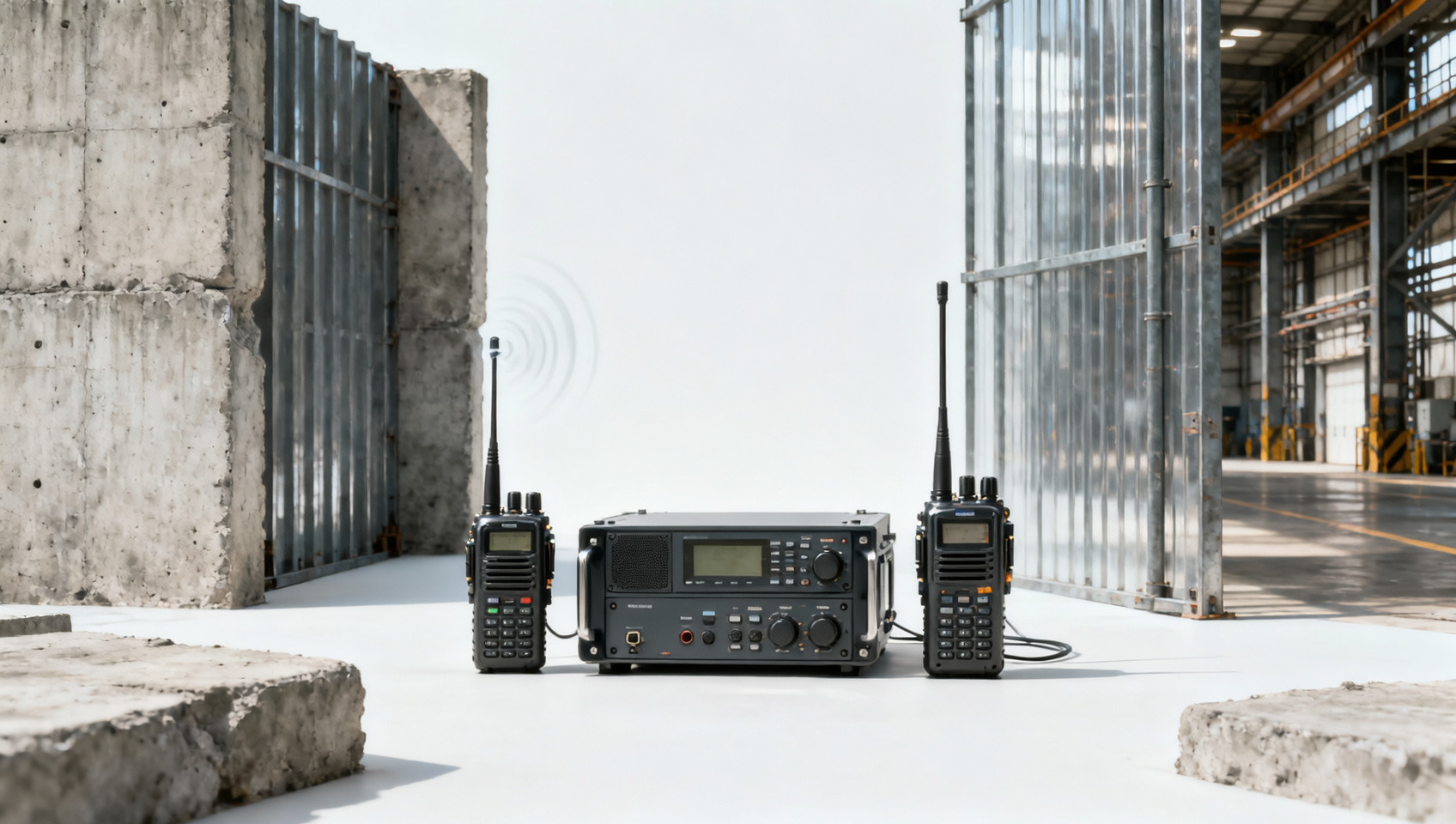
Reducing false alarms in Security & Safety
Author
Date Published
Reading Time
In the high-stakes realm of industrial infrastructure, reducing false alarms is critical to maintaining operational integrity and preventing alarm fatigue. For professionals in facility management and mechanical engineering, unreliable security & safety systems pose significant risks to both personnel and productivity. Adhering to rigorous industrial standards and selecting high-fidelity safety equipment is essential for minimizing nuisance alerts across complex environments. Whether you are managing electrical safety in power distribution or overseeing large-scale project execution, integrating insights from environmental engineering and metallurgical engineering ensures a resilient defense. This analysis provides the technical intelligence required for decision-makers to optimize their safety protocols, ensuring that every alert is actionable and every facility remains secure.
The Economic and Operational Impact of Alarm Fatigue
In heavy industrial environments—ranging from petrochemical refineries to massive power grids—the "boy who cried wolf" phenomenon is more than a nuisance; it is a systemic vulnerability. Alarm fatigue occurs when personnel become desensitized to safety alerts due to a high frequency of false positives. For an EPC contractor or a facility manager, this desensitization can lead to delayed responses during genuine emergencies, potentially resulting in catastrophic infrastructural failure, loss of life, or severe environmental damage.
Beyond the immediate safety risks, the economic implications are profound. Every false fire suppression discharge or emergency machinery shutdown triggered by a faulty sensor incurs direct costs in materials, labor, and lost production time. Strategic sourcing of high-fidelity instrumentation is therefore not merely a procurement checkbox but a critical investment in operational continuity. Decision-makers must evaluate the Total Cost of Ownership (TCO) of safety systems, weighing the initial capital expenditure against the long-term savings of reduced downtime and maintenance overhead.
Identifying Technical Root Causes in Complex Environments
To effectively reduce false alarms, technical evaluators must first identify the environmental and mechanical triggers prevalent in industrial settings. Common culprits include electromagnetic interference (EMI) in electrical substations, extreme temperature fluctuations in metallurgical processing, and airborne particulates in heavy manufacturing. Standard commercial-grade sensors often fail in these "harsh-duty" environments because they lack the micron-level precision and environmental shielding required for industrial-grade reliability.
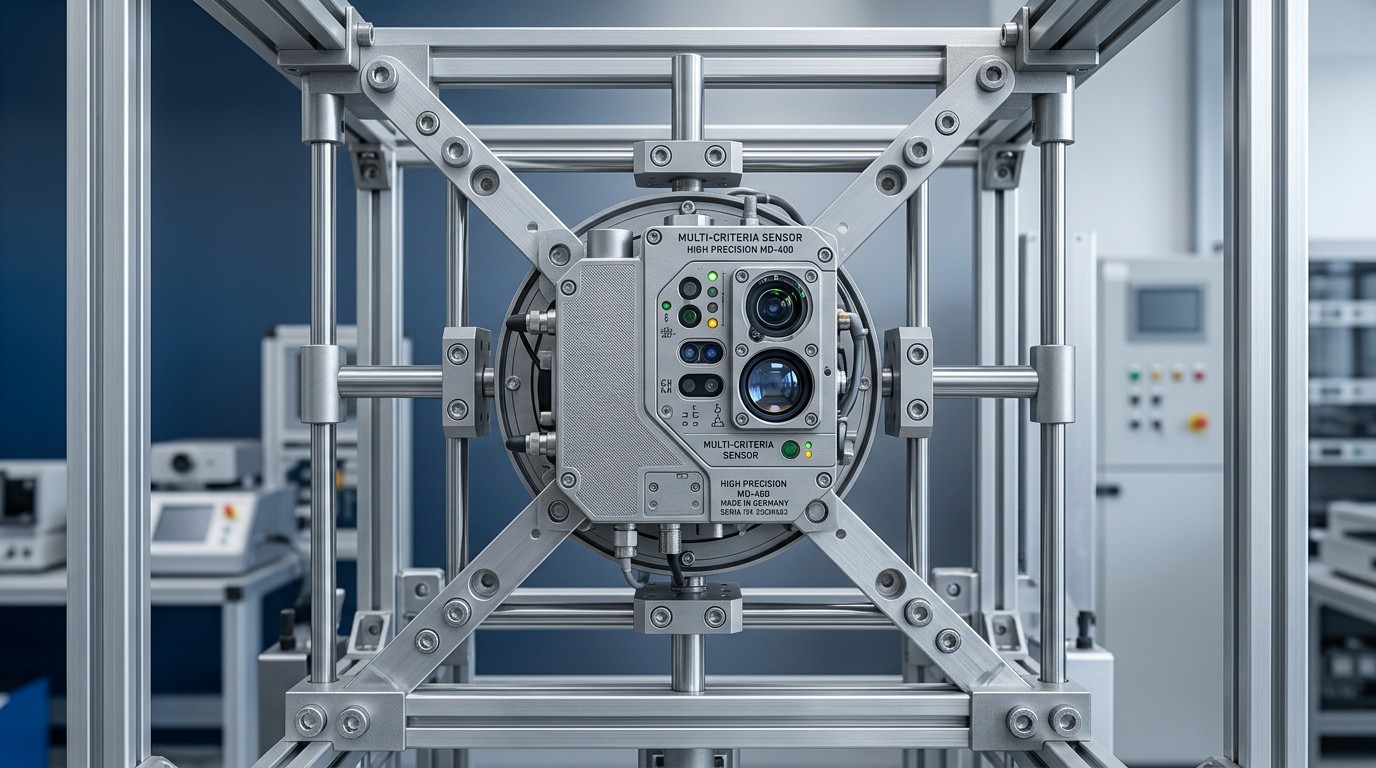
For example, in environmental engineering contexts, humidity and dust can often be mistaken by optical smoke detectors for fire. Similarly, in mechanical components, vibration-induced sensor "chatter" can trigger false security breaches. Addressing these issues requires a transition from basic binary sensors to multi-criteria detection systems. These advanced units analyze multiple data points—such as heat, CO levels, and light scattering—simultaneously to verify an event before escalating an alert.
Engineering Reliable Thresholds: Hardware and Software Synergy
The solution to nuisance alerts lies at the intersection of robust hardware and intelligent software. Modern security and safety systems now leverage edge computing and AI-driven signal processing to filter out "noise" from actual threats. By establishing dynamic thresholds that account for the baseline operational environment (e.g., the standard heat output of a furnace or the normal vibration profile of a turbine), engineers can significantly sharpen the accuracy of their safety protocols.
Quality control and safety management personnel should prioritize systems that offer adjustable sensitivity settings and localized diagnostic capabilities. This allow for the "tuning" of safety infrastructure to the specific demands of a site. Furthermore, the integration of metallurgical engineering insights ensures that the physical housings of these sensors can withstand corrosive or high-pressure environments, preventing hardware degradation that often leads to sensor drift and subsequent false alarms.
Regulatory Compliance and the Strategic Sourcing Advantage
For institutional buyers and project managers, adherence to international standards such as CE, UL, and ISO is the ultimate trust signal. These certifications ensure that safety equipment has undergone rigorous testing against interference and environmental stress. When procuring for global industrial cores, choosing components that exceed these standards is a prerequisite for building resilient operational environments. A failure to comply not only risks lives but also exposes the enterprise to immense legal and regulatory liabilities.
Strategic sourcing authorities play a vital role here by vetting suppliers based on their technical whitepapers and real-world performance data. By aligning with partners who provide verified testing certifications, EPC contractors can ensure that the infrastructure they build is not only compliant but optimized for high-fidelity performance. This disciplined approach to procurement transforms safety from a reactive cost center into a proactive strategic asset.
Conclusion: Advancing Toward Zero-Nuisance Safety Protocols
Reducing false alarms in the security and safety sector is a multi-faceted challenge that demands technical expertise, strategic procurement, and a commitment to rigorous standards. By understanding the root causes of alarm fatigue and investing in high-fidelity, multi-criteria detection technologies, industrial leaders can protect their most valuable assets—their people and their productivity. As global industries move toward more automated and interconnected infrastructures, the ability to distinguish between a minor environmental fluctuation and a mission-critical emergency will remain the hallmark of a world-class operation. The path forward involves a relentless focus on E-E-A-T (Experience, Expertise, Authoritativeness, and Trustworthiness) in every safety protocol implemented.
Technical Specifications
Expert Insights

Chief Security Architect
Dr. Thorne specializes in the intersection of structural engineering and digital resilience. He has advised three G7 governments on industrial infrastructure security.
Related Analysis
- Apr 25, 2026China Launches World's Largest Agri-Meteorological Observation NetworkAuthor :Precision Metrology Expert
- Apr 25, 2026Binggang Group & AHUT Advance Steel Slag Valorization TechAuthor :Heavy Industry Strategist
- Apr 25, 2026China Leads First ISO Standard for Zero-Carbon CitiesAuthor :Environmental Engineering Director
Core Sector // 01
Security & Safety
- Reducing false alarms in Security & SafetyAuthor :Safety Compliance Lead

- IEC 62061:2026 Effective April 21, 2026 — Safety Controller Recertification RequiredAuthor :Safety Compliance Lead
![]()
- SABIC Launches Industrial Security Localization Plan in Q2 2026Author :Safety Compliance Lead
![]()
- IEC 62061:2026 Released — Higher Certification Bar for Industrial Safety Control SystemsAuthor :Safety Compliance Lead
![]()
- Smart peephole viewers: night vision quality is not all the sameAuthor :Safety Compliance Lead

- Video door phones wholesale: wired systems still win in some jobsAuthor :Safety Compliance Lead

- Wireless intercom systems drop audio in buildings with thick wallsAuthor :Safety Compliance Lead

- Wholesale baby monitors: when extra features become false comfortAuthor :Safety Compliance Lead