Wholesale dash cams: heat resistance matters more than screen size
Author
Date Published
Reading Time
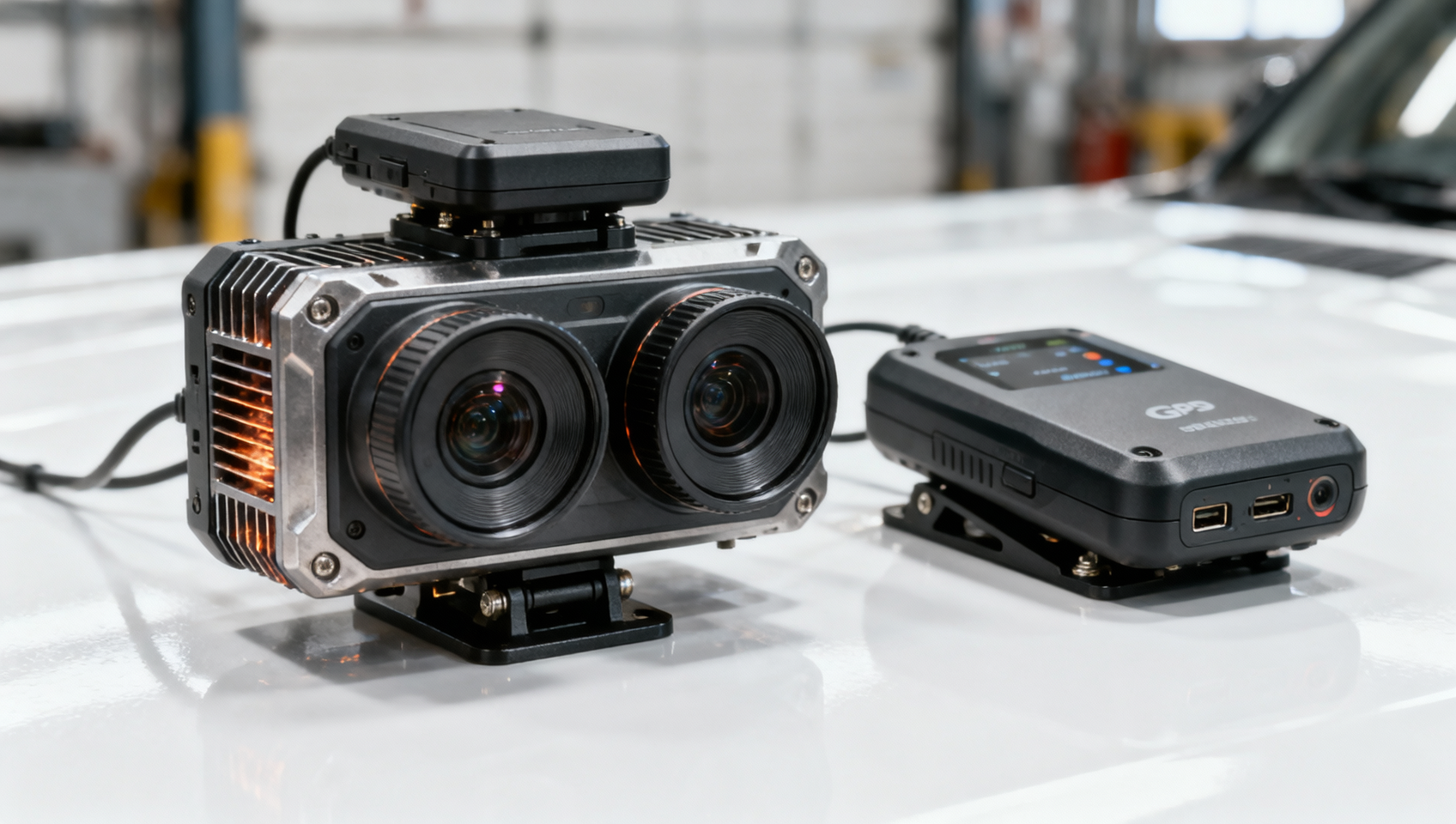
In wholesale dash cams, bigger screens rarely solve real fleet risks—heat resistance does. For buyers comparing dashcam dual lens options, fleet management devices, and wholesale gps trackers, thermal stability directly affects recording reliability, evidence retention, and service life in demanding environments. This guide explains why procurement teams should prioritize high-temperature performance over display size when evaluating wholesale dash cams for commercial and industrial use.
Why heat resistance should lead the buying decision
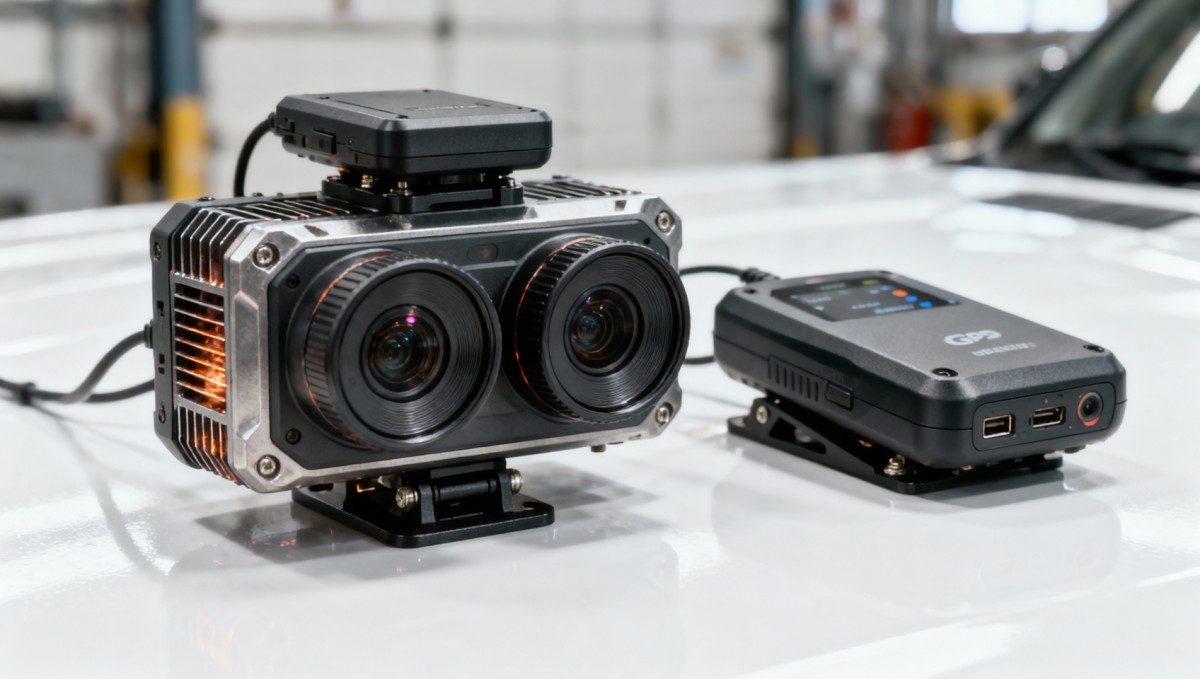
For fleets operating in logistics, utilities, construction support, mining transport, field service, and municipal operations, the cabin environment can become far harsher than the product brochure suggests. A parked vehicle under direct sun can expose electronics to high internal temperatures for 2–6 hours at a time, and repeated daily thermal cycling often causes more failure than vibration alone. In that context, a large screen is a convenience feature, while heat resistance is a core reliability requirement.
This matters even more in wholesale dash cams because procurement teams are not buying a single consumer gadget. They are deploying equipment across small, medium, or large fleets, often in batches of 20, 100, or 500 units. A low failure rate per unit can still become a major maintenance burden when multiplied across the fleet. One overheated unit means missing footage, added service calls, driver disputes, and replacement costs that quickly exceed the value of a bigger display.
Global Industrial Core (GIC) evaluates these devices from the standpoint of operational resilience. In B2B sourcing, the real question is not whether a dashcam looks modern on first installation. The question is whether the device can continue recording after repeated exposure to hot dashboards, long idling periods, summer loading yards, and enclosed cabins with unstable ventilation. For security and safety applications, continuous recording integrity is the asset being purchased.
Buyers comparing dashcam dual lens systems and fleet management devices should therefore separate user-interface features from mission-critical functions. A screen may help during setup, but after installation most fleets review footage remotely, through removable storage, or through integrated telematics workflows. In practice, 3 core priorities dominate: thermal stability, power reliability, and storage protection. Screen size usually ranks lower than these fundamentals.
What heat actually affects inside a commercial dash cam
Heat does not damage only one part. It can affect the image sensor, processing chipset, memory card behavior, battery or supercapacitor stability, adhesive mounting integrity, and plastic enclosure aging. In lower-grade products, heat often triggers 4 visible outcomes: random shutdown, file corruption, date-time resets, and shortened component life. Any one of these can weaken incident reconstruction and liability management.
For users and operators, these failures appear simple: the unit feels hot, restarts, or stops saving clips. For procurement managers, however, the consequences are broader. Service dispatches increase, driver confidence drops, and evidence quality becomes inconsistent. For enterprise decision-makers, that creates exposure in insurance discussions, internal investigations, and compliance reporting. Thermal resilience is therefore both a hardware issue and an operational risk control issue.
- In vehicles exposed to outdoor parking, cabin heat buildup can continue even when the engine is off, stressing parking-monitoring features.
- In stop-and-go urban fleets, frequent power cycling combined with heat may accelerate storage errors and startup instability.
- In industrial service vehicles, windshield angle, dashboard materials, and local climate can raise thermal load beyond standard office-use assumptions.
Screen size versus thermal stability: which feature protects fleet value?
Many wholesale dash cams are marketed with larger screens because the difference is easy to show in a product listing. Thermal design is harder to communicate, yet it determines whether the camera remains usable after 12–24 months of field exposure. That is why procurement teams should compare features according to operational value, not visual appeal. The following table helps separate convenience attributes from risk-control attributes.
The table shows a simple reality: a larger display can improve the first 30 minutes of setup, while thermal stability influences the next 12–36 months of operation. For most commercial buyers, that makes heat resistance a higher-value specification than screen size. This is especially true when wholesale gps trackers and video systems are expected to work together as part of a broader vehicle monitoring stack.
Another practical issue is glare. In bright daylight, larger screens do not always improve visibility. Operators often rely on mobile tools, platform playback, or removable storage instead of on-device viewing. A bigger screen can also add heat load and increase enclosure design complexity. That does not make screens unimportant, but it does mean they should not dominate the sourcing checklist.
When a bigger screen still makes sense
There are limited cases where a larger screen is useful. These include training vehicles, rapid field inspection workflows, rental fleets with frequent driver turnover, or service teams that verify alignment on-site several times per week. Even then, the screen should be treated as a secondary convenience feature. If the operating environment regularly reaches elevated cabin temperatures, thermal performance remains the gatekeeper specification.
A balanced sourcing decision often looks like this: select a screen size adequate for installation and troubleshooting, then allocate more attention to heat tolerance, power protection, mounting stability, and storage behavior. That approach supports both operators and finance teams because it targets lifecycle reliability rather than showroom appeal.
How to evaluate heat-resistant wholesale dash cams in real procurement work
Procurement teams need more than a generic claim such as “high temperature resistant.” They need a structured evaluation method. In practice, 5 checkpoints are useful during supplier review: operating temperature range, storage temperature range, power backup design, memory card compatibility, and enclosure plus mounting materials. These factors influence whether the device performs during hot starts, long parking intervals, and repeated daily use.
For commercial and industrial fleets, it is also important to ask how the camera behaves after continuous recording sessions of 4–8 hours, and whether event clips remain readable after repeated heat exposure. Suppliers may not disclose every internal component detail, but they should be able to explain the intended operating conditions, installation guidance, and maintenance recommendations. If they cannot, the procurement risk is higher.
GIC recommends aligning technical evaluation with field reality. A fleet in temperate regions may still face severe cabin heat in summer. Utility contractors, EPC service teams, and facility support vehicles often park near reflective surfaces, substations, industrial yards, or open sites where ambient and radiant heat both matter. The result is simple: indoor assumptions do not apply to vehicle-mounted electronics.
A practical parameter checklist for buyers
The table below is designed for information researchers, procurement officers, and fleet decision-makers who need a structured shortlist. It focuses on parameters that influence field durability rather than consumer-style marketing points.
This checklist helps buyers avoid a common mistake: selecting devices based on resolution and display while ignoring the thermal conditions that decide actual uptime. In wholesale dash cams, long-term usability depends on the weakest link in the chain. Often that link is not the lens. It is heat management combined with storage endurance and power stability.
A 4-step procurement workflow
- Define the duty cycle: route length, parked exposure, climate band, and whether the vehicle is active 1 shift or 2 shifts per day.
- Shortlist by thermal and power criteria first, then compare dashcam dual lens needs, GPS integration, and screen preferences.
- Run a pilot for 2–4 weeks on representative vehicles, including those with the hottest cabins and longest idle periods.
- Finalize supply terms covering accessories, storage media, installation support, spare units, and replacement process.
That workflow reduces avoidable returns and provides a stronger basis for enterprise approval. It also supports more accurate quotation review because total deployment cost includes installation time, storage replacement, maintenance frequency, and downtime exposure.
Which fleets and industrial use cases are most sensitive to heat-related failure?
Not every vehicle faces the same thermal load. Fleet managers should assess heat risk by operating pattern, parking behavior, glass exposure, and electrical environment. A city delivery van, a utility pickup, and an on-site engineering support vehicle may all use wholesale dash cams, but their thermal stress profiles differ. Choosing the same configuration for all three can create uneven results and unnecessary replacements.
Heat sensitivity is highest where vehicles spend long periods outdoors, where start-stop cycles are frequent, or where parking mode is expected to remain active. Fleets serving heavy industry also often carry additional electronics, creating more heat near the windshield or dashboard. This makes thermal headroom important even when the region itself is not considered extreme.
For operators, the practical signal is simple: if a cabin feels significantly hotter than the outdoor air for part of the day, thermal design should move up the specification list. For decision-makers, that means segmenting fleets instead of using a one-size-fits-all buying policy.
Use-case differences that affect specification choice
- Last-mile and regional delivery fleets often need reliable loop recording during repeated stops, with 6–10 hours of active service and frequent hot restarts.
- Utility and field maintenance vehicles may stay parked at exposed sites for several hours, making storage temperature and power recovery critical.
- Construction support and EPC service vehicles may operate around dust, vibration, and sunlight reflection, increasing the value of durable housings and secure mounting.
- Passenger transport, shuttle, or compliance-sensitive fleets may prioritize dashcam dual lens coverage, but that second channel still depends on stable heat performance.
How wholesale gps trackers change the decision
When wholesale gps trackers are integrated with video, buyers should think in system terms. Video without reliable positional and event context can weaken investigations, while tracking without dependable footage limits root-cause analysis. A unified fleet management devices strategy usually works best when the dashcam can record consistently under heat, and when the GPS layer adds route and event context without introducing power instability.
This is one area where GIC’s cross-domain perspective is useful. Security and safety hardware should not be sourced in isolation from power conditions, environmental exposure, and maintenance constraints. In operational fleets, the best device on paper can underperform if system conditions are ignored during procurement.
Standards, risk controls, and common buying mistakes
Commercial buyers do not need every possible certificate, but they do need clear documentation and sensible risk controls. For wholesale dash cams, it is reasonable to review electrical safety, environmental claims, installation guidance, and any relevant conformity documentation for the target market. If deployment spans multiple regions, import rules, power accessories, and labeling expectations should also be checked before placing larger-volume orders.
In many tenders, the mistake is not a missing premium feature. The mistake is weak definition of acceptance criteria. Buyers should define at least 6 review points before order confirmation: recording continuity, startup behavior, storage compatibility, mounting security, power-loss file protection, and after-sales response process. These are practical checks, not theoretical ones, and they matter more than cosmetic features.
Another frequent misunderstanding is assuming that any camera with a stated temperature range is automatically suitable for heavy-duty fleet use. A range printed on a sheet does not explain test conditions, installation assumptions, or continuous-use limitations. Procurement teams should therefore request practical clarification, especially for units intended for hot climates, parked exposure, or multi-shift use.
Common misconceptions in fleet sourcing
“A bigger screen means a better commercial dash cam.”
Not necessarily. Screen size mostly influences local convenience. It does not guarantee stable recording, file integrity, or longer service life. In hot vehicles, it may even distract buyers from the specifications that carry more operational value.
“If resolution is high, reliability will also be high.”
Resolution and reliability are separate questions. A high-resolution unit that overheats or corrupts storage is less useful than a stable unit with balanced image quality. Evidence retention depends on continuity, not just sharpness.
“All fleets can use the same configuration.”
Fleet segmentation matters. Vehicles that spend 8 hours in exposed parking face different risks from those kept in shaded depots. A two-tier or three-tier specification approach often delivers better value than forcing one model across every route and use case.
FAQ for buyers comparing wholesale dash cams
How should I compare wholesale dash cams for hot climates?
Start with thermal and power criteria, then move to recording channels, GPS, and display. Ask for operating and storage conditions, recommended memory media, and a pilot process. A 2–4 week vehicle test under real summer conditions is usually more valuable than a showroom demonstration.
Are dashcam dual lens models more vulnerable to heat?
They can place more demand on processing and thermal management because they handle more video data. That does not make them unsuitable. It simply means the thermal design and installation conditions need closer review, especially in fleets using continuous recording or event upload features.
What is a reasonable pilot size before a fleet rollout?
A pilot can start with 5–15 units across the hottest and most demanding routes. Include at least one vehicle type with long parked exposure and one with frequent restarts. This gives procurement teams evidence on installation effort, storage behavior, and maintenance expectations before committing to larger batches.
How do wholesale gps trackers fit into the dash cam decision?
They add route, timing, and event context that improves incident review and operational oversight. But integration only creates value if the video side is stable. Reliable footage plus location data is far stronger than either system alone.
Why work with GIC when evaluating fleet video and tracking solutions
Global Industrial Core supports B2B buyers who need more than a product list. Our perspective is built around systems that protect operations, reduce failure risk, and align procurement with real field conditions. When you are comparing wholesale dash cams, dashcam dual lens configurations, fleet management devices, and wholesale gps trackers, the challenge is rarely just technical specification. The challenge is making the right trade-off between reliability, deployment speed, compliance expectations, and total ownership effort.
We help procurement teams translate operational realities into sourcing criteria. That includes parameter confirmation, use-case segmentation, supplier comparison logic, accessory review, installation considerations, and documentation checkpoints for international supply. For fleets with mixed operating conditions, we can help structure a 2-tier or 3-tier selection strategy instead of forcing one device across all vehicles.
If your team is currently evaluating commercial dash cams for industrial or fleet use, you can consult GIC on practical questions such as preferred thermal specifications, dual-lens fit by scenario, pilot test scope, delivery cycle planning, spare ratio assumptions, and integration priorities with tracking systems. We can also support quotation comparison by separating must-have reliability factors from lower-priority visual features.
Contact us if you need help with product selection, sample planning, configuration review, lead time expectations, certification-related questions, or RFQ preparation for wholesale dash cams and related fleet monitoring devices. A focused technical discussion at the start can prevent months of avoidable replacement, missing footage, and procurement rework later.
Technical Specifications
Expert Insights

Chief Security Architect
Dr. Thorne specializes in the intersection of structural engineering and digital resilience. He has advised three G7 governments on industrial infrastructure security.
Related Analysis
- Apr 25, 2026China Launches World's Largest Agri-Meteorological Observation NetworkAuthor :Precision Metrology Expert
- Apr 25, 2026Binggang Group & AHUT Advance Steel Slag Valorization TechAuthor :Heavy Industry Strategist
- Apr 25, 2026China Leads First ISO Standard for Zero-Carbon CitiesAuthor :Environmental Engineering Director
Core Sector // 01
Security & Safety
- Reducing false alarms in Security & SafetyAuthor :Safety Compliance Lead

- IEC 62061:2026 Effective April 21, 2026 — Safety Controller Recertification RequiredAuthor :Safety Compliance Lead
![]()
- SABIC Launches Industrial Security Localization Plan in Q2 2026Author :Safety Compliance Lead
![]()
- IEC 62061:2026 Released — Higher Certification Bar for Industrial Safety Control SystemsAuthor :Safety Compliance Lead
![]()
- Smart peephole viewers: night vision quality is not all the sameAuthor :Safety Compliance Lead

- Video door phones wholesale: wired systems still win in some jobsAuthor :Safety Compliance Lead

- Wireless intercom systems drop audio in buildings with thick wallsAuthor :Safety Compliance Lead

- Wholesale baby monitors: when extra features become false comfortAuthor :Safety Compliance Lead