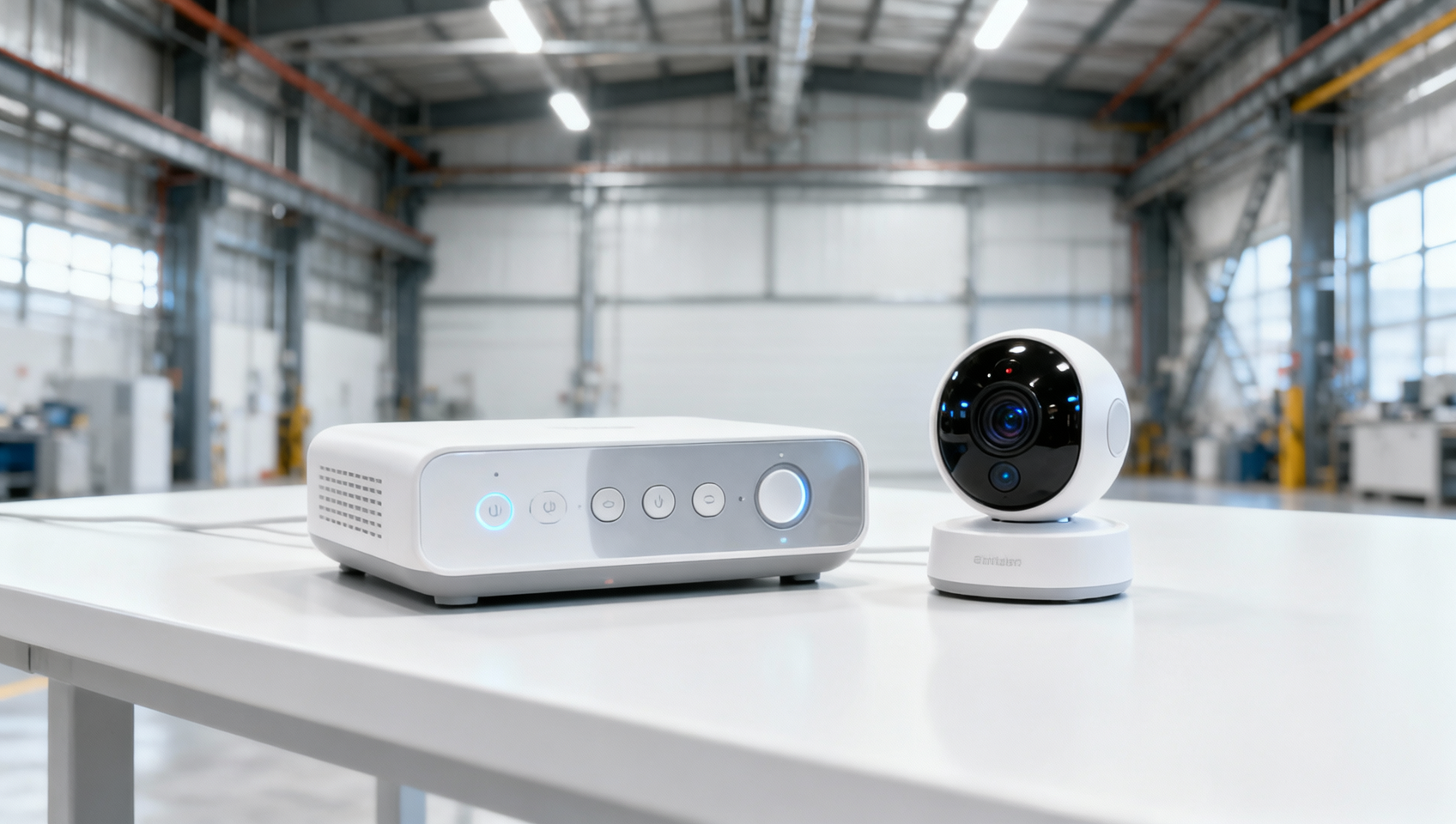
Thermal imaging security cameras struggle with reflective surfaces
Author
Date Published
Reading Time
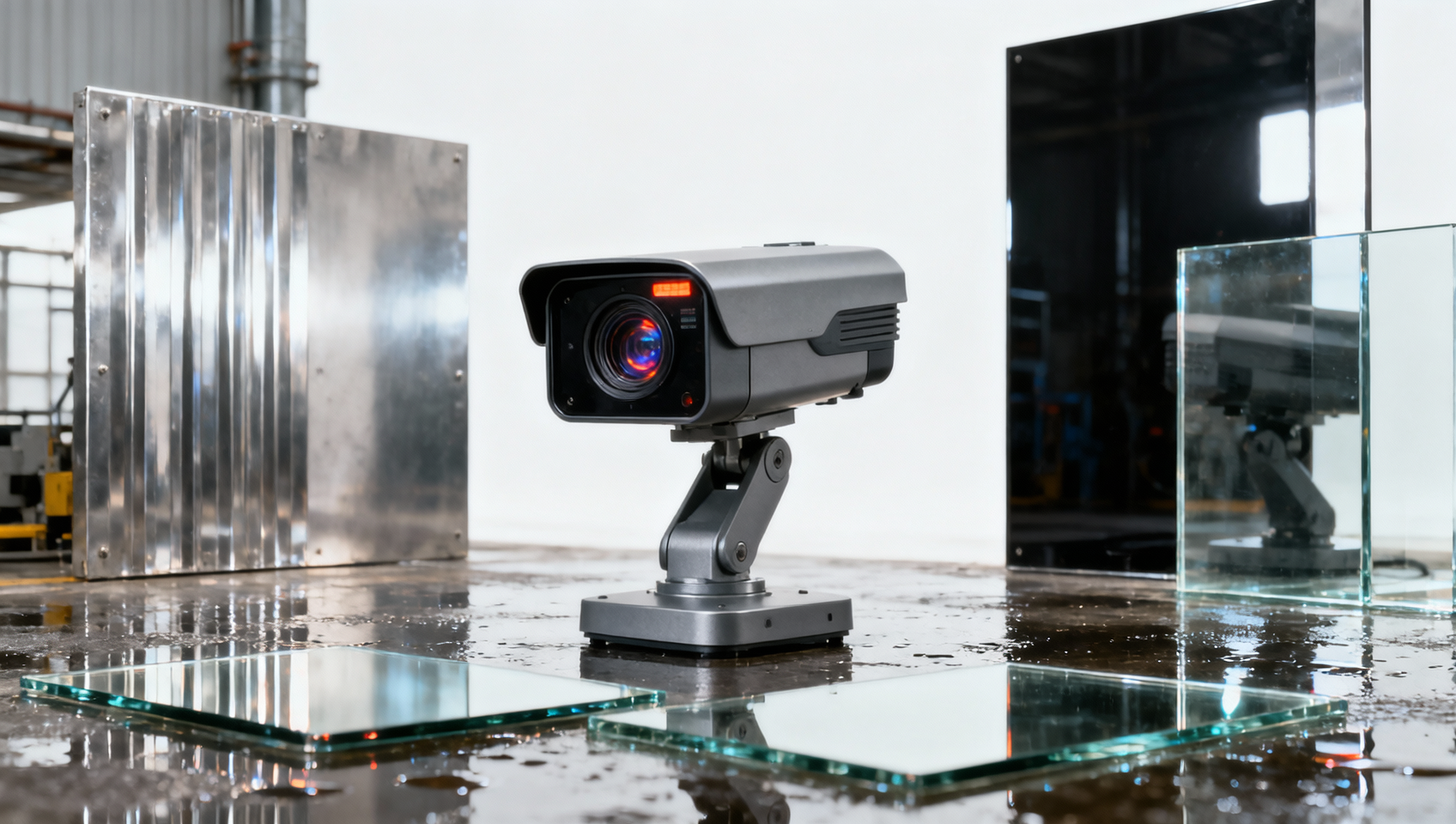
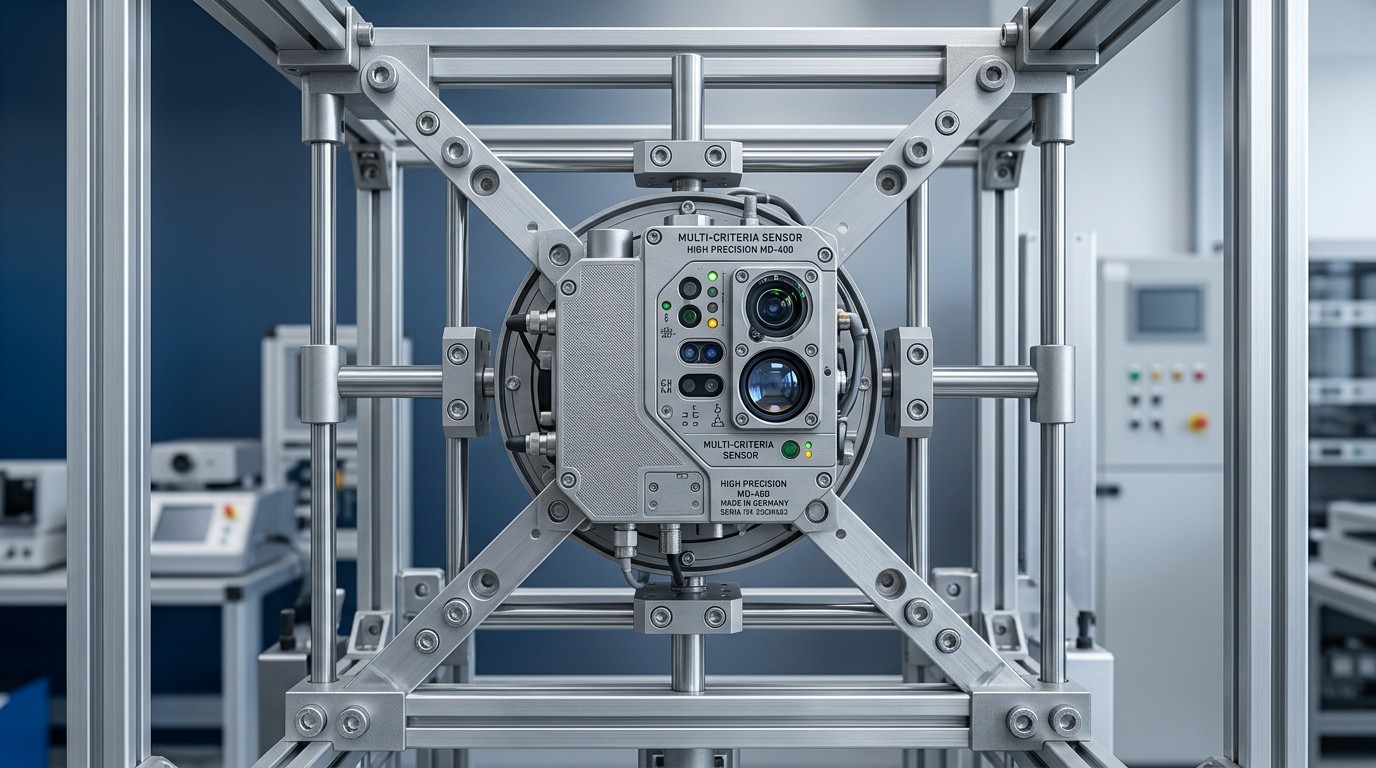
Thermal imaging security cameras are invaluable for perimeter protection and low-visibility monitoring, yet reflective surfaces can distort readings, trigger false alarms, and reduce detection accuracy. For buyers, operators, and industrial decision-makers evaluating thermal imaging security cameras alongside explosion proof cameras, body worn cameras oem, and wholesale dash cams, understanding these limitations is essential to building a more reliable, standards-driven security system.
Why reflective surfaces create problems for thermal imaging security cameras
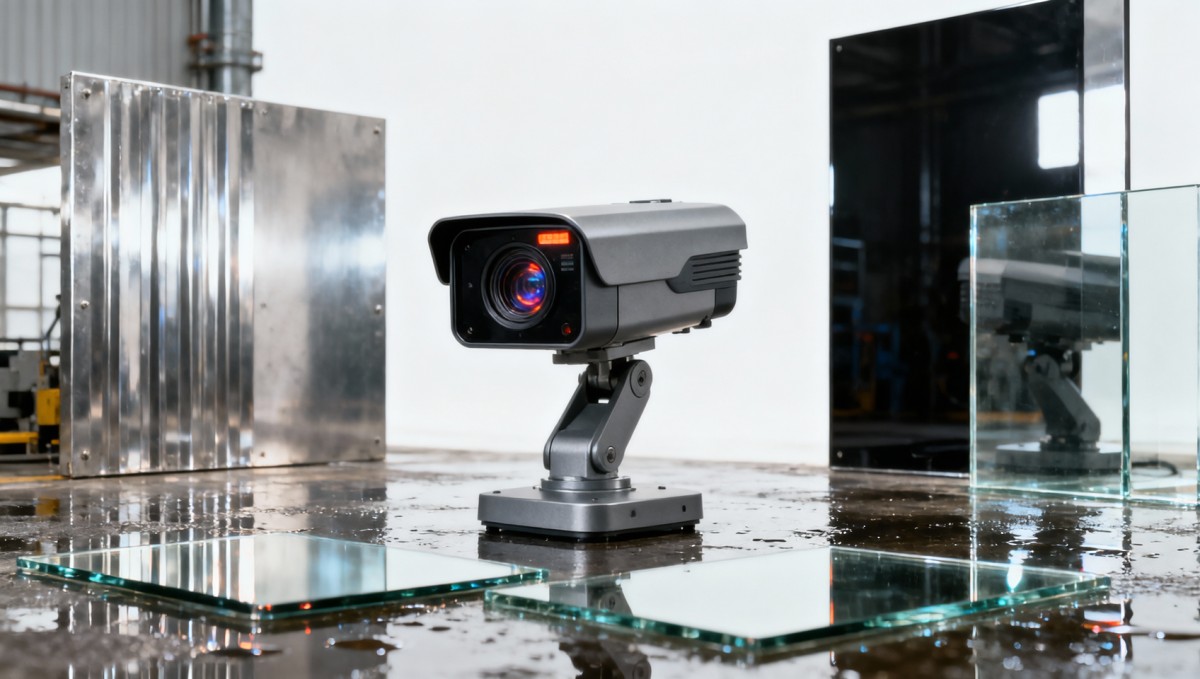
A thermal imaging security camera does not see light in the same way as a conventional visible camera. It detects infrared radiation associated with surface temperature differences. In industrial yards, logistics parks, substations, process facilities, and transportation corridors, that sounds ideal because thermal monitoring can work through darkness, haze, light smoke, and partial weather interference. The problem begins when the camera views surfaces that do not emit or transmit heat in a stable way from the angle being observed.
Polished metal, glazed façades, standing water, glossy painted panels, and even some coated insulation claddings can reflect infrared energy from nearby objects. Instead of showing the true temperature signature of the target area, the thermal imaging security camera may capture reflected heat from vehicles, sunlight-heated structures, flare points, or machinery operating 10 m to 200 m away. In perimeter protection, this can make a cold area appear warm or make a person blend into a confusing background.
For operators, the practical impact is not abstract. False alarms rise, alarm verification takes longer, and patrol response efficiency falls. For procurement teams, the issue affects return on investment because a camera selected only by resolution or price may underperform in the real site geometry. For enterprise decision-makers, the risk is larger: a monitoring gap at a fuel terminal, warehouse dock, utility boundary, or fenced industrial perimeter can compromise security, compliance, and incident response.
Reflectivity problems are also highly scene-dependent. A stainless enclosure exposed to direct sun from 11:00 to 15:00 behaves differently from a wet concrete yard after rainfall. A fixed thermal imaging security camera overlooking tanker loading lanes may struggle more than one mounted above matte fencing and vegetated boundaries. That is why site survey quality matters as much as sensor specification.
Common reflective surfaces that affect detection accuracy
In mixed industrial environments, reflective interference often comes from materials chosen for durability rather than imaging compatibility. This makes the issue common across security and safety deployments, especially where thermal imaging security cameras are expected to support unattended monitoring for 12-hour night periods or continuous 24/7 operation.
- Polished or brushed metal surfaces such as tanks, pipework, access doors, machine guards, and stainless process panels.
- Water surfaces including retention ponds, flooded access roads, wet loading zones, and rain-soaked pavement.
- Glass and coated façade elements around control rooms, gatehouses, and office zones near the perimeter.
- High-gloss painted vehicles, trailers, shipping containers, and reflective safety markings in logistics areas.
These surfaces do not always make thermal imaging unusable. The key issue is whether the reflective material dominates the field of view or intersects the primary detection corridor. A camera overlooking a 60 m fence line with 20% reflective background may remain stable, while a camera pointed across a 30 m wet yard toward polished tanks may produce frequent nuisance alerts unless analytics and mounting are adjusted.
Which industrial scenarios are most vulnerable to thermal reflection errors?
Not every project faces the same level of distortion. Information researchers and buyers should first map the site into thermal risk zones rather than treat all camera positions equally. In practice, reflective errors are most likely in facilities that combine hard surfaces, large metal assets, changing weather, and moving heat sources such as trucks, forklifts, generators, or process equipment.
At petrochemical terminals, reflective cladding, tank curvature, and hot equipment can confuse edge analytics. At power infrastructure sites, transformers, busbars, metal cabinets, and security fencing create mixed thermal backgrounds that change between day and night. At ports and intermodal yards, stacked containers, trailer bodies, puddles, and vessel structures can create dynamic reflections over large scanning angles.
This matters when organizations compare thermal imaging security cameras with explosion proof cameras, body worn cameras oem programs, or wholesale dash cams. Each product family solves a different surveillance problem. Thermal systems are strongest in long-range detection and low-visibility monitoring. Body-worn systems improve evidentiary capture during intervention. Dash cams support fleet accountability. Explosion proof cameras protect hazardous areas where ignition control is critical. A sound security architecture often combines 2 to 4 camera types instead of forcing one platform to solve every task.
The table below helps procurement teams identify where reflective surfaces are likely to reduce thermal performance and where mitigation planning should start before tendering.
The main lesson is that reflective risk should be treated as a design parameter, not as a post-installation complaint. A proper assessment usually reviews at least 4 factors: surface type, viewing angle, range band, and thermal background change across day and night cycles. In many projects, this step prevents overspecification in one area and underprotection in another.
How different camera categories complement each other
A recurring procurement mistake is comparing thermal imaging security cameras, explosion proof cameras, body worn cameras oem solutions, and wholesale dash cams as if they were direct substitutes. They are adjacent, but not equivalent. Understanding the operational role of each helps budget owners allocate spend more efficiently over a 12-month to 36-month security planning cycle.
Role-based comparison for integrated security design
The following table highlights where thermal systems fit and where another device category may be required to close monitoring gaps caused by reflective surfaces or hazardous-area constraints.
For many industrial users, the right answer is layered deployment. A thermal imaging security camera handles early detection from 50 m to several hundred meters depending on lens and scene. A visible camera verifies events. If the area is hazardous, explosion proof housings or certified hazardous-area camera systems become essential. When personnel engage, body worn cameras oem programs support evidence integrity, and wholesale dash cams extend visibility across mobile operations.
How should buyers evaluate specifications, placement, and compliance?
A specification sheet alone rarely reveals whether a thermal imaging security camera will cope with reflective surfaces. Procurement teams should evaluate three layers together: sensor capability, installation geometry, and operational environment. If one layer is ignored, the project may still pass acceptance tests but fail during rain, summer heat, or high-traffic shifts.
At the sensor level, buyers should review thermal resolution, lens options, detection range assumptions, image refresh behavior, and analytics compatibility. Detection claims are often based on ideal contrast conditions, not reflective industrial surfaces. At the installation level, mounting height, tilt angle, sun path, and line-of-sight across metal or wet surfaces matter greatly. At the environment level, ask how the system behaves during 4 common conditions: direct sun, rain, standing water, and adjacent vehicle activity.
Compliance adds another screening layer. Industrial projects may require alignment with CE, UL, ISO-related quality systems, ingress protection expectations such as IP66 or IP67, and in some sectors hazardous-area requirements. These are not marketing extras. For infrastructure buyers, enclosure integrity, temperature rating, and electrical safety are part of total risk management, especially where cameras must run outdoors through seasonal extremes.
GIC’s sourcing perspective is straightforward: ask vendors to support claims with deployment logic, not just brochures. A serious supplier should discuss scene assessment, mounting recommendations, environmental limitations, expected tuning effort over the first 2 to 6 weeks, and integration with visible cameras, video management software, or analytics platforms.
A practical 5-point procurement checklist
- Confirm the dominant surface types within the detection corridor, including metal, glass, water, painted assets, and seasonal wet areas.
- Request expected performance by scenario, not only by maximum range, such as fence line detection at 80 m, yard crossing at 120 m, or gate approach at 30 m.
- Check housing suitability, ingress protection, operating temperature range, and whether explosion proof cameras are required in defined hazardous zones.
- Plan for dual-sensor verification where reflective surfaces cannot be avoided, combining thermal detection with visible imaging or radar.
- Define commissioning and tuning steps, including baseline testing in daytime, nighttime, and at least one adverse weather condition.
For procurement managers, this checklist improves bid comparability. For users and operators, it reduces frustration later. For decision-makers, it supports a stronger total-cost view because fewer false alarms and fewer repositioning visits can matter more than a lower initial unit price.
Typical implementation timeline in industrial projects
Delivery and commissioning vary by project complexity, but a common pattern is 3 stages over 2 to 8 weeks: site review and design confirmation, hardware supply and mounting, then tuning and acceptance. Larger EPC-linked projects may take longer if hazardous-area documentation, network approvals, or factory acceptance procedures are required. Buyers should clarify whether lead time covers only hardware shipment or the full commissioning window.
What mistakes cause false alarms, missed events, and poor ROI?
When thermal imaging security cameras disappoint, the root cause is often not the sensor itself but poor alignment between site conditions and deployment assumptions. The first common mistake is aiming the camera across highly reflective lanes because the location is easy for cabling. The second is accepting generic analytics without testing against the site’s real heat clutter. The third is using thermal as a standalone proof source when reflective scenes require corroboration.
Another mistake appears during budgeting. Teams sometimes compare a thermal imaging security camera only to visible CCTV pricing and conclude that thermal is expensive. In fact, the correct comparison is functional. If one thermal camera reduces the need for multiple illuminated visible units along a dark 150 m perimeter section, project economics change. But if reflective surfaces force repeated tuning and additional verification cameras, the cost model must be updated early.
There is also a training issue. Operators need to understand that a bright thermal signature is not automatically the object of interest. In reflective environments, image interpretation requires context. Security teams should review alarm clips from different periods over at least 7 to 14 days after installation. This helps separate recurring nuisance patterns from real intrusion behavior and improves rule tuning.
Finally, enterprise leaders should avoid treating all sites as identical. A warehouse campus, steel fabrication plant, and chemical loading terminal may all request thermal perimeter security, yet the reflective risk profile is different in each case. Standardizing procurement templates is helpful, but standardizing camera placement without site-specific review often creates hidden performance gaps.
FAQ: buyer and operator questions
Can a thermal imaging security camera work well near metal surfaces?
Yes, but placement and scene design are critical. Metal surfaces alone do not disqualify a thermal system. Problems usually arise when polished or sun-heated metal occupies a large share of the viewing corridor or when target contrast is low. In many sites, repositioning the camera, narrowing the zone, or adding visible confirmation resolves the issue more effectively than changing the entire platform.
Are explosion proof cameras the answer if thermal imaging is affected by reflections?
Not automatically. Explosion proof cameras address hazardous-area safety requirements, not reflection physics by themselves. If the scene contains reflective surfaces, the imaging approach still needs review. In a hazardous zone, the right solution may be an appropriately certified camera system with revised angle, analytics, and sometimes a dual-sensor design.
How long does tuning usually take after installation?
For straightforward sites, baseline tuning may take a few days. For industrial environments with reflective surfaces, changing weather, and mixed traffic, 2 to 6 weeks is a more realistic period for optimization. This should include daytime and nighttime review, at least one wet-condition check where possible, and operator feedback on alarm quality.
When should body worn cameras OEM or wholesale dash cams be added?
Add body worn cameras oem solutions when patrol teams need evidentiary recording during intervention, checkpoint inspection, or visitor control. Add wholesale dash cams when fleet safety, yard vehicle incidents, or transport traceability are part of the security scope. They do not replace fixed thermal imaging security cameras, but they strengthen event documentation and operational accountability.
Why consult GIC before specifying a thermal security system?
Industrial security purchasing is rarely about one camera. It involves environment, compliance, infrastructure uptime, and procurement efficiency. GIC supports EPC contractors, facility managers, industrial buyers, and strategic decision-makers with a sourcing-oriented view that connects security performance to the realities of plant design, hazardous-area constraints, outdoor durability, and lifecycle implementation.
If your team is comparing thermal imaging security cameras, explosion proof cameras, body worn cameras oem supply options, or wholesale dash cams, the most useful starting point is a requirement map. Define the coverage objective, identify reflective surfaces, confirm hazardous zones, and separate detection needs from evidence-capture needs. This reduces specification drift and makes supplier quotations easier to compare.
GIC can help structure discussions around parameter confirmation, scene-based product selection, expected delivery windows, certification alignment, sample evaluation paths, and multi-device architecture. For buyers managing 1 site or 20 sites, this creates a more disciplined path from inquiry to implementation and avoids costly redesign after installation.
Contact GIC to discuss thermal imaging security camera selection, reflective-surface risk review, explosion proof camera requirements, body worn cameras oem planning, wholesale dash cams sourcing, lead-time expectations, and quotation support. A clear technical brief at the start can save weeks of rework and improve security outcomes across the full industrial environment.
Technical Specifications
Expert Insights

Chief Security Architect
Dr. Thorne specializes in the intersection of structural engineering and digital resilience. He has advised three G7 governments on industrial infrastructure security.
Related Analysis
- Apr 25, 2026China Launches World's Largest Agri-Meteorological Observation NetworkAuthor :Precision Metrology Expert
- Apr 25, 2026Binggang Group & AHUT Advance Steel Slag Valorization TechAuthor :Heavy Industry Strategist
- Apr 25, 2026China Leads First ISO Standard for Zero-Carbon CitiesAuthor :Environmental Engineering Director
Core Sector // 01
Security & Safety
- Reducing false alarms in Security & SafetyAuthor :Safety Compliance Lead

- IEC 62061:2026 Effective April 21, 2026 — Safety Controller Recertification RequiredAuthor :Safety Compliance Lead
![]()
- SABIC Launches Industrial Security Localization Plan in Q2 2026Author :Safety Compliance Lead
![]()
- IEC 62061:2026 Released — Higher Certification Bar for Industrial Safety Control SystemsAuthor :Safety Compliance Lead
![]()
- Smart peephole viewers: night vision quality is not all the sameAuthor :Safety Compliance Lead

- Video door phones wholesale: wired systems still win in some jobsAuthor :Safety Compliance Lead

- Wireless intercom systems drop audio in buildings with thick wallsAuthor :Safety Compliance Lead

- Wholesale baby monitors: when extra features become false comfortAuthor :Safety Compliance Lead