Body worn cameras OEM projects often stall at firmware stage
Author
Date Published
Reading Time
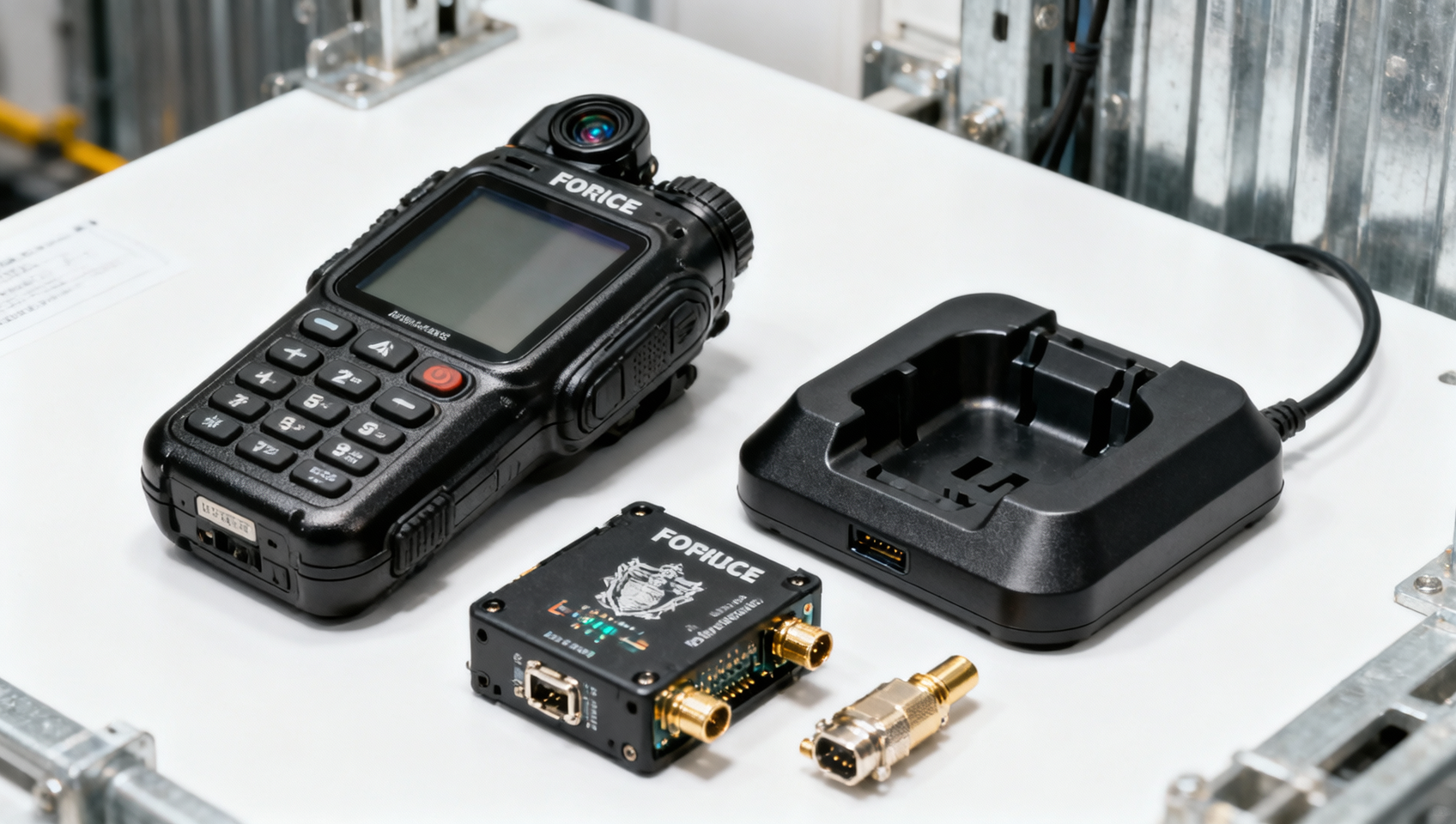
Body worn cameras OEM programs often look straightforward until firmware exposes the real bottleneck. For buyers comparing body worn cameras OEM partners with dashcam dual lens, wholesale dash cams, or thermal imaging security cameras suppliers, hidden issues in encryption, battery logic, evidence management, and compliance can delay launch, raise costs, and damage procurement confidence. This article explains why firmware becomes the critical path and how industrial buyers can evaluate risk earlier.
Why body worn cameras OEM projects slow down after hardware looks ready
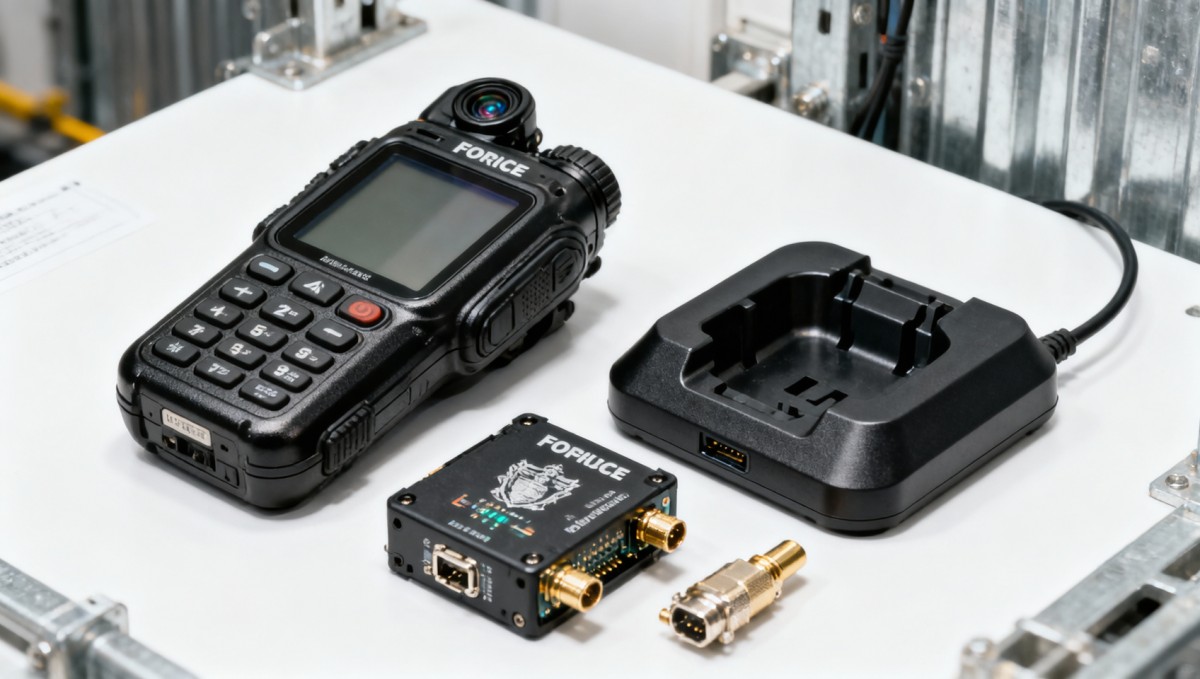
In many body worn cameras OEM projects, the enclosure, image sensor, clip design, display, and charging dock are settled within 2–6 weeks, but firmware alignment can continue for 8–16 weeks or longer. That mismatch surprises procurement teams because hardware milestones are visible, while firmware dependencies remain hidden until pilot testing starts. The result is a project that appears nearly finished but is still not ready for shipment, certification submission, or field deployment.
Firmware is the control layer that connects recording logic, power management, storage behavior, encryption, user permissions, metadata, and evidence export. A body worn camera can use proven components and still fail operational acceptance if the firmware does not behave correctly under real duty cycles such as 8–12 hour shifts, repeated charging, low-temperature starts, or continuous event recording. For operators, that means unreliable use. For buyers, that means an approval risk that hardware samples alone cannot reveal.
This challenge becomes more serious when a sourcing team compares body worn cameras OEM suppliers with adjacent device makers such as dashcam dual lens and wholesale dash cams vendors. The hardware architecture may look similar, but the firmware burden is not. Vehicle cameras often focus on loop recording and ignition logic, while body worn cameras must manage evidence integrity, officer identifiers, pre-record functions, docking workflows, and role-based access control. A supplier strong in one category may still struggle in another.
For industrial and institutional procurement, the issue is not whether firmware matters, but whether it is being reviewed early enough. Global Industrial Core focuses on this exact gap: turning hidden engineering variables into procurement intelligence so EPC teams, safety managers, and sourcing directors can identify launch risks before tooling, packaging, and distribution plans lock them in.
What firmware actually controls in a deployable solution
A body worn camera firmware stack typically spans several layers, and delays often appear when these layers are developed by different teams or inherited from older platforms. Integrating these layers into a stable release can take 3 stages: base driver validation, application logic tuning, and evidence workflow verification. If any stage slips, the entire OEM program can miss the intended launch window.
- Recording control: one-touch record, pre-record, post-record, file segmentation, audio behavior, and emergency capture response.
- Power logic: sleep mode, charging thresholds, battery health protection, shutdown behavior, and hot-plug dock recognition.
- Security and evidence flow: encryption, tamper resistance, access permissions, chain-of-custody metadata, and export control.
- Device administration: user assignment, time sync, firmware updates, language settings, policy enforcement, and fleet management hooks.
When one supplier says the device is “based on an existing platform,” buyers should ask which layers are already field-proven and which are still being modified. That distinction often explains whether a pilot finishes in 2–4 weeks or drifts into repeated revision cycles.
Which firmware issues create the biggest procurement and launch risks
The most common OEM bottlenecks are not dramatic failures. They are small logic conflicts that only surface under real use. A body worn camera may record properly in a lab but fail after frequent dock-undock cycles, storage nearing full capacity, or policy changes across multiple user groups. Buyers should therefore treat firmware as a risk matrix rather than a single checklist item.
The table below highlights typical firmware problem areas in body worn cameras OEM projects and their commercial impact. It is especially useful for teams comparing security camera manufacturers, wholesale dash cams vendors, and specialized wearable camera suppliers that offer similar hardware but different software maturity.
These problems rarely remain technical. They quickly become cost, reputation, and contract management issues. If a pilot of 30–100 units exposes firmware instability, the customer may freeze the entire project, renegotiate milestones, or expand incoming inspection requirements. That is why firmware maturity should be assessed before volume pricing becomes the main topic.
How evidence workflows make body worn cameras different from generic video devices
A dashcam dual lens product may prioritize road-facing and cabin-facing synchronization. A thermal imaging security cameras platform may prioritize temperature overlays, alarm events, and network streaming. Body worn cameras OEM projects usually need a different priority set: secure local capture, auditable handling, simple user interaction, and robust upload from charging docks or management stations.
That difference matters because firmware reuse across product categories is often partial, not complete. Buyers should be cautious when a supplier presents cross-category experience as proof of readiness. Shared image processing capability is useful, but it does not automatically mean the supplier can deliver wearable evidence logic, secure export tools, or supervisor review functions at the same maturity level.
A practical review should include at least 5 key checks: file naming rules, user lockout behavior, low-battery recording protection, dock upload stability, and audit trail visibility. Those checks reveal far more than a polished demo sample.
How to compare body worn cameras OEM suppliers before firmware becomes expensive
Procurement teams often compare suppliers by sensor resolution, housing design, minimum order quantity, and unit price first. Those are necessary, but they do not reveal whether firmware changes will be simple parameter edits or full redevelopment. A more reliable approach is to compare software readiness, integration burden, and change control discipline in parallel with hardware evaluation.
The following comparison framework can help information researchers, operators, buyers, and decision-makers screen suppliers during RFQ or technical alignment. It also reduces the chance of choosing a vendor whose quote looks competitive at the sample stage but expands in cost during firmware customization.
This comparison does more than protect engineering timelines. It improves total project visibility. In many body worn cameras OEM programs, the difference between a standard deployment and a delayed deployment is not the quoted hardware price; it is the number of unclear firmware assumptions left unresolved at contract signature.
A practical screening checklist for buyers
- Ask for a feature map that separates standard firmware functions from custom requests, ideally with estimated validation time of 1–3 weeks per change group.
- Request a pilot plan covering at least 3 environments: normal indoor use, extended shift recording, and dock upload or evidence export.
- Confirm whether management software, SDK access, or API interfaces are included, optional, or unavailable.
- Review version control practice, bug tracking response time, and ownership of final approved firmware build.
- Align acceptance criteria in writing, including file security, time sync, battery behavior, and update method.
When these points are handled up front, sourcing teams can compare body worn cameras OEM proposals on a more realistic basis and avoid overestimating what a generic camera platform can deliver.
What standards, validation steps, and implementation milestones should buyers expect
Compliance in body worn cameras OEM work is broader than passing a lab test on the finished hardware. Depending on the target market and deployment model, buyers may need to review electrical safety, EMC, battery transport considerations, data handling policies, and product labeling requirements. A supplier does not need to claim every certificate from day one, but it should show a realistic pathway for the target region and use case.
For implementation, buyers should think in milestones rather than hoping for a single “ready” declaration. A practical sequence often runs through 4 checkpoints: requirement freeze, engineering sample validation, pilot deployment, and release approval. Each checkpoint should include both device behavior and evidence workflow verification, not just image quality or basic recording confirmation.
Typical validation focus by project stage
The table below summarizes how teams can align technical and procurement review across the project cycle. This is useful for industrial buyers working under schedule pressure, especially when multiple stakeholders such as operations, IT, security, and purchasing must sign off.
This staged method reduces ambiguity. It also gives enterprise decision-makers a way to tie technical progress to budget release and vendor accountability. In practice, even a 2–3 week delay caught at engineering sample stage is far less costly than discovering the same issue after packaging, training, and shipment planning have started.
Common compliance and acceptance questions
Buyers should ask whether the device is intended for general commercial security use, regulated public safety workflow, or industrial site documentation. Those categories influence firmware expectations. For example, timestamp integrity, access logging, and file export restrictions may matter more than raw resolution if the device is used for incident review or formal evidence retention.
It is also wise to define retention and transfer assumptions early. A project that records short incident clips has a different storage and upload profile from one that expects continuous or near-continuous capture during long shifts. Firmware design must follow that operational reality, not a generic brochure description.
FAQ and buyer action plan for a lower-risk OEM decision
Before signing with a body worn cameras OEM supplier, many teams still have the same concerns: how long the project will really take, which features should be frozen first, and how to compare this category with other video devices such as dashcams or thermal imaging systems. The answers become clearer when procurement and firmware review move together rather than separately.
How long does a typical body worn cameras OEM firmware cycle take?
For a platform with mostly standard functions, integration and validation may fit within 4–8 weeks. If the request includes custom encryption flow, docking behavior, evidence software adaptation, or region-specific compliance changes, the cycle often extends to 8–16 weeks. The more critical question is not duration alone, but whether scope is frozen early and tested against real workflows.
What should operators and end users test first in a pilot?
Start with 5 essentials: start/stop recording response, battery endurance across a full shift, file retrieval speed, dock charging consistency, and timestamp or user ID accuracy. Operators should test under actual movement, repeated clip creation, and end-of-shift handling. These checks reveal whether the firmware supports field reality instead of only bench performance.
Is it safe to choose a supplier that mainly builds dashcams or other security cameras?
It can be viable if the supplier can clearly show how its existing firmware maps to wearable evidence requirements. Similar imaging hardware does not guarantee similar workflow readiness. Buyers should request a gap analysis covering security, metadata, update method, and management software support before assuming cross-category capability.
What should procurement teams lock into the quotation and specification?
At minimum, lock in 6 items: firmware feature list, custom change scope, test and acceptance method, update and maintenance path, compliance target, and delivery milestone by stage. This prevents disputes where one side believes a function is standard while the other treats it as future development.
Why work with Global Industrial Core during supplier evaluation?
Global Industrial Core helps industrial buyers move beyond catalog comparison. We support structured supplier screening, firmware risk questioning, compliance pathway review, and sourcing decisions across security and safety technologies where operational reliability matters more than marketing claims. That is especially valuable when OEM projects involve multiple internal stakeholders and costly launch deadlines.
Why choose us for your next sourcing review
If you are evaluating body worn cameras OEM suppliers, comparing them with wholesale dash cams vendors, or reviewing adjacent thermal and security camera manufacturers, GIC can help you clarify the technical and commercial questions that decide project success. We can support parameter confirmation, supplier comparison logic, firmware scope review, pilot checklist design, delivery timeline assessment, and certification pathway discussion.
Contact us when you need a more disciplined decision framework for sample evaluation, custom feature definition, dock and evidence workflow review, quotation alignment, or sourcing communication with engineering teams. A better OEM outcome usually starts before production—at the point where firmware risk is identified, documented, and priced correctly.
Technical Specifications
Expert Insights

Chief Security Architect
Dr. Thorne specializes in the intersection of structural engineering and digital resilience. He has advised three G7 governments on industrial infrastructure security.
Related Analysis
- Apr 25, 2026China Launches World's Largest Agri-Meteorological Observation NetworkAuthor :Precision Metrology Expert
- Apr 25, 2026Binggang Group & AHUT Advance Steel Slag Valorization TechAuthor :Heavy Industry Strategist
- Apr 25, 2026China Leads First ISO Standard for Zero-Carbon CitiesAuthor :Environmental Engineering Director
Core Sector // 01
Security & Safety
- Reducing false alarms in Security & SafetyAuthor :Safety Compliance Lead

- IEC 62061:2026 Effective April 21, 2026 — Safety Controller Recertification RequiredAuthor :Safety Compliance Lead
![]()
- SABIC Launches Industrial Security Localization Plan in Q2 2026Author :Safety Compliance Lead
![]()
- IEC 62061:2026 Released — Higher Certification Bar for Industrial Safety Control SystemsAuthor :Safety Compliance Lead
![]()
- Smart peephole viewers: night vision quality is not all the sameAuthor :Safety Compliance Lead

- Video door phones wholesale: wired systems still win in some jobsAuthor :Safety Compliance Lead

- Wireless intercom systems drop audio in buildings with thick wallsAuthor :Safety Compliance Lead

- Wholesale baby monitors: when extra features become false comfortAuthor :Safety Compliance Lead