Wholesale Smart Door Locks: Best Fit by Use
Author
Date Published
Reading Time
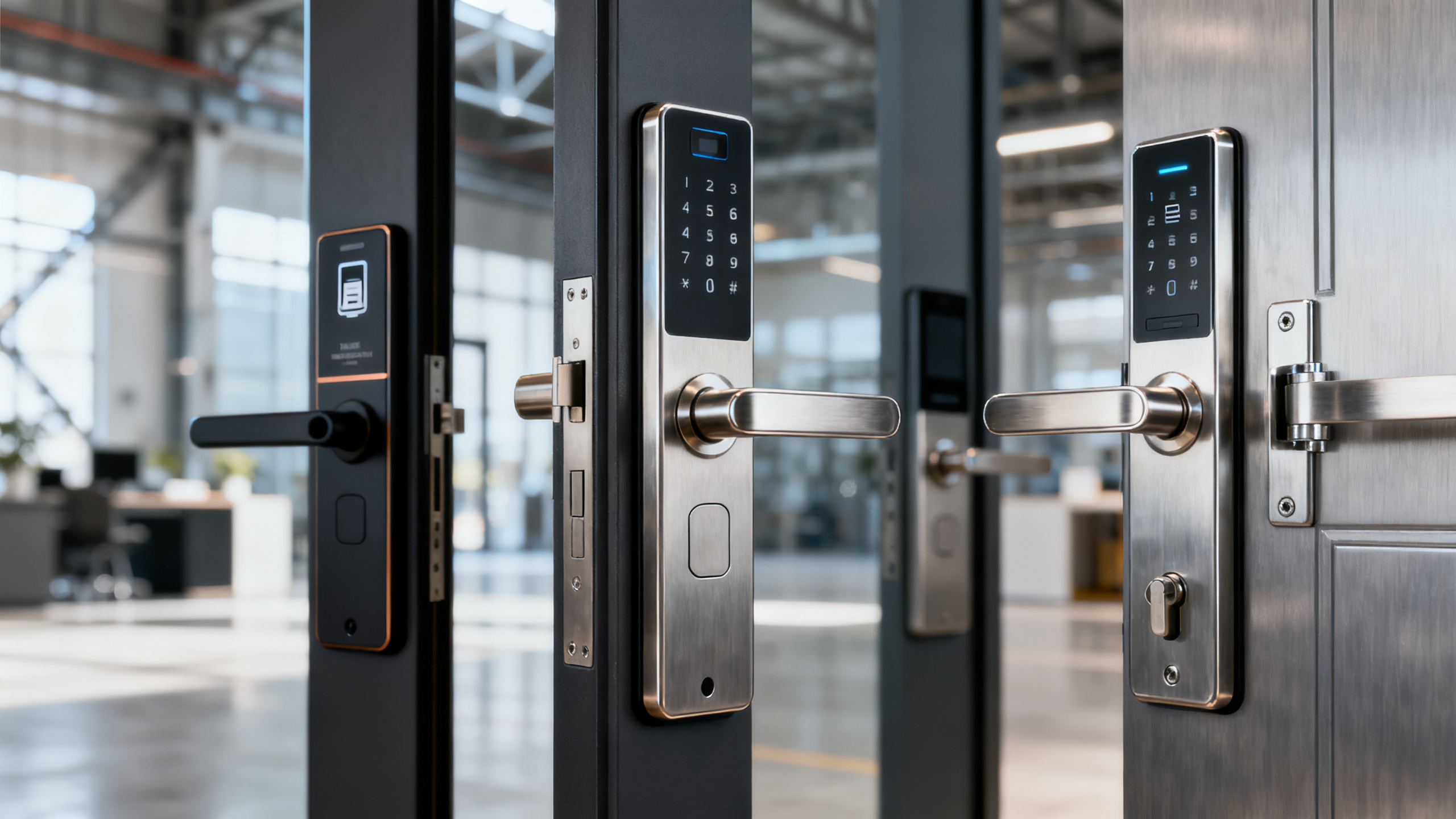
Choosing the right access solution starts with understanding the application. From hotel key card locks to wholesale smart door locks for offices, apartments, and industrial sites, buyers need more than price comparisons. This guide helps procurement teams, facility operators, and decision-makers evaluate fit, security features, integration needs, and long-term value when sourcing smart locking systems for different use cases.
In B2B procurement, smart lock selection affects daily operations, labor efficiency, user safety, audit control, and maintenance cost over a service life that often extends 3 to 7 years. A lock that works well in a 120-room hotel may be a poor fit for a logistics gatehouse, while an office solution optimized for mobile credentials may not satisfy the turnover demands of multi-unit housing.
For buyers comparing wholesale smart door locks, the most practical approach is to match the product architecture to the site environment, traffic volume, credential model, and integration roadmap. The sections below break down the main use cases, technical requirements, sourcing criteria, and deployment risks that matter most in commercial and industrial decision-making.
Use-Case First: Matching Smart Lock Types to Real Operating Environments
Not all smart locks are built for the same duty cycle. In wholesale sourcing, the first filter should be usage intensity, user turnover, and access governance. A guestroom lock in hospitality may see 2 to 6 credential changes per week, while a warehouse side door may have fewer users but stricter audit requirements and heavier exposure to dust, vibration, or weather.
For offices, buyers typically prioritize convenience, centralized permission control, and integration with attendance or visitor systems. For apartments and co-living sites, remote credential issuance, low-battery alerts, and turnover efficiency matter more. For industrial facilities, buyers often focus on robust construction, emergency override protocols, and compatibility with existing security infrastructure such as access controllers, alarm panels, or restricted-area procedures.
A practical way to evaluate fit is to classify each opening by 4 variables: door type, user volume, credential method, and risk level. This reduces overbuying on low-risk doors and under-specifying critical entrances. In large projects with 50 to 500 doors, this approach also helps procurement teams standardize only where standardization adds operational value.
Typical fit by application
The table below summarizes common smart lock priorities across major commercial and industrial use cases. It is designed for early-stage comparison before final technical review with installers or system integrators.
The key takeaway is that “best” is not a universal product claim. The best wholesale smart door locks are the ones that align with operational patterns. In many portfolios, using 2 or 3 lock categories instead of 1 across all openings improves both security and total cost control.
Basic segmentation checklist
- High-turnover doors: prioritize fast credential issuance and deletion within minutes, not hours.
- Critical doors: require event records, emergency override, and controlled admin rights for at least 2 designated roles.
- Outdoor or semi-outdoor doors: confirm operating temperature range, weather exposure tolerance, and sealing quality.
- Distributed properties: favor remote management to reduce on-site service visits by 20% to 40% over time.
Core Technical Features Buyers Should Compare Before Placing a Wholesale Order
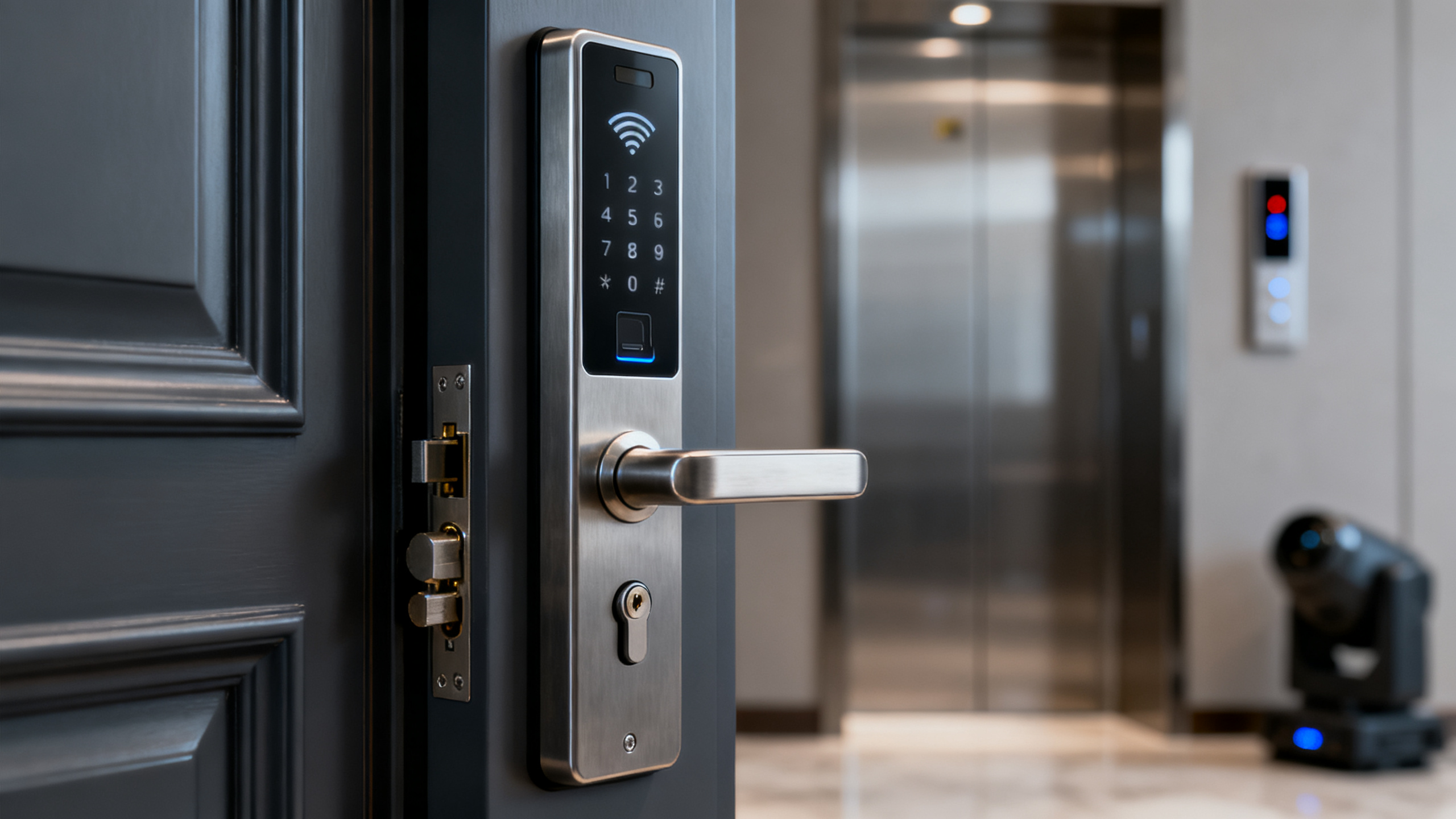
After narrowing the use case, buyers should compare technical features that influence security, maintenance, and interoperability. The most common credential methods are RFID cards, PIN codes, fingerprints, mobile app credentials, and Bluetooth or gateway-enabled remote access. Each option carries a different balance of user convenience, hardware cost, and administrative complexity.
Battery life is another major factor. In many commercial deployments, expected battery service intervals range from 8 to 18 months, depending on usage frequency, wireless communication mode, and environmental conditions. A lock used 10 times per day in offline mode will usually behave differently from one used 40 times per day with gateway communication and frequent audit synchronization.
Mechanical construction should not be treated as secondary. Handle durability, mortise quality, emergency power options, and fail-safe or fail-secure behavior directly affect site resilience. For industrial or back-of-house doors, procurement teams should also confirm whether the lock supports door thickness variation, left/right handing, and retrofit compatibility with existing cutouts to avoid rework during installation.
Feature comparison framework
The following comparison table helps procurement teams translate marketing language into selection criteria that can be used in RFQs, technical review meetings, or vendor scorecards.
In practice, buyers should define no more than 6 to 8 mandatory technical requirements for first-round vendor screening. This keeps quotation comparisons realistic and prevents the sourcing process from being distorted by features that look attractive on paper but have limited value in daily operation.
Common technical selection mistakes
- Choosing fingerprint access for every door without considering wet, dusty, or glove-based work conditions.
- Overlooking battery logistics in sites with more than 100 locks and no preventive replacement schedule.
- Buying online-only locks for facilities that need local continuity during network interruption.
- Ignoring retrofit dimensions and discovering after delivery that door preparation must be redone.
A disciplined technical review usually reduces installation changes, support tickets, and user complaints during the first 90 days after deployment. That improvement often matters more than a small difference in unit purchase price.
Procurement Priorities: Cost, Compliance, Lead Time, and After-Sales Support
Wholesale smart door lock sourcing is not only about hardware cost. For procurement teams, the real comparison should include sample evaluation, installation accessories, software licensing, spare parts, training, warranty handling, and long-term support responsiveness. A low headline price can become expensive if battery replacement cycles are short, firmware support is weak, or accessory lead times are unpredictable.
Lead time planning matters especially for fit-out and multi-site rollouts. Typical sample review may take 7 to 14 days, pilot installation 2 to 4 weeks, and full delivery another 3 to 8 weeks depending on quantity, finish, and customization requirements. Buyers working on hotel openings, office relocations, or industrial expansion projects should align procurement timing with door schedule, low-voltage coordination, and handover milestones.
Compliance review is equally important. While exact requirements vary by market and opening type, buyers commonly request confirmation on electrical safety, material quality consistency, and compatibility with site-specific fire or emergency procedures. In industrial and infrastructure settings, internal security policy alignment can be as critical as external certification documentation.
B2B sourcing evaluation matrix
Use this matrix to compare suppliers beyond product brochures. It can support tender scoring, internal approval notes, or cross-functional review between procurement, operations, and security teams.
When procurement teams compare total ownership instead of unit cost alone, they usually make better long-term decisions. In many projects, a 5% to 12% higher initial spend can be justified if it reduces rekeying labor, user support calls, or replacement frequency over the first 24 months.
What to request in a supplier package
- Door compatibility sheet covering thickness, backset, and installation requirements.
- Battery maintenance guidance with estimated service interval under typical usage.
- Admin workflow summary for adding, deleting, and auditing users.
- Recommended spare ratio, often planned as 2% to 5% for larger multi-door projects.
Deployment, Maintenance, and Risk Control Across the Lock Lifecycle
Even a well-chosen smart lock can underperform if deployment is rushed. Successful implementation usually follows 5 stages: site survey, sample verification, pilot installation, user training, and staged rollout. This process is particularly important where multiple door types exist, such as mixed-use buildings, campuses, or facilities with both public-facing and restricted areas.
Maintenance planning should begin before installation. Teams should decide who owns battery changes, firmware updates, credential administration, emergency unlocking procedures, and event log review. In portfolios with 80 or more locks, many operators create a quarterly inspection routine and a battery replacement cycle based on usage bands rather than waiting for failure events.
Risk control also means preparing for abnormal scenarios. Low battery warnings, lost credentials, staff turnover, network interruptions, and unauthorized admin changes are predictable operational events. The goal is not to eliminate every risk, but to create clear procedures that restore access safely within 15 to 30 minutes in most non-critical incidents.
Recommended implementation flow
- Survey every opening and group doors by function, traffic level, and environment.
- Test 1 to 3 sample locks on actual doors before bulk approval.
- Run a pilot for 2 to 4 weeks with real users, including cleaning or maintenance staff.
- Finalize admin rules, credential types, and emergency access authority.
- Roll out in phases, then review battery, support, and user feedback after 30 and 90 days.
This phased approach reduces costly surprises. It also helps decision-makers confirm whether a lock that performs well in a showroom or sample room can maintain the same reliability under real operating conditions, including shift change traffic, repeated door slamming, or varying network quality.
Common lifecycle risks to watch
- Battery alerts are visible in software, but no team is assigned to act on them.
- Temporary codes remain active longer than intended after guest or contractor departure.
- Mechanical override keys are stored insecurely or without sign-out records.
- Firmware or software changes are made without documenting rollback options.
For industrial and critical facility environments, it is wise to define 3 levels of access authority: operator, supervisor, and emergency administrator. This creates clearer accountability and limits the risk of uncontrolled changes in restricted zones.
Frequently Asked Buying Questions for Wholesale Smart Door Locks
Buyers often ask similar questions when moving from product research to supplier evaluation. The answers below address common concerns from procurement managers, facility teams, and business owners handling commercial or industrial access control upgrades.
How do I choose between offline and online smart locks?
Offline locks can work well for guest rooms, small offices, or doors where remote changes are infrequent. Online or gateway-connected locks are usually better when credentials must be updated quickly across 20, 50, or 100-plus doors, or when managers need real-time visibility. The trade-off is higher infrastructure complexity and sometimes shorter battery life.
What is a reasonable wholesale order strategy for first-time buyers?
A cautious but efficient approach is to start with samples, then a pilot batch, then scale. For example, a buyer might review 2 sample units, install 10 to 20 pilot locks, and only then commit to the full project. This staged method is especially useful when different door materials, traffic patterns, or user groups are involved.
Which metrics matter most during supplier comparison?
Focus on 4 core areas: door compatibility, admin workflow, support responsiveness, and replacement logistics. If a supplier cannot clearly explain battery service intervals, emergency access procedures, and spare parts lead times, the project may face avoidable friction later even if the initial unit cost looks attractive.
Are smart locks suitable for industrial or restricted-area use?
Yes, if the selected product matches the environment and control model. In industrial settings, buyers should prioritize mechanical robustness, controlled admin rights, audit capability, and clear fallback access procedures. The product must support operational discipline, not just digital convenience.
Selecting wholesale smart door locks by use case leads to better security outcomes, smoother operations, and more predictable lifecycle cost. Hotels, offices, apartments, and industrial facilities each require different balances of credential flexibility, hardware durability, connectivity, and maintenance planning.
For procurement teams and decision-makers, the most effective path is to define application needs first, compare technical fit second, and validate deployment readiness before placing volume orders. That process helps reduce rework, improve user adoption, and support long-term asset performance.
If you are evaluating smart locking systems for commercial or industrial projects, contact GIC to discuss application-specific requirements, compare sourcing options, and get a tailored solution plan for your site portfolio.
Expert Insights

Chief Security Architect
Dr. Thorne specializes in the intersection of structural engineering and digital resilience. He has advised three G7 governments on industrial infrastructure security.
Related Analysis
Core Sector // 01
Security & Safety
- Electric Fence Energizers: How Much PowerAuthor :Safety Compliance Lead

- Do Anti Theft Display Stands Really Reduce LossAuthor :Safety Compliance Lead

- Wholesale Security Safes: How to Compare RatingsAuthor :Safety Compliance Lead

- Hotel Key Card Locks: What Buyers MissAuthor :Safety Compliance Lead

- Wholesale Smart Door Locks: Best Fit by UseAuthor :Safety Compliance Lead

- Sliding Gate Motors Wholesale: What to CheckAuthor :Safety Compliance Lead

- Reducing false alarms in Security & SafetyAuthor :Safety Compliance Lead

- IEC 62061:2026 Effective April 21, 2026 — Safety Controller Recertification RequiredAuthor :Safety Compliance Lead
![]()