Electric Fence Energizers: How Much Power
Author
Date Published
Reading Time
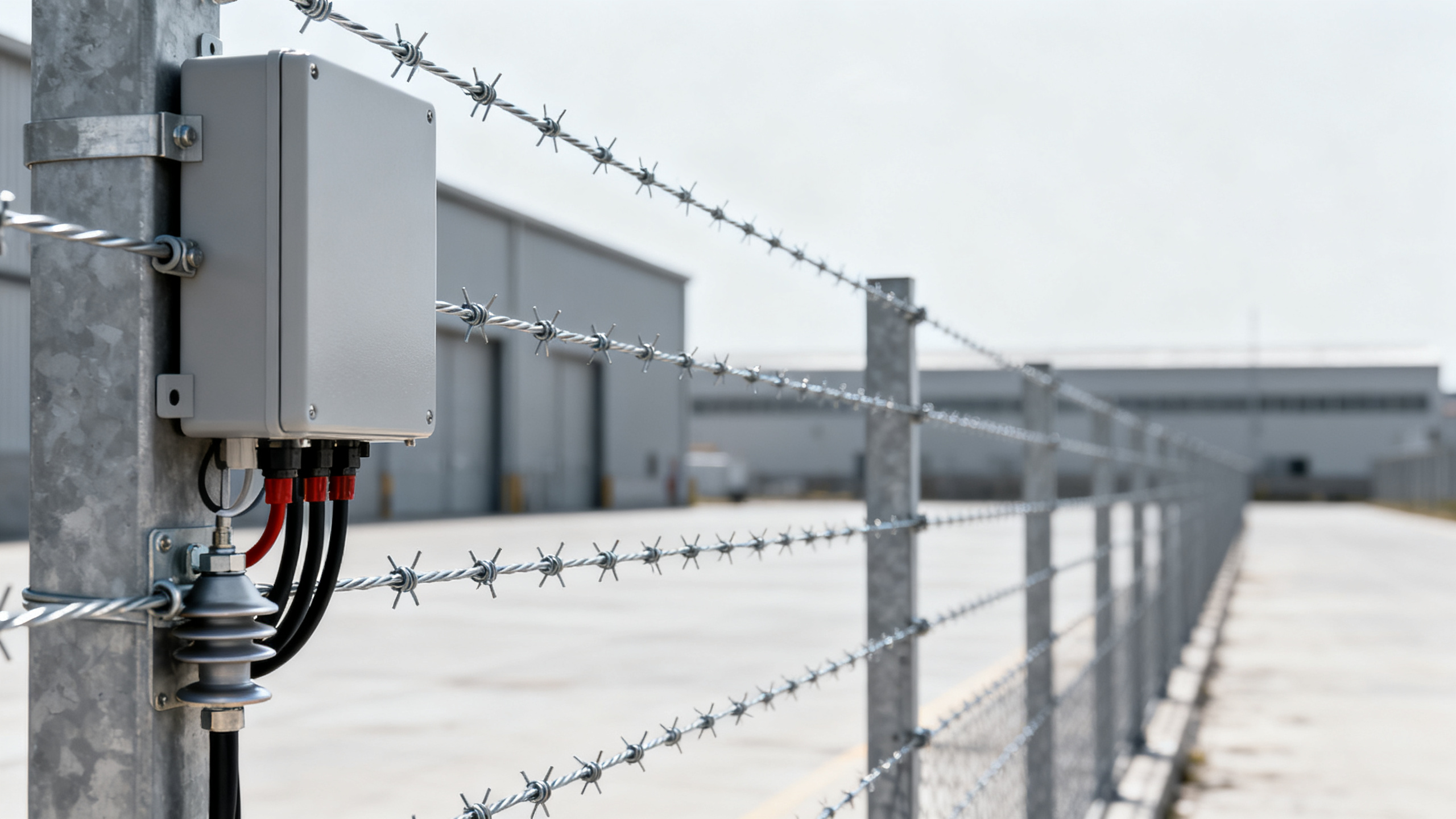
Choosing the right electric fence energizers is not just about voltage—it is about matching output power, fence length, animal or perimeter risk, and site conditions for safe, reliable performance. For buyers comparing perimeter intrusion detection solutions or planning broader electrical infrastructure sourcing, understanding joules, pulse energy, grounding, and compliance is essential before making a cost-critical decision.
How much power do electric fence energizers really need?
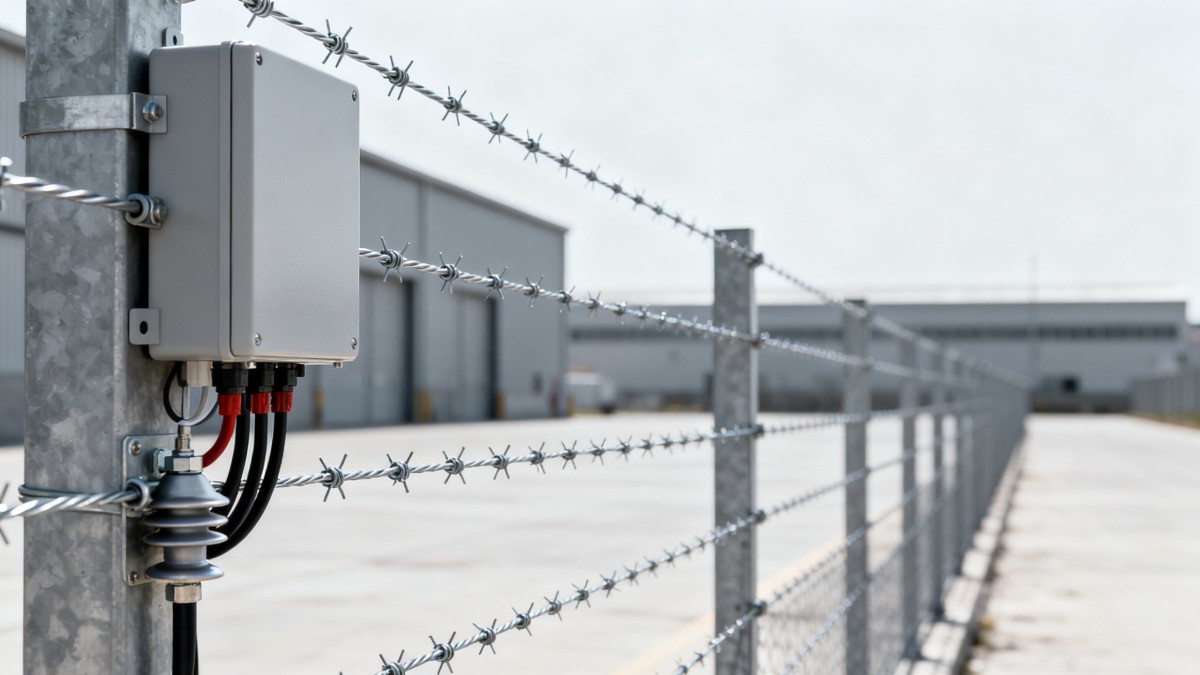
The short answer is that power depends on the job. An electric fence energizer for a short livestock enclosure may perform well at a lower stored energy range, while a long perimeter security fence exposed to vegetation load, moisture variation, and attempted intrusion often needs a higher output class. In practical procurement terms, the key measure is not simply volts, but output joules, pulse consistency, and how the system behaves under real fence conditions.
For information researchers and operators, the most useful distinction is between open-circuit performance and loaded-fence performance. Many systems can show impressive voltage with no load, yet lose effectiveness when the fence is several kilometers long, connected to multiple strands, or subject to grass contact. That is why industrial buyers usually evaluate 3 core indicators: output joules, fence line resistance tolerance, and grounding efficiency.
In mixed industrial environments, electric fence energizers are often part of a wider security and power infrastructure strategy. EPC teams, facility managers, and procurement directors need to consider not only deterrence performance but also maintenance cycles, compatibility with monitoring devices, and compliance review. A wrong sizing choice can lead to nuisance alarms, weak fence shock performance, or unnecessary overspending on a system larger than the site requires.
As a rule of thumb, selection begins with 4 questions: what is the total fence length, how many live wires are installed, what is the likely vegetation load, and whether the fence is intended for animal control or perimeter protection. Those four questions determine whether a low, medium, or higher energy electric fence energizer is appropriate.
Why joules matter more than marketing claims
Joules indicate pulse energy delivered per shock cycle. In the field, this has a direct impact on how well the fence can remain effective when the line is long or partially loaded. A higher-joule unit is not automatically the right choice, but too little joule output usually shows up quickly in weak end-of-line voltage, reduced deterrence, and poor resilience in wet or overgrown conditions.
Procurement teams should also distinguish stored joules from output joules. Stored energy often appears higher in catalogs, but output energy is generally more relevant for comparing actual fence performance. During bid review, asking suppliers to clarify this difference can prevent technical misunderstandings and budget misallocation.
- Short fence runs with light load usually prioritize efficient pulse delivery and stable voltage rather than maximum size.
- Medium sites often require balanced output, dependable grounding, and easier service access for operators.
- Large perimeter projects typically need stronger output reserves, monitoring integration, and disciplined installation quality.
Which technical parameters should buyers compare first?
When comparing electric fence energizers, buyers should avoid starting with price alone. A better approach is to evaluate the relationship between power output, fence scale, site environment, and maintenance burden. In many projects, 5 specification areas drive the final decision: output joules, recommended fence distance, input power type, alarm or monitor interface, and environmental protection level for outdoor installation.
The table below helps organize the most relevant parameters for industrial and commercial perimeter planning. These are not brand-specific promises, but a practical framework that sourcing teams can use during technical clarification, especially when several vendors use different naming methods.
This comparison shows why electric fence energizers should not be evaluated as simple commodities. Two units with similar listed voltage may behave very differently once connected to 8 strands over a long perimeter with seasonal vegetation pressure. For industrial procurement, the specification review should always include real operating load and not just brochure values.
Another common technical oversight is grounding. In many installations, poor grounding can reduce performance more than a modest difference in energizer size. Buyers should ask whether the design includes the required number of earth stakes, the recommended spacing, and the expected soil condition. In dry or rocky ground, grounding design can become the limiting factor even when the energizer itself is properly sized.
Key installation variables that change power demand
Power demand changes with site conditions. A fence that runs 500 meters around a clean utility yard is very different from a 5-kilometer perimeter around a logistics compound with vegetation growth and multiple gate connections. Each connector, corner assembly, and under-gate cable introduces possible losses that must be considered before selecting a unit.
A practical technical review usually covers 6 installation points: total length, wire count, expected leakage, terrain shape, power availability, and interface with alarm systems. That review often saves time during commissioning because it reduces the gap between tender assumptions and actual field conditions.
Minimum questions for specification review
- What is the total live-wire length after accounting for all strands, not just boundary distance?
- How much vegetation contact is expected during wet and dry seasons?
- Does the site need battery backup for outages lasting several hours or longer?
- Will the system connect to a perimeter intrusion alarm, SCADA, or local security panel?
How to match electric fence energizers to real application scenarios
Different sites demand different power strategies. For animal control, the fence must train behavior and remain consistent across changing weather. For industrial perimeter security, the objective is reliable deterrence and system continuity. A buyer choosing electric fence energizers for a warehouse, solar farm, utility substation, or remote pipeline route should expect very different duty profiles even when the fence looks similar on paper.
The next table provides a scenario-based guide for preliminary selection. It is useful during early planning, budget estimation, and supplier screening, especially when non-specialist decision-makers need a quick map of likely configuration levels.
The main takeaway is that the “right power” is contextual. A longer or higher-risk perimeter often benefits from zoning rather than one oversized unit. Dividing a fence into 2–4 monitored sections can simplify fault finding, improve operational visibility, and reduce downtime during maintenance.
Operators also need to think about service practicality. If a remote fence line is inspected only every 2–4 weeks, stronger diagnostics and power reserve may matter more than headline voltage. By contrast, a compact site with daily staff presence may prioritize quick reset, accessible controls, and straightforward replacement parts.
When is more power not the best answer?
More power is not always better because safety, regulatory alignment, and system balance matter. Oversizing can increase cost, complicate installation, and create a mismatch with the rest of the fence hardware. If insulators, cables, grounding, and warning signs are not selected to match the energizer, the project may underperform despite a larger unit.
In addition, high vegetation contact should not be treated solely as a power issue. It is also a maintenance issue. Buyers should compare the cost of a larger energizer against the cost of disciplined vegetation control, better line layout, or improved insulation. In many projects, a cleaner fence line delivers a better return than simply increasing energizer size.
What should procurement teams check before issuing a purchase order?
For procurement personnel and enterprise decision-makers, the best purchase order is based on verification, not assumptions. Electric fence energizers should be reviewed as part of a complete system package that includes grounding materials, insulated cable, warning signage, lightning protection where relevant, and monitoring accessories. Buying the energizer alone without checking the surrounding components often leads to hidden project cost in phase two.
A robust sourcing process usually includes 4 stages: site data collection, technical comparison, compliance review, and delivery planning. Depending on project complexity, this can take from several days for a straightforward enclosure to 2–3 weeks for a larger industrial perimeter involving multiple stakeholders, documentation checks, and cross-border supply arrangements.
The following checklist is especially useful for buyers who must align operators, engineering teams, and finance reviewers around one decision. It reduces the risk of choosing a low-cost unit that later requires redesign, additional accessories, or repeated field correction.
Procurement checklist for electric fence energizers
- Confirm whether stated performance refers to stored energy or output energy, and request clarification if the specification sheet is ambiguous.
- Verify input power requirements, backup expectations, and whether the site needs AC, battery, or solar-assisted operation.
- Check compatibility with fence wire count, under-gate cabling, alarm relays, and any central monitoring platform already deployed.
- Review environmental conditions such as rain, dust, heat, and corrosion exposure, then match enclosure durability accordingly.
- Ask for documentation related to applicable CE, UL, or ISO-linked production and testing processes where relevant to the market.
Compliance should be treated carefully. Requirements vary by region and by whether the fence is used for animal control or security applications. Buyers should confirm local electrical safety rules, signage requirements, installation spacing, and any restrictions related to public access areas. In regulated industrial zones, documentation discipline can be as important as product performance.
Common cost drivers and alternatives
The total project cost is influenced by more than the energizer itself. Material grade, number of zones, backup power configuration, and monitoring level can all change budget outcomes. For example, a single-zone layout may look less expensive on day one, but a multi-zone design can reduce fault tracing time and operational disruption over the next 12–24 months.
Alternatives also deserve consideration. In some sites, conventional physical fencing plus CCTV may be enough. In others, a hybrid approach with electric fence energizers, alarm monitoring, and controlled access points delivers stronger perimeter performance. The right decision depends on the threat profile, maintenance resources, and how quickly a breach must be detected and acted upon.
FAQ: what do users and decision-makers ask most often?
Many searches around electric fence energizers come from mixed audiences. Some need a fast technical answer. Others need procurement confidence before requesting a quotation. The questions below address the most common decision points without reducing the issue to a single voltage number.
How do I calculate the power needed for my fence?
Start with total live-wire length, not just perimeter distance. Then account for the number of strands, expected vegetation load, terrain, and whether the site is for animals or security. A 1-kilometer boundary with 8 live wires creates much more electrical demand than a 1-kilometer single-wire fence. If the fence includes gates and underground insulated cable sections, include those losses in the assessment.
Is voltage the most important factor in electric fence energizers?
No. Voltage matters, but it does not tell the full story. Output joules, pulse behavior under load, and grounding quality are often more decisive in real operation. A system showing strong voltage in open air may still perform poorly if the earth system is weak or if vegetation continuously leaks energy from the fence line.
What is a common mistake during procurement?
One frequent mistake is buying based on nominal fence distance claims without adjusting for local conditions. Another is underestimating grounding and installation accessories. Buyers may save on the energizer and then lose time and money correcting weak grounding, replacing poor insulators, or adding monitoring parts after commissioning.
How long does implementation usually take?
For a simple site with clear specifications, product confirmation and supply can move quickly. For larger industrial projects, planning often involves 3 phases: requirement review, technical alignment, and installation preparation. The actual timing depends on stock availability, import process, accessory completeness, and whether the project includes monitoring integration or multi-zone configuration.
Why work with a specialist sourcing and intelligence partner?
Electric fence energizers sit at the intersection of security, electrical infrastructure, safety practice, and long-term maintenance planning. That is why many industrial buyers benefit from a partner that understands both technical screening and sourcing execution. Global Industrial Core supports this process by helping teams move from generic product search to application-based decision-making grounded in field realities.
For EPC contractors, facility managers, and procurement directors, the value is practical. Instead of reviewing energizers in isolation, GIC helps align output requirements, environmental conditions, accessory completeness, and compliance expectations across the full project scope. This reduces the risk of mismatch between what was quoted, what was delivered, and what the fence actually needs once energized.
If you are comparing electric fence energizers for a livestock, logistics, utility, or industrial perimeter project, you can consult on 6 concrete topics: parameter confirmation, output power sizing, grounding design considerations, delivery lead time, documentation and certification expectations, and alternative configuration options for budget control.
Contact GIC when you need a more structured evaluation before RFQ issuance or final supplier selection. A useful inquiry should include fence length, wire count, site environment, power source preference, monitoring needs, and target delivery window. With those details, the discussion can move quickly toward product selection, accessory planning, sample support where applicable, and quotation alignment for your operational priorities.
Expert Insights

Chief Security Architect
Dr. Thorne specializes in the intersection of structural engineering and digital resilience. He has advised three G7 governments on industrial infrastructure security.
Related Analysis
Core Sector // 01
Security & Safety
- Electric Fence Energizers: How Much PowerAuthor :Safety Compliance Lead

- Do Anti Theft Display Stands Really Reduce LossAuthor :Safety Compliance Lead

- Wholesale Security Safes: How to Compare RatingsAuthor :Safety Compliance Lead

- Hotel Key Card Locks: What Buyers MissAuthor :Safety Compliance Lead

- Wholesale Smart Door Locks: Best Fit by UseAuthor :Safety Compliance Lead

- Sliding Gate Motors Wholesale: What to CheckAuthor :Safety Compliance Lead

- Reducing false alarms in Security & SafetyAuthor :Safety Compliance Lead

- IEC 62061:2026 Effective April 21, 2026 — Safety Controller Recertification RequiredAuthor :Safety Compliance Lead
![]()