Hotel Key Card Locks: What Buyers Miss
Author
Date Published
Reading Time
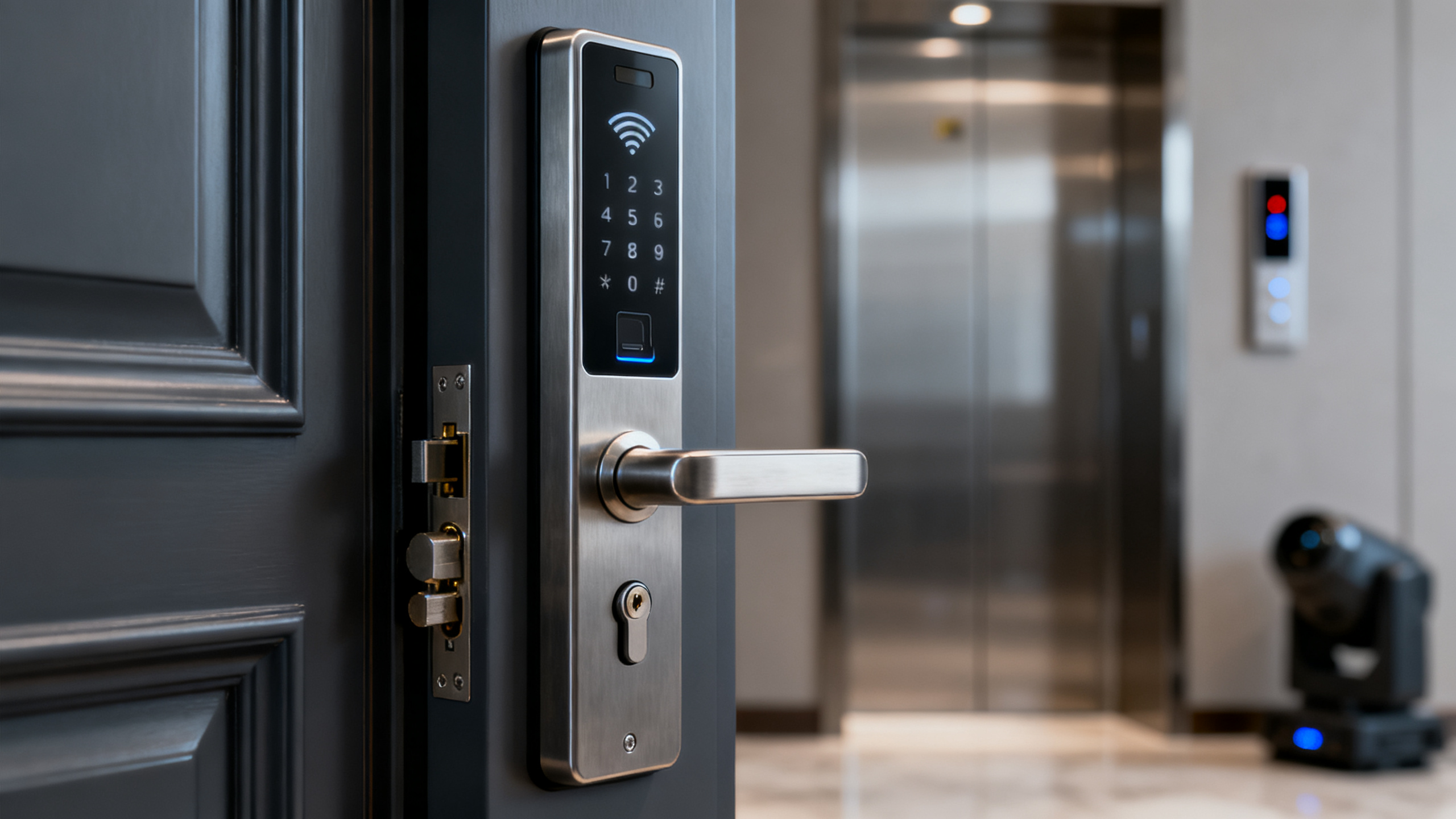
Many buyers compare hotel key card locks on price and design, yet overlook the technical factors that shape safety, maintenance, and long-term ROI. From integration with wholesale smart door locks to compatibility with perimeter intrusion detection and broader security systems, the real buying risks often stay hidden until after installation. This guide highlights what procurement teams, operators, and decision-makers commonly miss.
In hotels, access control is not an isolated door hardware purchase. It sits at the intersection of guest safety, staff efficiency, building operations, cybersecurity, and lifecycle cost. A lock that looks competitive on a unit-price spreadsheet can become expensive within 12 to 24 months if card failures rise, batteries drain too quickly, software cannot scale, or replacement parts are hard to source.
For procurement managers, operators, and executives, the right evaluation model goes beyond aesthetics. It should examine lock architecture, credential technology, audit trails, integration readiness, serviceability, and the supplier’s ability to support multi-site deployment. These factors matter even more for properties planning upgrades alongside elevators, CCTV, fire systems, perimeter intrusion detection, or broader smart building controls.
Why Price-First Buying Often Creates Hidden Operational Risk
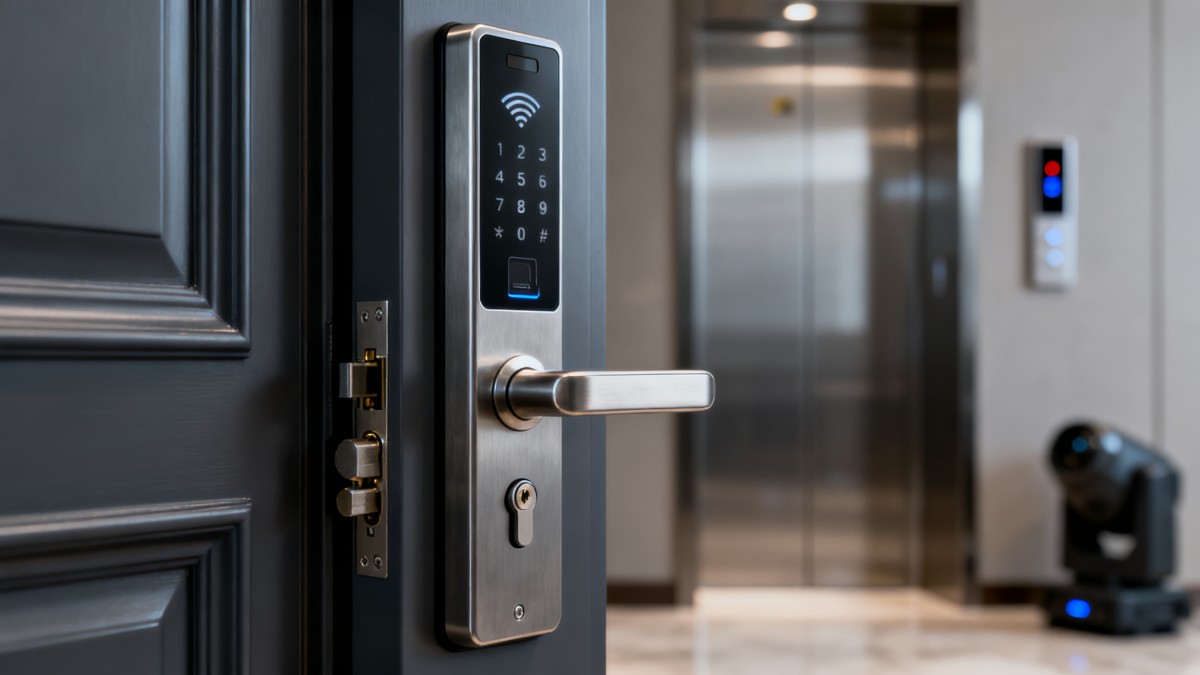
A hotel key card lock is typically expected to perform thousands of cycles per month, often in high-turnover environments where guest access changes daily and staff access changes by role and shift. In a 150-room property, even a low failure rate of 2% can create a visible service burden, especially during peak check-in windows when front desk queues are already under pressure.
The first common mistake is treating all lock bodies as functionally equal. Entry-level models may look similar but vary in motor durability, clutch design, emergency override method, weather resistance, and battery management logic. In practice, a lock with a lower upfront cost can demand battery replacement every 8 to 10 months instead of 12 to 18 months, increasing labor calls across the property.
The second issue is underestimating downtime cost. When a lock fails, the expense is not limited to a replacement part. Hotels absorb front desk intervention, housekeeping delays, engineering response time, potential room moves, and guest dissatisfaction. For business hotels and premium properties, the reputational impact may outweigh the hardware delta saved during initial procurement.
What operators should quantify before comparing quotes
Instead of comparing only unit price, buyers should map the total cost across a 3-year to 5-year horizon. This includes spare inventory, software licensing, credential media, battery consumption, technician training, and integration support. If the lock platform depends on proprietary cards or region-specific service teams, the long-term operating model can become rigid and more expensive than expected.
- Expected door cycles per room per day, usually 8 to 25 in standard properties and higher in mixed-use or resort environments
- Battery replacement interval, commonly 8 to 18 months depending on traffic, lock type, and wireless features
- Card issuance volume, including guest cards, staff cards, contractor cards, and emergency stock
- Time to replace a failed unit, from 20 minutes for modular systems to several hours if parts are not locally available
A practical procurement framework is shown below. It helps separate visible purchase cost from hidden operational exposure.
The main takeaway is simple: if buyers cannot estimate maintenance frequency, credential cost, and response workflow before purchase, they are not really comparing hotel key card locks on a like-for-like basis.
The Technical Details Buyers Commonly Miss During Lock Selection
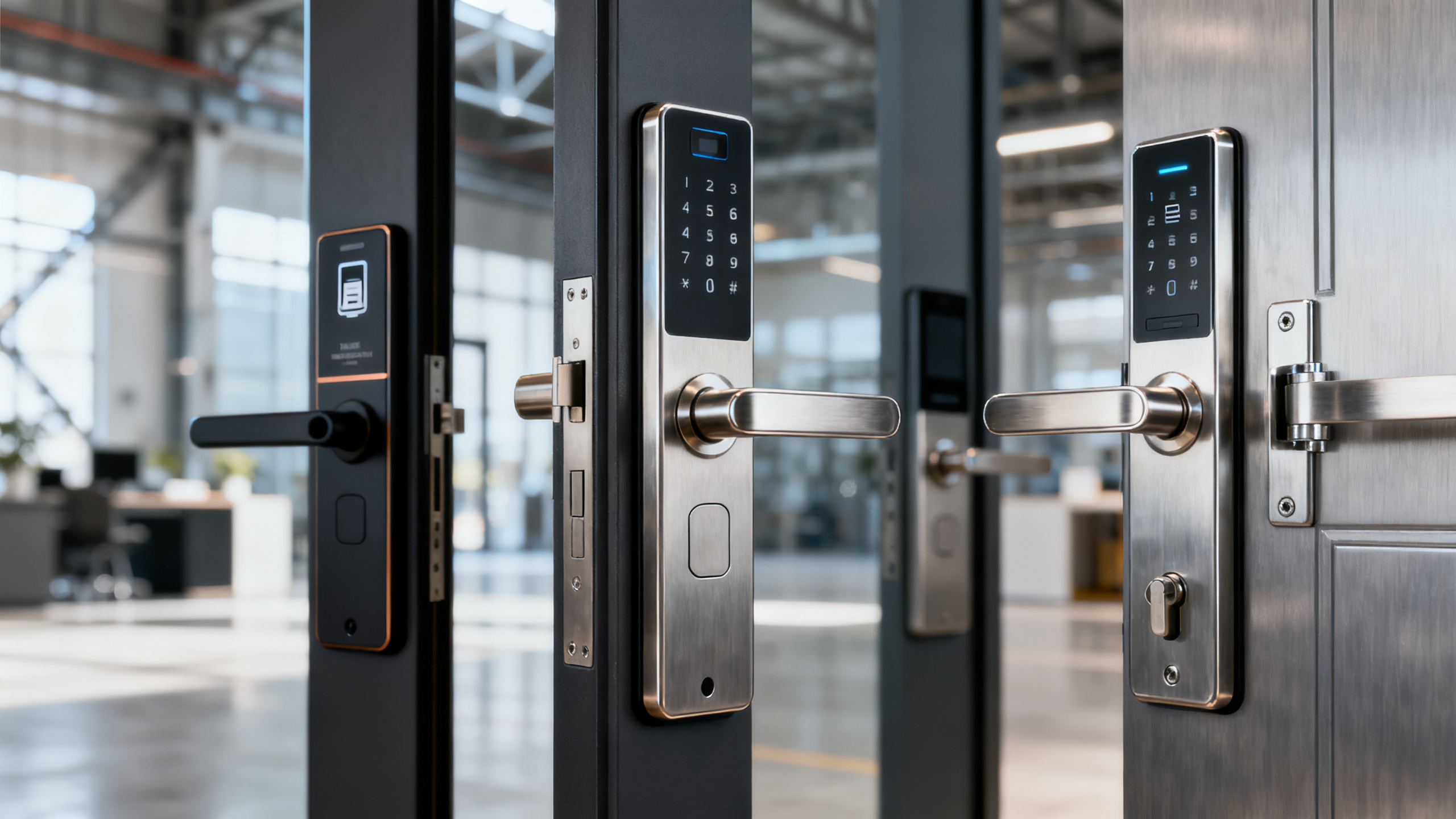
Not all hotel lock systems use the same credential logic or communication design. Some rely on magnetic stripe cards, others on RFID, MIFARE, BLE mobile credentials, or hybrid formats. For most modern projects, magnetic stripe is now viewed as legacy due to wear, lower convenience, and weaker long-term compatibility. RFID and mobile access typically offer better usability, but they also require closer review of encryption, app dependence, and reissuance procedures.
Buyers also miss the difference between offline, networked, and wireless audit-capable locks. Offline locks may be sufficient for smaller properties under 80 rooms, but they limit real-time control. In contrast, networked or gateway-enabled systems support remote status checks, faster credential updates, and better incident investigation. That can be valuable when staff turnover is high or when temporary access rights need to be revoked immediately.
Core technical points that deserve verification
At specification stage, procurement teams should request clear answers on at least 6 areas: credential type, encryption approach, lock cycle durability, low-battery alert threshold, mechanical override protocol, and software compatibility. If a supplier cannot explain these in operational terms, support after handover may also be weak.
Recommended checklist
- Confirm whether the lock supports RFID, mobile credentials, or both, and whether upgrades require hardware replacement.
- Check audit trail capacity, such as whether the lock stores the last 200, 500, or 1,000 events.
- Review weather and corrosion suitability for coastal, humid, or semi-outdoor corridors.
- Verify battery type, standard replacement procedure, and alert behavior below 15% to 20% capacity.
- Assess door compatibility including thickness, mortise type, handing, and fire-rated assembly requirements.
The table below helps buyers connect lock technology choices with practical hotel scenarios rather than abstract feature claims.
For most midscale to upscale hotel projects, hybrid capability offers a safer upgrade path because it avoids forcing all guests and staff into a single credential model from day one. That matters when renovation is phased over 2 to 4 floors at a time or when properties remain occupied during installation.
Integration with Smart Door Locks and Wider Security Infrastructure
One of the biggest missed issues is assuming hotel key card locks will integrate smoothly with every surrounding platform. In reality, integration quality varies widely. A lock may work well as a standalone room device but perform poorly when linked with property management systems, elevator control, visitor access, CCTV event logs, or perimeter intrusion detection systems used in resort compounds and large campuses.
This is especially important when buyers source through wholesale smart door locks channels. Wholesale supply can deliver cost and volume advantages, but it also increases the need to validate software protocol support, firmware update policy, API openness, and local commissioning capability. Without that review, properties may face partial integration, duplicate databases, or manual workarounds that erase the initial savings.
Where integration failures usually appear
The first failure point is the check-in workflow. If the PMS cannot reliably push room assignments or access rights, staff must reissue cards manually. The second is incident review. If lock event logs and CCTV timestamps cannot be aligned within a narrow tolerance, such as under 1 minute, security investigations become slower and less reliable.
The third failure point is multi-layer access design. Hotels with back-of-house zones, staff entrances, service corridors, parking areas, and recreational facilities often need 3 to 6 access profiles per employee category. A room lock vendor that only handles guest room entry but not staff path control may create fragmented security management.
Minimum integration questions to ask suppliers
- Can the lock platform exchange data with the hotel PMS without manual batch imports?
- Does it support integration with elevator control, common area access, and time-based staff permissions?
- Can access events be exported for security review and linked to broader incident workflows?
- How are firmware patches delivered, and what is the rollback plan if an update affects 50 to 200 doors?
The following comparison helps identify when a standalone lock system is enough and when integrated architecture is the better long-term choice.
For decision-makers, the right question is not whether integration adds cost. It is whether disconnected systems will add recurring friction for the next 5 years. In many hospitality environments, integration is the factor that determines whether the lock system remains usable as the property digitizes.
Procurement, Installation, and Maintenance Criteria That Influence ROI
Hotel key card lock performance depends as much on procurement discipline and installation planning as on the hardware itself. Even strong products can underperform if handedness is wrong, door prep varies across floors, staff training is incomplete, or spare parts are not stocked locally. These are common failure points in renovation projects where legacy doors and frames are inconsistent.
A useful procurement process typically includes 5 stages: requirement definition, technical review, pilot installation, commissioning, and post-handover support validation. Skipping the pilot is risky. Testing 5 to 10 sample doors often reveals mechanical alignment issues, card encoding workflow gaps, and differences between guest-room doors and back-of-house openings.
Installation and service points that affect lifecycle value
Hotels should confirm whether installation is modular or door-intensive. Modular retrofits can reduce room downtime to 20 to 40 minutes per door, while more invasive changes may take 60 to 120 minutes and require larger room blocks. This matters for operating properties trying to renovate by stack, wing, or floor without major occupancy loss.
Maintenance planning should also be documented before award. At minimum, buyers should define spare ratio, emergency opening protocol, battery inspection frequency, software backup routine, and response time targets. A common practical target is to keep critical spare stock for 2% to 5% of installed lock volume, depending on property size and supplier lead time.
Suggested service and handover checklist
- Verify door compatibility room by room before production release.
- Run pilot installation on representative guest and service doors.
- Train front office, housekeeping, engineering, and security teams separately.
- Set battery and audit review intervals, often every 3 to 6 months.
- Confirm spare parts availability and remote support process for at least 24 months.
The procurement table below summarizes what different buyer groups should emphasize during evaluation and handover.
Properties that plan procurement, pilot, and maintenance together usually achieve smoother rollout and fewer post-opening surprises. The real ROI of hotel key card locks comes from reduced service interruption, faster staff workflows, and stable system control over time.
Common Buyer Questions and Final Selection Guidance
Different hotel formats need different lock strategies. A limited-service city hotel may prioritize speed, low maintenance, and easy card replacement. A luxury resort may need stronger integration with villas, gates, elevators, parking, and perimeter controls. That is why the best buying decision starts with use case, not brochure features.
How many years should a hotel lock system be planned for?
A practical planning horizon is 5 to 7 years for software and access strategy, even if individual hardware components are serviced earlier. Buyers should ask whether credentials, firmware, and management software can evolve without full replacement. If not, the system may become a stranded asset after one renovation cycle.
Are mobile credentials always better than cards?
Not always. Mobile access can reduce plastic card use and improve digital check-in, but card-based access remains important for international travelers, group bookings, older guest demographics, and backup procedures. In many properties, a dual-mode setup is the most resilient choice during the first 12 to 36 months of deployment.
What should buyers ask about delivery and support?
Typical lead times can range from 3 to 8 weeks depending on finish, quantity, and project complexity. Buyers should confirm pre-shipment configuration, commissioning scope, remote troubleshooting process, and spare parts lead time. If a supplier needs 4 weeks to ship a common interior module, maintenance resilience may be too weak for a busy hotel.
Final selection priorities
- Choose a lock platform that matches current hotel operations and expected digital upgrades.
- Validate integration with PMS, staff access, and broader security tools before signing.
- Use pilot testing to uncover installation and workflow issues early.
- Evaluate support response, spare strategy, and maintenance labor as seriously as hardware cost.
When buyers move beyond price and appearance, hotel key card locks become a strategic infrastructure decision rather than a commodity item. The best results come from selecting a system that is secure, maintainable, integration-ready, and practical for daily staff use. If you are evaluating a new property rollout, renovation, or multi-site sourcing program, contact us to discuss specifications, compare solution paths, and get a tailored recommendation for your hospitality security environment.
Expert Insights

Chief Security Architect
Dr. Thorne specializes in the intersection of structural engineering and digital resilience. He has advised three G7 governments on industrial infrastructure security.
Related Analysis
Core Sector // 01
Security & Safety
- Electric Fence Energizers: How Much PowerAuthor :Safety Compliance Lead

- Do Anti Theft Display Stands Really Reduce LossAuthor :Safety Compliance Lead

- Wholesale Security Safes: How to Compare RatingsAuthor :Safety Compliance Lead

- Hotel Key Card Locks: What Buyers MissAuthor :Safety Compliance Lead

- Wholesale Smart Door Locks: Best Fit by UseAuthor :Safety Compliance Lead

- Sliding Gate Motors Wholesale: What to CheckAuthor :Safety Compliance Lead

- Reducing false alarms in Security & SafetyAuthor :Safety Compliance Lead

- IEC 62061:2026 Effective April 21, 2026 — Safety Controller Recertification RequiredAuthor :Safety Compliance Lead
![]()