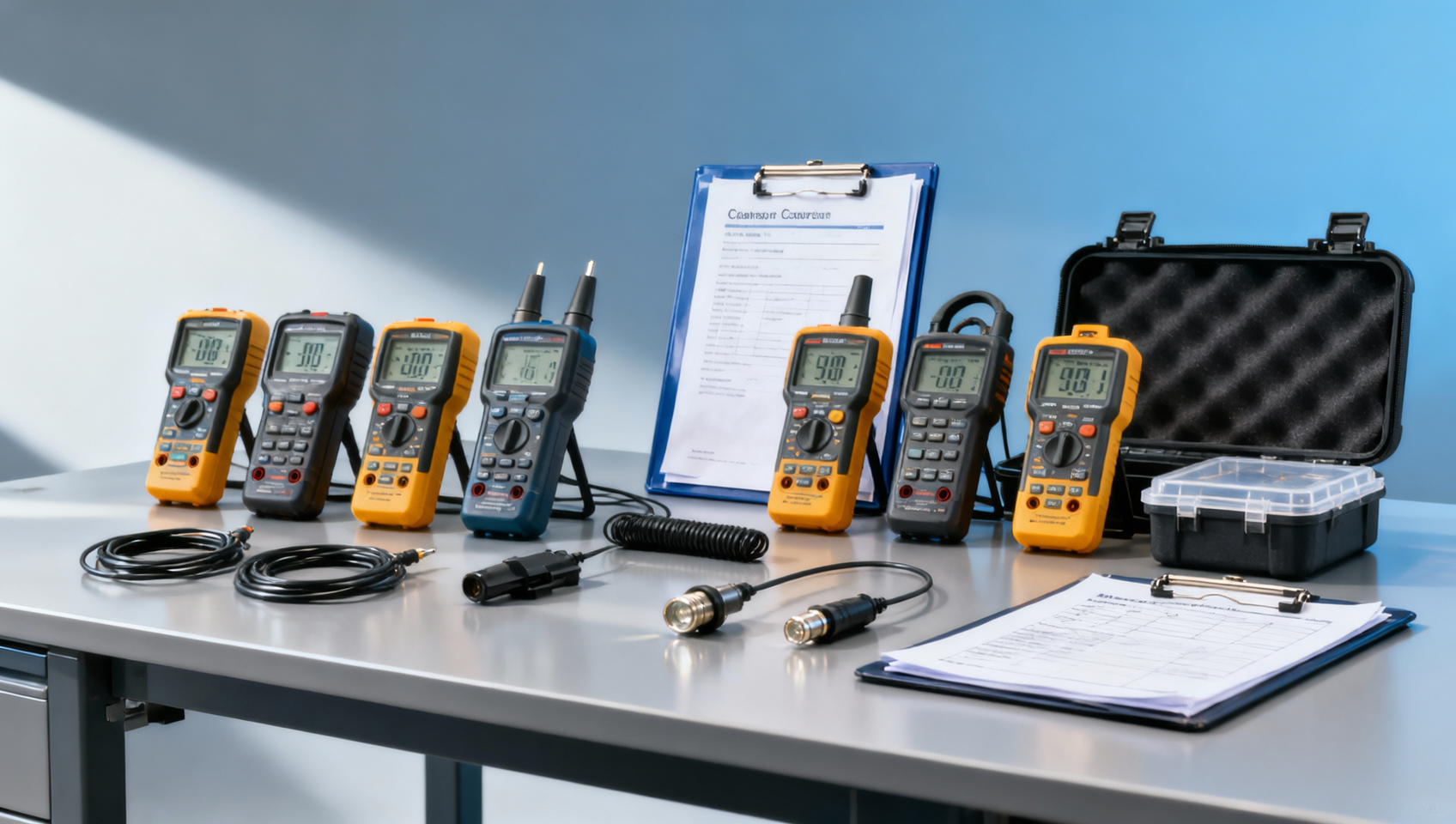
Wood Moisture Tester for Daily Checks
Author
Date Published
Reading Time
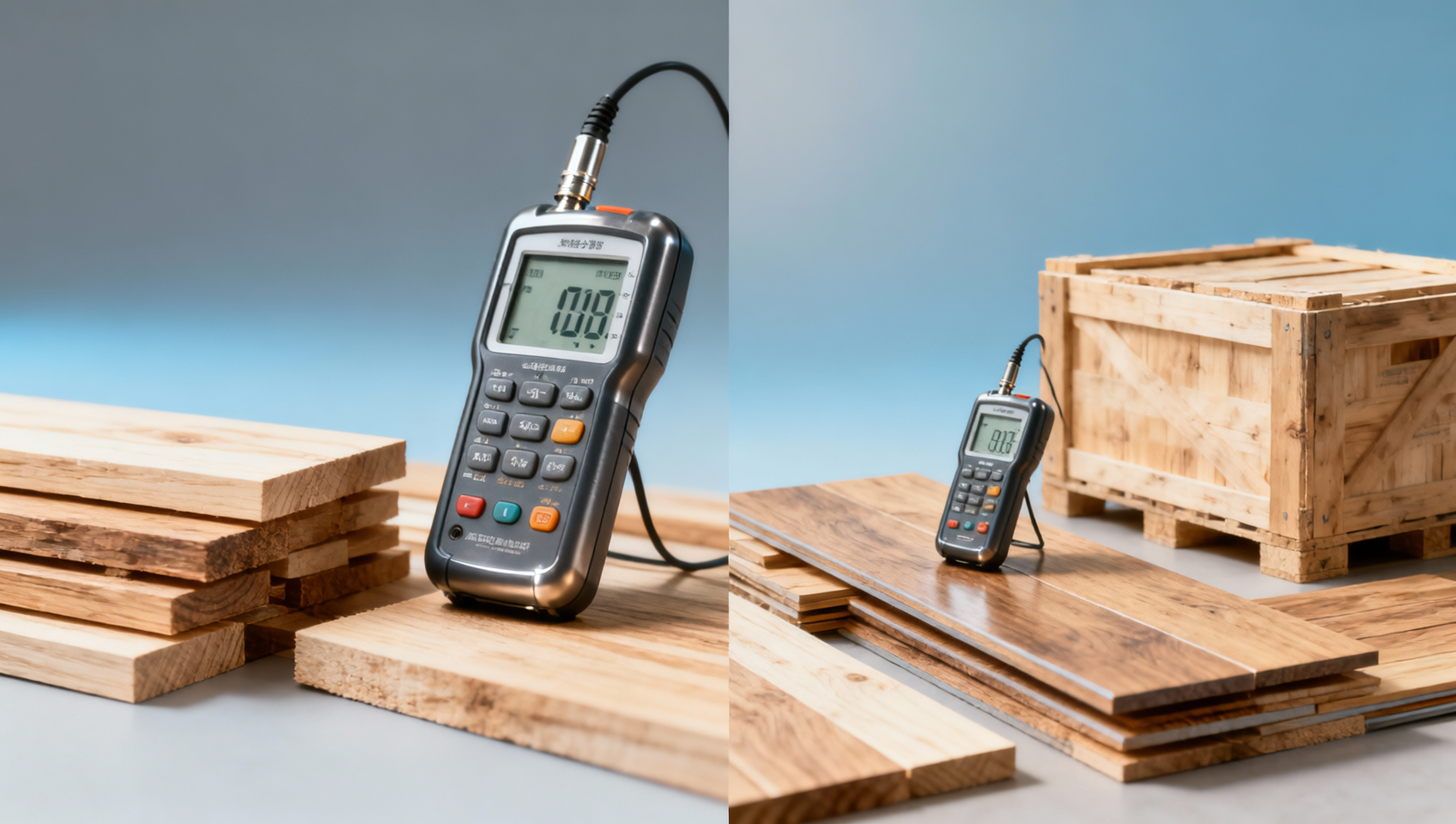
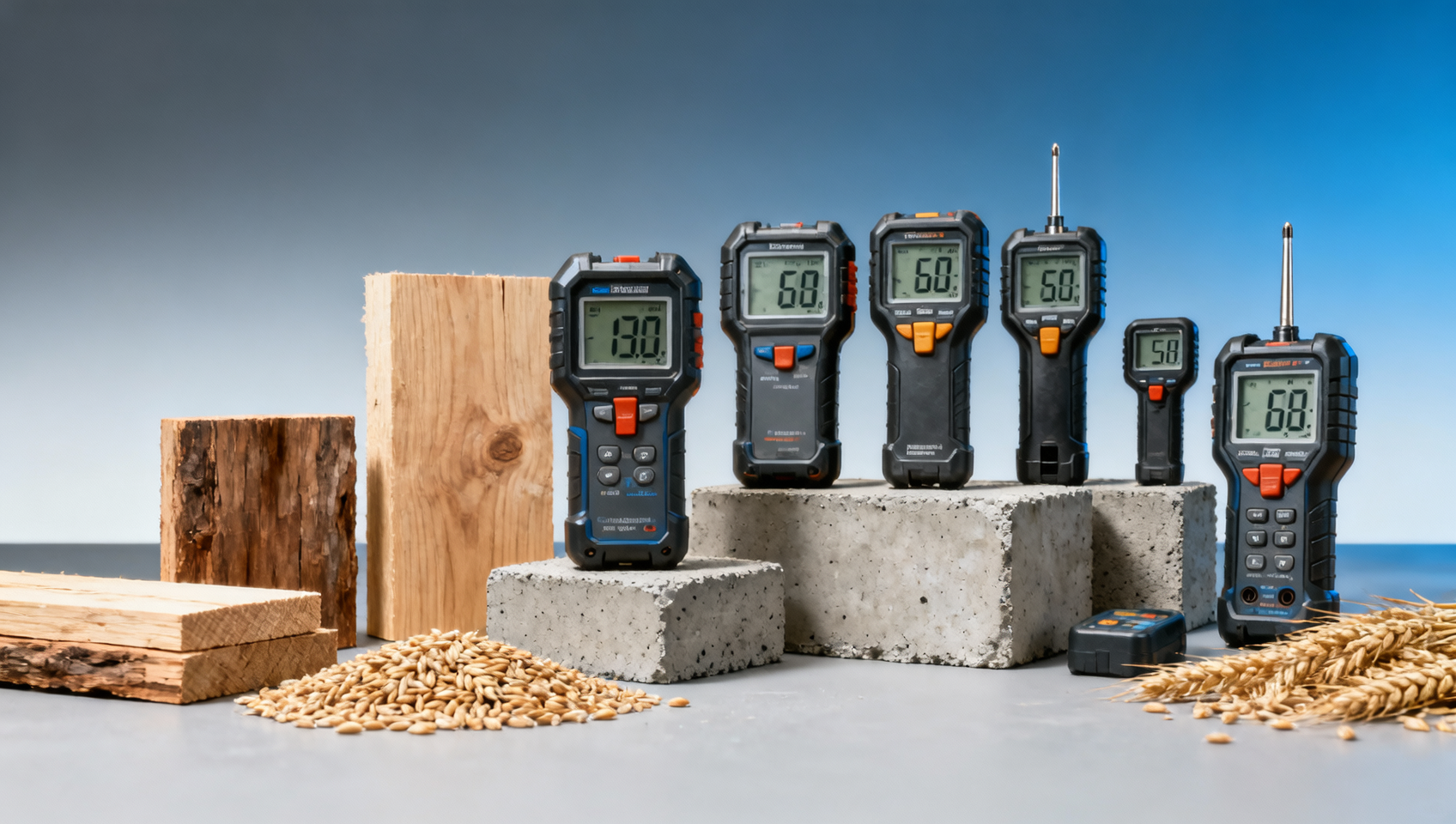
For daily quality checks in woodworking, flooring, storage, and building maintenance, a wood moisture tester helps teams spot hidden moisture before it causes warping, mold, or costly failures. Whether you are comparing wholesale moisture meters for procurement or selecting a practical tool for operators, understanding accuracy, response speed, and application fit is essential to making reliable, cost-effective inspection decisions.
A wood moisture tester is most valuable when it answers one simple operational question fast: is this material dry enough for the next step, or is there a risk of failure? For daily checks, the best choice is rarely the most advanced meter on paper. It is the one that gives consistent readings, suits your material types, works reliably in field conditions, and helps both operators and buyers reduce rework, claims, and waste. For most organizations, selection should focus on measurement method, repeatability, ease of use, calibration support, and the actual inspection workflow.
What users are really trying to solve with a wood moisture tester
People searching for a wood moisture tester for daily checks are usually not looking for theory alone. They want a practical way to control moisture-related risk in routine operations. That may mean checking incoming timber, verifying flooring before installation, screening stored wood products, or inspecting building components during maintenance.
The core intent behind this search typically includes several needs:
- Find a tester that is suitable for frequent, fast inspection
- Understand whether pin or pinless measurement is better for the job
- Know what level of accuracy is actually needed in daily use
- Reduce defects such as warping, cracking, adhesive failure, coating issues, and mold risk
- Compare products for procurement without overpaying for unnecessary features
- Give operators a tool they can use correctly and consistently
That is why the real buying and usage decision should be based on application fit, not just specifications listed in a catalog.
Why daily moisture checks matter more than many teams expect
Moisture problems often remain invisible until damage appears later in the process. By then, the cost is no longer limited to one rejected board or panel. It can affect installation schedules, customer acceptance, warranty claims, remediation work, and even indoor environmental quality.
In day-to-day industrial and commercial settings, regular checks with a wood moisture tester can help teams:
- Prevent dimensional instability before machining or assembly
- Reduce flooring and joinery failures after installation
- Verify storage conditions for moisture-sensitive wood products
- Support maintenance teams in locating damp areas early
- Document inspection results for quality control and supplier evaluation
For procurement leaders and decision-makers, this means the tester is not just a handheld tool. It is part of a broader quality assurance and risk prevention process.
Pin vs. pinless wood moisture testers: which is better for daily checks?
This is usually the first practical comparison buyers and users need to make.
Pin-type moisture testers
Pin meters measure moisture by inserting electrodes into the wood. They are often chosen when users need deeper point-specific readings or when material species correction is important.
Best for:
- Precise spot checks
- Inspecting thicker materials
- Applications where penetration is acceptable
Advantages:
- Good localized measurement
- Useful for confirming suspicious areas
- Often effective across a wide moisture range
Limitations:
- Leaves small holes in the material
- Slower for high-volume inspection
- Readings can vary with pin depth and contact quality
Pinless moisture testers
Pinless meters use sensor plates to scan moisture without damaging the surface. They are widely preferred for routine screening, finished wood, and rapid repetitive checks.
Best for:
- Fast daily inspections
- Finished products or visible surfaces
- Operators checking many items in sequence
Advantages:
- Non-destructive measurement
- Faster scanning over larger areas
- Easier for repetitive quality control workflows
Limitations:
- Can be influenced by material density and thickness
- May be less suitable for some irregular geometries
- Requires correct contact and scanning technique
Practical rule: if your operation relies on high-frequency checks of boards, panels, flooring packs, furniture components, or finished surfaces, a pinless wood moisture tester is often the more efficient daily tool. If you need confirmation at specific depths or more targeted investigation, a pin meter or a mixed-tool approach may be better.
What accuracy actually matters in routine operations
Many buyers focus first on claimed accuracy, but for daily use, repeatability and application consistency are often just as important as the headline number.
A meter can claim strong laboratory accuracy but still create operational problems if:
- It is difficult to use consistently across shifts
- It responds slowly during production checks
- It lacks proper species settings or correction guidance
- Its readings drift without easy calibration verification
For routine checks, ask these better questions:
- Does it provide stable readings on the materials we inspect every day?
- Can different operators obtain similar results with basic training?
- Is the response fast enough for our inspection volume?
- Can we verify or recalibrate it according to a defined maintenance schedule?
- Does it support the moisture range relevant to our process?
In other words, a good daily wood moisture tester should support reliable decisions, not just impressive brochure claims.
How operators should use a wood moisture tester for reliable daily checks
Even a high-quality instrument can produce poor decisions if the checking method is inconsistent. For teams that use a wood moisture tester in daily inspections, a simple standard operating approach is essential.
Basic best practices
- Allow the tester to acclimate if moved between very different temperatures
- Confirm the correct material setting or species correction before testing
- Measure multiple points rather than relying on one reading
- Avoid testing only the most accessible surface area
- Record readings by batch, location, or item category
- Use the same method each day to improve trend consistency
Common operator mistakes
- Pressing too lightly or inconsistently with a pinless meter
- Using a pin meter without consistent insertion depth
- Ignoring temperature effects or material species differences
- Testing too few samples from a delivery or production batch
- Skipping periodic calibration checks
If the goal is daily quality control, standardization matters almost as much as the device itself.
How procurement teams should evaluate wood moisture testers
For buyers sourcing moisture meters at scale or for multi-site use, the selection process should go beyond unit price. The better question is which product delivers the lowest total inspection cost while maintaining dependable quality outcomes.
Key evaluation criteria for procurement
- Measurement type: pin, pinless, or both
- Material compatibility: solid wood, engineered wood, flooring, panels, furniture parts
- Usability: display clarity, speed, ergonomics, training requirements
- Calibration support: reference blocks, verification process, service options
- Durability: resistance to dust, site handling, repeated field use
- Data handling: memory, logging, reporting, connectivity if needed
- Compliance and quality assurance: supplier documentation, test standards, warranty
- Lifecycle cost: batteries, accessories, replacement pins, maintenance
For enterprise decision-makers, tools that reduce training time, improve inspection consistency, and support documentation often create more value than low-cost devices that produce uncertain readings.
Which application scenarios need different tester priorities?
Not every user needs the same wood moisture tester. The right choice depends heavily on where and how the checks are performed.
Woodworking and furniture production
Focus on repeatability, species settings, and process control before machining, bonding, and finishing.
Flooring inspection and installation
Prioritize speed, non-destructive testing, and the ability to check multiple boards or subfloor-adjacent materials efficiently.
Warehousing and storage monitoring
Look for fast screening across batches, durability, and simple operation for routine inbound and outbound checks.
Building maintenance and facility inspection
Choose portability, ease of spot investigation, and suitability for varied field conditions where hidden moisture may affect wood components.
Procurement for multi-team deployment
Standardization, training simplicity, supplier support, and total cost of ownership become more important than niche advanced features.
When a low-cost meter is enough, and when it is not
A budget wood moisture tester may be acceptable for basic, low-risk screening when the consequences of an incorrect reading are limited. But in many professional settings, cheap meters create hidden cost through false confidence.
A lower-cost option may be enough if:
- The checks are informal and non-critical
- Materials are relatively uniform
- The inspection volume is low
- There is another layer of quality verification
You likely need a more robust instrument if:
- Moisture directly affects product acceptance or installation success
- You inspect valuable finished surfaces
- Multiple operators or sites must follow the same standard
- Readings are used in supplier performance or quality documentation
- Failure can lead to claims, delays, or safety and environmental concerns
For industrial and commercial buyers, the true cost of a moisture meter is often defined by the defects it prevents.
A practical selection checklist for decision-makers
If you need to choose a wood moisture tester for daily checks, use this short decision framework:
- Define the materials and moisture-related failure risks you actually face.
- Choose pin or pinless based on whether speed or point-depth confirmation matters more.
- Confirm the meter supports your common wood species and material types.
- Check whether operators can use it consistently with minimal training.
- Review calibration, warranty, and supplier credibility.
- Compare total ownership cost, not just purchase price.
- Run a real-world trial on your own materials before large-volume procurement.
This approach helps align technical suitability with operational value.
Conclusion
A wood moisture tester for daily checks should help teams make quick, reliable decisions that prevent moisture-related defects before they become expensive problems. For most users, the best meter is not simply the one with the longest feature list. It is the one that matches the inspection environment, delivers repeatable readings, supports operator consistency, and fits the business risk level of the application.
For operators, that means choosing a tester that is easy to use correctly every day. For procurement teams, it means evaluating durability, calibration support, and lifecycle value. For managers and decision-makers, it means understanding that routine moisture testing is a practical quality-control investment, not just a minor tool purchase. When selected carefully, a wood moisture tester becomes a small instrument with a very large impact on product quality, installation reliability, and operational confidence.
Expert Insights

Chief Security Architect
Dr. Thorne specializes in the intersection of structural engineering and digital resilience. He has advised three G7 governments on industrial infrastructure security.
Related Analysis
Core Sector // 01
Security & Safety
- How to Choose a Total Station in 2026Author :Precision Metrology Expert

- Auto Level Instruments vs Rotary LasersAuthor :Precision Metrology Expert

- GNSS RTK Receiver: Who Needs ItAuthor :Precision Metrology Expert

- Wholesale Moisture Meters Buying GuideAuthor :Precision Metrology Expert

- Wood Moisture Tester for Daily ChecksAuthor :Precision Metrology Expert

- Concrete Test Hammer Accuracy TipsAuthor :Precision Metrology Expert

- Anemometers Wholesale for Field WorkAuthor :Precision Metrology Expert

- Lux Meters Bulk Buying MistakesAuthor :Precision Metrology Expert