Anemometers Wholesale for Field Work
Author
Date Published
Reading Time
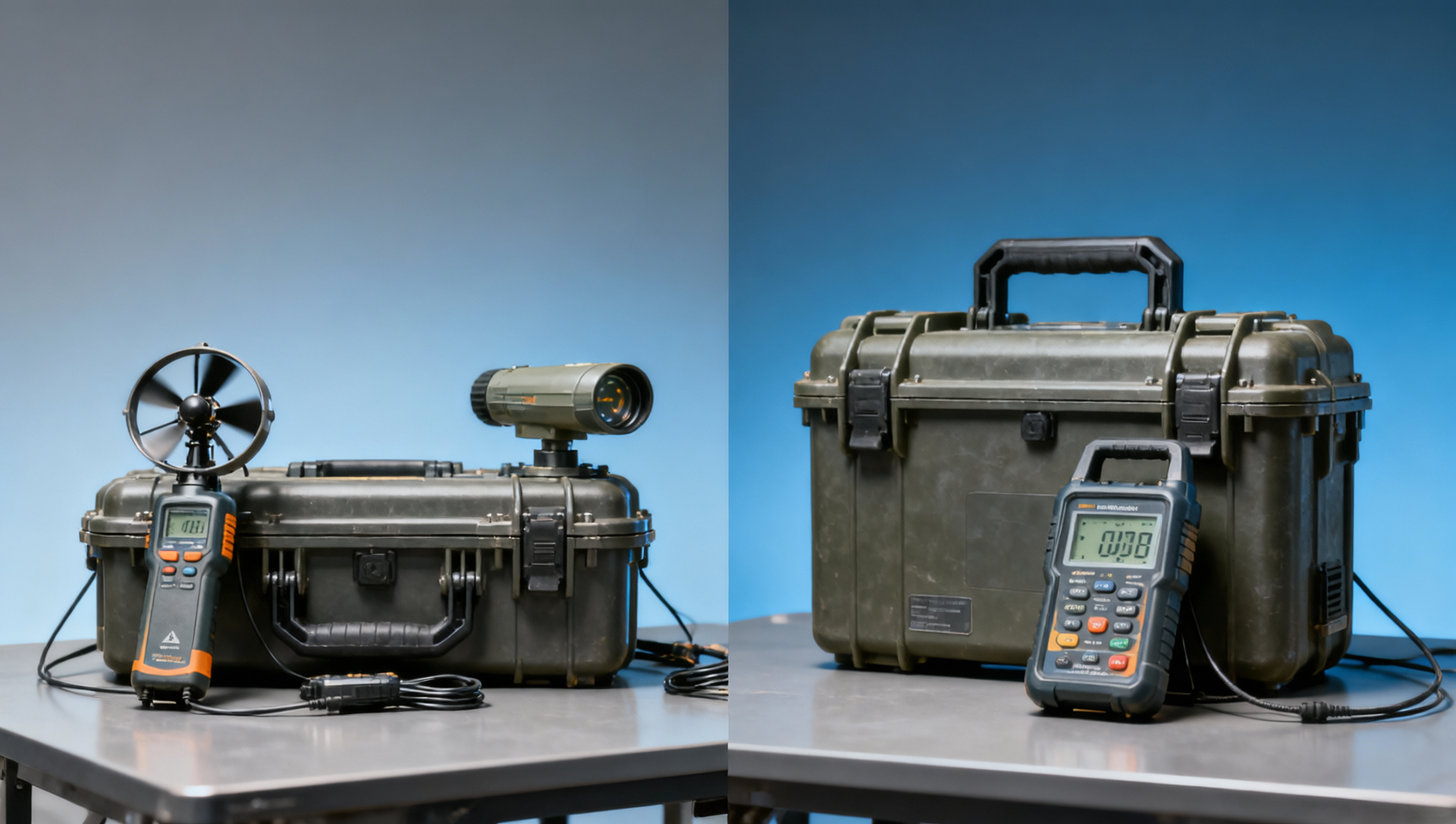
For demanding field operations, choosing reliable anemometers wholesale is about more than price—it is about accuracy, durability, and compliance in real-world conditions. From environmental monitoring to industrial inspection, buyers often compare tools like bimetal thermometers, ultrasonic level gauge systems, and emission gas analyzer solutions to build complete measurement kits. This guide helps researchers, operators, procurement teams, and decision-makers evaluate the right options with confidence.
When buyers search for anemometers wholesale for field work, the core intent is usually practical: they want to identify which devices are suitable for outdoor and industrial use, how to compare suppliers, what specifications actually matter, and how to reduce procurement risk. For operators, the concern is whether the instrument works reliably in harsh environments. For procurement teams and decision-makers, the bigger questions are total value, calibration integrity, compliance, after-sales support, and fit for application. The most useful way to answer that intent is not with generic product descriptions, but with a decision framework based on measurement performance, field durability, standards, application matching, and supplier evaluation.
What Buyers Really Need From Wholesale Anemometers for Field Work
Field work creates a very different buying environment from office or laboratory purchasing. A low-cost handheld meter may look acceptable on paper, but if it drifts in dusty conditions, fails in rain, or cannot hold calibration under repeated transport, the real cost quickly becomes much higher than the purchase price.
Most wholesale buyers are trying to solve one of four needs:
- Routine field measurement for wind speed and airflow in environmental, construction, agriculture, or facility operations
- Safety-related verification in industrial plants, ventilation systems, elevated work zones, and temporary project sites
- Project-based procurement where multiple teams need standardized instruments across regions or job sites
- Integrated measurement sourcing where anemometers are purchased alongside instruments such as bimetal thermometers, ultrasonic level gauge devices, and emission gas analyzer systems
In all four cases, wholesale purchasing should focus on repeatability, usability, and supportability. If the instrument cannot be trusted in the field, operational decisions based on its readings become questionable.
Which Anemometer Type Is Best for Your Application?
Not every anemometer is designed for the same work. Choosing the right type is one of the fastest ways to avoid overspending or underbuying.
Vane anemometers
These are common in HVAC, light industrial inspection, and general airflow measurement. They are widely used because they are simple, portable, and cost-effective. For wholesale field programs, they are often suitable when teams need practical, repeatable readings without extreme environmental exposure.
Hot-wire anemometers
Hot-wire models are useful for measuring low air velocity and detailed airflow behavior. They can be highly sensitive, but they are generally less ideal for rugged outdoor conditions compared with more robust alternatives. If your teams operate in dusty, wet, or high-impact environments, this type may require more careful handling.
Cup anemometers
These are often used for meteorological monitoring and fixed-location outdoor measurement. They are useful when long-term wind observation is required rather than quick mobile spot checks.
Ultrasonic anemometers
Ultrasonic units are often chosen for advanced environmental monitoring, research projects, infrastructure sites, and applications where moving parts are undesirable. They typically offer strong performance and lower mechanical wear, but at a higher initial cost. For enterprise buyers, the value depends on whether reduced maintenance and better long-term stability justify the premium.
If the use case is mixed or uncertain, procurement teams should first classify work by mobile inspection, fixed outdoor monitoring, or precision environmental measurement. That classification usually points to the correct device category faster than comparing catalog pages line by line.
What Specifications Matter Most in Real Field Conditions?
Many buyers overfocus on headline specs and under-evaluate field realities. The most important specifications are the ones that affect decision quality, maintenance cost, and operational reliability.
Measurement range
Make sure the wind speed range fits the actual operating environment. Construction sites, environmental stations, and industrial ventilation zones can vary significantly. Buying a unit with insufficient range can create safety and data reliability issues.
Accuracy and resolution
Accuracy matters most when readings influence compliance, environmental reporting, or engineering decisions. Resolution is also important, but high resolution does not automatically mean high accuracy. Procurement teams should ask for both the stated accuracy and the calibration basis.
Ingress protection and environmental resistance
For field work, resistance to dust, moisture, and temperature fluctuation is critical. Review IP rating, operating temperature range, housing durability, and sensor exposure. If the instrument will be used in rain, marine air, dusty yards, or heavy industry zones, these features should move near the top of the specification checklist.
Battery life and power options
Long field shifts and remote sites require stable battery performance. Instruments with poor battery life increase downtime and replacement burden. For larger teams, charging method standardization also affects logistics.
Data logging and connectivity
If readings need to be audited, shared, or integrated into reporting workflows, data logging can be more valuable than minor spec differences. Bluetooth, USB export, and software compatibility may matter more than some buyers expect.
Calibration traceability
This is essential for professional and industrial use. A wholesale anemometer program should include calibration documentation, recommended recalibration intervals, and service availability. Without traceability, even a good instrument may create procurement and compliance risk.
How Procurement Teams Should Evaluate Wholesale Suppliers
Buying wholesale is not only about selecting a product. It is about selecting a supply partner that can support standardization, continuity, and technical accountability.
Strong suppliers usually demonstrate the following:
- Clear technical documentation with measurement range, accuracy, operating limits, and calibration information
- Compliance support for relevant standards, certifications, and quality systems
- Stable product availability for repeat orders and multi-site procurement plans
- After-sales service including warranty, replacement parts, and recalibration pathways
- Application guidance rather than simple catalog selling
- Batch consistency so large orders do not create mixed-performance fleets
For enterprise buyers, it is worth asking suppliers several direct questions:
- Is the model intended for field exposure or mainly for indoor spot measurement?
- What calibration standard is used, and can certificates be supplied per unit or batch?
- What is the recommended service cycle under normal field use?
- Are spare sensors, vane assemblies, or accessories available?
- Can the supplier support private labeling, OEM needs, or project bundling?
- What is the lead time for recurring wholesale orders?
These questions reveal more about long-term value than price alone.
How to Compare Cost vs. Value in Bulk Purchasing
The lowest unit price rarely delivers the best procurement outcome. In field operations, value should be assessed through total cost of ownership.
Key cost factors include:
- Initial purchase price
- Calibration and recertification cost
- Replacement frequency
- Downtime caused by failures
- Training time for operators
- Data management efficiency
- Warranty coverage and claims handling
For example, a cheaper handheld unit may appear attractive for a project rollout, but if it requires frequent replacement and produces inconsistent readings between teams, it can raise hidden costs through rework, disputes, and reduced confidence in field data.
By contrast, a slightly higher-priced model with better durability, easier calibration management, and more consistent batch quality may produce lower cost over a one- to three-year operating cycle.
When Anemometers Should Be Purchased as Part of a Complete Field Measurement Kit
Many industrial buyers do not source anemometers in isolation. They often build broader field measurement kits to support maintenance, compliance, inspection, and environmental assessment programs.
In these scenarios, anemometers may be evaluated alongside:
- Bimetal thermometers for temperature verification in basic industrial monitoring
- Ultrasonic level gauge systems for non-contact level measurement in tanks, process systems, and environmental infrastructure
- Emission gas analyzer solutions for air quality, process emissions, and regulatory measurement tasks
This matters because procurement efficiency improves when devices are sourced with shared expectations around documentation, ruggedness, calibration, and supplier service. Decision-makers should ask whether the supplier can support a coordinated instrumentation package rather than a single-product transaction.
For organizations managing multiple sites, standardizing instrument categories can simplify training, spare parts management, reporting formats, and vendor relationships.
Common Buying Mistakes to Avoid
Several recurring mistakes weaken field instrumentation programs:
- Buying on unit price only without evaluating field survivability
- Ignoring calibration planning until audits or failures occur
- Choosing lab-style sensitivity over field ruggedness for harsh environments
- Overbuying advanced features that operators will never use
- Underestimating training needs when deploying across multiple teams
- Failing to verify supplier continuity for future orders and support
A disciplined buying process starts with the application, then matches the specification, then evaluates the supplier. Reversing that order often leads to poor results.
A Practical Checklist for Choosing Anemometers Wholesale for Field Work
If you need a fast internal decision tool, use this shortlist:
- Define whether the use case is mobile inspection, fixed outdoor monitoring, or precision environmental work.
- Confirm required wind speed range and acceptable accuracy.
- Check IP rating, temperature tolerance, and mechanical durability.
- Verify calibration certificates and service support.
- Review battery life, data logging, and export options.
- Assess supplier ability to handle repeat orders and multi-site support.
- Compare total cost of ownership, not just catalog price.
- If needed, bundle with complementary instruments for a more efficient field kit strategy.
This approach helps researchers, users, procurement managers, and executives evaluate options on operational value rather than marketing claims.
Final Takeaway
The best anemometers wholesale for field work are not simply the cheapest or the most feature-rich. They are the models that match the real environment, produce trustworthy measurements, withstand operational stress, and come from suppliers capable of supporting calibration, continuity, and scale.
For operators, that means choosing instruments that are reliable and practical in the field. For procurement teams, it means reducing lifecycle cost and supply risk. For decision-makers, it means investing in measurement tools that strengthen safety, compliance, and project confidence.
When evaluated through application fit, durability, calibration traceability, and supplier reliability, wholesale anemometer purchasing becomes a strategic decision—not just a transactional one.
Expert Insights

Chief Security Architect
Dr. Thorne specializes in the intersection of structural engineering and digital resilience. He has advised three G7 governments on industrial infrastructure security.
Related Analysis
Core Sector // 01
Security & Safety
- How to Choose a Total Station in 2026Author :Precision Metrology Expert

- Auto Level Instruments vs Rotary LasersAuthor :Precision Metrology Expert

- GNSS RTK Receiver: Who Needs ItAuthor :Precision Metrology Expert

- Wholesale Moisture Meters Buying GuideAuthor :Precision Metrology Expert

- Wood Moisture Tester for Daily ChecksAuthor :Precision Metrology Expert

- Concrete Test Hammer Accuracy TipsAuthor :Precision Metrology Expert

- Anemometers Wholesale for Field WorkAuthor :Precision Metrology Expert

- Lux Meters Bulk Buying MistakesAuthor :Precision Metrology Expert