Borescope Inspection Camera Buying Tips
Author
Date Published
Reading Time
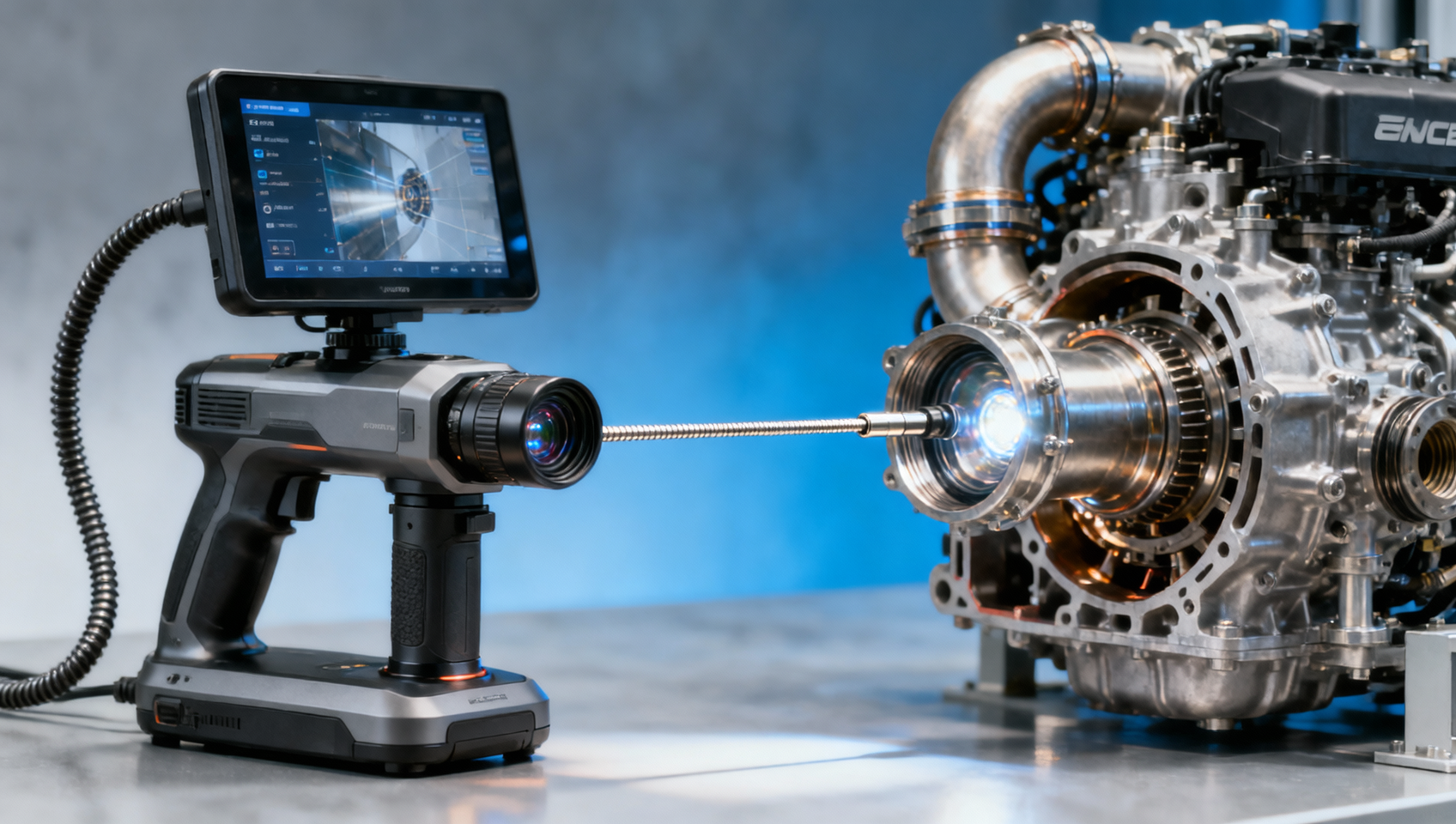
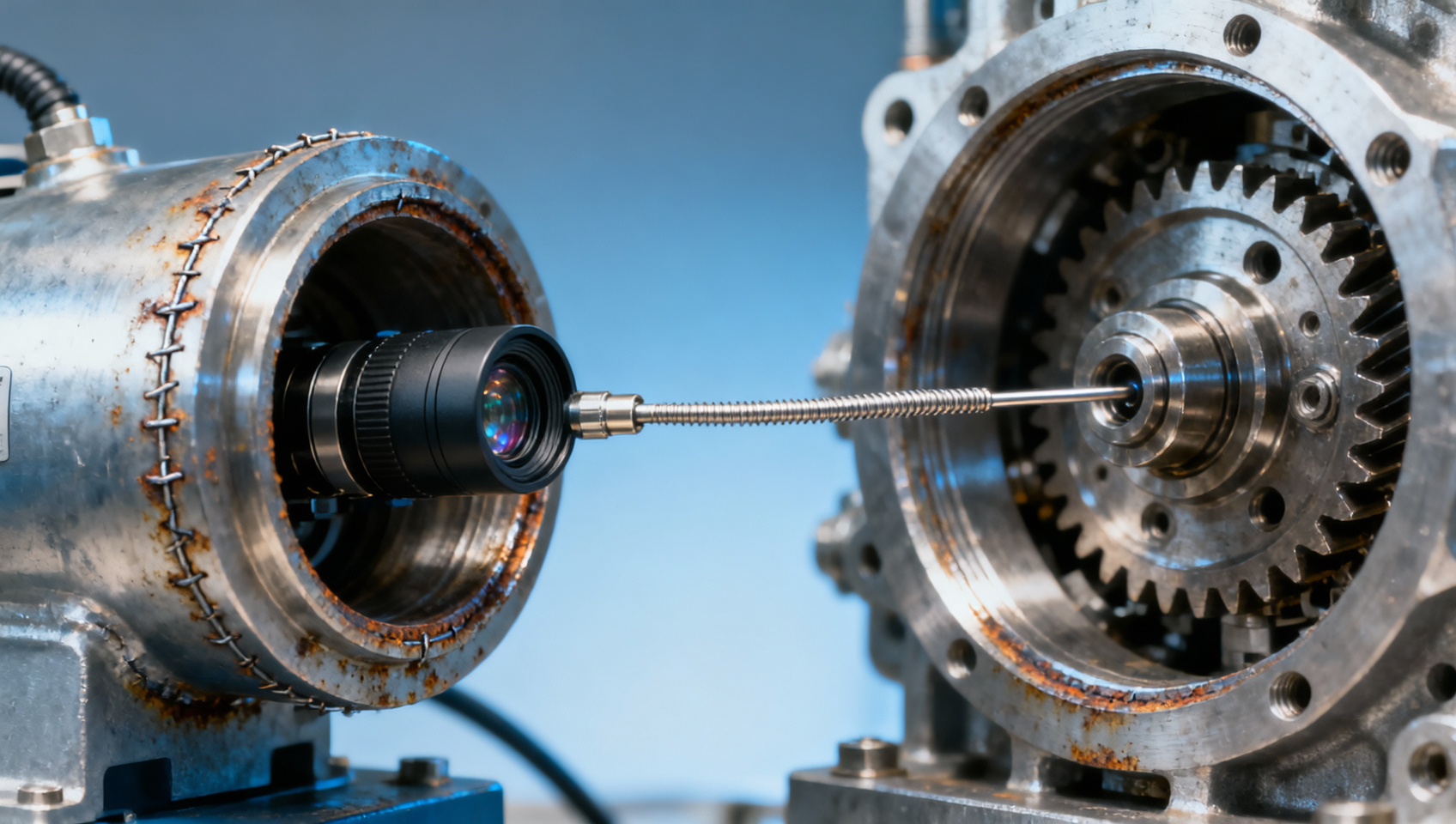
Choosing the right borescope inspection camera starts with one practical question: what exactly do you need to inspect, and under what conditions? For most buyers, users, and industrial decision-makers, the best option is not the model with the longest feature list, but the one that delivers clear images in confined spaces, survives the working environment, and reduces downtime or rework. A poor choice can lead to missed defects, slow inspections, unnecessary replacement costs, and safety risks. A smart choice improves diagnostic accuracy, supports preventive maintenance, and gives procurement teams confidence that the equipment will hold up in real use.
Whether you are comparing industrial endoscopes for manufacturing, automotive service, utility maintenance, or facility inspection, the key buying factors are usually image quality, probe diameter and articulation, lighting performance, durability, recording capability, and total cost of ownership. This guide focuses on the issues that matter most when evaluating a borescope inspection camera for operational use and purchasing decisions.
Start with the inspection task, not the product brochure
The most common buying mistake is choosing a borescope based on generic specifications without matching those specs to the actual inspection job. Before comparing brands or models, define the use case clearly:
- What component or area will be inspected?
- How small is the access point?
- How far does the probe need to travel?
- Do you need to look straight ahead, sideways, or around corners?
- Is the environment oily, wet, dusty, hot, or chemically aggressive?
- Will the camera be used occasionally, daily, or across multiple shifts?
For example, an automotive technician checking combustion chambers may prioritize a slim probe, good close-range focus, and easy image capture. A facility maintenance team inspecting HVAC ducts or piping may need longer insertion length, rugged construction, and better lighting consistency. A manufacturing quality team inspecting welds, castings, or internal assemblies may care more about image clarity, articulation precision, and documentation for traceability.
In other words, application fit should drive selection. If your inspection environment is demanding, a low-cost consumer-style unit may look attractive upfront but perform poorly when reliability and image consistency matter most.
Image quality matters more than headline resolution
When people search for borescope inspection camera buying tips, they often focus first on resolution. Resolution is important, but it is not the only thing that determines whether an inspection camera is actually useful. In real industrial inspection, image quality depends on several combined factors:
- Sensor performance: Better sensors produce more usable images in low-light or reflective environments.
- Lens quality: A higher-resolution sensor cannot compensate for a poor lens.
- Lighting control: Overexposure, glare, and shadowing can hide defects.
- Depth of field: The target must stay in focus at realistic working distances.
- Display quality: A weak monitor can make a good camera seem worse than it is.
For many inspections, a stable, sharp, well-lit image at the required working distance is more valuable than chasing the highest advertised pixel count. Ask suppliers for sample images and videos from applications similar to yours. This is often one of the fastest ways to separate marketing claims from real inspection performance.
Also check whether the device supports zoom, image rotation, brightness adjustment, and video recording. These features can make field use significantly easier, especially when operators need to review findings with supervisors or maintenance planners.
Probe diameter, length, and articulation will determine where you can actually inspect
A borescope that cannot physically reach the inspection area is useless, regardless of how advanced the camera is. Three specifications deserve close attention:
- Probe diameter: Smaller diameters fit tighter spaces, but extremely thin probes may sacrifice durability or image quality.
- Insertion tube length: Longer reach helps with deep inspections, but can reduce maneuverability if not designed well.
- Articulation: 2-way or 4-way articulation allows the tip to bend and inspect sidewalls, corners, and hidden defects.
If the inspection path includes bends, internal obstructions, or directional viewing requirements, articulation becomes a major buying criterion. In many industrial scenarios, paying more for reliable articulation is justified because it improves inspection coverage and reduces the chance of missing cracks, corrosion, deposits, foreign objects, or wear.
Buyers should also ask how precisely the articulated tip responds and whether it remains stable when held in position. On paper, two models may both list articulation, but operator control can be very different in practice.
Durability and ingress protection are critical for industrial use
For information researchers and procurement teams, durability is often where long-term value becomes clear. Borescopes used in workshops, plants, maintenance departments, or field environments are exposed to drops, abrasion, oils, moisture, dust, and repeated handling. That means build quality is not a secondary feature; it is part of the return on investment.
Key points to verify include:
- Probe construction: Resistance to bending, wear, and repeated insertion
- Tip and lens protection: Protection from scratches and contamination
- Ingress rating: Suitability for wet or dusty conditions
- Operating temperature range: Especially important near engines, process equipment, or hot mechanical systems
- Housing ruggedness: Shock resistance for field use
Industrial users should not assume all inspection cameras are built to the same standard. A low-end model may be acceptable for light, occasional use, but if downtime, compliance, or maintenance quality are important, a more rugged borescope inspection camera usually offers better lifecycle value.
Lighting performance often decides whether defects are visible
Many internal inspection environments are dark, reflective, or both. That makes lighting one of the most underestimated buying factors. Insufficient or poorly controlled illumination can prevent the camera from detecting the very issue you are trying to find.
Look for adjustable LED lighting and evaluate how evenly the light is distributed. Excessive glare can be a serious problem when inspecting metal surfaces, polished cavities, or wet environments. In those cases, balanced illumination matters more than maximum brightness.
Ask practical questions such as:
- Can the operator reduce brightness easily during use?
- Does the camera maintain detail in both dark and reflective areas?
- Are there interchangeable tips or viewing options for specialized inspections?
- Does lighting remain effective at the full insertion length?
If possible, test the camera on your own target surfaces. Real-world visibility is far more important than a simple specification list.
Usability affects inspection speed, accuracy, and training requirements
For operators, the best borescope is one that can be used efficiently without excessive trial and error. For managers, better usability means faster inspections, more consistent findings, and less dependence on highly specialized users.
Important usability features include:
- Comfortable grip and control layout
- Clear and bright display
- Fast startup and simple navigation
- Easy photo and video capture
- Reliable battery life for field or shift-based use
- Simple file transfer and storage options
If multiple technicians will use the unit, standardization becomes even more important. Equipment that is difficult to handle or interpret can increase inspection time and create inconsistency in reporting. In procurement terms, ease of use is not just convenience; it affects labor efficiency and the quality of inspection outcomes.
Documentation and reporting features can add real business value
For enterprise buyers and decision-makers, a borescope inspection camera is often more than a visual tool. It can support maintenance records, asset integrity programs, warranty evidence, customer reporting, and internal quality control.
That is why image and video documentation features deserve serious attention. Depending on your use case, useful capabilities may include:
- Still image and video recording
- Timestamping or file labeling
- Memory card or internal storage
- USB or wireless export
- Compatibility with reporting workflows
In sectors where traceability matters, documented inspections can help justify maintenance decisions, support audits, and improve communication between field teams and management. If your organization makes repair-or-replace decisions based on inspection results, documentation quality should be part of the buying criteria.
Evaluate total cost of ownership, not just purchase price
Price always matters, but the cheapest option is rarely the lowest-cost option over time. For procurement professionals and business leaders, the more useful question is: what will this borescope cost to own, use, maintain, and replace over its service life?
Consider the following:
- Expected service life under real usage conditions
- Probe replacement cost
- Warranty terms and service support
- Downtime if the unit fails
- Productivity gains from faster diagnosis
- Reduced need for unnecessary disassembly
A more capable industrial borescope can often pay for itself by reducing troubleshooting time, avoiding destructive inspection methods, and preventing unnecessary part replacement. This is especially true in manufacturing, utilities, transport maintenance, and facility operations where access is difficult and downtime is expensive.
Questions buyers should ask suppliers before making a decision
If you are comparing multiple vendors, structured questions can quickly improve the quality of your decision. Useful questions include:
- Which model is best suited to my specific inspection application?
- Can you provide real sample images or videos from similar use cases?
- What is the recommended probe diameter and length for this task?
- How durable is the insertion tube under frequent use?
- What ingress protection and temperature ratings apply?
- How is articulation controlled, and how reliable is it over time?
- What accessories, replacement parts, and service options are available?
- What training or onboarding support is included?
These questions help move the conversation from generic marketing to application-specific suitability. For B2B buyers, this reduces risk and improves procurement confidence.
How to choose the right borescope inspection camera for your situation
If you need a simple decision framework, prioritize in this order:
- Application fit: Access size, inspection depth, viewing direction, and environment
- Image usability: Clear defect visibility at realistic working distances
- Probe performance: Diameter, flexibility, articulation, and durability
- Operational practicality: Lighting, battery, display, and recording features
- Lifecycle value: Reliability, support, and total cost of ownership
This approach works well for researchers comparing options, operators selecting tools for daily use, and procurement teams balancing technical needs with budget accountability.
In short, the right borescope inspection camera is the one that helps your team see clearly, reach reliably, document accurately, and work efficiently in the environments that matter to your operation. Buyers who focus on real inspection conditions rather than headline specs are far more likely to choose equipment that delivers lasting value.
Before purchasing, align users, maintenance staff, and procurement stakeholders around the actual inspection requirement. That alignment will usually lead to a better product choice, fewer purchasing regrets, and stronger long-term performance.
Expert Insights

Chief Security Architect
Dr. Thorne specializes in the intersection of structural engineering and digital resilience. He has advised three G7 governments on industrial infrastructure security.
Related Analysis
Core Sector // 01
Security & Safety
- Industrial Endoscopes for Tight SpacesAuthor :Precision Metrology Expert

- Borescope Inspection Camera Buying TipsAuthor :Precision Metrology Expert

- Overhead crane pendant control latency isn’t just about cable length — EMI from nearby VFDs plays a bigger roleAuthor :Precision Metrology Expert

- Photoelectric sensors misfire near stainless steel surfaces — is your emitter alignment compensating for reflectivity?Author :Precision Metrology Expert

- Proximity sensors wholesale units vary widely in sensing distance consistency — temperature hysteresis explains whyAuthor :Precision Metrology Expert

- Convex safety mirrors indoors and outdoors need different lensesAuthor :Precision Metrology Expert

- JD, Meituan, Alibaba Accelerate Entry into Auto Sales, China's Smart Mobility Services Going Global May Drive Exports of Vehicle Hardware and System IntegrationAuthor :Precision Metrology Expert

- Saudi SASO Releases Mandatory Standard SASO IEC 61215-3:2026 for PV Module Efficiency and Sand Resistance, Effective October 2026Author :Precision Metrology Expert