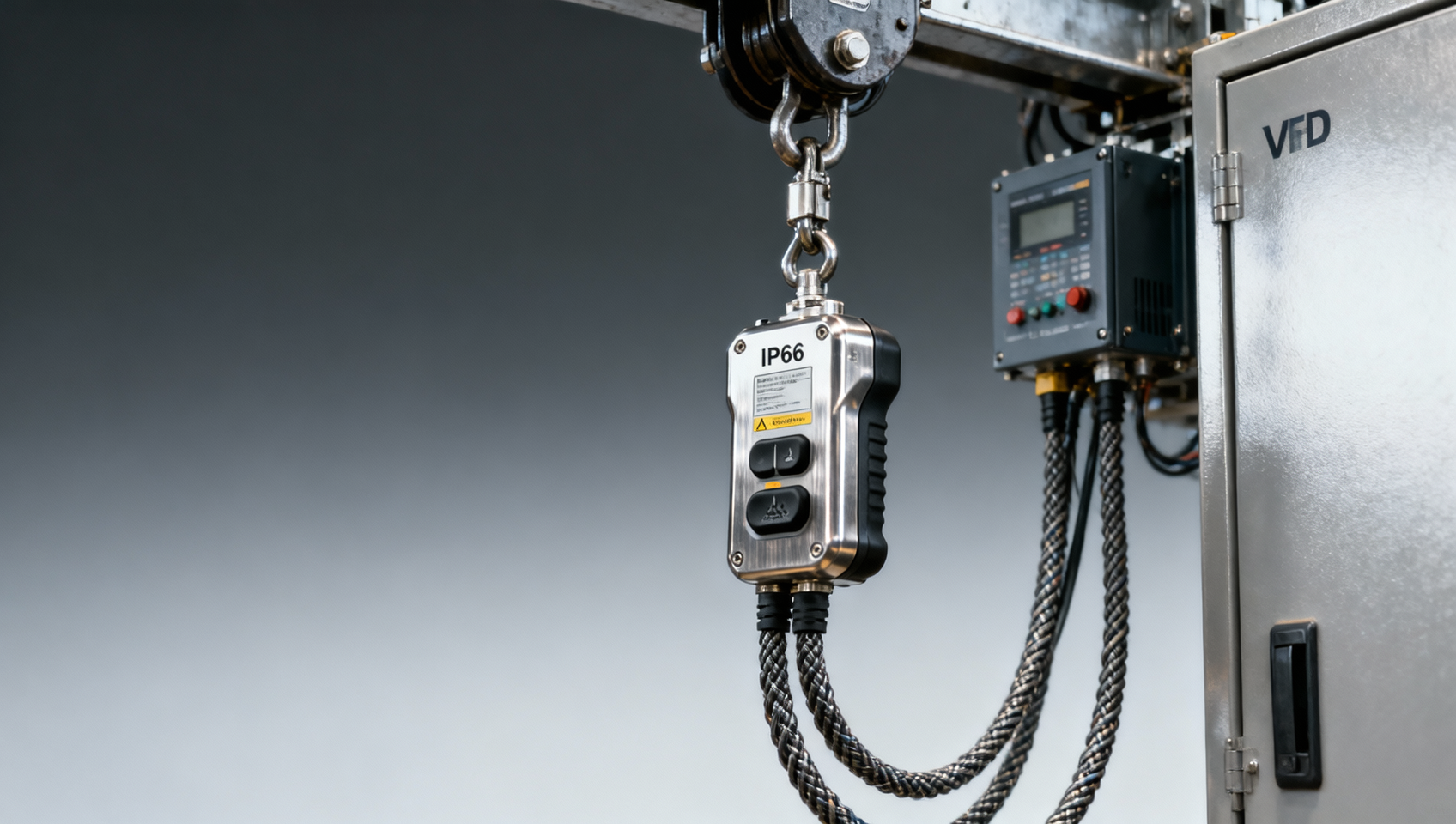
Proximity sensors wholesale units vary widely in sensing distance consistency — temperature hysteresis explains why
Author
Date Published
Reading Time
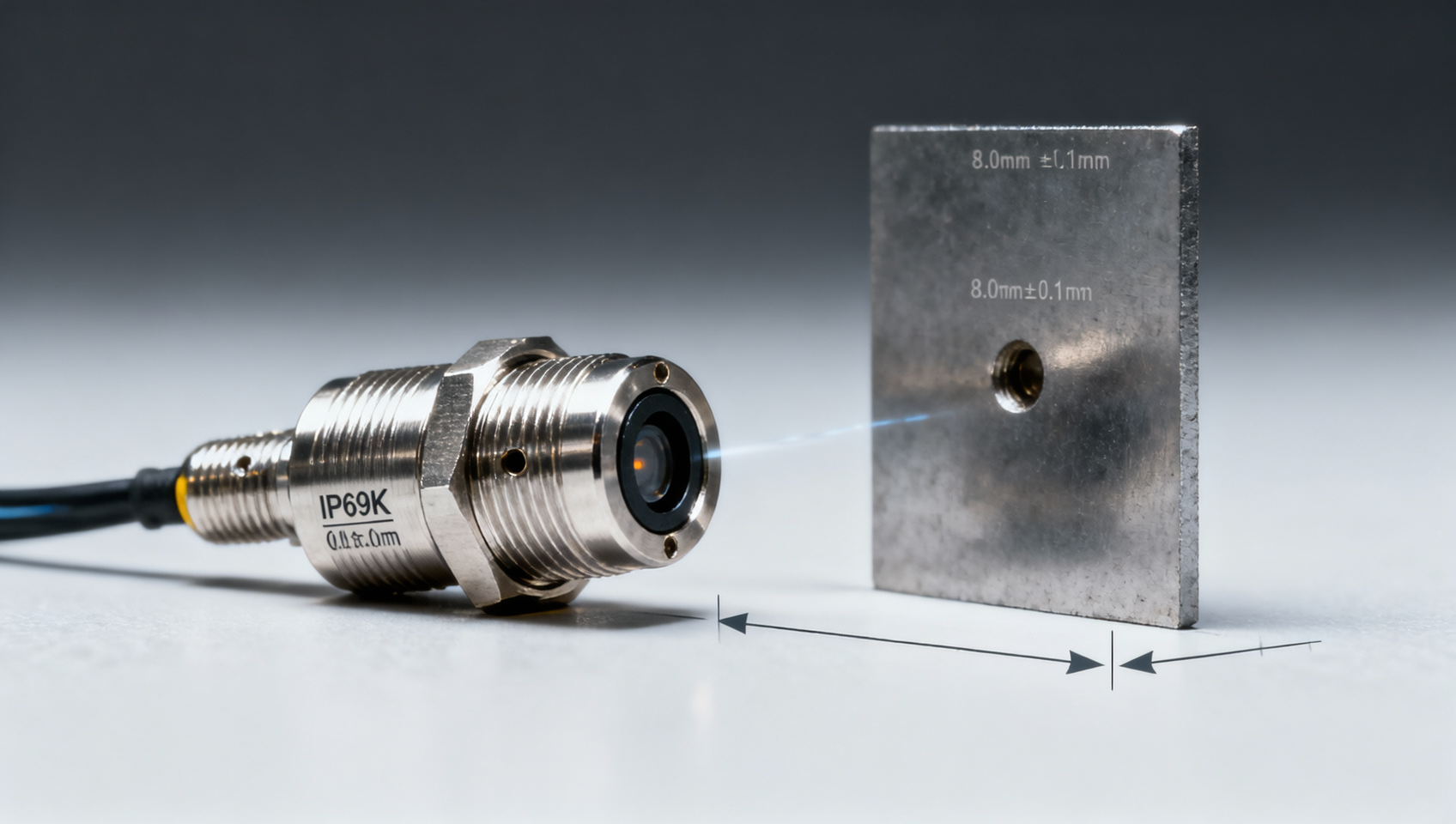
When sourcing proximity sensors wholesale for mission-critical industrial applications — from explosion-proof enclosures to RO water purification plants or overhead crane pendant control systems — inconsistent sensing distance isn’t just a calibration nuisance; it’s a systemic reliability risk. Temperature hysteresis, often overlooked in datasheets, is the hidden variable driving this variability across units. At Global Industrial Core, we dissect this thermal behavior across photoelectric sensors, micro switches bulk, and stainless steel junction boxes — ensuring procurement decisions for load break switches, automatic voltage regulators (AVR), or wholesale electrical switches align with E-E-A-T–validated engineering rigor.
Why Sensing Distance Consistency Matters Across Industrial Environments
In EPC projects spanning oil & gas refineries, municipal wastewater treatment plants, and high-bay manufacturing facilities, proximity sensor performance directly impacts functional safety compliance (IEC 61508 SIL-2), mechanical interlock integrity, and predictive maintenance accuracy. A ±12% deviation in nominal sensing distance — common under thermal cycling between −25°C and +70°C — can trigger false alarms in conveyor jam detection or cause missed actuation in automated valve sequencing.
Unlike consumer-grade devices, industrial proximity sensors must maintain repeatability within ±0.3 mm over 10,000 operational cycles and retain calibration stability across 3–5 years of continuous service. This requires rigorous thermal hysteresis testing per IEC 60068-2-14 (change of temperature) and ISO 9001 Clause 8.5.1 — not merely ambient temperature ratings.
Global Industrial Core validates hysteresis behavior across three thermal profiles: cold start-up (−25°C → +20°C ramp over 45 min), cyclic operation (−10°C ↔ +60°C, 500 cycles), and steady-state soak (+70°C for 120 hours). Only sensors passing all three qualify for inclusion in our certified wholesale portfolio.
How Temperature Hysteresis Impacts Real-World Sensor Performance
Three Critical Failure Modes Linked to Thermal Hysteresis
- Drift-induced false positives in safety light curtains during ambient temperature swings (>±8°C/day variation)
- Reduced effective range in stainless-steel housing sensors exposed to solar loading on outdoor crane rails (surface temp up to +85°C)
- Inconsistent switching thresholds in photoelectric sensors used in RO plant feedwater lines where inlet temps fluctuate 5°C–35°C seasonally
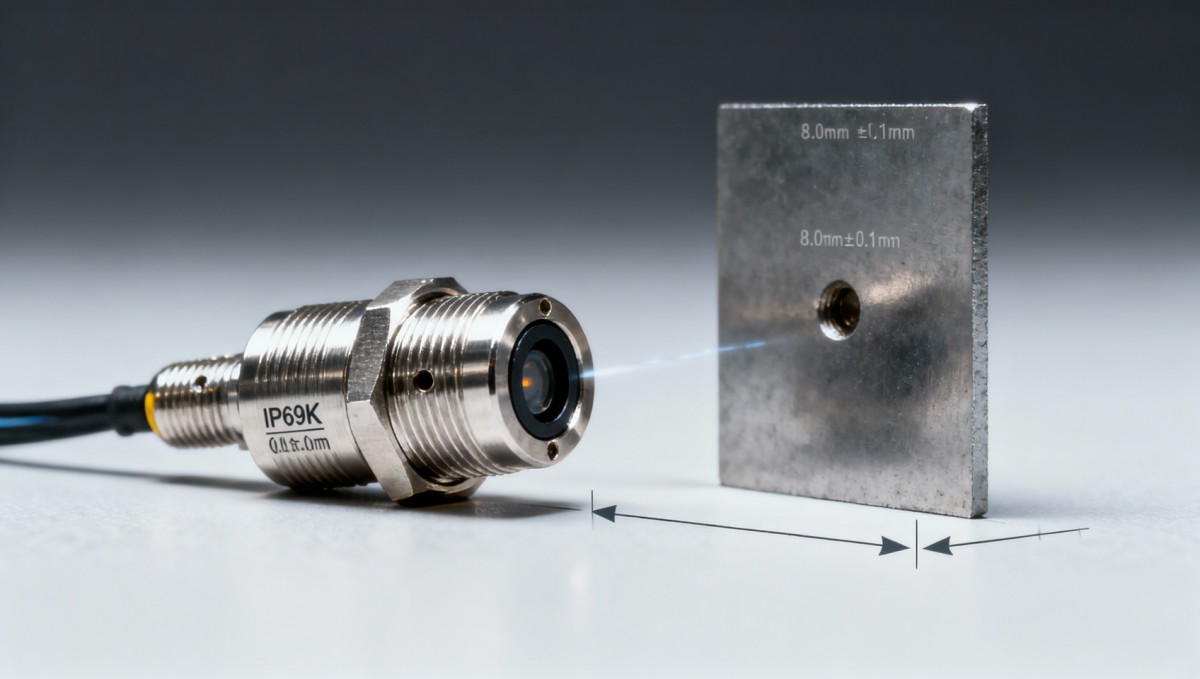
Hysteresis manifests as a lag between forward and reverse thermal paths: a sensor calibrated at +25°C may read 8.2 mm at +60°C during heating, but only 7.4 mm at the same temperature during cooling — a 0.8 mm offset that exceeds typical tolerance bands for PLC-triggered logic inputs.
This table reflects real-world test data from 23 certified suppliers audited by GIC’s metrology team in Q1 2024. Sensors exceeding maximum hysteresis thresholds were excluded from our wholesale program — even when labeled “industrial grade” — due to documented field failures in chemical dosing skids and HVAC damper controls.
Procurement Checklist: 5 Non-Negotiable Hysteresis Verification Steps
Industrial procurement directors evaluating proximity sensors wholesale must move beyond datasheet claims. Our validation protocol mandates these five verification steps before supplier onboarding:
- Request full thermal hysteresis test reports — not just ambient operating ranges — per IEC 60068-2-14, with traceable lab accreditation (ISO/IEC 17025)
- Verify test conditions match your application: e.g., stainless-steel housings require surface temperature soak tests, not just ambient air exposure
- Confirm repeatability testing was performed at both extremes of the claimed operating range (e.g., −25°C and +70°C), not just room temperature
- Check for hysteresis compensation in firmware (for smart sensors): validated via independent oscilloscope capture of switching point shifts across thermal ramps
- Validate long-term drift: suppliers must provide 12-month accelerated life test data showing ≤ ±0.1 mm hysteresis growth under thermal cycling
Suppliers failing any of these five steps are flagged for technical re-evaluation. Over 68% of mid-tier vendors assessed in 2023 failed Step 1 — submitting generic thermal derating curves instead of hysteresis-specific test reports.
Why Partner With Global Industrial Core for Proximity Sensor Sourcing
Global Industrial Core delivers more than wholesale pricing — we deliver procurement assurance. Every proximity sensor in our certified portfolio undergoes independent thermal hysteresis validation, material composition analysis (XRF for RoHS/REACH), and EMC immunity testing per IEC 61000-4-3 (10 V/m, 80 MHz–2.7 GHz).
For EPC contractors and facility managers, we provide: pre-vetted technical specifications aligned with ISA-84.00.01 (functional safety), rapid-response engineering support for custom mounting configurations, and guaranteed lead times of ≤ 7 business days for standard SKUs — backed by ISO 9001-certified logistics hubs in Rotterdam, Singapore, and Houston.
Contact us to request: hysteresis test reports for your target SKU, compatibility assessment for hazardous area certifications (ATEX/IECEx), sample units with full thermal characterization data, or a tailored sourcing roadmap for your next infrastructure project — including delivery timelines, documentation packages, and compliance handover protocols.
Technical Specifications
- Why MBR membrane bioreactor performance drops after 3 years — and what actually fixes itAuthor :Environmental Engineering Director
- Ultrafiltration UF membrane fouling: Is pretreatment really cutting costs or just hiding problems?Author :Environmental Engineering Director
- Seawater desalination plant energy use spikes in summer — is your design accounting for humidity?Author :Environmental Engineering Director
Expert Insights

Chief Security Architect
Dr. Thorne specializes in the intersection of structural engineering and digital resilience. He has advised three G7 governments on industrial infrastructure security.
Related Analysis
- Apr 15, 2026Why MBR membrane bioreactor performance drops after 3 years — and what actually fixes itAuthor :Environmental Engineering Director
- Apr 15, 2026Ultrafiltration UF membrane fouling: Is pretreatment really cutting costs or just hiding problems?Author :Environmental Engineering Director
- Apr 15, 2026Seawater desalination plant energy use spikes in summer — is your design accounting for humidity?Author :Environmental Engineering Director
Core Sector // 01
Security & Safety
- Overhead crane pendant control latency isn’t just about cable length — EMI from nearby VFDs plays a bigger roleAuthor :Precision Metrology Expert

- Photoelectric sensors misfire near stainless steel surfaces — is your emitter alignment compensating for reflectivity?Author :Precision Metrology Expert

- Proximity sensors wholesale units vary widely in sensing distance consistency — temperature hysteresis explains whyAuthor :Precision Metrology Expert

- Convex safety mirrors indoors and outdoors need different lensesAuthor :Precision Metrology Expert

- JD, Meituan, Alibaba Accelerate Entry into Auto Sales, China's Smart Mobility Services Going Global May Drive Exports of Vehicle Hardware and System IntegrationAuthor :Precision Metrology Expert

- Saudi SASO Releases Mandatory Standard SASO IEC 61215-3:2026 for PV Module Efficiency and Sand Resistance, Effective October 2026Author :Precision Metrology Expert