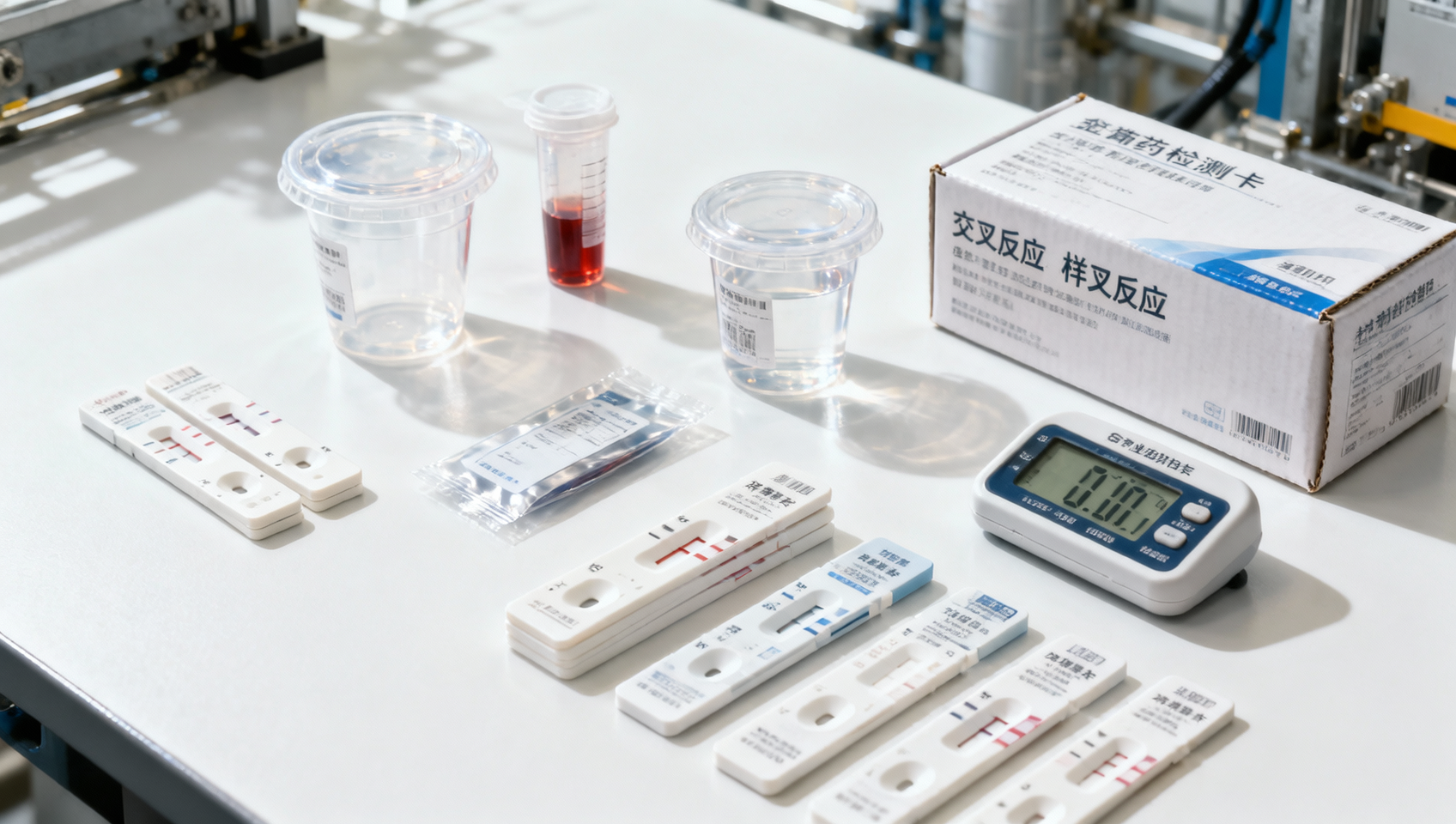
How to Choose a Polarimeter Wholesale
Author
Date Published
Reading Time

Choosing the right polarimeter wholesale partner is not mainly about finding the lowest unit price. For most buyers, the real question is whether the supplier can deliver reliable measurement accuracy, valid certifications, stable product quality, responsive technical support, and long-term supply continuity. If you are comparing polarimeters with related lab instruments such as a brix refractometer, wholesale refractometers, or other analytical tools, the best wholesale option is usually the one that reduces operational risk, not simply upfront cost.
This matters whether you are a researcher validating sample quality, an operator using the device every day, a procurement team building an approved supplier list, or a business decision-maker responsible for cost control and compliance. A poor supplier choice can lead to calibration drift, failed inspections, delayed deliveries, user complaints, and unexpected replacement costs. A strong supplier can improve testing consistency, shorten procurement cycles, and support long-term lab or production efficiency.
What Should You Evaluate First When Choosing a Polarimeter Wholesale Supplier?
Start with the factors that directly affect measurement reliability and procurement risk. In most cases, buyers should assess suppliers in this order:
- Instrument accuracy and repeatability: Can the polarimeter meet your actual application requirements?
- Certification and compliance: Does the supplier provide traceable calibration, CE, ISO-related quality documentation, or other required certifications?
- Application fit: Is the instrument suitable for pharmaceuticals, food, chemicals, research labs, or educational use?
- After-sales support: Can the supplier provide training, troubleshooting, spare parts, and calibration support?
- Supply consistency: Can they fulfill repeat orders with consistent specifications and delivery timelines?
- Total cost of ownership: Beyond price, what are the maintenance, service, consumable, and replacement costs?
If a wholesaler cannot clearly answer these points, they may not be a dependable long-term sourcing partner.
Why Price Alone Is a Poor Way to Compare Polarimeter Wholesale Offers
Many buyers begin with quotation comparison, but that is where mistakes often start. A lower price may reflect weaker optics, limited calibration assurance, lower-grade components, or minimal technical support. For precision instruments, these trade-offs can become expensive very quickly.
For example, if a low-cost polarimeter produces inconsistent readings, the downstream cost may include retesting, production delays, rejected batches, or quality disputes. In regulated or quality-sensitive industries, even a small measurement issue can affect compliance records and customer trust.
Instead of asking only, “Which supplier is cheaper?” ask:
- What level of measurement uncertainty is specified?
- How often does the unit require recalibration?
- What is covered by the warranty?
- How fast is technical response after purchase?
- Are replacement parts and accessories readily available?
- Can the supplier support bulk procurement over time?
For procurement teams and enterprise buyers, this approach provides a more realistic cost comparison than headline unit pricing alone.
How to Match the Polarimeter to Your Actual Application
Not every polarimeter is designed for the same environment or testing purpose. Before choosing a polarimeter wholesale source, define exactly how the instrument will be used.
Key questions include:
- Are you measuring sugar concentration, chemical purity, or pharmaceutical compounds?
- Do you need manual or automatic operation?
- What level of sample throughput is required each day?
- Will the instrument be used in a research lab, production floor, teaching environment, or quality control station?
- Do you need digital data output, software integration, or audit trail support?
A supplier that understands your use case can recommend the right model instead of simply pushing available stock. This is especially important for buyers also evaluating a brix refractometer or wholesale refractometers, because similar-looking lab instruments often serve different measurement purposes. A trustworthy supplier will help distinguish when a polarimeter is the correct choice and when another optical measurement device may be more suitable.
What Certifications and Documents Should a Reliable Supplier Provide?
Documentation is one of the clearest ways to separate serious suppliers from trading intermediaries with limited quality control. For industrial and laboratory buyers, the right documents are often as important as the product itself.
Ask for the following where applicable:
- Calibration certificate with traceability information
- CE marking or regional compliance documentation
- ISO 9001 quality management evidence for manufacturing or supplier processes
- Product specifications sheet with accuracy, resolution, repeatability, and operating conditions
- User manual and maintenance guide
- Warranty terms in writing
- Inspection or test reports before shipment when needed
For procurement managers and corporate decision-makers, these documents reduce sourcing risk and help internal approval processes move faster. For operators and technical users, they provide confidence that the instrument can be installed, used, and maintained correctly.
How to Check Whether a Polarimeter Wholesaler Is Truly Reliable
A professional-looking website does not guarantee supplier reliability. You need practical verification steps.
Here are some of the most useful checks:
- Review product consistency across listings
Check whether specifications are detailed, consistent, and technically credible. - Request sample documentation before ordering
Ask for calibration certificates, manuals, test reports, and compliance files. - Evaluate communication quality
A strong supplier answers technical questions clearly and promptly, not just pricing questions. - Ask about customization and packaging
For wholesale orders, confirm labeling, branding, protective packaging, and shipping support. - Verify production or sourcing capability
Determine whether they are a manufacturer, authorized distributor, or trading company. - Check lead times for repeat orders
Initial delivery may be easy; repeat supply consistency is the real test. - Look for industry references
Previous clients, export markets, and sector experience can indicate reliability.
If a supplier avoids technical detail, delays documentation, or cannot explain service arrangements, proceed carefully.
What After-Sales Support Matters Most for Users and Procurement Teams?
After-sales support has direct operational value. Even a well-built polarimeter may need setup assistance, recalibration, software help, or replacement components. This is why users and buyers should review service support before placing large orders.
The most valuable support areas include:
- Installation and operating guidance
- User training for staff
- Calibration and verification support
- Repair service turnaround time
- Availability of spare parts
- Technical support channels and response speed
- Clear return and warranty claim process
For businesses purchasing multiple instruments, good support reduces downtime and protects the investment over the full lifecycle of the equipment.
How Enterprise Buyers Should Compare Wholesale Options Strategically
For enterprise decision-makers, the best polarimeter wholesale choice should support procurement efficiency, quality assurance, and business continuity. That means comparing suppliers using a structured sourcing framework rather than an informal quote review.
A practical evaluation matrix may include:
- Technical performance: accuracy, stability, ease of use
- Compliance readiness: certificates, traceability, documentation completeness
- Commercial terms: pricing, MOQ, payment terms, warranty
- Logistics performance: lead time, export packaging, shipping reliability
- Service capability: training, troubleshooting, repair
- Scalability: ability to support future volume growth
This method is especially useful when sourcing a broader instrument portfolio that may include wholesale refractometers, brix refractometer models, and other analytical devices. Standardized supplier evaluation improves consistency across categories and supports stronger long-term vendor management.
Common Mistakes to Avoid When Buying Polarimeters in Bulk
Bulk buyers often face preventable problems because they focus too narrowly on pricing or lead time. Avoid these common mistakes:
- Choosing a supplier without verifying calibration and certification documents
- Buying a model that does not match the actual testing application
- Ignoring maintenance and recalibration requirements
- Failing to confirm spare parts availability
- Assuming all wholesalers offer the same technical support level
- Overlooking repeat-order consistency and long-term supply stability
- Not clarifying warranty scope before purchase
These issues can create hidden costs that far exceed the original quote difference.
A Simple Checklist Before You Place a Polarimeter Wholesale Order
Before finalizing a supplier, confirm the following:
- The model fits your application and required accuracy level
- All technical specifications are documented clearly
- Calibration and compliance documents are available
- Warranty and service terms are written and specific
- Lead times and reorder capacity are confirmed
- Packaging and shipping protections are adequate
- After-sales support contacts are established
- Total cost of ownership has been reviewed, not just purchase price
This checklist helps both first-time buyers and experienced procurement teams make a more defensible purchasing decision.
Conclusion
Choosing a polarimeter wholesale supplier is really about reducing technical, operational, and procurement risk. The strongest supplier is not necessarily the one with the lowest quote, but the one that offers dependable accuracy, proper documentation, consistent supply, and meaningful support after the sale.
For researchers, operators, procurement professionals, and business leaders, the smartest approach is to compare suppliers based on application fit, certification, service capability, and long-term value. If you use that standard, you will be far more likely to select a wholesale partner that supports reliable measurement performance and sustainable purchasing outcomes.
Expert Insights

Chief Security Architect
Dr. Thorne specializes in the intersection of structural engineering and digital resilience. He has advised three G7 governments on industrial infrastructure security.
Related Analysis
Core Sector // 01
Security & Safety
- Wholesale Refractometers: Key DifferencesAuthor :Precision Metrology Expert

- Brix Refractometer for Sugar TestingAuthor :Precision Metrology Expert

- How to Choose a Polarimeter WholesaleAuthor :Precision Metrology Expert

- Sticky mats for cleanrooms lose grip faster than expected?Author :Precision Metrology Expert

- Lint free wipes in bulk: what causes unexpected residue?Author :Precision Metrology Expert

- Drug testing kits: where false positives usually come fromAuthor :Precision Metrology Expert

- NMPA Releases 103rd Batch of Generic Drug Reference List, Accelerating Market Access for Key APIsAuthor :Precision Metrology Expert

- Metallurgical microscopes vs. standard optical microscopes: when does resolution matter most?Author :Precision Metrology Expert