Brix Refractometer for Sugar Testing
Author
Date Published
Reading Time
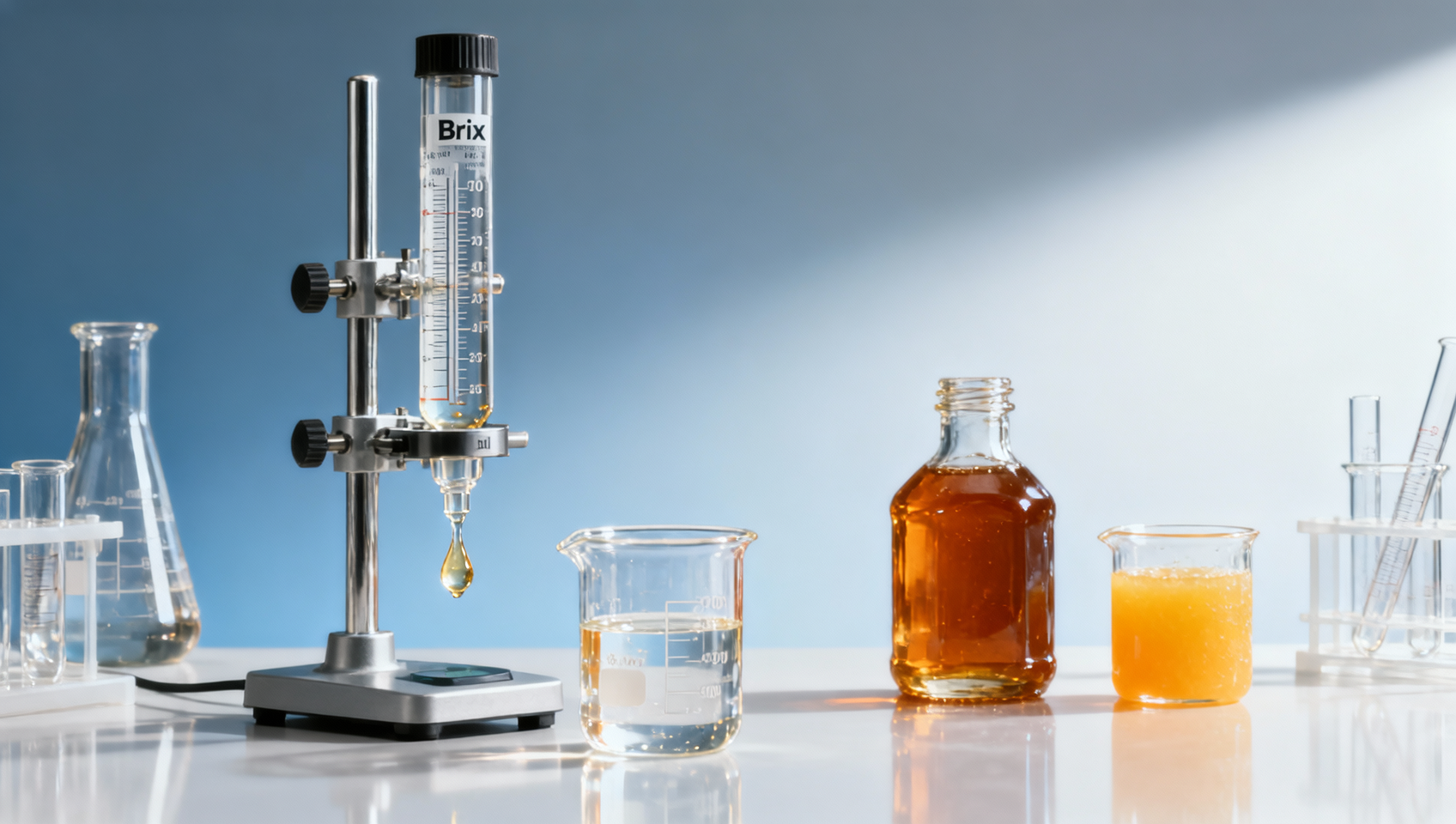
Accurate sugar measurement starts with the right tool. A brix refractometer helps operators, buyers, and quality teams verify concentration quickly and consistently across food, beverage, and industrial processes. As demand grows for reliable wholesale refractometers and precision instruments such as polarimeter wholesale solutions, understanding how to choose, use, and compare a brix refractometer is essential for better quality control and purchasing decisions.
In B2B environments, sugar testing is rarely a one-person task. Production operators need fast readings on the line, procurement teams need dependable specifications, and decision-makers need instruments that support consistent output, fewer batch deviations, and traceable quality records. A well-matched brix refractometer can reduce rework, improve process control, and support supplier qualification across multiple industries.
This guide explains what a brix refractometer measures, how it compares with other sugar testing tools, what technical parameters matter during sourcing, and how to use it correctly in real operating conditions. It is designed for research-oriented buyers, users, quality teams, and industrial purchasing managers who need practical, procurement-ready insight rather than generic product descriptions.
What a Brix Refractometer Measures and Why It Matters
A brix refractometer measures the refractive index of a liquid and converts that reading into a Brix value, which represents the approximate percentage of dissolved sugar by mass. In many applications, 10 °Bx indicates about 10 grams of sucrose in 100 grams of solution. This makes the instrument highly useful for juice, syrup, soft drinks, dairy formulations, fermentation inputs, and selected industrial liquids where dissolved solids must stay within a narrow range.
For operators, the key advantage is speed. A handheld optical unit may provide a reading in 3–10 seconds, while a digital model can often stabilize within 2–5 seconds. In batch production, that speed supports more frequent checks, such as every 15–30 minutes, without slowing the line. For procurement teams, the value lies in repeatability, scale range, and temperature compensation, which directly affect measurement confidence.
Brix testing matters because even a small drift can change taste, viscosity, label compliance, and downstream yield. In beverage filling, a deviation of 0.2–0.5 °Bx may be enough to trigger corrective action. In concentrated syrup production, a larger deviation can affect storage stability, pumpability, and dilution accuracy. For this reason, many facilities define acceptance windows before production starts rather than relying on subjective visual checks.
Typical Industrial Use Cases
The same brix refractometer can serve different functions depending on the process. In incoming inspection, it helps verify whether raw syrup or fruit concentrate matches supplier specifications. On the production floor, it helps operators adjust mixing ratios in real time. In final quality control, it supports release decisions and lot records. In maintenance or troubleshooting, it can help identify dilution errors, cleaning residue, or concentration drift caused by heat loss or evaporation.
Core Benefits for B2B Buyers
- Faster in-process verification, often within under 10 seconds per sample.
- Lower dependence on subjective taste or density estimates.
- Better batch consistency when target ranges are narrow, such as 8–12 °Bx or 60–72 °Bx.
- Practical support for quality documentation, operator training, and supplier comparison.
It is also important to understand the limits of the method. A brix refractometer is excellent for quick concentration checks, but in liquids containing alcohol, salts, acids, or mixed dissolved solids, the reading may not equal true sucrose content. In those cases, buyers may need complementary testing tools, including a polarimeter for sugar-specific analysis or a laboratory method for product validation.
Types of Brix Refractometers and Selection Criteria
The market generally offers three common formats: handheld optical refractometers, handheld digital refractometers, and benchtop laboratory units. Each serves a different operating model. Optical units are simple and cost-effective, digital units improve reading clarity and reduce user interpretation error, and benchtop systems offer stronger repeatability for controlled testing environments. The right choice depends on sample volume, operator skill, target accuracy, and whether the instrument will be used on the line or in a quality lab.
For most routine industrial applications, buyers start with four primary questions: What Brix range is required, what accuracy is acceptable, what sample temperature is typical, and how many measurements are taken per shift? A line running 3 shifts and 50–100 checks per day may justify a digital model because time savings and reduced reading variability quickly become operationally significant.
Range selection is especially important. A 0–32 °Bx refractometer may suit fresh juice or low-sugar beverages, while a 45–82 °Bx range may better fit syrups, concentrates, and certain food-processing intermediates. Choosing too wide a range can reduce practical resolution, while choosing too narrow a range may limit future use. For procurement, this is a common point where low-price options create hidden replacement costs within 6–12 months.
Comparison of Common Instrument Types
The table below outlines the differences between common brix refractometer formats from a sourcing and operations perspective.
For many buyers, digital units offer the best balance between speed, training simplicity, and reading reliability. Optical units remain attractive when the environment is rugged, budgets are tight, and staff are experienced. Benchtop systems are more suitable when sample control, audit records, and tighter tolerance decisions matter more than portability.
Selection Checklist for Procurement
- Confirm the expected Brix range across current and future products.
- Set a realistic accuracy target, such as ±0.1 °Bx for quality-critical lines.
- Check whether automatic temperature compensation is included and over what range, commonly 10–40°C.
- Review housing durability, sample well material, and cleaning compatibility.
- Ask about calibration method, service interval, and spare part availability.
A serious sourcing decision should also consider operator turnover. If new users are expected, a digital brix refractometer with a simple interface can reduce training time from several hours to less than 30 minutes for basic use, especially in facilities where production, sanitation, and QC staff all interact with the same instrument.
How to Use a Brix Refractometer Correctly in Production and QC
Even a high-quality brix refractometer can produce unreliable results if the sampling process is weak. Most measurement errors come from three sources: poor sample representativeness, temperature mismatch, and residue on the prism or sensor. In practical terms, a clean instrument and a consistent sampling routine often improve result quality more than chasing theoretical accuracy alone.
Operators should take samples only after the liquid is well mixed. In tanks, dead zones and stratification can create visible concentration differences. On some lines, collecting the first discharge immediately after startup can produce misleading readings because dilution water, cleaning solution, or temperature instability may still be present. A simple rule is to wait until flow and temperature stabilize, then test at a defined point in the process.
For optical units, the sample must cover the prism evenly without bubbles. For digital units, the sample well should be filled as recommended by the manufacturer, often with 0.2–0.5 mL. Many teams adopt a two-reading rule: if the difference between the first and second reading exceeds 0.2 °Bx, they clean the surface and test again. This small discipline helps catch contamination and inconsistent sampling before it reaches production records.
Recommended Operating Workflow
The following process is suitable for many food, beverage, and general industrial sugar-testing routines.
The key takeaway is consistency. A standard method for calibration, sampling, reading, and cleaning allows different users across 2 or 3 shifts to generate comparable results. That matters not only for product quality but also for audit readiness and supplier dispute resolution.
Common Operating Mistakes
- Testing hot samples outside the compensation range and assuming the value is final.
- Using the same sample drop too long, allowing evaporation to increase the reading.
- Skipping cleaning between syrup samples with different viscosities.
- Ignoring product composition when non-sugar solids affect refractive index.
When products contain mixed solids, alcohol, or strong acidity, teams should validate whether the brix refractometer reading is used as a process index or as a true sugar reference. If sugar-specific content is required, a polarimeter wholesale solution or lab method may be the better complement. In sourcing terms, this distinction prevents the common mistake of buying the wrong instrument for the wrong analytical purpose.
Procurement Factors: Specifications, Compliance, Service, and Total Cost
A brix refractometer purchase should not be based on unit price alone. Industrial buyers typically evaluate at least 6 dimensions: measurement range, accuracy, temperature compensation, durability, calibration method, and after-sales support. For multi-site procurement or export-oriented operations, packaging, documentation, and traceable calibration records may also influence vendor approval.
The most practical purchasing model is total cost over 12–24 months. A lower-cost instrument may appear attractive at first, but if it requires frequent recalibration, has limited spare support, or causes repeated reading disputes between shifts, the hidden cost can exceed the initial savings. This is especially true when one rejected batch costs more than several instruments combined.
Buyers sourcing wholesale refractometers often need consistency across lots. If 10, 20, or 50 units are being purchased for multiple plants or distributor channels, variation between devices becomes a real issue. Ask suppliers how they control batch consistency, what calibration checks are performed before shipment, and whether individual units include serial traceability or inspection records.
B2B Procurement Evaluation Matrix
The matrix below can help procurement teams compare suppliers in a more structured way.
A disciplined procurement process usually includes a sample evaluation stage, a document review stage, and a pilot deployment stage. Even a 2–4 week pilot with 3 to 5 units can reveal practical issues that do not appear in a quotation sheet, such as fogging, readability under bright light, battery drain, or cleaning sensitivity in sticky syrup environments.
Questions to Ask Before Issuing a Purchase Order
- What is the stated accuracy and under what test conditions was it verified?
- Does the supplier provide calibration instructions or reference solutions?
- What is the standard lead time for orders of 10, 50, or 100 units?
- How are damaged or nonconforming units handled after delivery?
- If sugar-specific rotation testing is needed, can the supplier also support polarimeter wholesale requirements?
For decision-makers, supplier capability matters as much as the instrument itself. A dependable partner should be able to explain not only product specifications but also application boundaries, calibration logic, and when another testing technology is more appropriate. That level of transparency reduces procurement risk and supports long-term standardization across facilities.
Maintenance, Risk Control, and Frequently Asked Questions
Routine maintenance for a brix refractometer is simple, but skipping it can quickly reduce confidence in readings. The basic schedule should include cleaning after every test, zero verification at the start of each shift or every 8 hours, and a more formal performance check at defined intervals such as monthly or quarterly, depending on usage frequency. Facilities with more than 30 readings per day often benefit from a written maintenance log.
Risk control should focus on the full measurement chain, not only the device. Sample labeling, operator discipline, process timing, and storage conditions all influence the final record. If an instrument is dropped, exposed to harsh cleaners, or used outside the intended temperature window, the team should trigger a recheck before returning it to service. A 5-minute verification step is cheaper than releasing a batch based on an uncertain value.
For organizations scaling procurement, standardization is often the biggest gain. Using the same testing method, calibration routine, and acceptable variance rule across multiple lines can reduce internal disputes and simplify supplier evaluation. This is especially helpful when corporate teams compare production performance across 2, 5, or 10 sites.
FAQ
How do I choose the right Brix range?
Start with the normal operating range of your products, then add a safety margin. If most products fall between 8 and 18 °Bx, a low-to-mid range unit is usually more practical than a very wide-range model. For syrups at 60–70 °Bx, choose a high-range unit designed for that viscosity and concentration level.
Is a digital refractometer always better than an optical one?
Not always. A digital brix refractometer is often easier for multi-user environments and can reduce interpretation errors, but an optical model may be fully sufficient for basic field checks and lower budgets. The better choice depends on reading frequency, user training level, and how tight the control limit is.
When is a polarimeter needed in addition to a refractometer?
A refractometer measures total dissolved solids influence through refractive index, while a polarimeter measures optical rotation related to sugar composition. If your process requires sugar-specific analysis, purity assessment, or differentiation in more complex solutions, a polarimeter wholesale solution may be necessary alongside a refractometer.
What lead time is common for wholesale refractometer orders?
Lead time varies by quantity and configuration, but standard orders may ship in about 7–15 days, while larger or customized orders may require 2–4 weeks. Buyers should confirm packaging, documentation, and calibration accessories before finalizing bulk schedules.
What should operators record with each reading?
At minimum, record the sample point, time, product or batch ID, Brix result, operator name, and whether the reading was within the acceptance band. In more regulated settings, temperature and instrument serial number may also be recorded to strengthen traceability.
A brix refractometer is one of the most practical tools for fast sugar concentration control, but its real value depends on selecting the correct range, matching the instrument to the application, and enforcing a consistent testing routine. For B2B buyers, the strongest purchasing decisions balance measurement performance, operator usability, documentation quality, and supplier support.
Whether you are sourcing wholesale refractometers for multi-site deployment or evaluating complementary instruments such as polarimeter wholesale options, a clear specification and testing plan will reduce risk and improve long-term quality outcomes. If you need help comparing configurations, planning bulk procurement, or identifying the right measurement solution for your process, contact us now to discuss product details and get a tailored recommendation.
Expert Insights

Chief Security Architect
Dr. Thorne specializes in the intersection of structural engineering and digital resilience. He has advised three G7 governments on industrial infrastructure security.
Related Analysis
Core Sector // 01
Security & Safety
- Wholesale Refractometers: Key DifferencesAuthor :Precision Metrology Expert

- Brix Refractometer for Sugar TestingAuthor :Precision Metrology Expert

- How to Choose a Polarimeter WholesaleAuthor :Precision Metrology Expert

- Sticky mats for cleanrooms lose grip faster than expected?Author :Precision Metrology Expert

- Lint free wipes in bulk: what causes unexpected residue?Author :Precision Metrology Expert

- Drug testing kits: where false positives usually come fromAuthor :Precision Metrology Expert

- NMPA Releases 103rd Batch of Generic Drug Reference List, Accelerating Market Access for Key APIsAuthor :Precision Metrology Expert

- Metallurgical microscopes vs. standard optical microscopes: when does resolution matter most?Author :Precision Metrology Expert