Electromagnetic Flow Meter Buying Guide
Author
Date Published
Reading Time
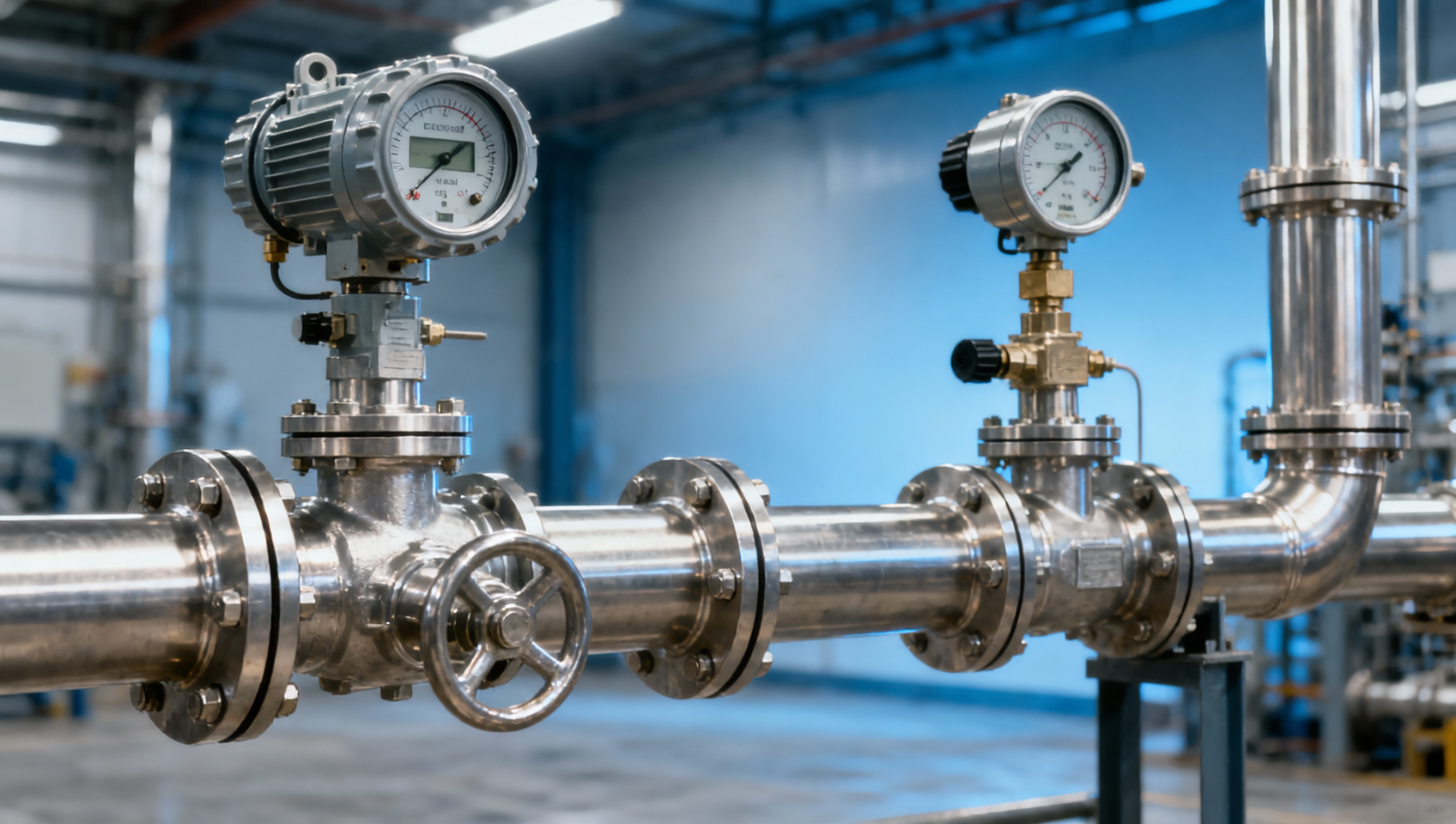
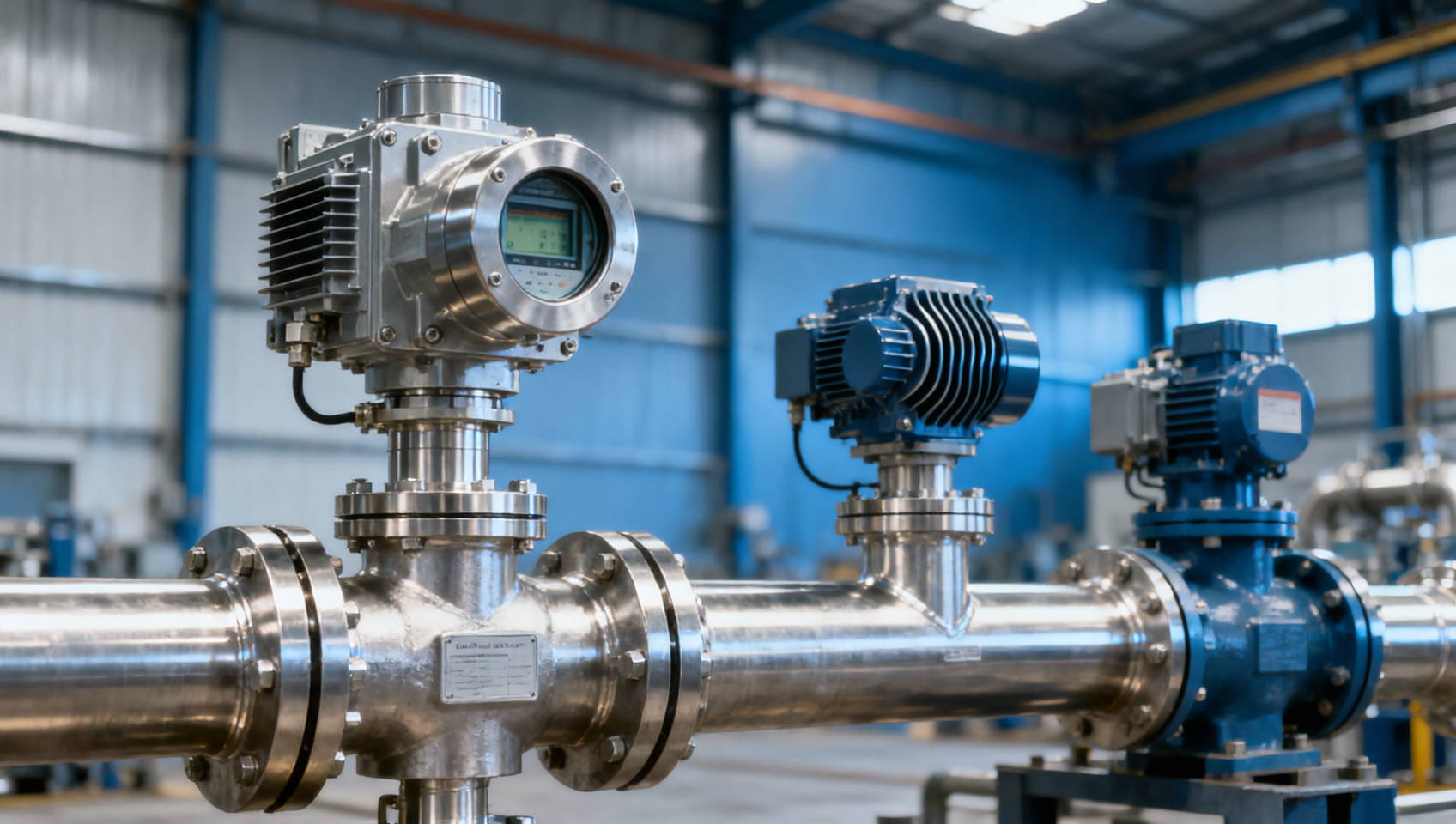
Selecting the right electromagnetic flow meter is not just a matter of matching a pipe size or chasing the lowest price. In industrial applications, the right choice depends on fluid conductivity, liner and electrode compatibility, installation conditions, required accuracy, compliance standards, maintenance expectations, and the business impact of downtime. For buyers also comparing alternatives such as vortex flow meter, ultrasonic water meters, coriolis mass flow meter, radar level transmitter, and industrial level sensors, the most important starting point is simple: an electromagnetic flow meter is usually the best fit for conductive liquids when you need stable accuracy, low pressure loss, and reliable long-term performance.
This guide is designed for researchers, operators, procurement teams, and decision-makers who need to evaluate electromagnetic flow meters with confidence. It focuses on what actually affects purchasing decisions: where mag meters work best, where they do not, how to compare specifications that matter, what mistakes create hidden lifecycle costs, and how to choose a unit that supports safe, compliant, and efficient operations.
When is an electromagnetic flow meter the right choice?
An electromagnetic flow meter, often called a mag meter, is typically the right choice when you are measuring the flow of electrically conductive liquids such as water, wastewater, slurry, acids, caustics, pulp stock, or process liquids in chemical and utility systems. Because it has no moving parts and creates almost no pressure drop, it is widely used in industries where reliability and low maintenance are priorities.
For most buyers, the practical decision rule is this: if the fluid is conductive and the process demands dependable volumetric flow measurement over time, an electromagnetic flow meter often delivers a stronger balance of accuracy, durability, and operating cost than many alternative technologies.
It is especially suitable when you need:
- Accurate measurement of water-based or conductive process fluids
- Low maintenance in continuous-duty systems
- No obstruction in the flow path
- Minimal pressure loss across the meter
- Good performance with dirty liquids, sludge, or slurry
- Stable measurement in municipal, power, mining, food, and chemical applications
However, a mag meter is not the right answer for every application. It cannot measure non-conductive fluids such as most oils, hydrocarbons, distilled water in some cases, or gases and steam. If your application involves these media, other instruments such as a vortex flow meter, coriolis mass flow meter, or ultrasonic meter may be more appropriate.
What buyers should evaluate first before comparing brands
Many purchasing mistakes happen because buyers compare product catalogs before confirming application conditions. Before requesting quotations, define the process clearly. This will narrow the field quickly and reduce the risk of over-specifying or under-specifying the meter.
The most important inputs include:
- Fluid type and conductivity: Mag meters require conductive media. Confirm minimum conductivity requirements from the manufacturer.
- Flow range: Know normal, minimum, and maximum flow rates, not just line size.
- Pipe size: Correct sizing affects accuracy and cost.
- Temperature and pressure: These determine liner, body, and seal compatibility.
- Chemical compatibility: Electrode and liner materials must match the fluid.
- Installation environment: Indoor, outdoor, washdown, hazardous area, vibration, flooding risk, and cable routing all matter.
- Required outputs and integration: 4-20 mA, pulse, HART, Modbus, Profibus, Ethernet, or local display needs should be defined early.
- Accuracy requirements: Match the meter to process needs rather than automatically selecting the highest spec.
- Regulatory or plant standards: CE, UL, ISO-related quality requirements, drinking water approvals, or site-specific procurement standards may apply.
If your team aligns on these points before sourcing, you can compare suppliers based on technical fit and lifecycle value rather than only on initial price.
Which specifications actually matter in a buying decision?
Not every specification in a datasheet has the same practical importance. The following factors usually have the greatest impact on field performance and ownership cost.
Accuracy and repeatability
For industrial buyers, accuracy should be assessed in the context of the real process. A meter with strong repeatability and stable long-term performance may create more value than a premium accuracy figure that is difficult to maintain in actual site conditions. Also check whether the stated accuracy depends on ideal flow profile, grounding quality, or full-pipe conditions.
Liner material
The liner protects the meter body and affects compatibility with the process fluid. Common options include PTFE, hard rubber, neoprene, polyurethane, and PFA. The right liner depends on temperature, abrasion, and chemical exposure. For example, aggressive chemicals may require PTFE or PFA, while abrasive slurry applications may favor other materials based on wear performance.
Electrode material
Electrodes are in direct contact with the fluid, so material selection is critical. Stainless steel may be suitable for general service, but harsher chemicals may require Hastelloy, tantalum, titanium, or platinum-based options. Choosing the wrong electrode can lead to corrosion, drift, and premature failure.
Converter and signal stability
The transmitter or converter determines how effectively the meter handles electrical noise, process fluctuations, and diagnostics. In industrial environments with pumps, motors, variable frequency drives, and long cable runs, signal processing quality can make a major difference in reliability.
Ingress protection and enclosure durability
Outdoor plants, water facilities, and washdown areas often demand robust enclosure ratings. A meter that performs well in the lab but fails in harsh field conditions becomes an expensive mistake.
Diagnostics and maintenance support
Advanced diagnostics can reduce troubleshooting time and improve uptime. Features such as empty pipe detection, electrode fouling alerts, self-check functions, and communication diagnostics can justify a higher purchase price if maintenance access is difficult or downtime is expensive.
How to choose between electromagnetic flow meters and alternative technologies
Many buyers do not evaluate a mag meter in isolation. They compare it with other flow and level technologies to determine the best overall instrument strategy.
Electromagnetic flow meter vs vortex flow meter
A vortex flow meter is often used for steam, gas, and clean liquids. If your process fluid is conductive liquid and low pressure drop is important, an electromagnetic flow meter is generally the stronger option. If you need to measure steam or gas, mag meters are not suitable and vortex becomes a more relevant candidate.
Electromagnetic flow meter vs ultrasonic water meters
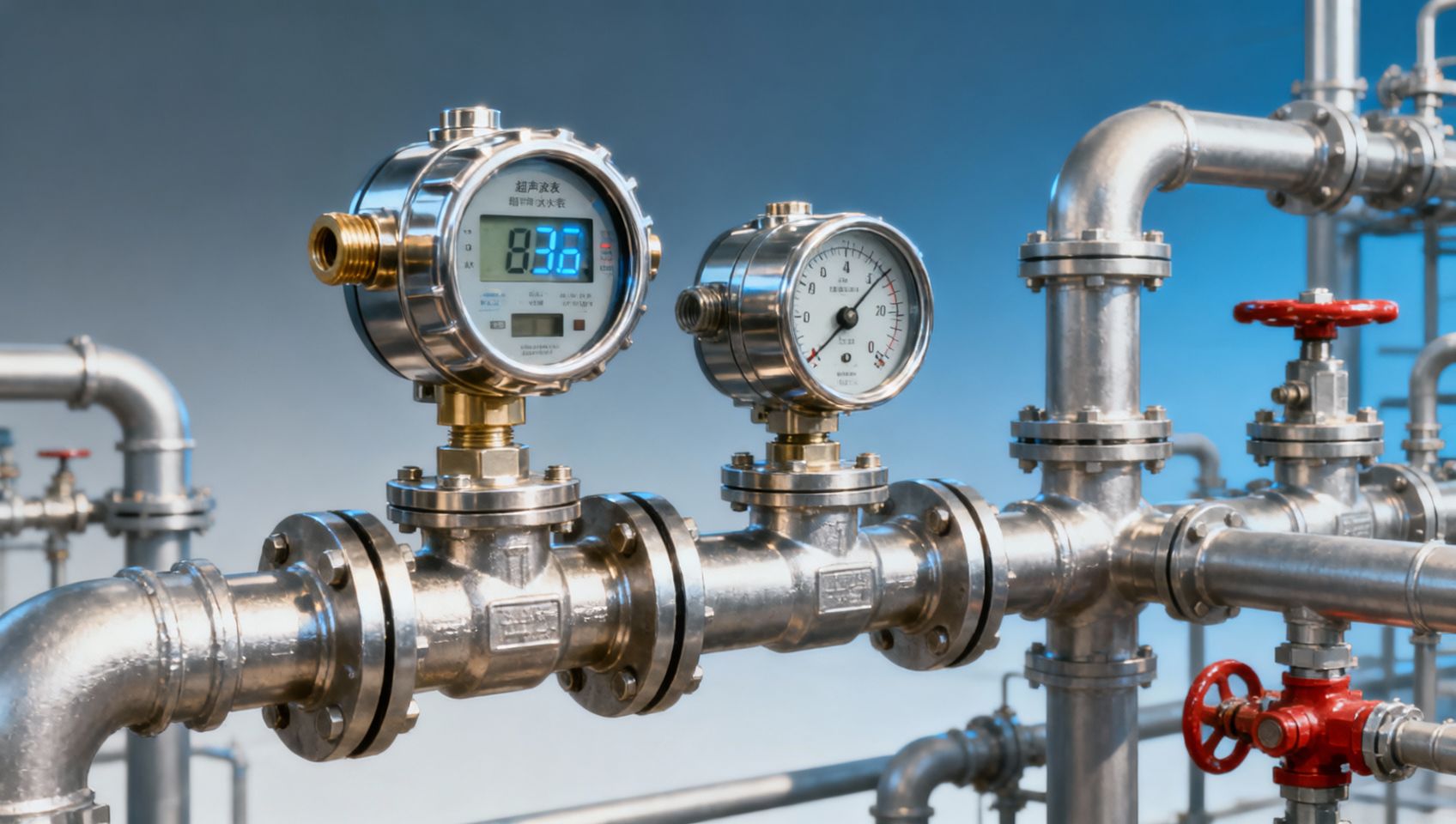
Ultrasonic water meters can be attractive where non-invasive measurement, low maintenance, or retrofit simplicity are priorities. But for many industrial liquid applications, especially where fluid quality varies or solids are present, a properly specified electromagnetic flow meter often provides more consistent performance. Ultrasonic options may be preferred when pipe cutting is undesirable or when conductivity is too low for mag measurement.
Electromagnetic flow meter vs coriolis mass flow meter
A coriolis mass flow meter offers direct mass flow measurement and excellent accuracy, often for higher-value process streams. However, it is usually more expensive, heavier, and less economical for larger line sizes. For bulk conductive liquids such as water, wastewater, and many utility or general process flows, an electromagnetic flow meter is often the more cost-effective choice.
Relationship to radar level transmitter and industrial level sensors
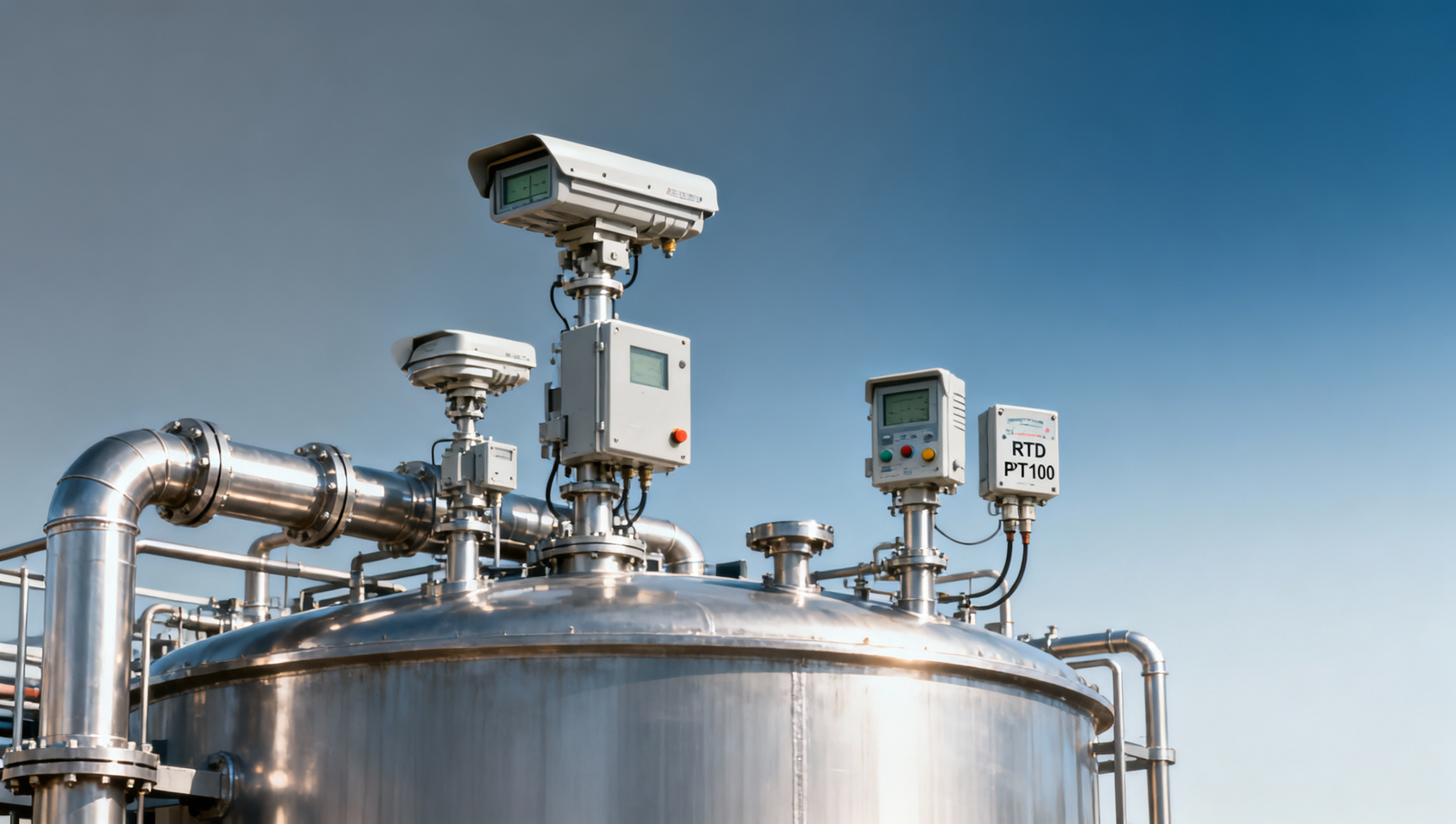
Buyers evaluating a radar level transmitter or other industrial level sensors are often working on full tank-to-process instrumentation packages rather than single-point replacements. In these projects, a mag meter may be the preferred line flow instrument while radar and level sensors handle vessel monitoring. The best procurement outcome often comes from considering system integration, communication protocols, and maintenance strategy across the full instrument set.
What installation and operating issues create the most problems?
Even a high-quality electromagnetic flow meter can underperform if installation conditions are poor. For operators and maintenance teams, this is where many avoidable issues begin.
Common problem sources include:
- Partially filled pipe conditions
- Improper grounding or bonding
- Electrical noise from nearby drives or motors
- Insufficient straight pipe runs where required by the design
- Air bubbles or entrained gas
- Electrode coating or buildup
- Wrong orientation in vertical or horizontal lines
- Installing the meter at the highest point in the piping where empty pipe conditions can occur
To reduce these risks, buyers should not only request the meter specification but also confirm installation guidance, commissioning support, grounding accessories, cable recommendations, and diagnostic functions. In many plants, a slightly better installation package provides more value than a slightly better theoretical meter specification.
How procurement teams should compare suppliers beyond price
For procurement personnel and business decision-makers, the most expensive meter is not always the best choice, but the cheapest unit often carries the highest risk. Supplier comparison should include both product capability and execution reliability.
Evaluate suppliers on these points:
- Application engineering support: Can they review your process data and recommend the right configuration?
- Material traceability and quality control: Are manufacturing and inspection processes documented?
- Compliance and certifications: Can they support CE, UL, ISO-linked quality systems, or other required approvals?
- Calibration and test documentation: Are calibration certificates and factory test records available?
- Lead time and spare parts support: Can they meet project schedules and support installed units later?
- After-sales service: Is there field support, remote diagnostics help, or startup assistance?
- Lifecycle cost: What are the expected maintenance, replacement, and downtime implications over years of service?
For global EPC contractors and industrial buyers, supplier responsiveness and documentation quality are often just as important as the meter itself. A technically acceptable product can still become a project risk if documentation, compliance evidence, or support response is weak.
Questions decision-makers should ask before approving a purchase
If you are approving a budget or signing off on a sourcing decision, focus on the questions that reveal risk, total value, and operational fit.
- Is the process fluid definitely conductive under all operating conditions?
- Does the selected meter configuration match chemical, temperature, and pressure conditions?
- Is the stated accuracy meaningful in our actual installation environment?
- What is the expected service life of the liner and electrodes in this application?
- What diagnostics are available to reduce unplanned downtime?
- Are calibration and compliance documents sufficient for our project or audit requirements?
- Does this supplier have the engineering depth to support commissioning and troubleshooting?
- How does this option compare with a vortex flow meter, ultrasonic water meter, or coriolis mass flow meter in total lifecycle value?
These questions move the decision from a simple product purchase to a controlled risk-management process, which is where industrial sourcing decisions create the most value.
A practical shortlisting checklist for electromagnetic flow meter buyers
Before final supplier selection, use this practical checklist:
- Confirm fluid conductivity is within meter requirements
- Verify line size and actual flow velocity range
- Match liner material to chemical and temperature conditions
- Match electrode material to corrosion risk
- Confirm pressure rating and enclosure protection
- Review installation layout and grounding needs
- Check communication outputs and control system compatibility
- Request calibration, testing, and compliance documents
- Evaluate diagnostics and maintenance benefits
- Compare not only purchase price but downtime risk and support quality
This kind of shortlist discipline is especially helpful when multiple stakeholders are involved, such as engineering, operations, maintenance, procurement, and management.
Final buying guidance
An electromagnetic flow meter is often the best investment for conductive liquid measurement when your priorities include dependable accuracy, low pressure loss, low maintenance, and strong long-term value. But successful selection depends on more than the meter category alone. The real decision should be based on fluid properties, materials compatibility, installation reality, compliance needs, diagnostics, and supplier support.
For teams also comparing a vortex flow meter, ultrasonic water meters, coriolis mass flow meter, radar level transmitter, and industrial level sensors, the right approach is not to ask which technology is best in general. The better question is which technology best matches the process, the plant environment, and the business risk profile. When that question is answered clearly, electromagnetic flow meters often stand out as a reliable and cost-effective choice for industrial liquid applications.
In short, buy for application fit, not catalog appearance. A well-specified mag meter from a capable supplier will usually outperform a cheaper or misapplied alternative over the full life of the asset.
Expert Insights

Chief Security Architect
Dr. Thorne specializes in the intersection of structural engineering and digital resilience. He has advised three G7 governments on industrial infrastructure security.
Related Analysis
Core Sector // 01
Security & Safety
- Coriolis Mass Flow Meter Cost ExplainedAuthor :Environmental Engineering Director

- Electromagnetic Flow Meter Buying GuideAuthor :Environmental Engineering Director

- Ultrasonic Water Meters vs MechanicalAuthor :Environmental Engineering Director

- Vortex Flow Meter: When It Works BestAuthor :Environmental Engineering Director

- How to Pick Industrial Level SensorsAuthor :Environmental Engineering Director

- Radar Level Transmitter in Dusty TanksAuthor :Environmental Engineering Director

- Ultrasonic Level Gauge vs Radar LevelAuthor :Environmental Engineering Director

- Steam traps wholesale: Which type fails least in condensate return lines with air binding?Author :Environmental Engineering Director