Wholesale N95 respirators: test reports that deserve a closer look
Author
Date Published
Reading Time
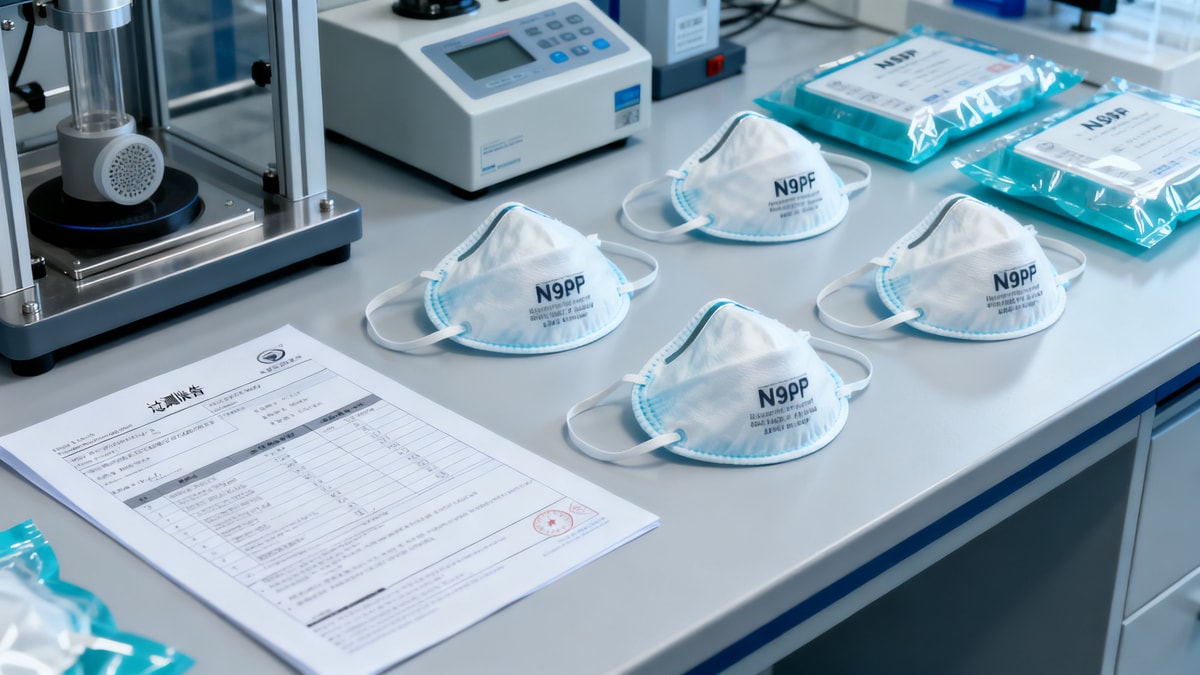
When evaluating wholesale N95 respirators, test reports should never be treated as routine paperwork. For technical assessors, the real value lies in understanding filtration efficiency, breathing resistance, fit performance, and certification validity under relevant standards. This article takes a closer look at the data points that matter most, helping buyers separate compliant products from risky claims before procurement decisions are made.
What should technical assessors verify first in wholesale N95 respirators?
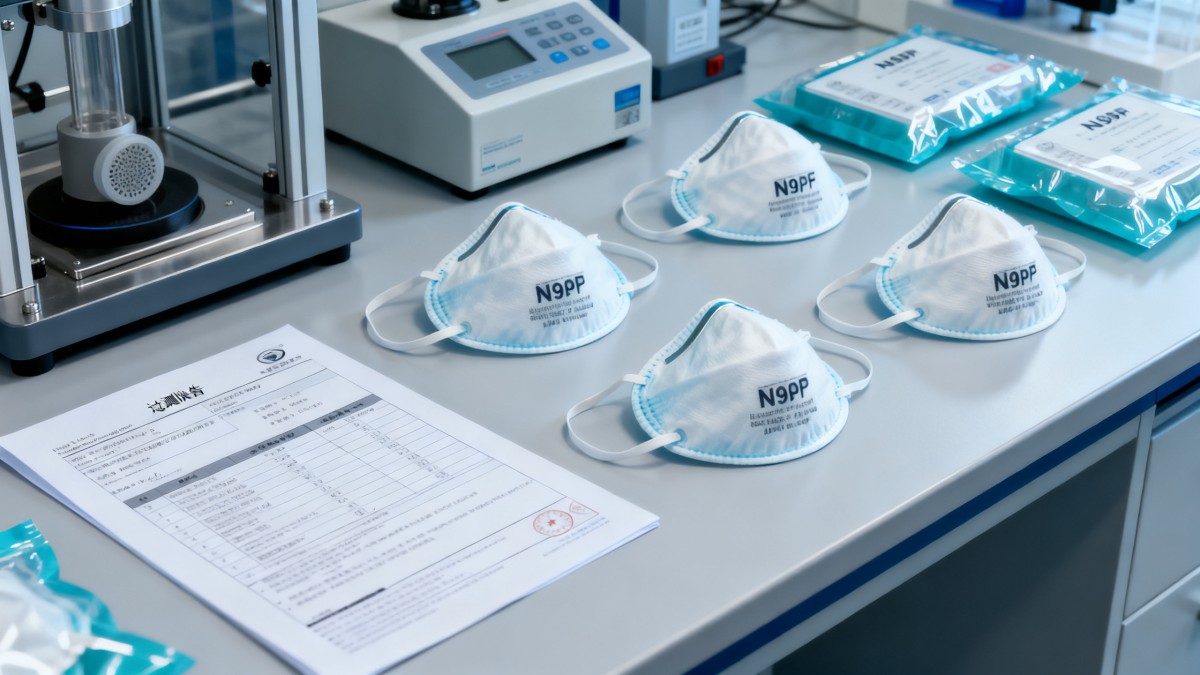
For industrial buyers, the first screening step is not price, packaging, or even a claimed approval mark. It is whether the documentation package behind wholesale N95 respirators is technically coherent. In practice, that means checking whether the product name, model code, report date, laboratory identity, and test standard all align across the respirator, carton label, declaration, and report set.
Technical evaluation teams often face compressed timelines and mixed supplier quality. A respirator may look acceptable on paper yet fail under closer scrutiny because one report references a different model variant, an outdated standard revision, or a sample configuration not matching the production item. In industrial procurement, such mismatches can become compliance exposure, delivery delays, or rejection at site level.
Core checks before deeper review
- Confirm that the respirator model on the test report exactly matches the model offered in the quote, including cup style, fold style, valve or non-valve design, and strap configuration.
- Review the issuing laboratory details and determine whether the lab is appropriate for the claimed standard and market access pathway.
- Check whether test conditions, sample quantity, and report scope are clearly stated rather than summarized in vague language.
- Verify that the report is product-specific, not a generic marketing sheet using selective data points without full context.
This is where a structured sourcing review adds value. For EPC contractors, facility managers, and procurement directors working through industrial safety programs, a respirator is not just a consumable. It is part of a wider protective system that must perform predictably in maintenance shutdowns, dust exposure tasks, confined-space support, and emergency stock planning.
Which test report data points in wholesale N95 respirators deserve the closest review?
When assessing wholesale N95 respirators, some figures matter more than others. Technical teams should focus on data that directly affects protection, wearability, and real deployment suitability. The table below summarizes the report elements that usually deserve the closest attention during supplier comparison.
The interpretation matters as much as the number itself. A filtration result above the threshold is encouraging, but if breathing resistance is high, user tolerance may drop in hot or extended-use environments. Likewise, a clean-looking report is not enough if it provides no visibility into fit-related performance or does not identify the tested configuration.
Why filtration efficiency alone is not sufficient
Many sourcing discussions around wholesale N95 respirators stop at the filtration percentage. That is a mistake. Technical assessors should read the report as a system-level performance record. A respirator must balance filtration, breathing resistance, facial seal behavior, and structural consistency. Overemphasis on a single headline metric can hide poor usability or inconsistent production control.
In heavy industry and infrastructure maintenance, wearers may need to climb, bend, communicate, and work in changing temperature conditions. If the nose clip loses shape or the straps relax too quickly, even a strong filter medium may not deliver reliable field protection. This is why a closer review of test reports is a procurement necessity, not an administrative preference.
How to read certification claims without being misled
Certification language around wholesale N95 respirators can be confusing, especially when suppliers sell to multiple regions. Technical teams should distinguish between a formal approval pathway, a laboratory test record, and a self-issued declaration. These are not interchangeable documents.
Useful distinctions during document review
- A test report shows results for a sampled product under stated conditions. It does not always mean the product holds ongoing market approval.
- A certificate or approval record may indicate compliance status, but it still must match the exact manufacturer and model offered.
- A declaration from the supplier can support the file, but it should never replace independent evidence where regulated claims are involved.
For buyers operating across industrial projects, it is common to encounter references to N95, FFP2, KN95, or other filtering facepiece classifications in the same sourcing conversation. These labels belong to different regulatory frameworks and test methods. They should not be treated as identical simply because the products appear visually similar or share a broad disposable respirator format.
The next table can help technical assessors review common documentation categories when comparing wholesale N95 respirators for industrial procurement.
A stronger procurement file combines these layers rather than relying on one document type. For industrial sourcing teams, the practical question is simple: does the documentation chain support safe deployment, audit readiness, and procurement confidence under the site requirements you actually face?
What risks do buyers miss when comparing wholesale N95 respirators?
The most common risk is assuming that two respirators with similar headline claims are equivalent. Technical assessors know that equivalence depends on more than nominal classification. Construction materials, strap attachment method, nose foam design, packaging traceability, and batch consistency all shape field performance and procurement risk.
Frequent blind spots in supplier evaluation
- The report is valid, but not current. A document issued years ago may not reflect the present product configuration or material source.
- The report exists, but the sample traceability is weak. Without clear identification, buyers cannot be sure the tested respirator matches delivered stock.
- The product meets a lab threshold, but field comfort is poor. This creates compliance problems at user level because workers may adjust, loosen, or replace masks too frequently.
- The supplier can quote quickly, but cannot support lot documentation, packaging controls, or complaint handling for industrial contracts.
For technical evaluation personnel, this is where a data-driven sourcing partner can reduce noise. Global Industrial Core focuses on safety and industrial reliability, so the evaluation lens is not limited to a brochure claim. It extends to whether the respirator documentation package supports procurement under real operational constraints, including project deadlines, site inspections, and multi-region compliance reviews.
How should technical teams build a practical procurement checklist?
A workable checklist for wholesale N95 respirators should translate technical information into procurement decisions. The aim is not to create paperwork for its own sake, but to reduce the chance of selecting a product that later fails quality review, user acceptance, or delivery validation.
Recommended checklist for pre-award review
- Match model identity across quotation, packing artwork, test reports, and any approval reference.
- Review filtration efficiency and breathing resistance together rather than as separate pass points.
- Ask whether fit-related evidence, user trial feedback, or inward leakage data is available for the intended use profile.
- Check batch coding, shelf-life labeling, storage instructions, and carton traceability for warehouse control.
- Confirm whether sample support is possible before volume commitment, especially for high-turnover sites or geographically distributed teams.
- Evaluate supplier responsiveness on technical clarification. Slow or vague answers often signal future after-sales friction.
If your organization buys wholesale N95 respirators for maintenance crews, contractors, warehousing teams, or industrial visitors, the checklist should also include deployment context. Short-duration visitor use has different comfort and stock rotation priorities than repeated use across dusty plant maintenance tasks. The correct selection depends on exposure pattern, wear time, and site administration requirements.
Application scenarios: when does report interpretation change the sourcing decision?
Not every industrial setting weights the same test data in the same way. A technical assessor reviewing wholesale N95 respirators for periodic warehouse exposure may emphasize stock traceability and economical supply continuity. A team sourcing for shutdown maintenance near dust-generating processes may place more weight on breathing resistance, fit stability, and packaging suitable for distributed issue control.
The table below shows how application context can shift the evaluation priority.
This scenario-based approach helps technical teams avoid overbuying or under-specifying. A lower-cost option may be reasonable for controlled, short-duration use if the documentation is solid. In contrast, long-shift industrial applications often justify stricter screening because user comfort and sealing behavior directly affect protection outcomes.
FAQ: common questions about wholesale N95 respirators and test reports
How do I know whether a wholesale N95 respirator report matches the product being sold?
Start with exact model identity. Compare the model code, manufacturer name, mask style, and any packaging reference shown on the report against the quotation sample and product images. If the supplier cannot clearly link the tested sample to the delivered item, the report has limited procurement value.
Should buyers reject a product if the report set does not include every possible test?
Not automatically. The right question is whether the available records are sufficient for the intended use, the required market pathway, and your internal safety review. Technical assessors should identify missing evidence that is material to the application, rather than requesting documents without a decision purpose.
Are lower-priced wholesale N95 respirators always riskier?
Not always, but lower cost should trigger closer review of consistency, documentation depth, and supply chain control. A competitive price can be acceptable if the product file is coherent and the supplier can support traceability, samples, and technical questions without delay.
What matters more for industrial use: filtration percentage or breathing resistance?
Neither should be isolated. Technical assessors should evaluate them together. Strong filtration paired with excessive breathing resistance may reduce user acceptance over long shifts. Good procurement decisions balance protective performance with wear practicality.
Why work with us when screening wholesale N95 respirators?
Global Industrial Core supports technical buyers who need more than a supplier list. Our focus is on industrial-grade decision support across safety, engineering, and compliance-sensitive procurement. When reviewing wholesale N95 respirators, we help teams translate report language into actionable sourcing judgments that fit operational reality.
You can consult us on parameter confirmation, document consistency review, model comparison, delivery cycle considerations, sample coordination, certification-related screening, and quote-stage technical alignment. This is especially useful for organizations managing multi-site demand, project-driven purchasing windows, or strict internal approval processes.
- Need help comparing two or more wholesale N95 respirators with different report sets? We can structure the evaluation criteria around your use scenario.
- Need support checking whether a test report, declaration, and packaging file actually align? We can help isolate the gaps before order placement.
- Need guidance on samples, lead time discussions, or documentation needed for internal approval? We can help frame the right supplier questions early.
If your team is sourcing wholesale N95 respirators for industrial operations, bring the report set, application context, and procurement timeline into one review. That is where better decisions happen: before nonconforming stock reaches the site, before approvals stall, and before a low-visibility document issue becomes a high-cost operational problem.
Technical Specifications
Expert Insights

Chief Security Architect
Dr. Thorne specializes in the intersection of structural engineering and digital resilience. He has advised three G7 governments on industrial infrastructure security.
Related Analysis
- May 01, 2026PTZ dome camera placement mistakes that waste zoom performanceAuthor :Safety Compliance Lead
- May 01, 2026Biometric access control systems: where integration gets expensiveAuthor :Safety Compliance Lead
- May 01, 2026Facial recognition door lock accuracy drops in these common settingsAuthor :Safety Compliance Lead
Core Sector // 01
Security & Safety
- Wholesale N95 respirators: test reports that deserve a closer lookAuthor :Environmental Engineering Director

- RCEP Mandates Carbon Labeling for Industrial Air Filters from Jul 2026Author :Environmental Engineering Director

- EU CE Update: ULPA Filters Require MVR Testing from Jan 2027Author :Environmental Engineering Director

- EU CE Draft: ULPA Air Filters Must Pass MVR TestingAuthor :Environmental Engineering Director
![]()
- FDA Expands Regulation of Industrial Air Filters: ULPA Filter MVR Verification RequiredAuthor :Environmental Engineering Director
![]()
- Preventing dust leaks in environmental engineeringAuthor :Environmental Engineering Director

- EU CBAM Enters Enforcement Phase for Industrial Filtration & Water Treatment EquipmentAuthor :Environmental Engineering Director
![]()
- EU Mandates PM0.3 Efficiency & Energy Labels for Industrial Air Filters from 1 July 2026Author :Environmental Engineering Director
![]()