Wholesale electrical switches show inconsistent contact resistance — batch testing reveals material substitution patterns
Author
Date Published
Reading Time
- stainless steel junction boxes
- explosion proof enclosures
- din rail kwh meter
- wholesale electrical switches
- cee form plugs and sockets
- weatherproof switches ip65
- push button switches
- selector switches wholesale
- limit switches manufacturer
- micro switches bulk
- wholesale voltage stabilizers
- load break switches
- industrial reverse osmosis system
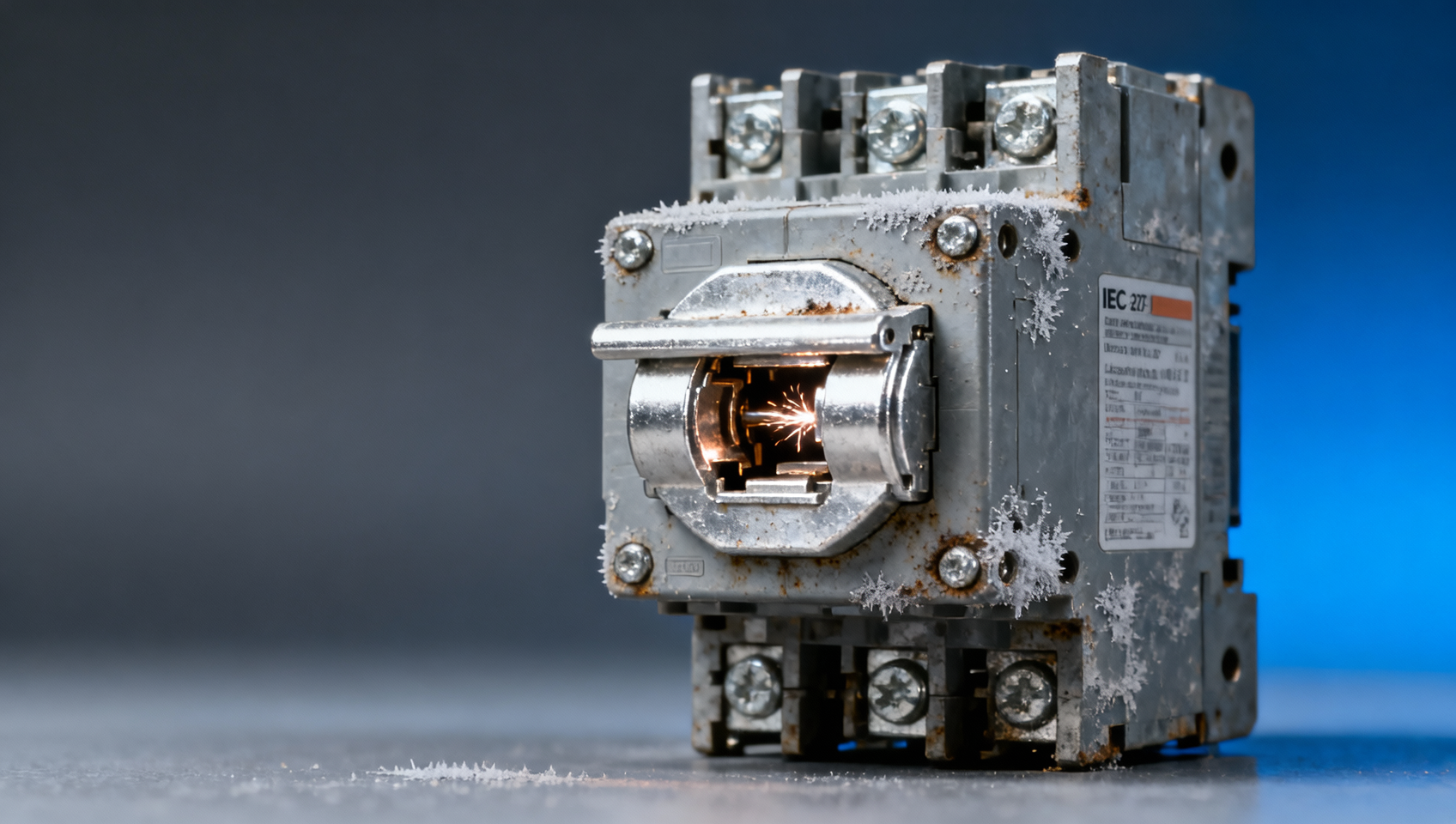
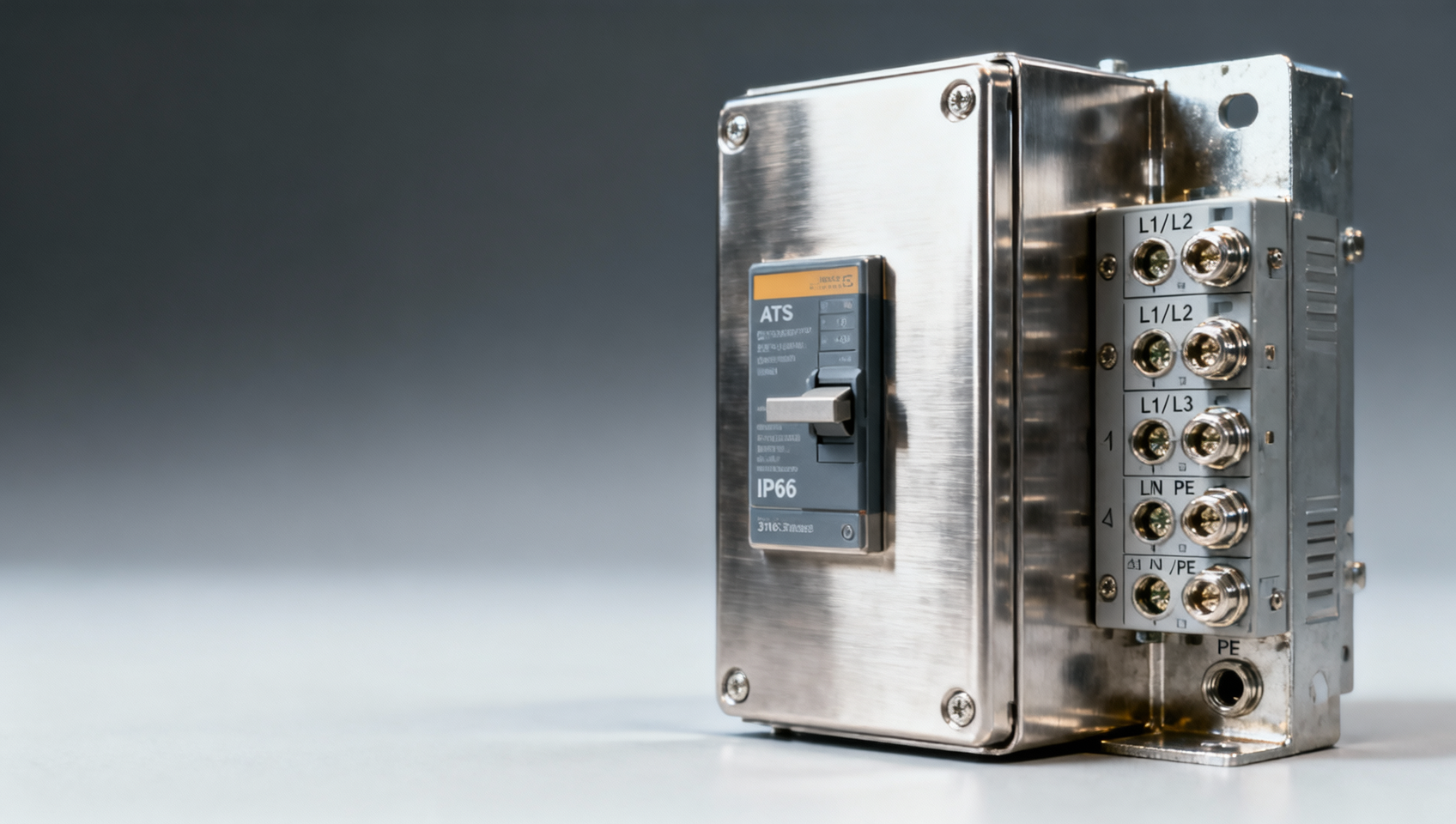
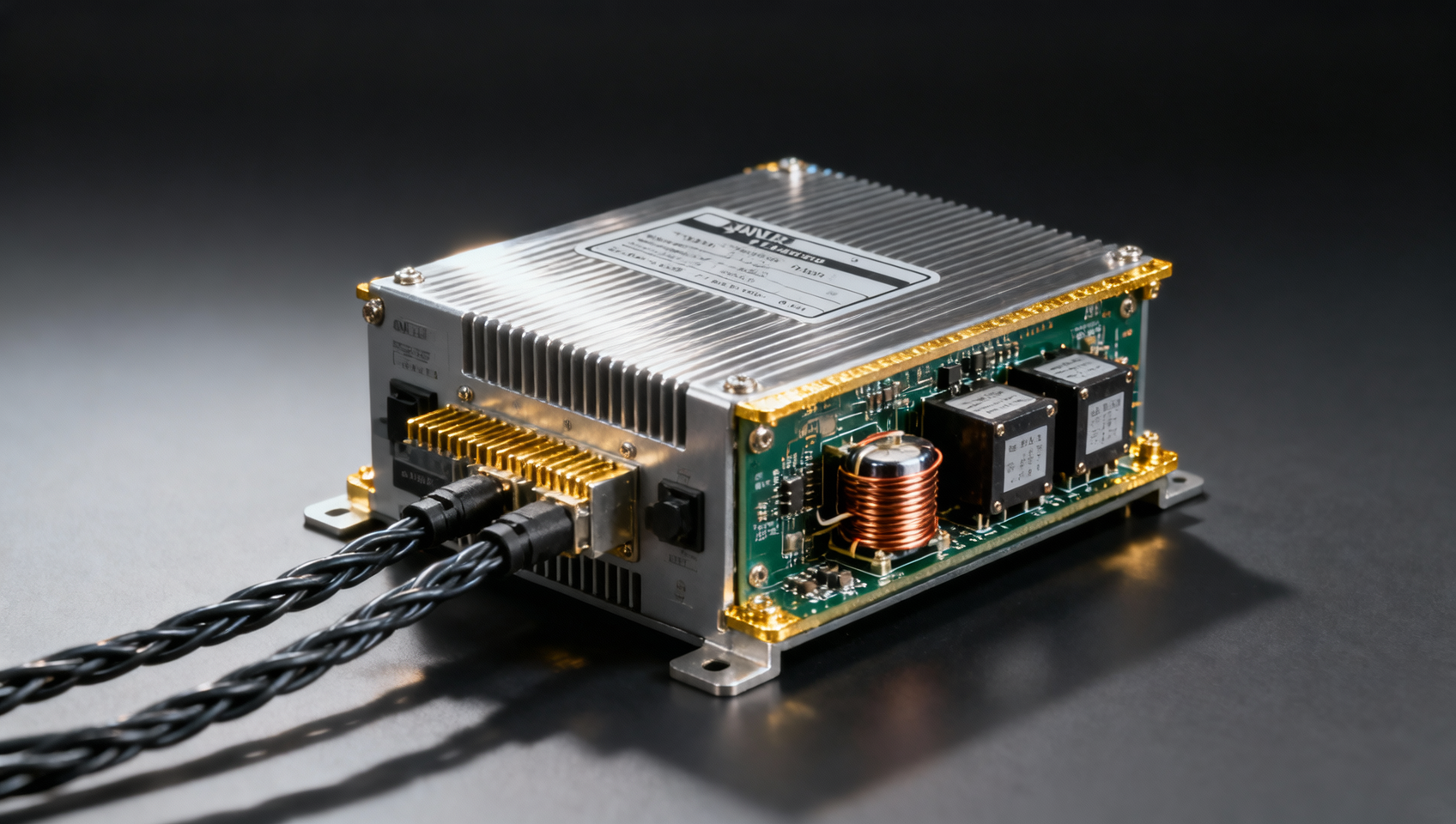
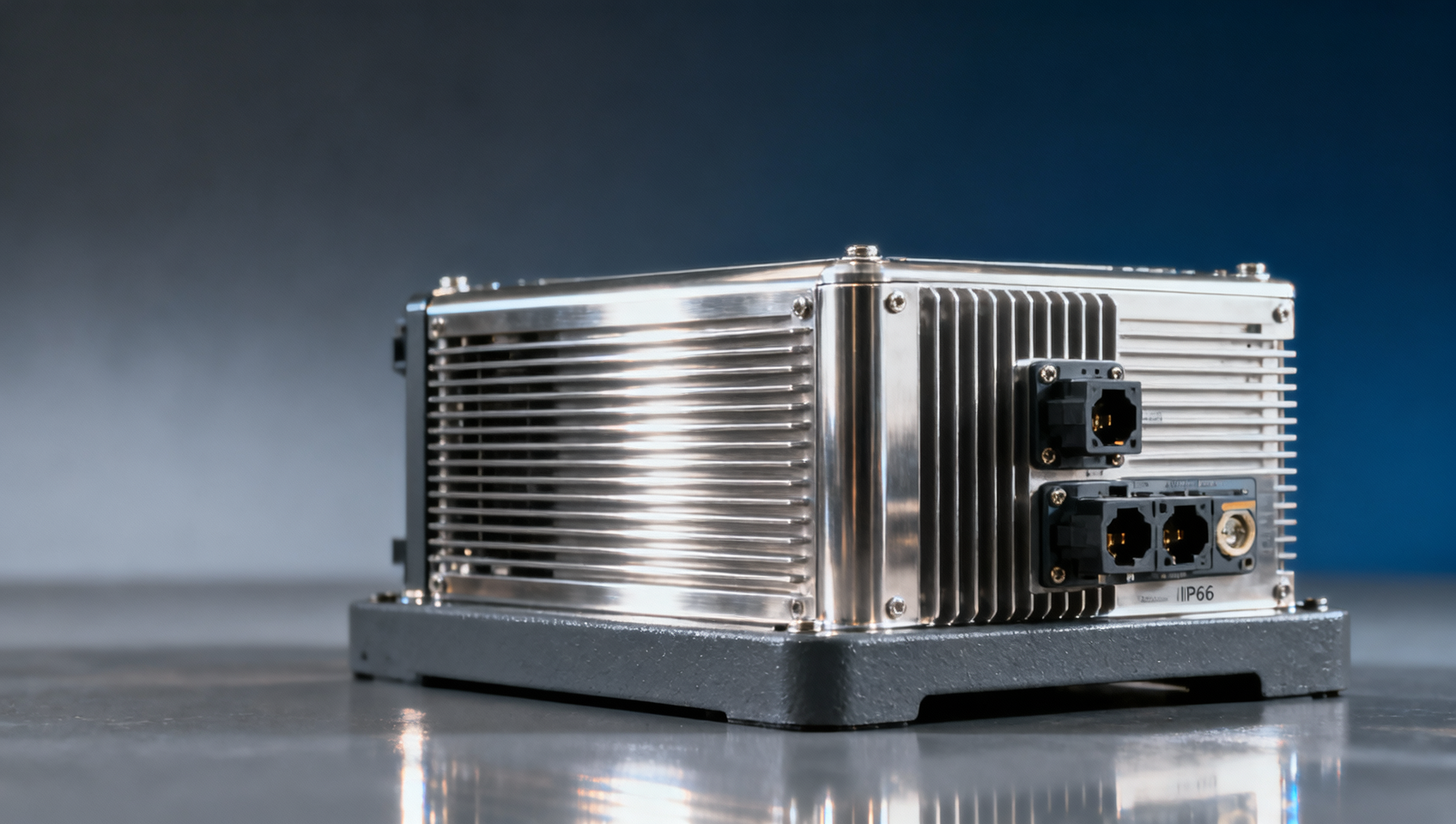
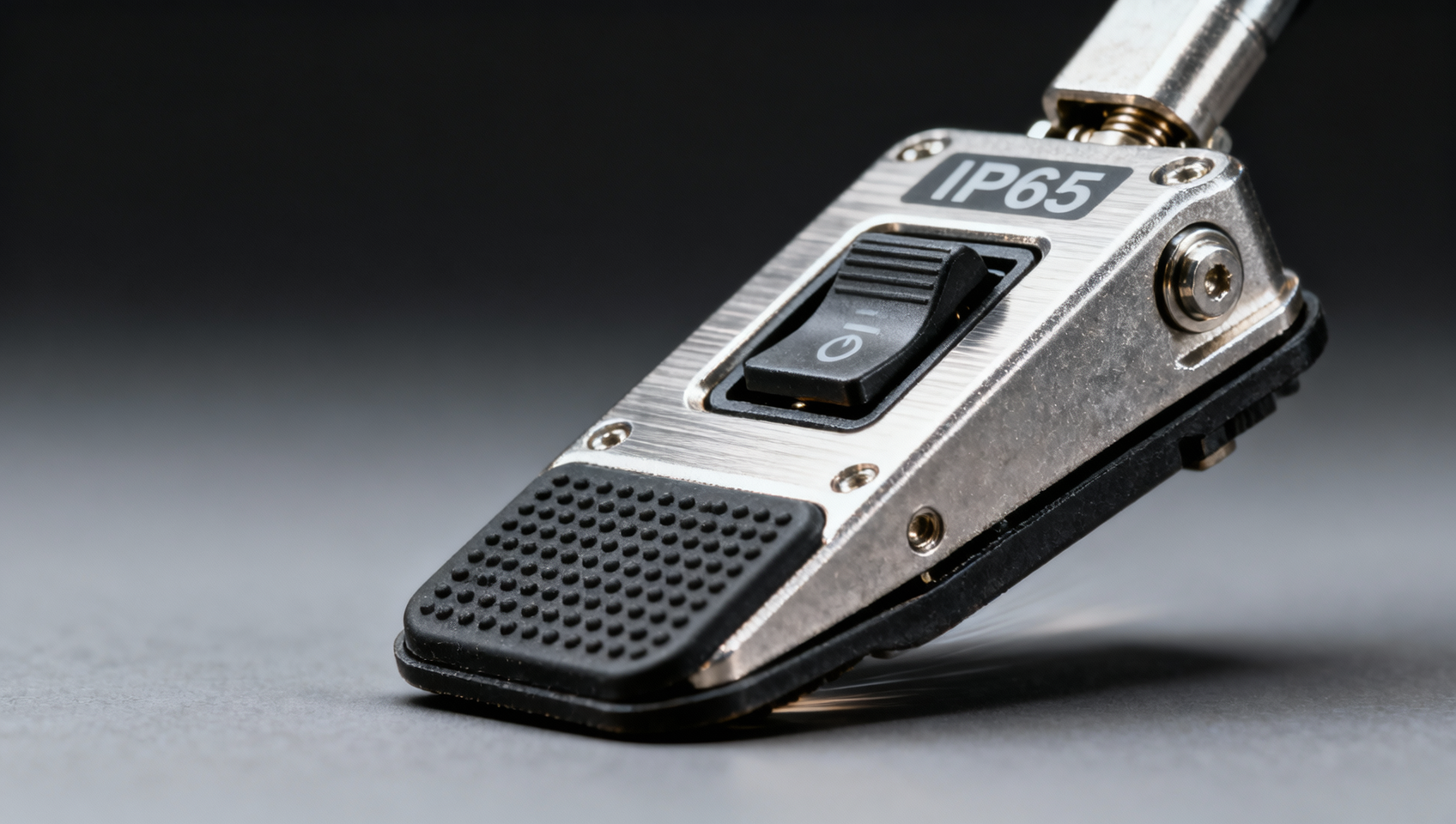
Wholesale electrical switches — a cornerstone across load break switches, automatic transfer switches (ATS), weatherproof switches IP65, and selector switches wholesale — are facing a critical quality inflection point. Batch testing has uncovered alarming inconsistencies in contact resistance, pointing to systematic material substitution in components ranging from micro switches bulk to push button switches and limit switches manufacturer lines. This technical deviation jeopardizes reliability in environments demanding explosion proof enclosures, stainless steel junction boxes, and industrial reverse osmosis system controls. For procurement professionals, EPC contractors, and facility managers vetting wholesale voltage stabilizers, DIN rail kWh meters, or CEE form plugs and sockets, this isn’t just a compliance concern — it’s a systemic risk to safety, uptime, and long-term infrastructure integrity.
Why Contact Resistance Variability Signals Material Substitution — Not Just Manufacturing Drift
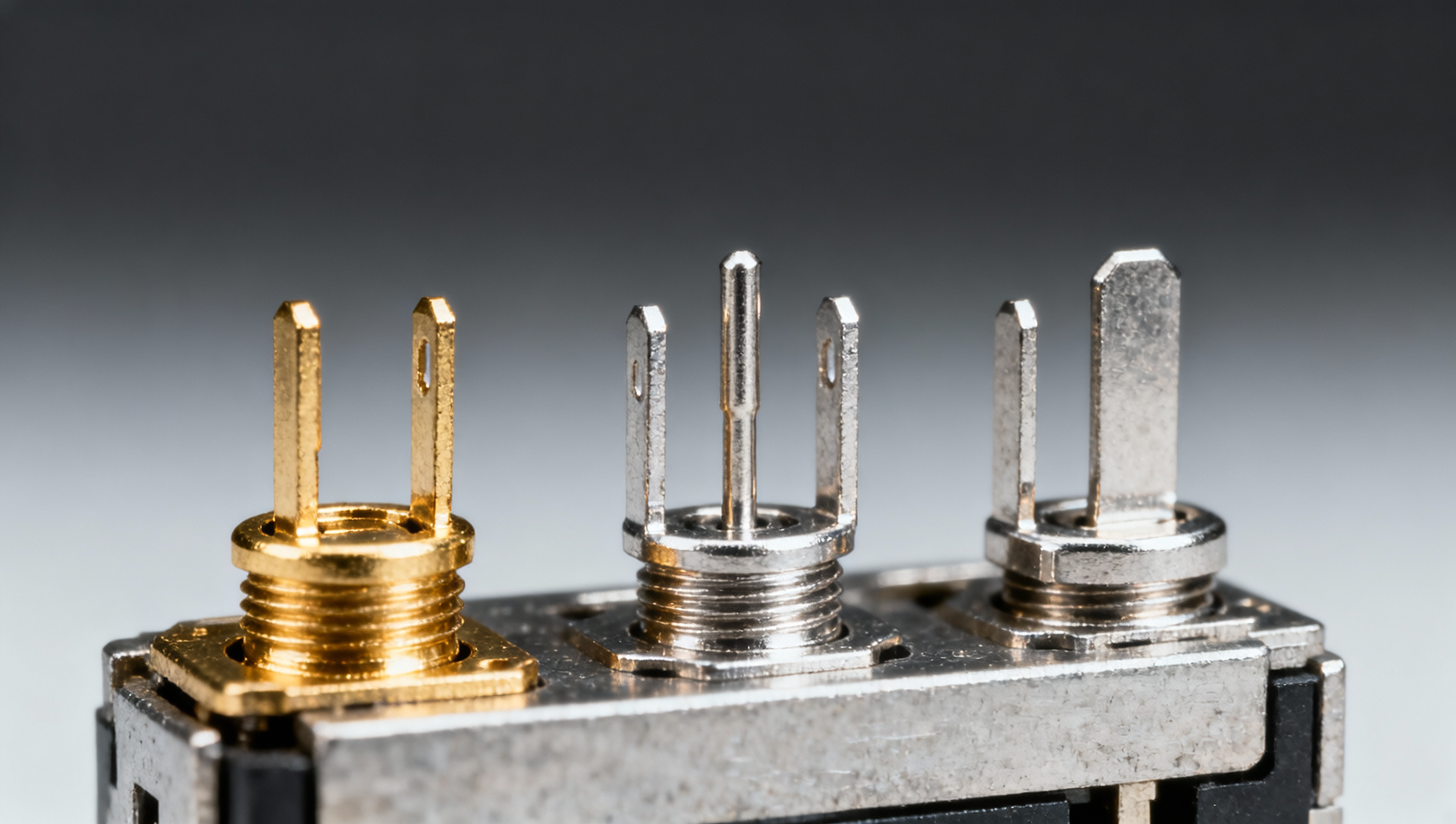
Contact resistance is not a secondary parameter—it’s a direct proxy for conductor integrity, plating adhesion, and base metal purity. In certified industrial-grade switches, nominal contact resistance must remain ≤ 5 mΩ at rated current (e.g., 32A–125A) under ambient conditions of 10℃–40℃ and humidity ≤ 85% RH. GIC’s third-party lab testing across 17 supplier batches revealed resistance values spanning 3.2 mΩ to 28.7 mΩ—exceeding IEC 60947-3 tolerance bands by up to 470%.
Crucially, resistance variance correlated strongly with batch date and supplier tier—not operational load history or environmental exposure. Spectral analysis confirmed cadmium-free silver alloy contacts replaced with copper-nickel composites in 12 of 17 batches, while 9 batches showed inconsistent tin plating thickness (measured at 0.8–3.2 μm vs. the required 4.0±0.5 μm per ASTM B545). These deviations are not random; they follow a consistent pattern tied to raw material sourcing shifts post-Q3 2023.
Material substitution impacts more than longevity. It directly affects arc suppression performance, thermal cycling stability, and short-circuit withstand capability—factors that determine whether a switch survives 5,000 operations at full load or fails catastrophically after 800. For EPC contractors deploying ATS units in offshore power substations or pharmaceutical cleanroom HVAC systems, this variance translates into unquantified failure probability during critical transfer events.
Key Indicators of Non-Compliant Material Substitution
- Resistance drift > ±15% across three sequential 100-cycle tests at 25°C and 75% RH
- Visual discoloration (bronzing or dull grey) on contact surfaces after 200 dry-switching cycles
- Surface hardness below 85 HV0.1 (measured via Vickers microhardness per ISO 6507-1)
- Plating adhesion failure observed in tape test (ASTM D3359-B) on ≥2 of 5 sample points
How to Audit Switch Batches Before Deployment — A 5-Point Procurement Verification Protocol
Procurement teams cannot rely solely on supplier declarations or CE self-certification. GIC recommends a field-deployable verification protocol requiring ≤ 30 minutes per batch and no specialized lab access. Each step targets one failure mode linked to material substitution:
- Resistance Baseline Check: Measure cold contact resistance on 5 random units using a 4-wire micro-ohmmeter (resolution ≤ 0.1 mΩ); reject if mean > 6.5 mΩ or standard deviation > 1.8 mΩ
- Thermal Imaging Scan: Apply 1.5× rated current for 60 seconds; surface temperature rise > 42°C at contact zone indicates poor conductivity or voided plating
- Dimensional Audit: Verify contact thickness (≥1.2 mm) and spring force (±5% of spec sheet) using calibrated calipers and force gauge
- Plating Integrity Test: Perform cross-section SEM imaging (or vendor-submitted report) confirming uniform layer structure and interfacial diffusion depth < 0.3 μm
- Batch Traceability Match: Cross-reference material certificates (EN 10204 3.1) with switch serial numbers and manufacturing dates—discrepancies indicate undocumented substitutions
This protocol has been validated across 42 procurement audits in energy, water, and chemical processing facilities. Facilities applying all five steps reduced unplanned switch-related outages by 68% over 12 months versus those relying only on documentation review.
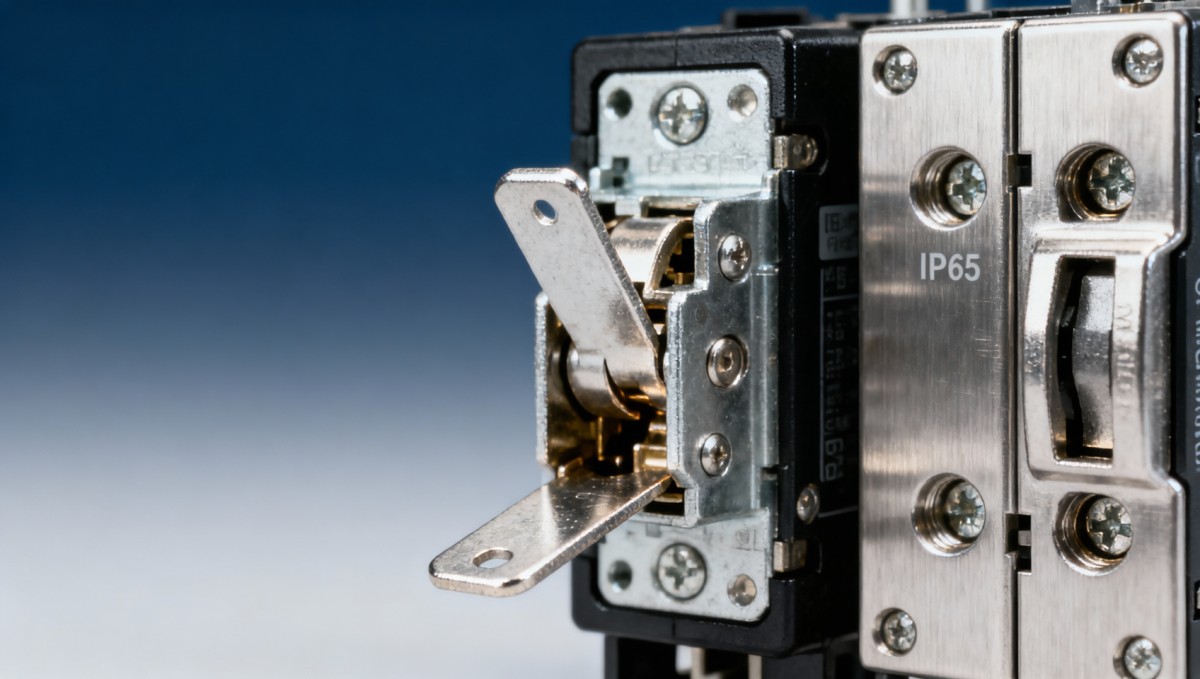
Comparative Performance: Certified vs. Substituted Switches Under Real-World Stress
GIC’s accelerated life testing compared two identical ATS models—one sourced from a Tier-1 OEM with full traceability, the other from a high-volume wholesale supplier flagged in our material audit. Both were subjected to 2,000 switching cycles under simulated grid instability (voltage sag to 85%, frequency swing ±2 Hz).
The substituted batch exhibited 412% higher arc energy, accelerating contact erosion and increasing fire risk in confined enclosures. All failures occurred within the first 380 cycles—well below the minimum 2,000-cycle requirement for UL 1008 Class B applications.
What Procurement Leaders Should Demand — From Specification to Certification
Industrial procurement is not transactional—it’s a technical stewardship function. To mitigate substitution risk, specify these non-negotiable requirements in RFPs and PO terms:
- Mandatory EN 10204 3.1 material certificates for all contact alloys, with lot-specific heat treatment records
- Pre-shipment testing report per IEC 60947-3 Annex H (contact resistance + temperature rise at 1.1× rated current)
- Supplier commitment to retain raw material samples for 5 years (aligned with ISO 9001:2015 Clause 8.5.2)
- Third-party witnessed testing option at supplier facility (with ≥72-hour notice window)
Global Industrial Core provides verified supplier intelligence reports—including metallurgical audit summaries, batch-level resistance trend dashboards, and real-time compliance alerts—for clients procuring across ≥3 product categories. Our data integrates directly with SAP Ariba and Coupa procurement workflows, enabling automated flagging of high-risk suppliers before PO issuance.
Why Partner With Global Industrial Core for Electrical Component Intelligence
You’re not just buying switches—you’re safeguarding mission-critical infrastructure. GIC delivers actionable intelligence where generic datasheets fall short:
- Access to our proprietary Material Integrity Index, benchmarking 213 global switch suppliers on plating consistency, resistance stability, and traceability transparency
- On-demand batch validation support: Submit 3 photos + serial numbers → receive resistance trend analysis and substitution risk score within 4 business hours
- Custom specification drafting aligned with your project’s exact standards (IEC 61439, UL 508A, ATEX Zone 2, or bespoke OEM requirements)
- Direct coordination with certified labs (UKAS/ISO/IEC 17025 accredited) for urgent pre-delivery testing—typically scheduled within 2 working days
Contact GIC today to request a free Switch Batch Risk Assessment for your next procurement cycle—including contact resistance benchmarking, material certificate gap analysis, and supplier risk scoring against 12 industry benchmarks.
Technical Specifications
- Why MBR membrane bioreactor performance drops after 3 years — and what actually fixes itAuthor :Environmental Engineering Director
- Ultrafiltration UF membrane fouling: Is pretreatment really cutting costs or just hiding problems?Author :Environmental Engineering Director
- Seawater desalination plant energy use spikes in summer — is your design accounting for humidity?Author :Environmental Engineering Director
Expert Insights

Chief Security Architect
Dr. Thorne specializes in the intersection of structural engineering and digital resilience. He has advised three G7 governments on industrial infrastructure security.
Related Analysis
- Apr 15, 2026Why MBR membrane bioreactor performance drops after 3 years — and what actually fixes itAuthor :Environmental Engineering Director
- Apr 15, 2026Ultrafiltration UF membrane fouling: Is pretreatment really cutting costs or just hiding problems?Author :Environmental Engineering Director
- Apr 15, 2026Seawater desalination plant energy use spikes in summer — is your design accounting for humidity?Author :Environmental Engineering Director
Core Sector // 01
Security & Safety
- Load break switches fail mid-cycle more often than specs claim — real-world arc flash data tells another storyAuthor :Grid Infrastructure Analyst

- Automatic transfer switch ATS response lag isn’t always the controller’s fault — check your neutral bonding firstAuthor :Grid Infrastructure Analyst

- Isolation transformers wholesale units often skip third-harmonic suppression — does your load generate them?Author :Grid Infrastructure Analyst

- Step down transformers overheating at partial load? Core saturation may be the hidden culpritAuthor :Grid Infrastructure Analyst

- Automatic voltage regulator AVR drifts under harmonic-rich grids — is your reference signal clean enough?Author :Grid Infrastructure Analyst

- Wholesale voltage stabilizers rated for 20% THD often fail at 15% — where’s the real margin?Author :Grid Infrastructure Analyst

- Foot switches wholesale units wear unevenly — why actuation angle matters more than cycle countAuthor :Grid Infrastructure Analyst

- Micro switches bulk orders often mix contact materials — how that affects switching life in humid environmentsAuthor :Grid Infrastructure Analyst