US DOE Level 3 Transformer Efficiency Rule Takes Effect July 1, 2026
Author
Date Published
Reading Time
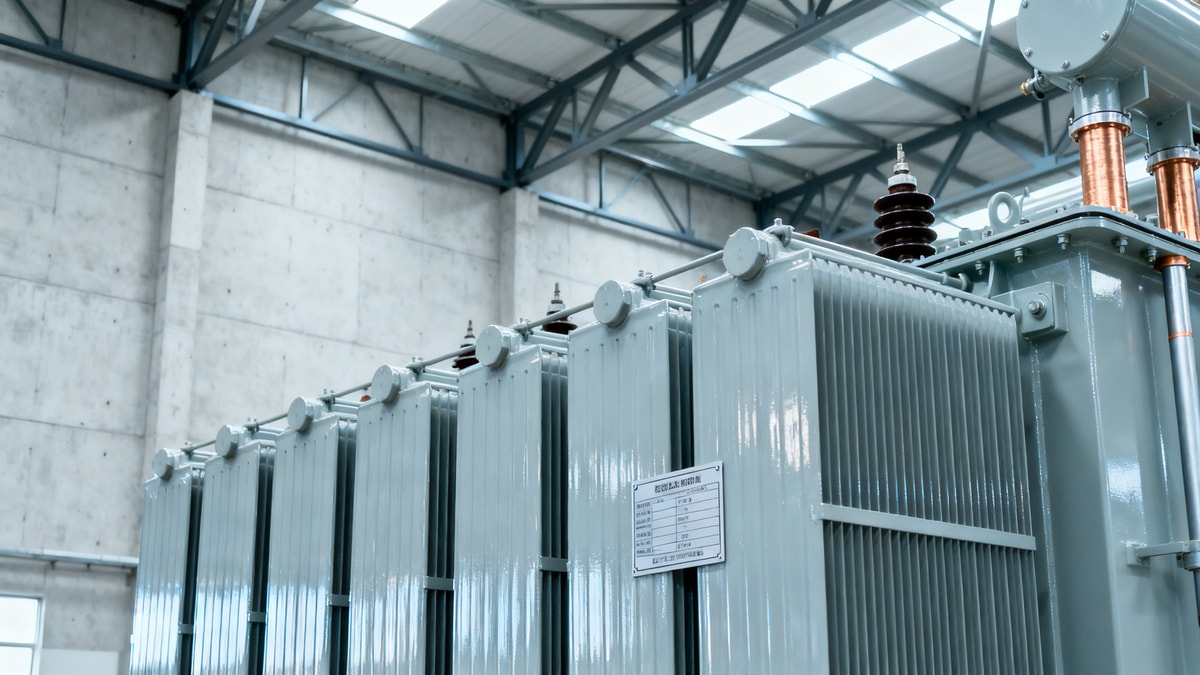
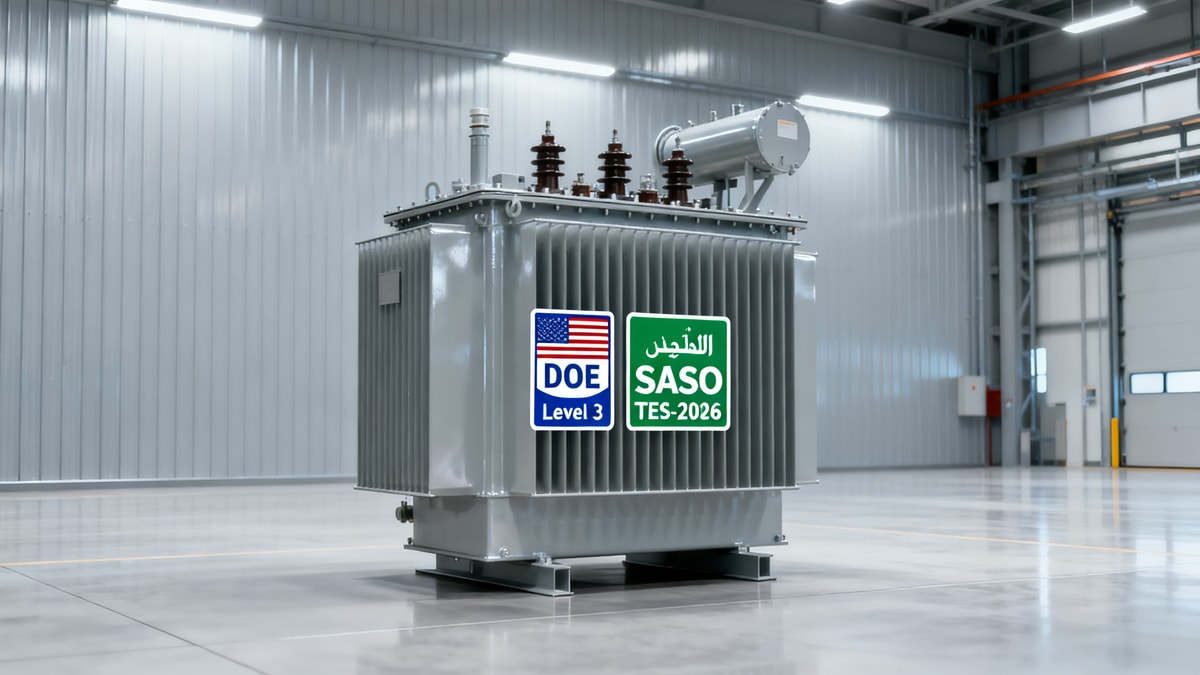
On May 4, 2026, the U.S. Department of Energy (DOE) confirmed the full enforcement of DOE Level 3 energy efficiency standards for industrial dry-type and liquid-immersed transformers, effective July 1, 2026, at 00:00 ET. This regulatory shift directly impacts manufacturers, exporters, material suppliers, and distributors engaged in the U.S. transformer supply chain — particularly those supplying to industrial power infrastructure, data centers, renewable integration systems, and commercial building electrification projects.
Event Overview
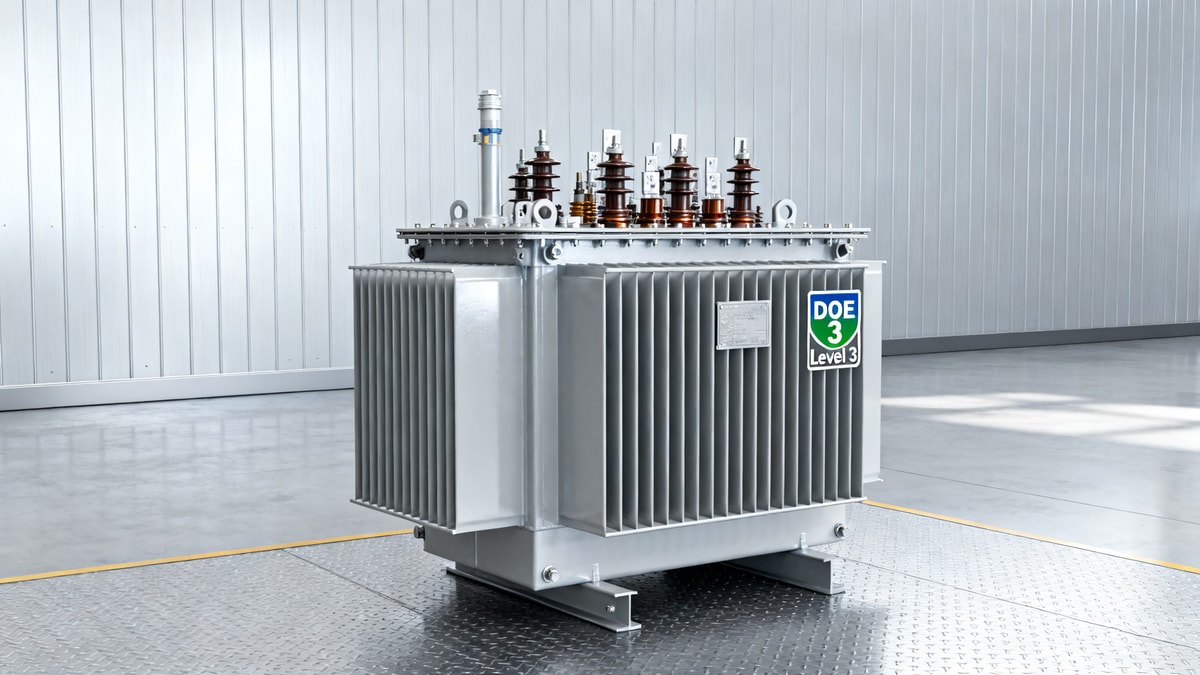
On May 4, 2026, the U.S. Department of Energy issued the 2026 Energy Efficiency Compliance Memorandum, formally confirming that the DOE Level 3 efficiency standard for industrial transformers (codified under 10 CFR Part 431, Subpart K) will become fully mandatory on July 1, 2026, at 00:00 ET. The rule applies uniformly to all models manufactured or imported into the United States, including both dry-type and liquid-immersed configurations. The standard mandates an 18% reduction in no-load losses and a 12% reduction in load losses compared to prior requirements.
Industries Affected by Segment
Direct Exporters and U.S.-Based Importers
These entities face immediate compliance risk: non-compliant units shipped after July 1, 2026, may be denied entry or subject to enforcement actions. Since Chinese manufacturers account for 81% of U.S. transformer imports, exporters from China — especially those without DOE-certified test reports or updated labeling — are exposed to customs delays, rework costs, or shipment rejection.
Raw Material Procurement Firms
The regulation drives demand shifts in core and winding materials. As noted in the DOE memo, affected manufacturers are accelerating copper–aluminum substitution and adopting amorphous alloy cores. Procurement firms supplying silicon steel, aluminum conductors, or amorphous metal ribbons must anticipate revised volume forecasts, tighter delivery windows, and increased technical validation requirements (e.g., magnetic loss certification).
Transformer Manufacturing Facilities
Manufacturers must validate design compliance across all rated kVA and voltage classes covered under Subpart K. This includes recalibrating thermal modeling, updating UL/ANSI Type Test protocols, and revising nameplate data. Facilities relying on legacy tooling or outsourced coil winding may face yield challenges during transition, especially for medium-voltage oil-immersed units where load-loss optimization is more complex.
Distribution and Channel Partners
Wholesalers and authorized distributors holding legacy inventory must verify whether existing stock qualifies for sale under pre-July 1 ‘grandfathering’ provisions (if any). Though the DOE memo does not specify inventory allowances, channel partners should treat all unsold units as potentially non-marketable post-enforcement unless accompanied by valid DOE-recognized certification documentation.
What Enterprises and Practitioners Should Focus On Now
Monitor official DOE guidance on enforcement scope and transitional provisions
The May 4 memorandum confirms timing and technical scope but does not clarify whether limited exceptions apply to pending orders, engineering-change orders, or field-retrofit scenarios. Stakeholders should track updates via the DOE’s Appliance and Equipment Standards Program portal and subscribe to Federal Register alerts for any supplemental notices.
Verify certification status for high-volume SKUs ahead of July 1
Manufacturers and importers should prioritize DOE-level verification for top-10 selling models by shipment volume and revenue. Certification requires third-party testing per IEEE C57.12.00 and C57.12.90, plus submission to the DOE’s Compliance Certification Management System (CCMS). Delays in CCMS registration may prevent timely listing on the DOE public database — a prerequisite for customs clearance.
Distinguish between regulatory signal and operational readiness
While the July 1 date is fixed, actual customs enforcement ramp-up may occur in phases. However, assuming phased implementation carries compliance risk. Practitioners should treat July 1 as the hard deadline for production cutoffs, shipping schedules, and documentation completeness — not merely a reporting milestone.
Update procurement contracts and supplier agreements with clear compliance clauses
Importers should revise purchase orders and supplier quality agreements to include explicit DOE Level 3 conformance warranties, indemnification for non-compliance, and rights to audit test reports. Contracts signed before May 4, 2026, may lack these terms; proactive amendment is recommended for open orders with delivery dates beyond June 30, 2026.
Editorial Perspective / Industry Observation
Observably, this is not a new policy proposal but the final activation of a multi-year rulemaking process — meaning the technical thresholds and compliance pathways are well-defined. Analysis shows the mandate functions less as a warning and more as an enforcement trigger: it reflects finalized test procedures, certified laboratories, and established enforcement protocols. From an industry perspective, the July 1 date signals the end of flexibility — not the start of negotiation. Current attention should therefore shift from ‘whether’ to ‘how fast and how completely’ stakeholders align their product portfolios, supply chains, and documentation systems.
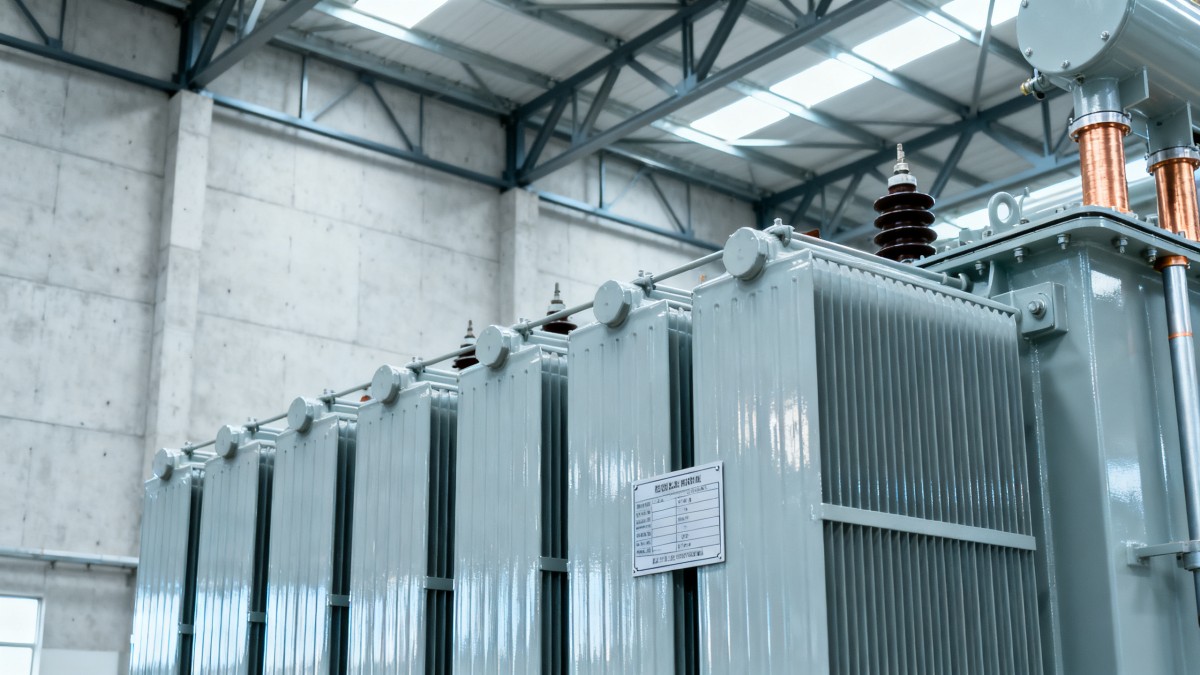
Conclusion: The DOE Level 3 transformer rule marks a definitive step in tightening U.S. industrial equipment efficiency governance. Its significance lies not in novelty but in enforceability: it converts long-anticipated technical benchmarks into binding commercial requirements. For affected stakeholders, this is best understood not as a future risk, but as an active compliance threshold now entering execution phase — one requiring verified documentation, validated designs, and coordinated supply-chain action before July 1, 2026.
Source: U.S. Department of Energy, 2026 Energy Efficiency Compliance Memorandum, issued May 4, 2026. Note: DOE’s public guidance on inventory grandfathering, enforcement timelines beyond July 1, and small-batch exemptions remains pending and requires ongoing monitoring.
Technical Specifications
- SASO Mandates Dual Energy Label for Industrial Transformers in Saudi Arabia from May 2026Author :Grid Infrastructure Analyst
- EN 61000-4-30:2026 Enforced: Class A Harmonic Traceability Mandatory for EU PQ AnalyzersAuthor :Precision Metrology Expert
- US DOE Level 3 Transformer Efficiency Standard Effective July 1, 2026Author :Grid Infrastructure Analyst
Expert Insights

Chief Security Architect
Dr. Thorne specializes in the intersection of structural engineering and digital resilience. He has advised three G7 governments on industrial infrastructure security.
Related Analysis
- May 06, 2026SASO Mandates Dual Energy Label for Industrial Transformers in Saudi Arabia from May 2026Author :Grid Infrastructure Analyst
- May 06, 2026EN 61000-4-30:2026 Enforced: Class A Harmonic Traceability Mandatory for EU PQ AnalyzersAuthor :Precision Metrology Expert
- May 06, 2026US DOE Level 3 Transformer Efficiency Standard Effective July 1, 2026Author :Grid Infrastructure Analyst
Core Sector // 01
Security & Safety
- SASO Mandates Dual Energy Label for Industrial Transformers in Saudi Arabia from May 2026Author :Grid Infrastructure Analyst

- US DOE Level 3 Transformer Efficiency Standard Effective July 1, 2026Author :Grid Infrastructure Analyst

- SASO Mandates Dual Energy Labels for Industrial Transformers in Saudi Arabia from May 2026Author :Grid Infrastructure Analyst

- US DOE Level 3 Transformer Efficiency Rule Takes Effect July 1, 2026Author :Grid Infrastructure Analyst

- How to assess an Electrical & Power manufacturer beyond catalog claimsAuthor :Grid Infrastructure Analyst

- How to request an Electrical & Power quotation without missing costsAuthor :Grid Infrastructure Analyst

- What to check before hiring EPC contractors for power plantsAuthor :Grid Infrastructure Analyst

- Engineering procurement process mistakes that delay plant deliveryAuthor :Grid Infrastructure Analyst