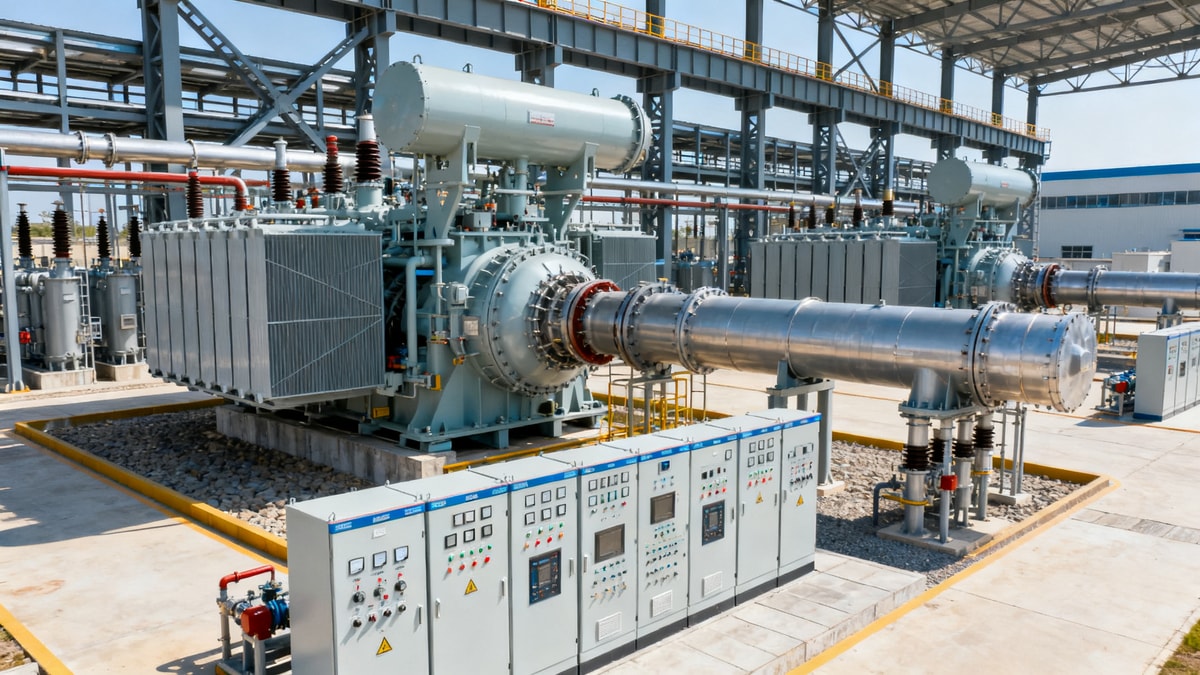
How to request an Electrical & Power quotation without missing costs
Author
Date Published
Reading Time
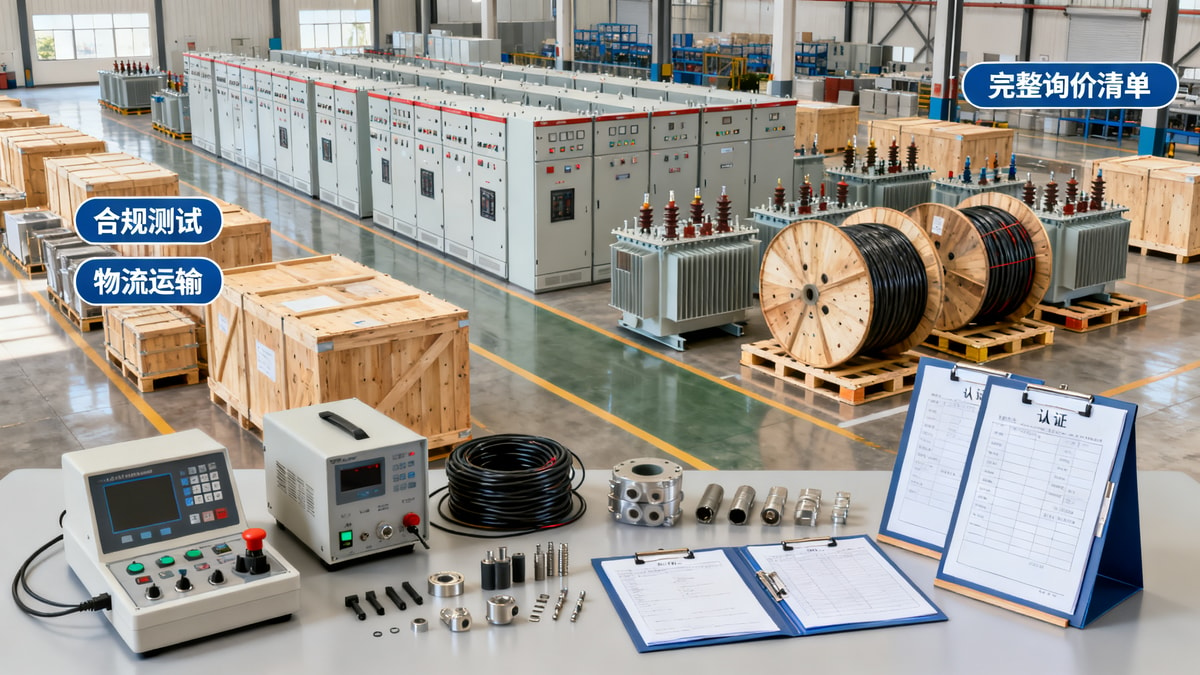
Requesting an Electrical & Power quotation sounds simple, but hidden compliance, shipping, testing, and installation costs can quickly inflate your budget. For procurement teams, a clear RFQ is the difference between a competitive bid and an expensive surprise. This guide shows you how to structure an Electrical & Power quotation request so suppliers respond with complete, comparable, and decision-ready pricing.
Why procurement teams should use a checklist before sending an Electrical & Power quotation request
In industrial sourcing, an Electrical & Power quotation is rarely just a price for equipment. It often includes technical scope, certifications, accessories, packing, freight terms, factory testing, commissioning support, warranty exposure, and after-sales response. If any of these items are unclear, suppliers will quote differently, and the lowest number may simply reflect missing scope rather than real savings.
A checklist-based RFQ process helps buyers compare suppliers on equal terms. It also reduces back-and-forth, shortens bid cycles, and improves cost visibility for internal approval. For EPC contractors, plant owners, and facility procurement teams, the real goal is not to collect many quotes. The goal is to obtain a complete Electrical & Power quotation that reflects lifecycle cost, compliance risk, and delivery reality.
Start with these must-confirm items before asking for pricing
Before you send any RFQ, confirm the commercial and technical baseline. This is the fastest way to avoid missing costs and incomparable offers.
- Application and operating environment: Specify whether the equipment will be used in a substation, plant utility room, process line, outdoor yard, offshore site, or hazardous area. Temperature, altitude, humidity, dust, salt spray, and vibration can all change material selection and enclosure design.
- Electrical ratings: State voltage, frequency, phase, load profile, fault level, insulation class, and short-circuit requirements. If these basics are missing, the supplier may assume a standard configuration that does not fit your site.
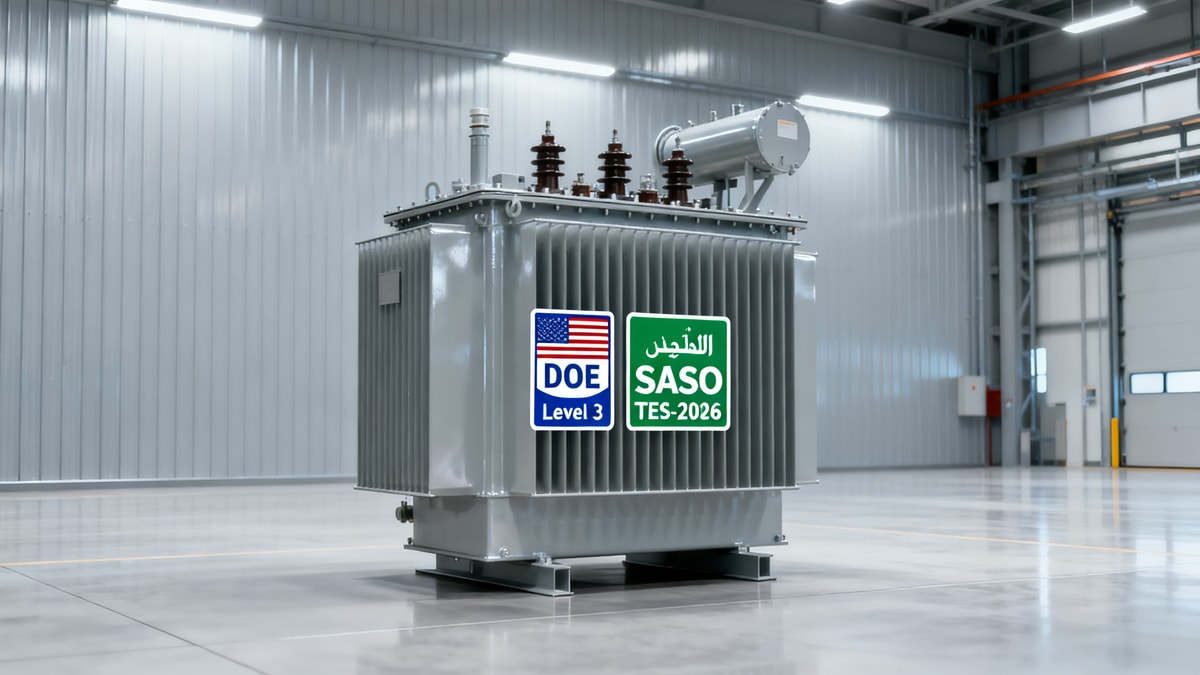
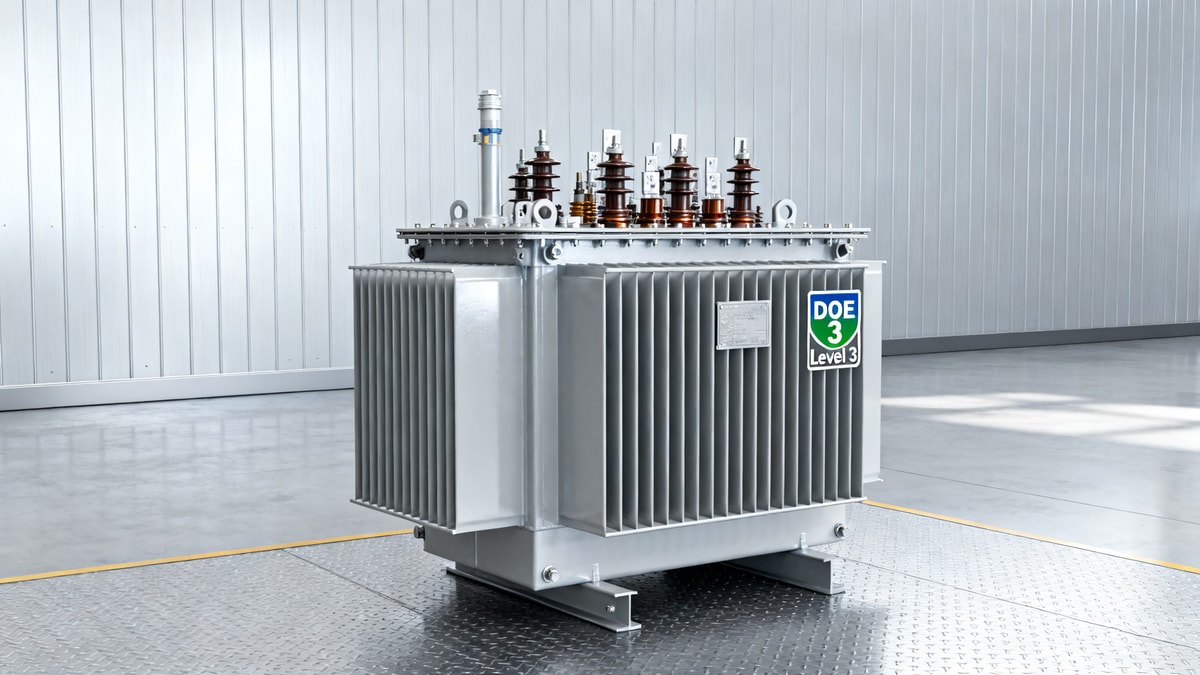
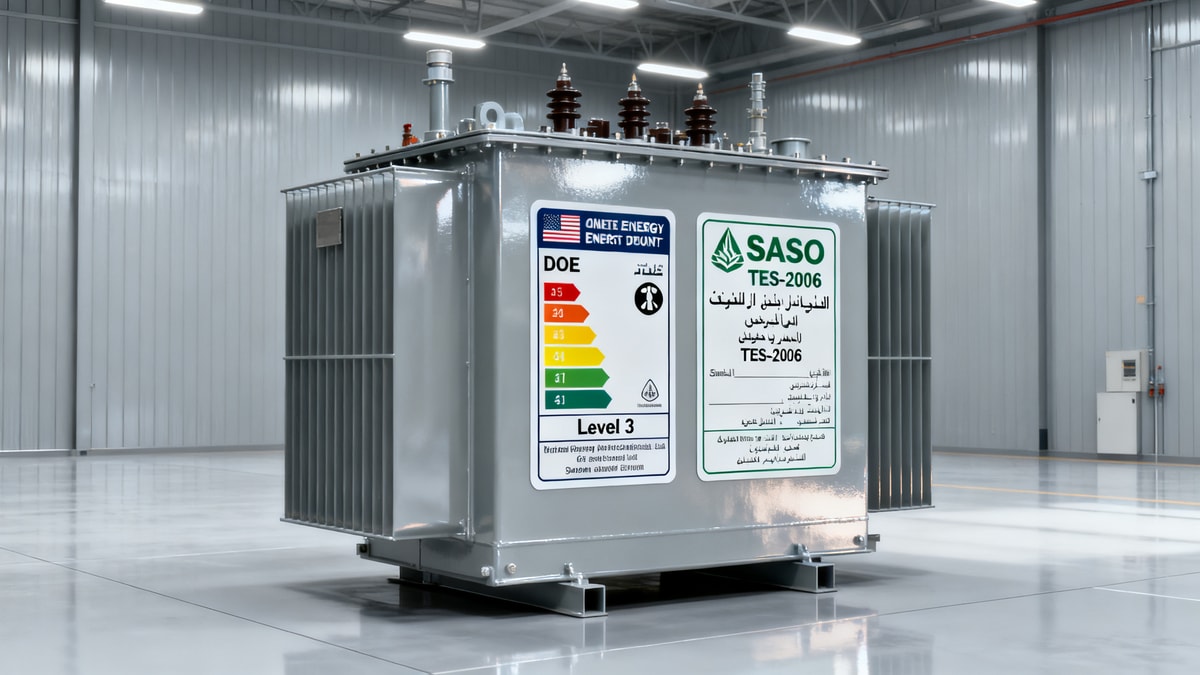
- Applicable standards: Identify whether compliance must align with IEC, IEEE, NEC, UL, CE, ISO, or local utility rules. Certification gaps are one of the most common reasons for re-quotation and cost escalation.
- Scope boundary: Clarify what is included in the Electrical & Power quotation: main equipment only, or also cables, glands, termination kits, mounting hardware, control panels, relays, software, and documentation.
- Delivery terms: Ask for Incoterms, export packing, insurance assumptions, lead time, and destination constraints. A low ex-works price may become expensive once logistics and site handling are added.
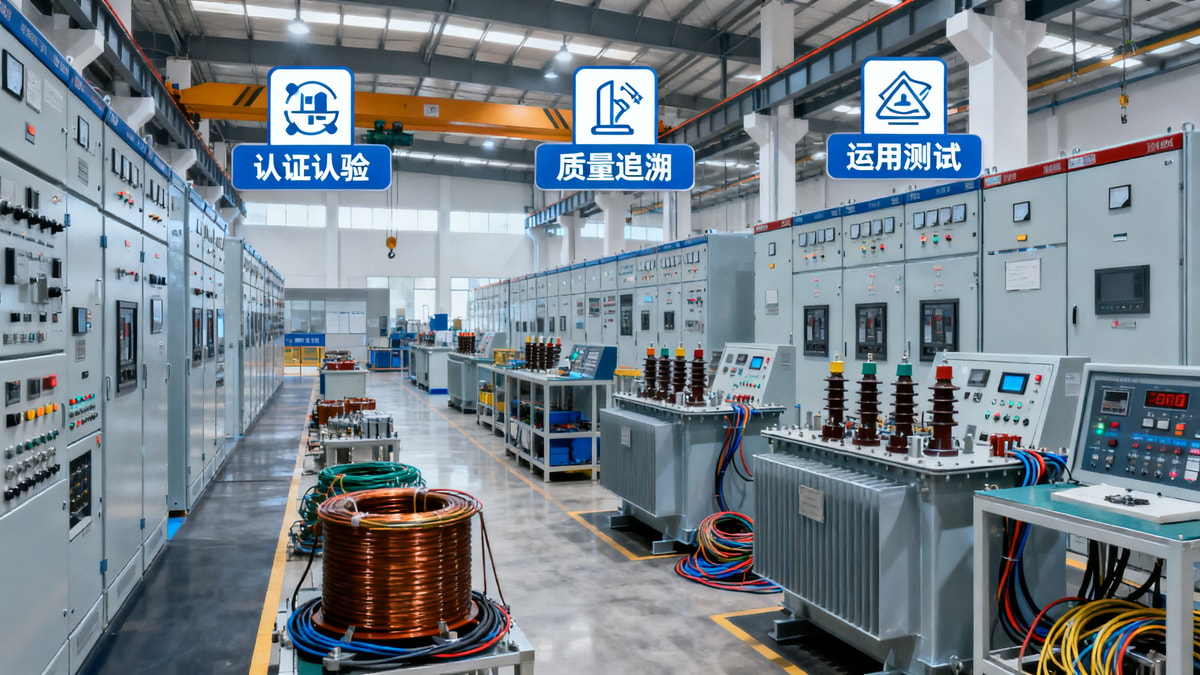
- Testing requirements: State whether you need routine tests, type tests, FAT, SAT, third-party witness, calibration certificates, or material traceability records.
- Service expectations: Define whether installation supervision, commissioning support, operator training, spare parts, and emergency response are required.
When these seven items are clear, your Electrical & Power quotation request becomes easier to price accurately and easier to compare internally.
The core RFQ checklist for a complete Electrical & Power quotation
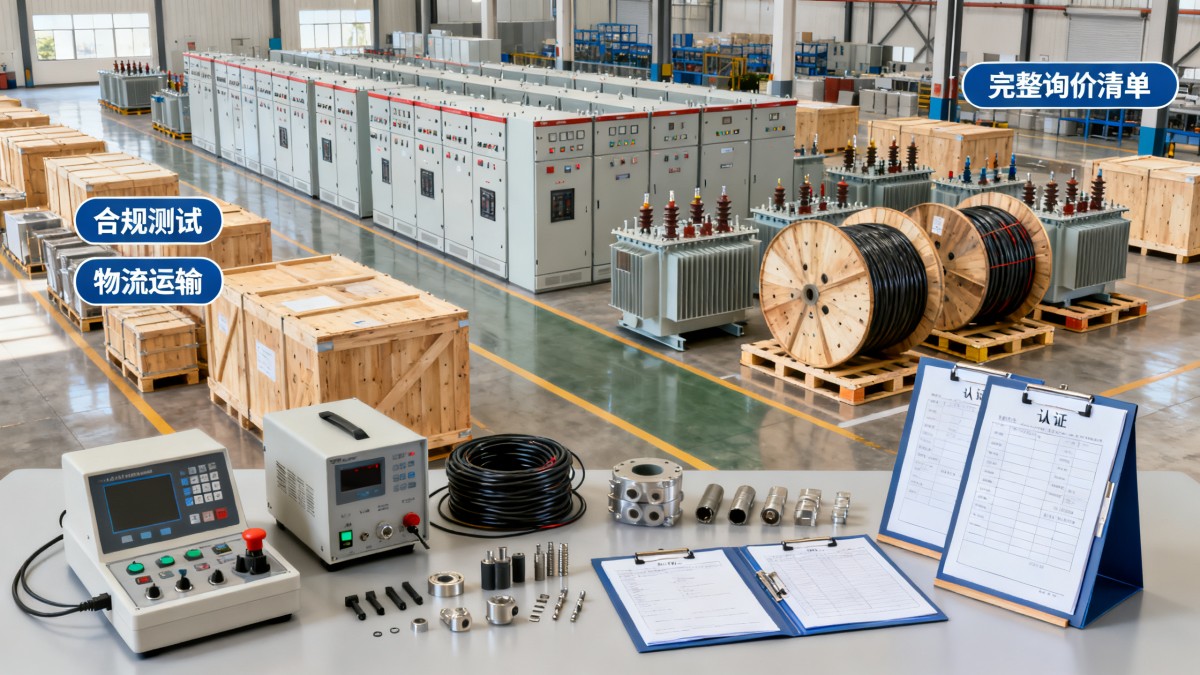
Use the following checklist as the minimum structure in your RFQ package. It is practical for transformers, switchgear, UPS systems, generators, power distribution panels, cable systems, protection relays, and industrial electrical assemblies.
- Project information: Project name, end user, installation country, site conditions, required delivery date, and commercial priority such as cost, speed, compliance, or reliability.
- Detailed technical specification: Data sheets, single-line diagrams, load lists, GA drawings, protection philosophy, cable schedule references, and control logic notes.
- Bill of quantity format: Require line-by-line pricing for main equipment, accessories, testing, documents, optional items, and spare parts so hidden costs cannot be buried in one lump sum.
- Compliance declaration: Ask suppliers to state exactly which standards are met and to identify any deviation in a formal exceptions list.
- Manufacturing and origin data: Country of origin, factory location, major component brands, and critical subcontracted items. This matters for trade compliance, maintenance planning, and client approvals.
- Documentation package: Include requirements for manuals, drawings, wiring diagrams, test reports, certificates, nameplate details, and digital file formats.
- Quality and inspection: Inspection hold points, ITP requirements, witness procedures, nonconformance handling, and final release conditions.
- Commercial breakdown: Unit price, total price, tooling charges, engineering charges, packaging, inland freight, export documentation, taxes, duties assumptions, and validity period.
- After-sales support: Warranty term, response time, technical support channels, spare part availability, and recommended maintenance intervals.
What hidden costs should be explicitly requested in an Electrical & Power quotation
Many budgets fail not because the quoted equipment price was wrong, but because surrounding costs were ignored. Procurement teams should force visibility by asking each supplier to separate the following items.
A reliable Electrical & Power quotation should identify whether these items are included, excluded, or optional. If the quote does not state that clearly, assume risk remains with the buyer.
How requirements change by procurement scenario
Not every RFQ should look the same. The structure of your Electrical & Power quotation request should reflect the operating scenario.
For EPC projects
EPC buyers usually need strict document control, milestone scheduling, approval drawing cycles, and liquidated damages awareness. In this case, ask for engineering hours, document submission schedule, interface responsibilities, and change-order pricing logic.
For plant maintenance and replacement
For brownfield sites, compatibility matters more than headline price. Request dimensional matching, retrofit scope, shutdown duration, cable entry compatibility, relay setting migration, and spare part interchangeability with installed assets.
For global sourcing across regions
If you source internationally, ask about language of documents, destination-country certification, tariff code, export control concerns, and local service coverage. A technically good supplier can still be a weak fit if support and compliance are not aligned with the final market.
Common mistakes that make Electrical & Power quotation comparisons unreliable
These issues appear repeatedly in procurement reviews and often lead to delayed award decisions.
- Using a vague item description: “power panel” or “transformer package” is not enough. General wording invites assumption-based pricing.
- Failing to require an exclusions list: Suppliers may leave out cable accessories, software licenses, or testing if they are not forced to declare omissions.
- Comparing different delivery bases: One quote may be EXW, another FOB, and another DDP. Unless normalized, the comparison is misleading.
- Ignoring lead-time assumptions: Some suppliers quote based on standard stock, while others price engineered-to-order scope. The cheaper quote may not meet the schedule.
- Not checking deviations: A supplier may quote a different enclosure rating, breaker brand, conductor material, or test level than requested.
- Overlooking installation impact: Site modification, civil work, lifting constraints, and shutdown planning can create major indirect costs outside the equipment line item.
A practical format buyers can use in an Electrical & Power quotation request
If you want fast and comparable responses, request suppliers to reply in a structured format rather than free-form proposals. A practical response template should ask for:
- Quoted scope summary
- Line-item commercial breakdown
- Compliance matrix against RFQ requirements
- Exceptions and deviations list
- Lead time by milestone
- Testing and inspection plan
- Packing and shipping terms
- Warranty and after-sales conditions
- Optional items and recommended spares
This approach improves your Electrical & Power quotation review process because commercial, technical, and risk differences become visible immediately.
Execution tips to reduce cycle time and budget surprises
A strong RFQ is only part of the process. Procurement performance also depends on how you manage supplier clarification and internal alignment.
First, issue the same document set to all bidders at the same time. Second, centralize clarification responses so every supplier prices the same updated information. Third, evaluate quotes with a bid comparison sheet that includes compliance, lead time, warranty, logistics, and service support, not just total price. Fourth, involve engineering early when deviations affect safety, maintainability, or utility acceptance. Finally, preserve an approval record of all assumptions that shaped the final award.
FAQ: quick answers buyers often need
How detailed should an Electrical & Power quotation request be?
Detailed enough that suppliers do not need to guess ratings, standards, scope limits, or service expectations. Ambiguity always increases pricing risk.
Should I ask for optional pricing?
Yes. Optional pricing for spares, upgraded protection, enhanced enclosure ratings, or extended warranty helps budget planning and reduces future negotiation time.
What is the biggest source of hidden cost?
Usually a combination of compliance, testing, logistics, and site services. These items are frequently assumed rather than clearly quoted.
Final checklist before you send the RFQ
Before issuing your next Electrical & Power quotation request, confirm that your package includes technical data sheets, scope boundaries, standards, testing requirements, delivery terms, documentation expectations, commercial breakdown rules, and a mandatory deviations list. If any of these are missing, quote quality will drop and award risk will rise.
If you need to move from rough inquiry to decision-ready sourcing, prioritize discussion around operating conditions, compliance obligations, interface scope, timeline constraints, and lifecycle support. Those five topics usually determine whether an Electrical & Power quotation becomes a dependable procurement tool or a source of downstream cost exposure.
Technical Specifications
- SASO Mandates Dual Energy Label for Industrial Transformers in Saudi Arabia from May 2026Author :Grid Infrastructure Analyst
- EN 61000-4-30:2026 Enforced: Class A Harmonic Traceability Mandatory for EU PQ AnalyzersAuthor :Precision Metrology Expert
- US DOE Level 3 Transformer Efficiency Standard Effective July 1, 2026Author :Grid Infrastructure Analyst
Expert Insights

Chief Security Architect
Dr. Thorne specializes in the intersection of structural engineering and digital resilience. He has advised three G7 governments on industrial infrastructure security.
Related Analysis
- May 06, 2026SASO Mandates Dual Energy Label for Industrial Transformers in Saudi Arabia from May 2026Author :Grid Infrastructure Analyst
- May 06, 2026EN 61000-4-30:2026 Enforced: Class A Harmonic Traceability Mandatory for EU PQ AnalyzersAuthor :Precision Metrology Expert
- May 06, 2026US DOE Level 3 Transformer Efficiency Standard Effective July 1, 2026Author :Grid Infrastructure Analyst
Core Sector // 01
Security & Safety
- SASO Mandates Dual Energy Label for Industrial Transformers in Saudi Arabia from May 2026Author :Grid Infrastructure Analyst

- US DOE Level 3 Transformer Efficiency Standard Effective July 1, 2026Author :Grid Infrastructure Analyst

- SASO Mandates Dual Energy Labels for Industrial Transformers in Saudi Arabia from May 2026Author :Grid Infrastructure Analyst

- US DOE Level 3 Transformer Efficiency Rule Takes Effect July 1, 2026Author :Grid Infrastructure Analyst

- How to assess an Electrical & Power manufacturer beyond catalog claimsAuthor :Grid Infrastructure Analyst

- How to request an Electrical & Power quotation without missing costsAuthor :Grid Infrastructure Analyst

- What to check before hiring EPC contractors for power plantsAuthor :Grid Infrastructure Analyst

- Engineering procurement process mistakes that delay plant deliveryAuthor :Grid Infrastructure Analyst