US DOE Industrial Transformer Efficiency Rule Effective Oct 2026
Author
Date Published
Reading Time
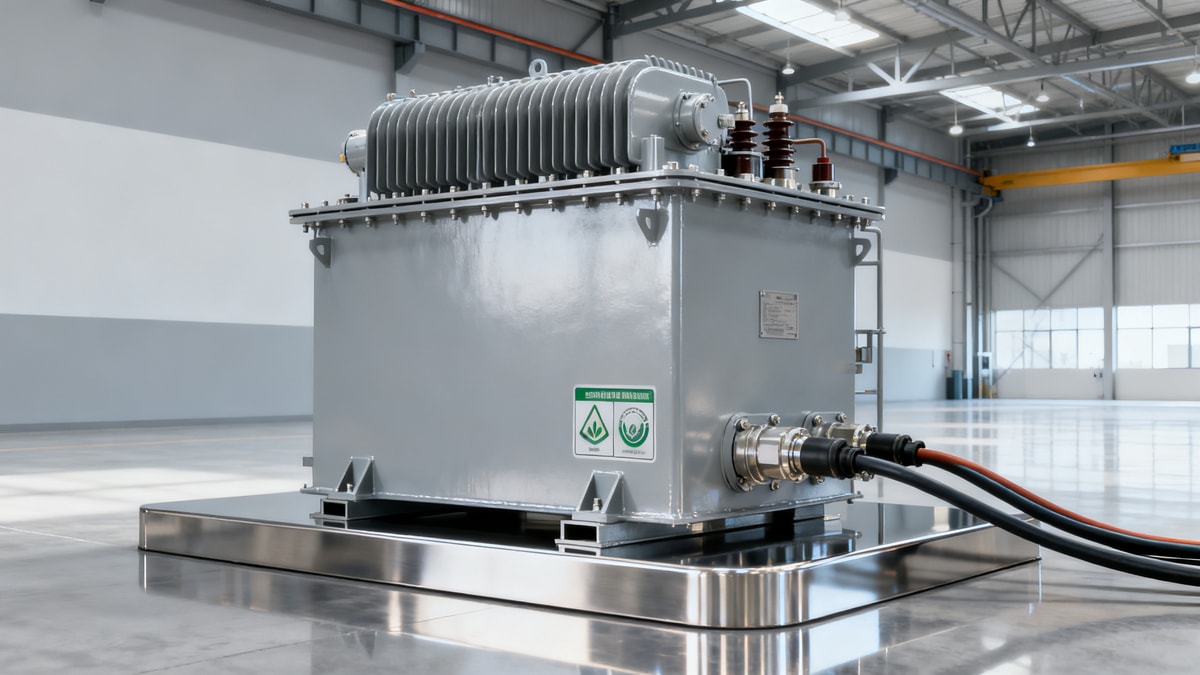
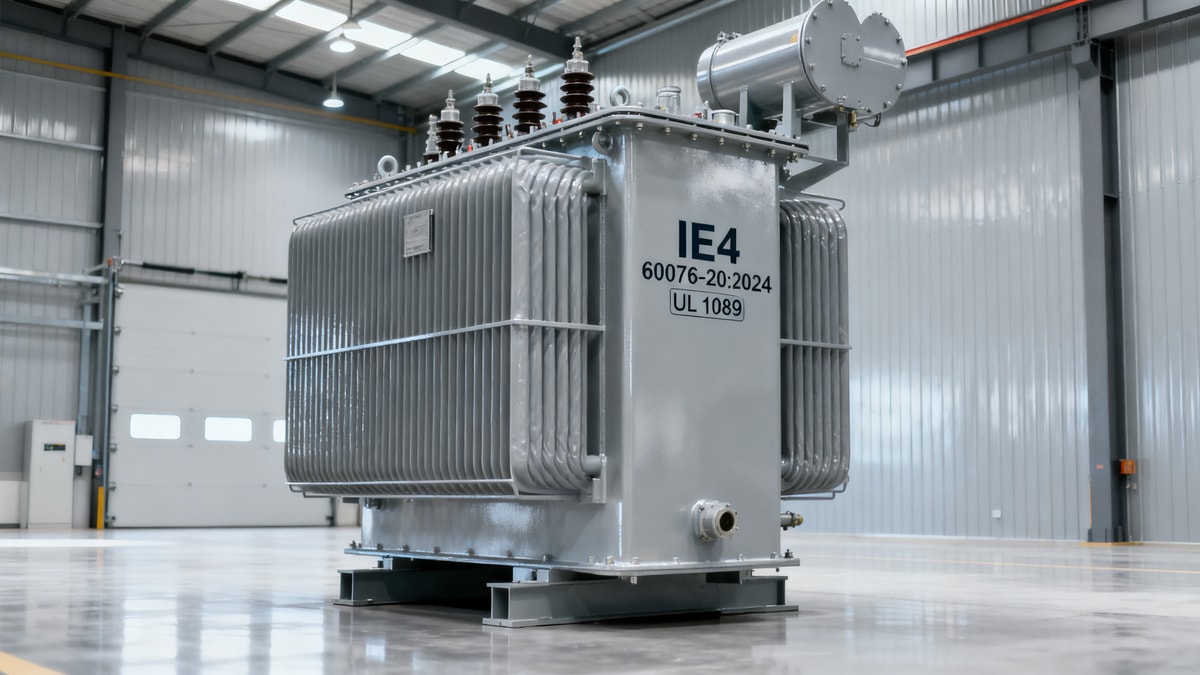
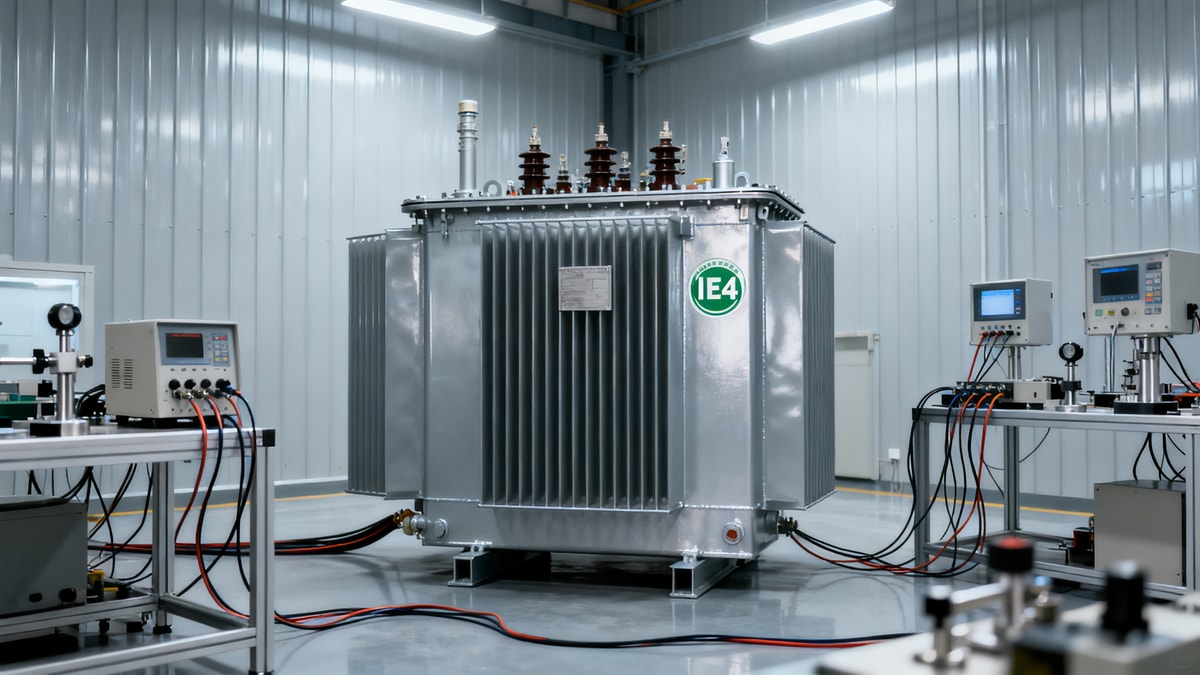
Starting 1 October 2026, all dry-type and liquid-immersed industrial power transformers (10–2500 kVA) imported into the United States must comply with the U.S. Department of Energy’s (DOE) Level 3 energy efficiency standards—marking a mandatory upgrade from Level 2. This rule directly affects exporters, manufacturers, and supply chain stakeholders in the electrical equipment sector, particularly those engaged in U.S.-bound trade of industrial transformers.
Event Overview
The U.S. Department of Energy published its final rule (10 CFR Part 431) on 1 May 2026. The regulation mandates that, effective 1 October 2026, all covered industrial transformers imported into the U.S. meet DOE Level 3 minimum efficiency requirements—including a 12% reduction in no-load losses compared to Level 2. Chinese exporters must complete DOE registration and update energy label documentation by Q3 2026.
Industries Affected by Segment
Direct Exporters (U.S.-bound)
Exporters shipping industrial transformers to the U.S. face immediate compliance obligations. Non-compliant units risk customs rejection or shipment delays after 1 October 2026. Impact manifests in product certification timelines, labeling updates, and potential re-engineering of legacy models to meet revised no-load loss limits.
Manufacturers (OEM/ODM)
Manufacturers producing for export—especially those supplying transformers in the 10–2500 kVA range—must verify design alignment with Level 3 metrics. Impact includes revised testing protocols, updated technical documentation, and possible adjustments to core material selection or winding configurations to achieve lower no-load losses.
Supply Chain & Logistics Providers
Third-party logistics firms, customs brokers, and certification support services will see increased demand for DOE-specific documentation review and label verification. Impact centers on heightened scrutiny of import declarations, energy label validation, and coordination with DOE-registered entities prior to U.S. entry.
Key Actions for Enterprises and Practitioners
Monitor official DOE guidance and registration updates
The DOE’s Equipment Registration System and associated labeling templates remain subject to minor procedural clarifications. Enterprises should track DOE announcements through the official Regulations.gov docket (EERE–2023–BT–STD–0019) and confirm registration status before Q3 2026.
Verify coverage scope and model-level compliance
Only transformers rated 10–2500 kVA and classified as ‘industrial’ under 10 CFR Part 431 are subject to Level 3. Companies should cross-check product classifications—not just nameplate kVA—to avoid misapplication of the rule to distribution or utility-grade units.
Distinguish policy timing from operational readiness
While the rule takes effect 1 October 2026, compliance preparation—including third-party testing, label redesign, and DOE registration—must be completed earlier. Shipment scheduling, especially for ocean freight with long lead times, requires alignment with Q3 2026 deadlines to avoid clearance bottlenecks.
Update internal documentation and supplier communications
Exporters should revise technical datasheets, declaration forms, and commercial invoices to reflect DOE Level 3 compliance. Coordination with upstream suppliers—e.g., core laminators or insulating material vendors—is advised where performance changes affect loss characteristics.
Editorial Observation / Industry Perspective
Observably, this rule signals a tightening of federal energy enforcement in industrial equipment—not a one-off adjustment. Analysis shows it reflects DOE’s broader trend toward harmonizing efficiency standards across transformer categories, with Level 3 serving as both a technical benchmark and a de facto market gatekeeper for U.S. imports. From an industry perspective, the 12% no-load loss reduction is achievable but not trivial; it implies measurable shifts in material cost and test validation cycles. Current implementation timing suggests the rule functions less as an immediate disruption and more as a structured transition point—where early alignment confers logistical and reputational advantage over reactive compliance.
Concluding, this regulation establishes a clear, date-bound efficiency threshold for industrial transformers entering the U.S. market. It does not introduce new technology mandates, nor does it revise definitions of covered equipment—but it does enforce stricter loss-based metrics across a well-defined kVA range. For stakeholders, the event is best understood not as a sudden regulatory shock, but as a calibrated step in the ongoing alignment of international export practices with U.S. federal energy policy.
Source: U.S. Department of Energy, Final Rule: Energy Conservation Standards for Industrial Transformers, published 1 May 2026, effective 1 October 2026 (10 CFR Part 431). Docket EERE–2023–BT–STD–0019. Regulatory updates and registration portal accessible via Regulations.gov.
Note: Ongoing monitoring is recommended for any supplemental guidance issued by DOE prior to Q3 2026.
Technical Specifications
- US DOE Industrial Transformer Efficiency Rule Effective Oct 2026Author :Grid Infrastructure Analyst
- Indonesia BPOM Launches AI Filter Life Algorithm ReviewAuthor :Environmental Engineering Director
- Global Industrial Waste Shredder Lead Times Extend to 22 WeeksAuthor :Environmental Engineering Director
Expert Insights

Chief Security Architect
Dr. Thorne specializes in the intersection of structural engineering and digital resilience. He has advised three G7 governments on industrial infrastructure security.
Related Analysis
- May 04, 2026US DOE Industrial Transformer Efficiency Rule Effective Oct 2026Author :Grid Infrastructure Analyst
- May 04, 2026Indonesia BPOM Launches AI Filter Life Algorithm ReviewAuthor :Environmental Engineering Director
- May 04, 2026Global Industrial Waste Shredder Lead Times Extend to 22 WeeksAuthor :Environmental Engineering Director
Core Sector // 01
Security & Safety
- US DOE Industrial Transformer Efficiency Rule Effective Oct 2026Author :Grid Infrastructure Analyst

- Power distribution solutions that reduce overload complaintsAuthor :Grid Infrastructure Analyst

- What should an Electrical & Power quotation really include?Author :Grid Infrastructure Analyst

- How to compare an Electrical & Power manufacturerAuthor :Grid Infrastructure Analyst

- EN 61800-5-2:2026 Effective May 2026: SIL2 Certification Required for EU Industrial DrivesAuthor :Grid Infrastructure Analyst

- When Is a Step Down Transformer the Wrong Choice?Author :Grid Infrastructure Analyst

- US DOE IE4 Rule for Dry-Type Transformers Takes Effect May 1, 2026Author :Grid Infrastructure Analyst

- DOE Raises Industrial Dry-Type Transformer Efficiency to IE4Author :Grid Infrastructure Analyst