Why Magnetic Contactors Fail Early
Author
Date Published
Reading Time
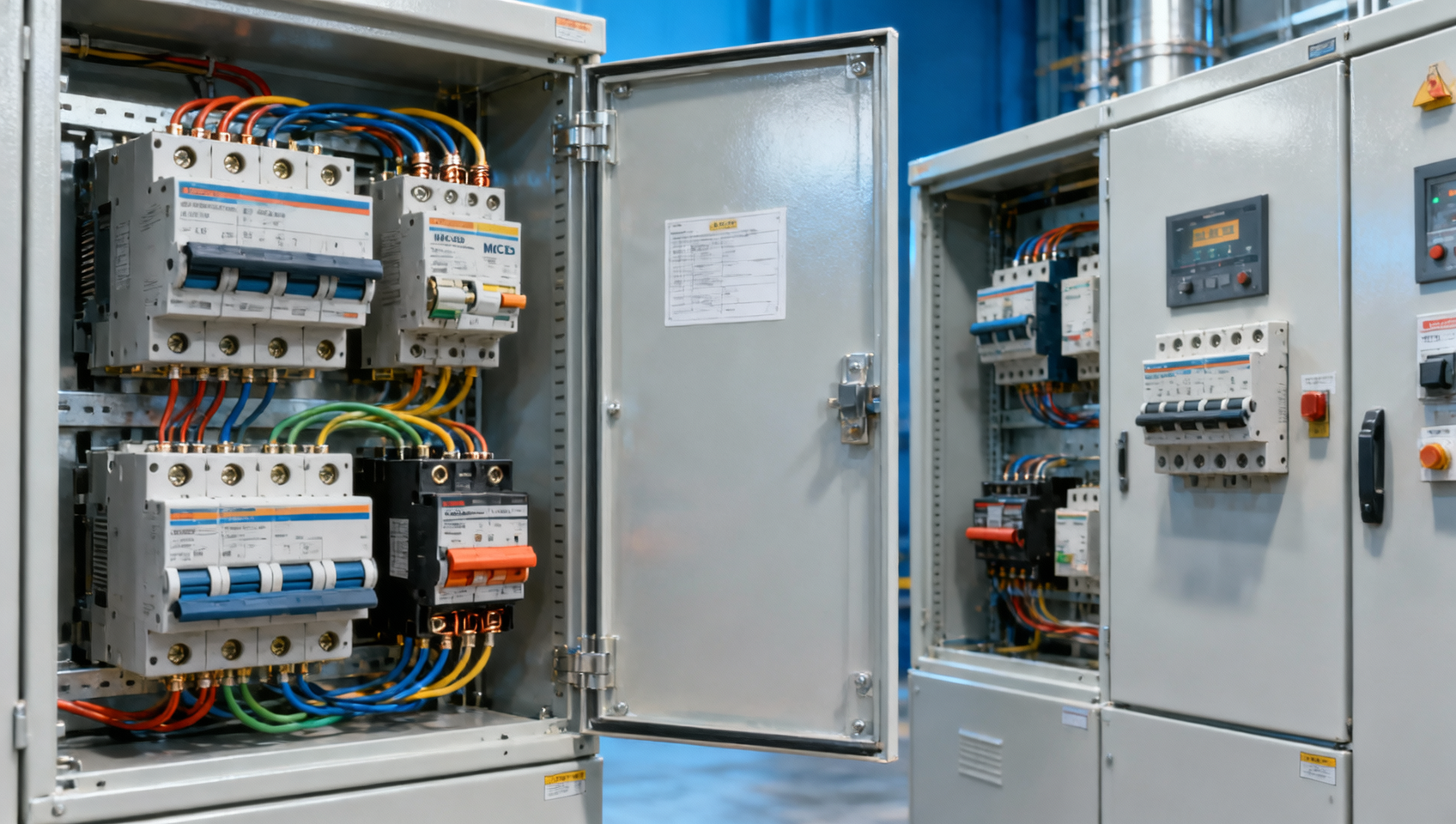
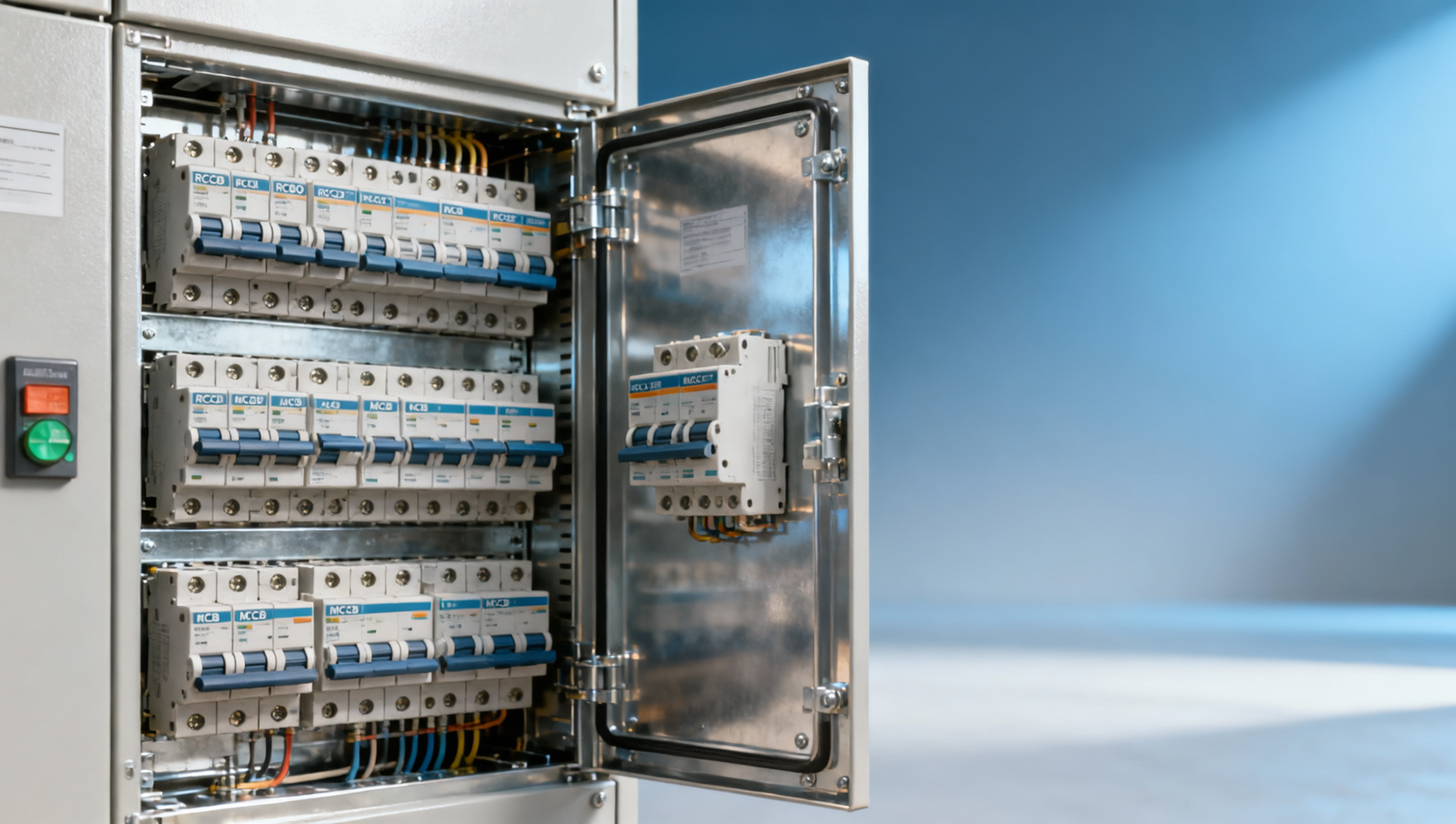
Magnetic contactors rarely fail without warning. Early breakdowns often trace back to coil overheating, poor installation, voltage imbalance, contamination, or mismatched protection such as thermal overload relays, miniature circuit breaker MCB, molded case circuit breaker MCCB, and earth leakage circuit breaker. This guide explains the real causes, warning signs, and procurement considerations behind wholesale magnetic contactors failure so operators, buyers, and decision-makers can improve uptime and avoid costly electrical disruptions.
Why do magnetic contactors fail early in industrial systems?
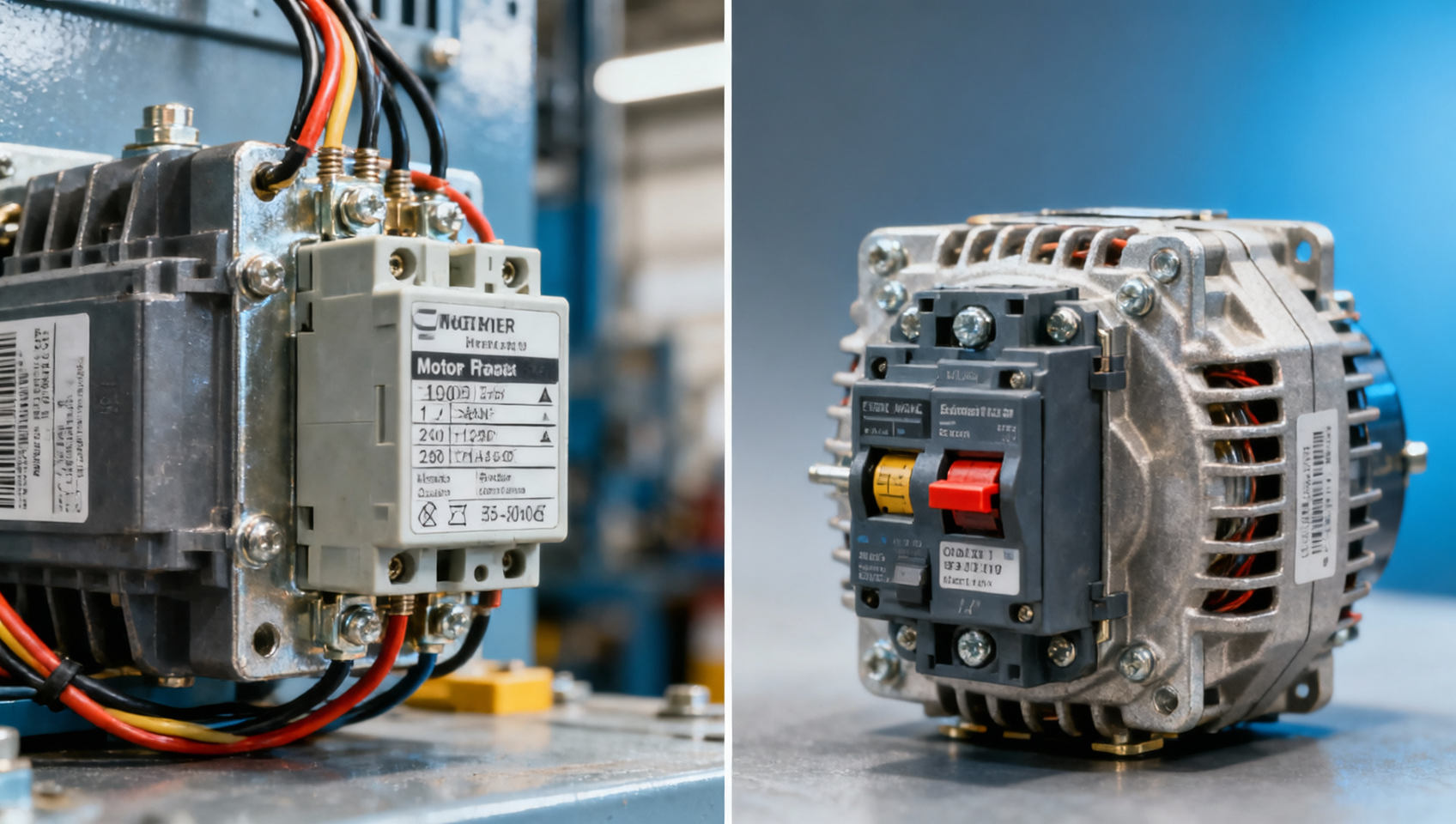
In most facilities, a magnetic contactor is expected to switch motors, pumps, compressors, fans, and resistive loads thousands of times over its service life. When a unit fails within a few weeks, 3–6 months, or well before the planned maintenance interval, the contactor itself is often blamed first. In reality, early failure usually comes from a mismatch between electrical duty, environmental conditions, installation quality, and protective coordination.
For operators, the pain is downtime and nuisance stoppage. For procurement teams, the pain is repeat replacement cost and uncertainty over whether the root cause is product quality or system design. For plant managers and EPC teams, the concern is larger: a failed magnetic contactor can cascade into motor overheating, production interruption, and avoidable maintenance labor across multiple assets in the same control panel.
In heavy industry and mixed industrial environments, contactors are rarely working in ideal laboratory conditions. They may be exposed to ambient temperatures above 40°C, repeated starts every few minutes, dust ingress, vibration, harmonic distortion, or unstable control voltage. Under these conditions, even a correctly rated component can age prematurely if the enclosure, relay settings, or upstream breaker selection are not aligned with the actual application.
A practical failure analysis should separate four dimensions: coil stress, contact wear, mechanical wear, and system protection mismatch. That structure matters because the corrective action is different in each case. Replacing the contactor without correcting control voltage instability or overload relay setting only repeats the same failure cycle.
The four failure paths that matter most
- Coil-related failure: overheating, insulation breakdown, humming caused by undervoltage, and burnout from overvoltage or incorrect coil frequency.
- Contact-related failure: pitting, welding, carbon buildup, and excessive temperature rise under high inrush or poor load category matching.
- Mechanical failure: weak return springs, armature sticking, misalignment, or wear after excessive switching cycles and vibration.
- Protection and system mismatch: overload relay, MCB, MCCB, or earth leakage device selected without considering motor starting current, fault discrimination, and control circuit behavior.
When these dimensions are reviewed together, failure patterns become easier to diagnose. A burnt coil points to supply or environment issues. Welded contacts point to load stress and switching duty. Frequent nuisance trips point to incorrect protective coordination. This is why magnetic contactors should be evaluated as part of a switching system, not as isolated catalog items.
Which warning signs appear before a contactor breaks down?
Most early magnetic contactors failure events are preceded by visible or audible symptoms. Operators who know what to look for can intervene during a routine inspection instead of after an unplanned shutdown. In many plants, a 5-minute panel check once per shift or once per week can prevent a much longer stoppage later.
The first sign is often abnormal sound. A healthy contactor produces a consistent pickup and holding sound. A loud hum, chatter, or intermittent drop-out suggests the coil is not receiving stable voltage, the armature face is dirty, or the shading ring and mechanical assembly are no longer operating correctly. If this condition continues for even several days under frequent duty, coil temperature rises quickly.
The second sign is heat. Hot terminals, discolored insulation, or a panel hotspot detected by infrared inspection indicate resistance at the terminals, overload on the contacts, or inadequate enclosure ventilation. In motor control centers, thermal problems can accumulate when contactors are mounted too closely with insufficient spacing for heat dissipation during repeated start-stop cycles.
The third sign is inconsistent operation under load. The contactor may pull in normally during no-load testing but fail when the motor starts. That usually points to voltage dip, excessive inrush, worn contacts, or improper coordination between the contactor and thermal overload relay. For procurement teams reviewing warranty claims, this distinction is important because “works unloaded, fails loaded” is usually a system-duty issue, not just a manufacturing defect.
Field symptoms and likely root causes
The table below helps maintenance, purchasing, and engineering teams connect visible symptoms with probable causes and first-response actions. It is especially useful during incoming inspections, failure reviews, and spare part standardization across multiple sites.
A table like this is not a substitute for testing, but it shortens diagnosis time. In many plants, moving from symptom guessing to a 3-step check of voltage, load duty, and protection coordination is enough to reduce repeat contactor replacement and improve spare part accuracy.
What operators should inspect first
- Check control voltage at pickup and during holding. A reading that looks correct at rest may drop significantly when the load starts.
- Inspect terminal torque, cable condition, and discoloration at least every 1–3 months in high-duty panels.
- Review switching frequency. A contactor used for rapid cycling every few seconds may require a different solution or duty rating.
- Open the panel and assess dust, oil mist, moisture, and vibration exposure before ordering replacement parts.
These checks are inexpensive and actionable. They also generate better information for procurement teams, who need more than a simple statement that the old unit “burned out” before approving replacement or changing suppliers.
How installation and protection mismatch shorten service life
A large share of wholesale magnetic contactors failure cases come from the way the device is installed and protected rather than from the contactor body alone. This is common in retrofits, mixed-brand panels, emergency maintenance replacements, and projects where the load profile changed after commissioning. A contactor selected for one motor duty may be left in place after process expansion, causing early wear.
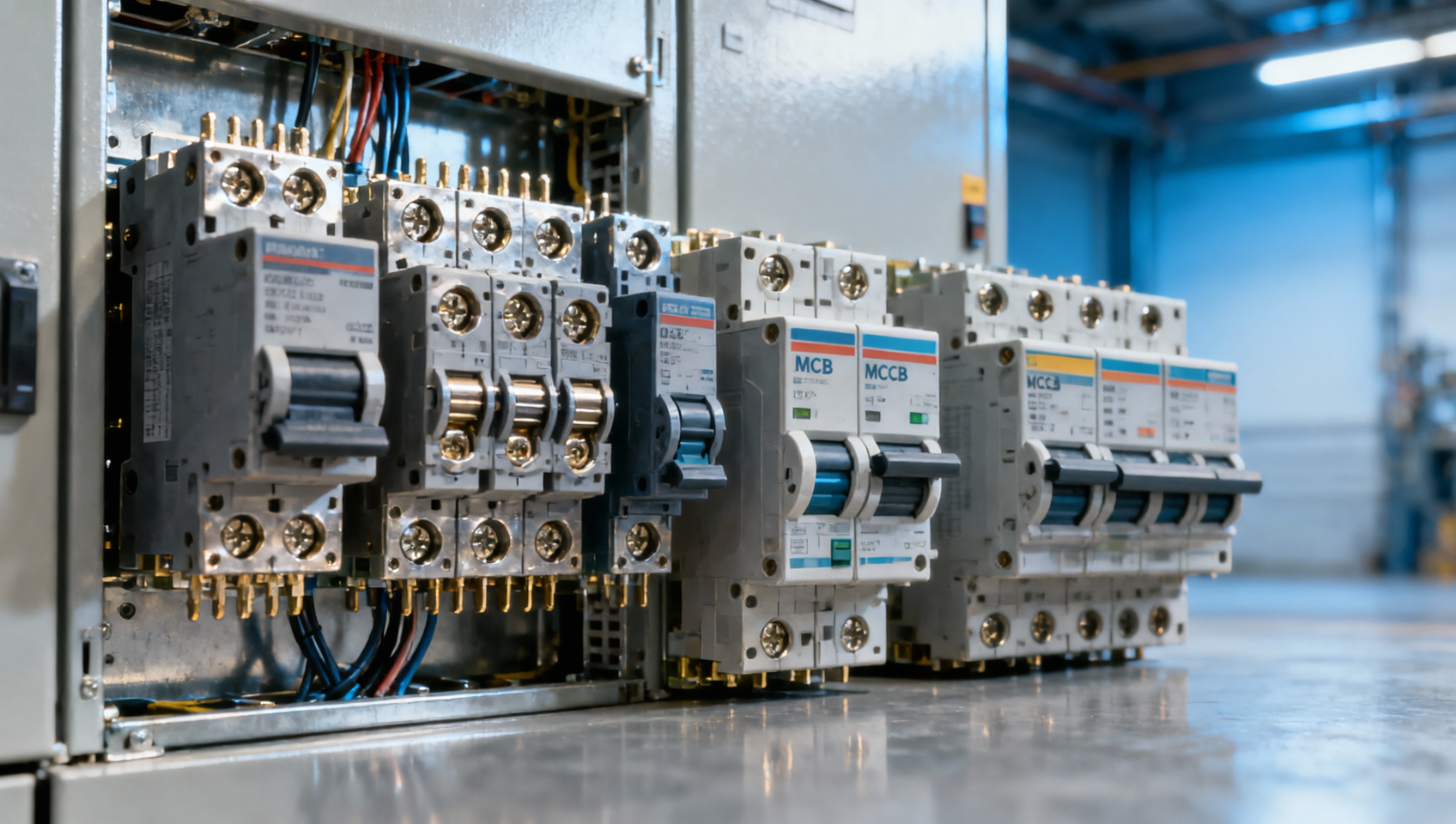
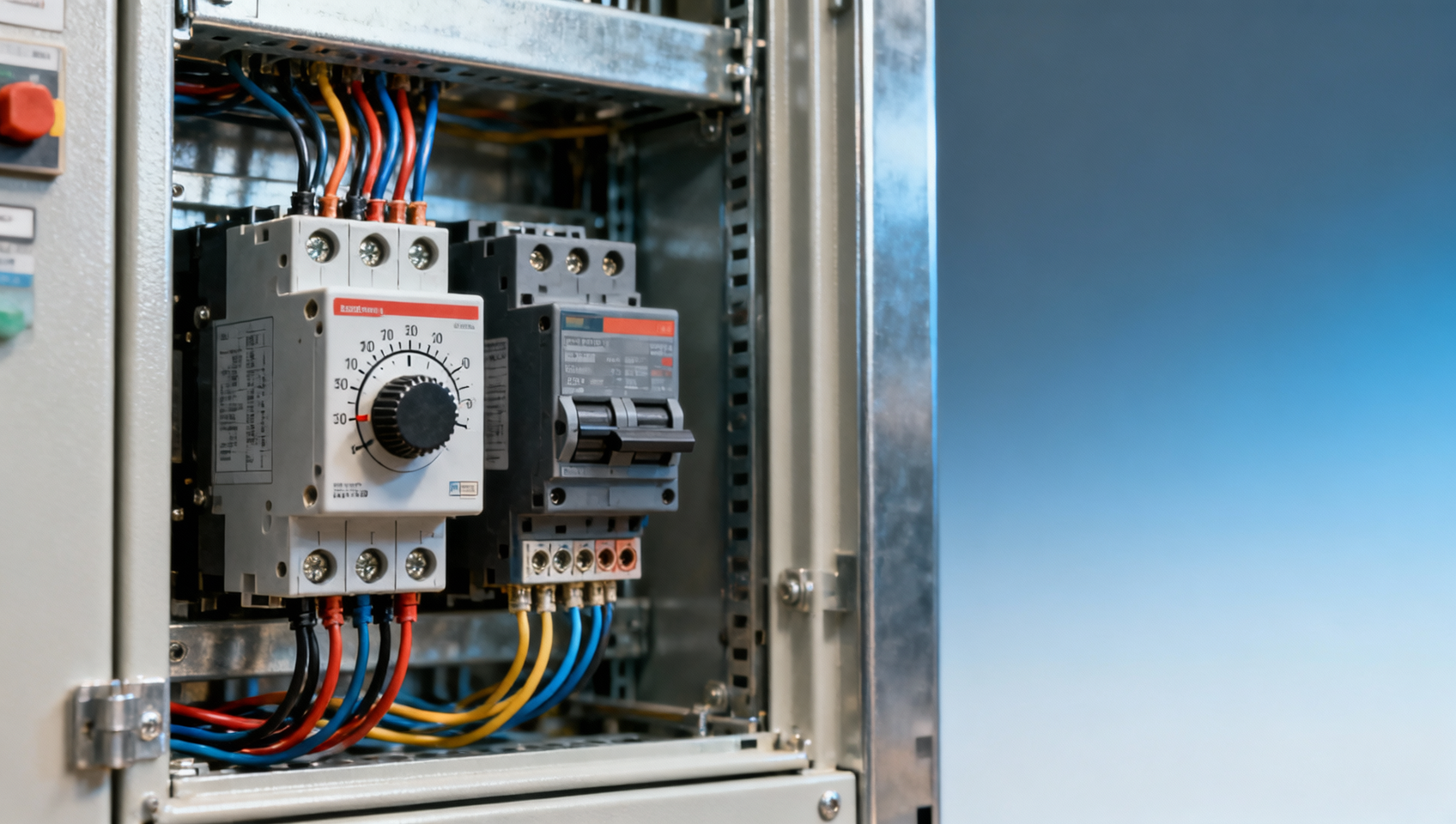
Thermal overload relays protect the motor against sustained overcurrent, but they do not replace proper contactor sizing. An MCB may react too quickly to motor inrush in some cases, while an MCCB may be more suitable for adjustable protection and higher fault levels. Earth leakage circuit breakers add personnel and insulation protection, yet if selected without regard to harmonics, cable leakage, and variable operating conditions, they may trigger nuisance shutdowns that stress the switching cycle.
Another frequent issue is control circuit mismatch. A 50 Hz coil used on a 60 Hz system, the wrong AC/DC coil specification, or wide supply fluctuation can all reduce coil life. In industrial environments where voltage variation may move outside a typical operating band, even a good contactor can chatter or overheat if the control circuit is not stabilized.
Panel layout also matters. If contactors, overload relays, and breakers are packed too tightly, the internal temperature can rise beyond the device assumptions used for rating. A cabinet that runs at 10°C above the expected ambient can accelerate insulation aging, especially where the contactor is already switching a motor with frequent starts per hour.
Protection coordination and selection checkpoints
The following comparison helps teams judge where contactor failures are often linked to surrounding protection devices. It is useful during panel design review, vendor qualification, and troubleshooting after repeated replacement events.
This comparison shows why contactor life cannot be judged by current rating alone. In procurement reviews, the correct question is not only “What ampere size do we need?” but also “How does this contactor coordinate with overload protection, short-circuit protection, earth leakage logic, and the actual motor start profile?”
Three installation mistakes that repeatedly cause early failure
- Using a contactor rated for light switching duty on a high-inrush motor load, such as compressors or heavily loaded pumps.
- Mounting the device in dusty, humid, or hot enclosures without checking IP strategy, ventilation path, and maintenance interval.
- Replacing a failed unit with an electrically similar part but ignoring coil voltage, auxiliary contact logic, and relay coordination.
For many industrial buyers, fixing these three mistakes delivers better lifecycle value than focusing only on unit price. A contactor that costs slightly more but is correctly matched to duty, ambient conditions, and protective devices usually reduces failure repetition over the next 12–24 months.
What should buyers and engineers check before ordering replacement magnetic contactors?
A replacement order placed under shutdown pressure often repeats the original selection error. The better approach is to create a short procurement checklist that combines electrical data, environmental data, and compliance data. This is especially important for EPC contractors, facility managers, and industrial procurement directors handling multiple sites with different motor sizes and panel standards.
Start with load type and duty cycle. Is the contactor switching a standard three-phase motor, a reversing motor starter, a resistive heater, a capacitor bank, or a frequently cycled compressor? Each case places different stress on the contacts. Next, confirm operational frequency: a few starts per day is not the same as several starts per minute. Then review ambient conditions such as dust, oil vapor, vibration, and panel temperature range, commonly from 0°C to 40°C or higher in enclosed rooms.
Voltage data is equally critical. Buyers should confirm line voltage, control voltage, AC or DC coil type, system frequency, and expected fluctuation. In cross-border sourcing, this step prevents a common issue where a contactor body is correct but the coil variant is not. If the application is global, teams should also check whether the project documentation requires CE, UL, or broader ISO-governed quality management context within the supplier’s manufacturing and inspection process.
Finally, ask whether the failure was isolated or systemic. If 1 out of 50 units failed after years of operation, replacement may be enough. If 6 out of 20 units fail within a short maintenance window, procurement should request a broader engineering review. Recurrent failure often points to panel conditions, switching pattern, or protection mismatch rather than simple product shortage or random defect.
A practical selection checklist for B2B procurement
- Confirm motor full-load current, starting method, and estimated starts per hour before selecting contactor duty.
- Verify coil voltage, control frequency, auxiliary contacts, and interlocking needs for the actual control circuit.
- Check compatibility with thermal overload relay, MCB, MCCB, and earth leakage protection strategy.
- Review enclosure temperature, contamination risk, vibration, and maintenance access interval such as monthly, quarterly, or semiannual inspection.
- Request dimensional confirmation if the replacement must fit an existing panel cutout or busbar spacing.
- Clarify documentation needs: datasheets, terminal diagrams, compliance declarations, and inspection records for project approval.
Why sourcing quality information matters
In industrial procurement, the cheapest replacement can become the most expensive decision if it triggers another shutdown. What buyers need is not just a part number but a sourcing framework that links performance expectations with load category, panel conditions, and compliance documentation. This is where a specialist B2B intelligence platform adds value: it shortens qualification time and improves communication between engineering, maintenance, and purchasing.
Global Industrial Core supports this process by focusing on the underlying systems that keep industrial infrastructure operating safely and reliably. For contactors and related power control components, that means helping teams compare not only products, but also application fit, certification expectations, documentation readiness, and the hidden risks behind repeated failure in the field.
How can plants reduce repeat failure, cost, and downtime?
The most effective way to reduce magnetic contactors failure is to treat replacement as a reliability improvement project rather than a simple spare part event. In practical terms, plants should combine failure review, protection review, and maintenance planning. Even a light process standard with 4 steps can deliver better results than ad hoc replacement under production pressure.
A 4-step corrective workflow
- Document the failure mode: coil burnout, welded contacts, chattering, thermal damage, or nuisance tripping.
- Measure actual operating conditions: current, voltage, starts per hour, ambient temperature, and enclosure condition.
- Review coordination: overload relay settings, MCB or MCCB trip characteristics, and leakage protection behavior.
- Standardize the improved replacement: part specification, installation torque, inspection interval, and spare strategy.
This workflow helps plants distinguish between one-off component wear and a repeatable system weakness. It also supports better inventory decisions. Instead of stocking many look-alike contactors with unclear fit, teams can reduce errors by standardizing around approved configurations for each duty group, such as small motor starters, frequent-cycling loads, and heavy starting applications.
Cost control improves when downtime is considered alongside purchase price. If a low-cost contactor fails twice in a quarter and requires labor, diagnosis time, and production interruption, the total ownership cost may exceed that of a properly coordinated device selected once. This is especially relevant in continuous or semi-continuous operations where even 30–60 minutes of stoppage can disrupt upstream and downstream processes.
Plants should also set realistic maintenance intervals. In clean, low-duty panels, quarterly checks may be enough. In dusty, high-heat, or vibration-prone environments, monthly inspections may be more appropriate. Thermal scans, torque verification, and visual checks of discoloration can catch problems early without major shutdown windows.
Common misconceptions that increase failure risk
“Same ampere rating means same performance”
Not necessarily. The same current rating can behave differently depending on utilization category, inrush tolerance, coil design, and thermal assumptions. Buyers should always compare application duty, not just nominal amperes.
“If the breaker does not trip, the contactor is correctly protected”
That is incomplete. A breaker may protect against a fault while still allowing damaging operating conditions such as repetitive inrush stress, undervoltage chatter, or excessive starts per hour that shorten contactor life.
“Replacing with the same part always solves the issue”
If root cause analysis is not performed, the same failure often returns. Repeated failure within 1–2 maintenance cycles usually means the original selection, environment, or protection setup needs review.
FAQ for operators, buyers, and decision-makers
How do I know whether the coil or the contacts failed first?
A burnt smell, darkened coil body, continuous humming, or failure to pull in often indicates coil-related damage. Heavy arcing marks, welded poles, or load-side overheating point more toward contact failure. In many industrial cases, both problems appear together because a weak coil can cause incomplete closing, which then increases contact arcing. Inspect both the control side and the power side before concluding.
How often should magnetic contactors be inspected?
There is no universal schedule, but a practical rule is monthly checks for harsh or high-cycle duty panels and quarterly checks for cleaner, lower-cycle installations. Facilities with significant dust, heat, or vibration may need more frequent visual and thermal inspection. If a process has repeated starts, seasonal load swings, or unstable supply, shorten the review interval.
Can an undersized MCB cause contactor-related problems?
Yes. If the trip curve does not accommodate motor inrush, the circuit may experience repeated nuisance trips and restarts, which increase switching stress on the magnetic contactor. The issue is not only the breaker size, but also the coordination between breaker characteristics, motor starting behavior, and the contactor’s switching duty.
What should procurement request from suppliers before placing a bulk order?
At minimum, request datasheets, coil options, utilization category details, terminal information, compatibility notes for overload relay pairing, and applicable compliance documentation such as CE or UL where required by the project. For replacement programs, also confirm lead time, sample availability, packaging for site deployment, and whether the supplier can support cross-reference review for existing panels.
When is it worth escalating from replacement to a broader system review?
Escalate when failures repeat across multiple panels, when the same motor starter fails more than once in a short cycle such as 3–6 months, or when contactor replacement is accompanied by overload trips, breaker trips, or unusual voltage behavior. At that point, a system-level review is usually more cost-effective than continuing reactive replacement.
Why work with Global Industrial Core for selection and sourcing decisions?
For industrial buyers, the challenge is not finding a contactor in a catalog. The challenge is selecting a switching solution that matches duty, protection logic, compliance needs, and site conditions without wasting time on incomplete technical comparisons. Global Industrial Core is built for that decision environment. Its focus on electrical and power infrastructure, compliance-sensitive procurement, and real operating conditions helps teams move from generic sourcing to informed specification.
If your team is comparing wholesale magnetic contactors, reviewing repeated field failures, or planning a panel upgrade, the most useful next step is a structured requirement review. This can include 5 key items: load type, current and voltage parameters, control coil specification, protection coordination, and certification expectations. That short list often reveals why a previous unit failed early and what the next order should change.
GIC can support conversations around parameter confirmation, product selection, typical delivery windows, alternative configurations, documentation needs, sample evaluation, and quotation alignment for industrial projects. This is particularly valuable for EPC contractors, facility managers, and procurement directors handling multinational requirements or mixed operating environments where CE, UL, or other documentation readiness matters.
If you are assessing early magnetic contactors failure in your facility or supply chain, contact Global Industrial Core with your current application data. Share the load type, control voltage, protection setup, and failure symptoms. That allows a more precise discussion on selection, replacement strategy, compliance expectations, and whether your issue is product-specific or system-driven.
Technical Specifications
- Canton Fair Phase II 2026: Industrial Components Booking Rate Hits 98%Author :Heavy Industry Strategist
- TÜV Rheinland Updates EMC Guide for Industrial Optics EquipmentAuthor :Precision Metrology Expert
- Copper Price Surges 6.8%: Impact on Cables, Breakers & BOM CostsAuthor :Grid Infrastructure Analyst
Expert Insights

Chief Security Architect
Dr. Thorne specializes in the intersection of structural engineering and digital resilience. He has advised three G7 governments on industrial infrastructure security.
Related Analysis
- Apr 21, 2026Canton Fair Phase II 2026: Industrial Components Booking Rate Hits 98%Author :Heavy Industry Strategist
- Apr 21, 2026TÜV Rheinland Updates EMC Guide for Industrial Optics EquipmentAuthor :Precision Metrology Expert
- Apr 21, 2026Copper Price Surges 6.8%: Impact on Cables, Breakers & BOM CostsAuthor :Grid Infrastructure Analyst
Core Sector // 01
Security & Safety
- Earth Leakage Circuit Breaker vs RCDAuthor :Grid Infrastructure Analyst

- Why Magnetic Contactors Fail EarlyAuthor :Grid Infrastructure Analyst

- Wholesale Magnetic Contactors Buying GuideAuthor :Grid Infrastructure Analyst

- When to Replace a Thermal Overload RelayAuthor :Grid Infrastructure Analyst

- How to Choose Thermal Overload RelaysAuthor :Grid Infrastructure Analyst

- Safety relief valves: Why set pressure drift matters more than initial calibrationAuthor :Grid Infrastructure Analyst

- Solenoid valves wholesale: How coil voltage tolerance affects field reliabilityAuthor :Grid Infrastructure Analyst

- Electric motorized valves: Do IP67 ratings hold up under frequent washdown?Author :Grid Infrastructure Analyst