Wholesale Magnetic Contactors Buying Guide
Author
Date Published
Reading Time
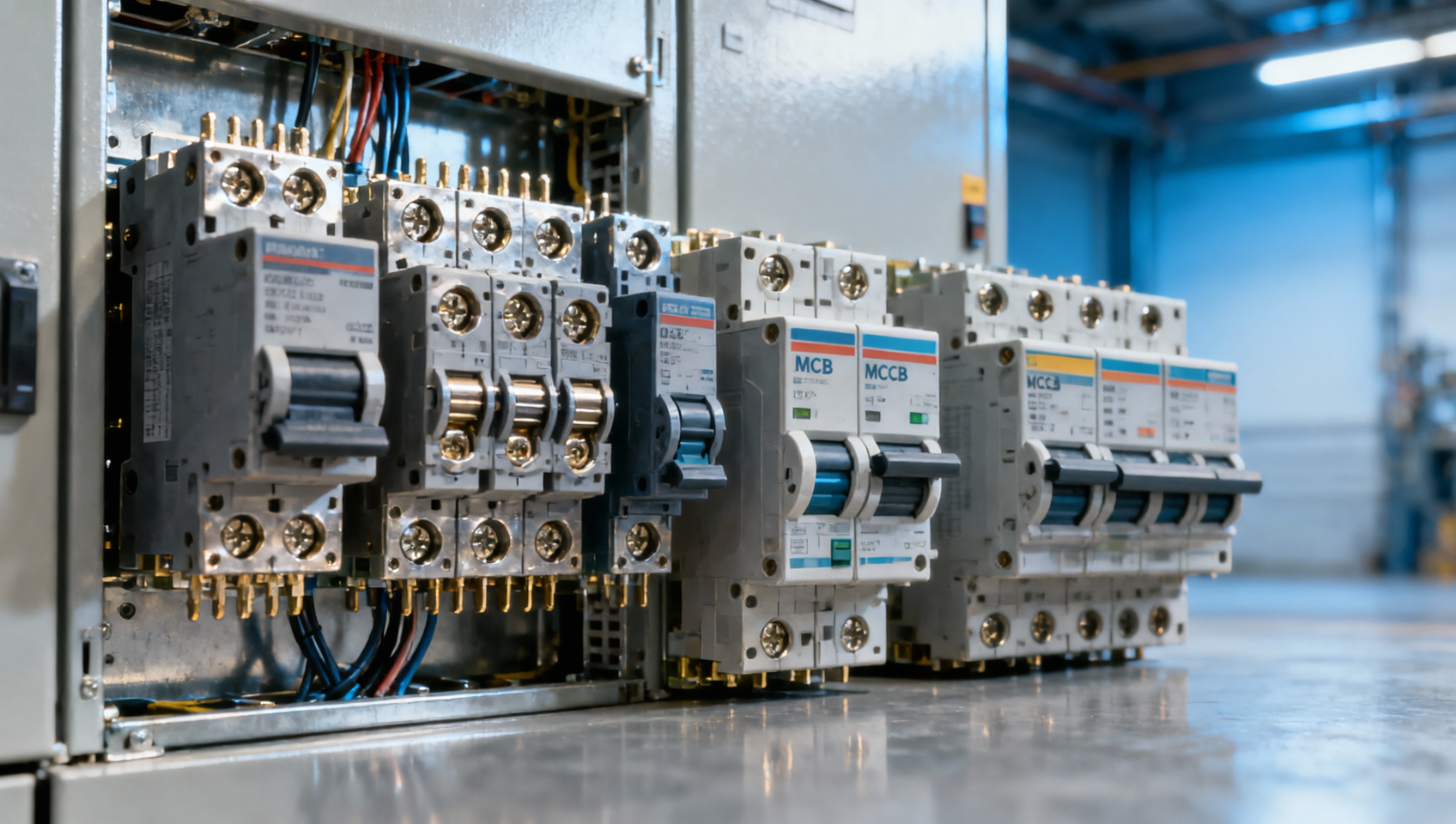
Sourcing wholesale magnetic contactors for industrial projects requires more than price comparison—it demands verified performance, safety compliance, and supply reliability. This guide helps procurement teams, engineers, and decision-makers evaluate thermal overload relays, miniature circuit breaker MCB options, molded case circuit breaker MCCB models, and air circuit breaker ACB solutions to build safer, more efficient low-voltage power systems with confidence.
If you are buying magnetic contactors in bulk, the key question is not simply “Which supplier offers the lowest unit price?” It is “Which contactor solution will operate reliably in my application, comply with required standards, integrate with my protection devices, and remain available across the full project or maintenance cycle?” For most industrial buyers, that is where purchasing success or failure is decided.
In practice, wholesale magnetic contactor selection sits at the intersection of engineering fit, procurement risk, and lifecycle cost. Information researchers want a clear evaluation framework. Operators want dependable switching performance and easy maintenance. Procurement teams need stable quality, competitive pricing, and delivery assurance. Business decision-makers need to reduce downtime, compliance risk, and total installed cost. A useful buying guide must address all four priorities directly.
What industrial buyers are really looking for when searching for wholesale magnetic contactors
Most buyers searching this topic have commercial intent combined with technical validation intent. They are usually trying to identify whether a supplier or product line is suitable for motors, pumps, HVAC systems, compressors, panels, or low-voltage distribution assemblies. They also want to know how magnetic contactors compare across brands, what specifications actually matter, and how to bundle them with overload relays and circuit breakers for complete motor control protection.
The most common concerns behind this search include:
- How to choose the right magnetic contactor rating for the load
- Whether the product meets CE, UL, IEC, or other required compliance standards
- How to match the contactor with thermal overload relays
- When to use MCB, MCCB, or ACB upstream of the contactor
- How to evaluate supplier consistency, lead times, and after-sales support
- How to avoid hidden costs from early failure, coil mismatch, or poor-quality contacts
That means the most valuable content is not a generic definition of a magnetic contactor. What helps buyers most is a practical selection method, a procurement checklist, and a clear explanation of how contactors fit into the wider low-voltage protection system.
Start with application fit, not catalog price
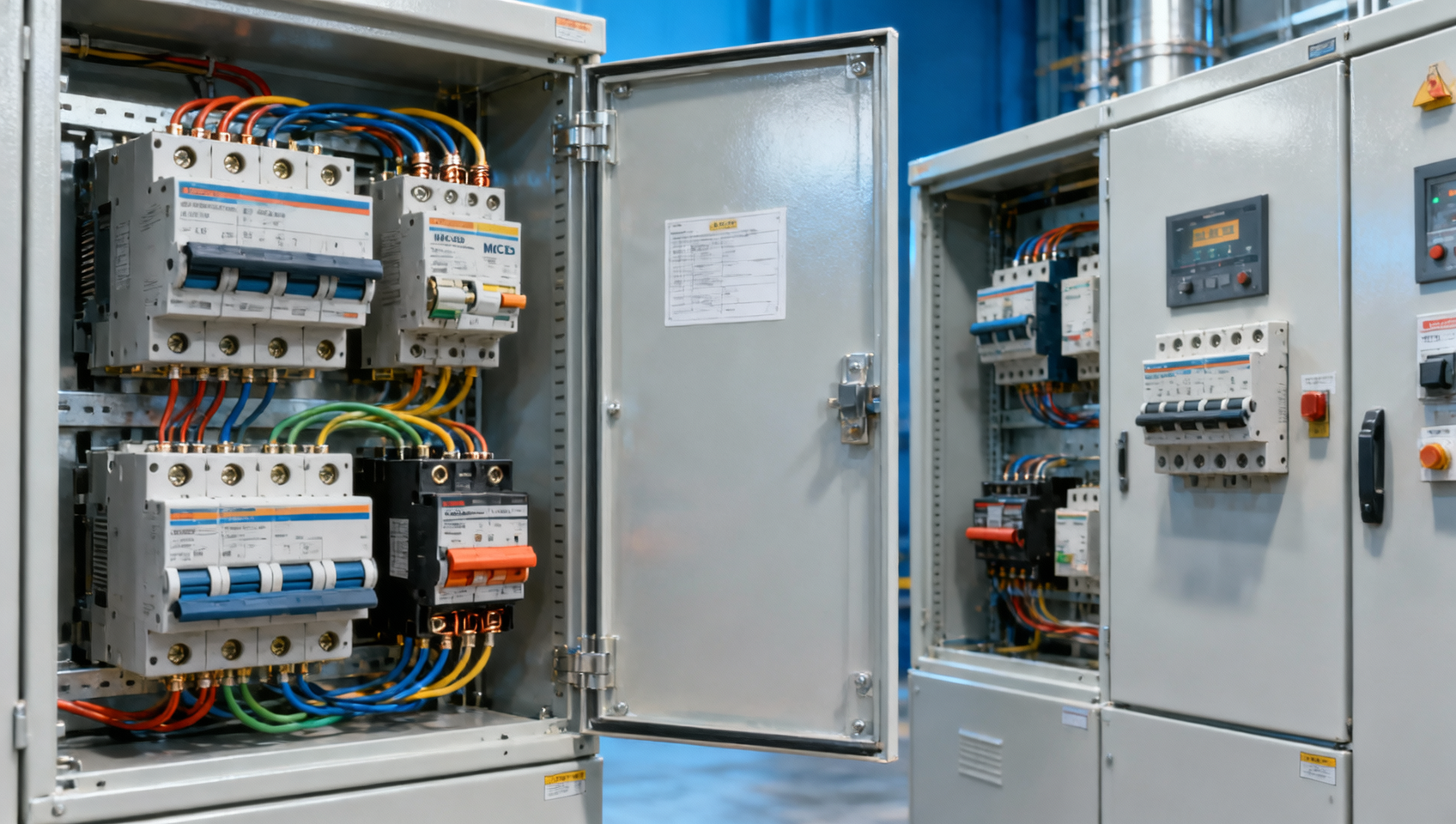
A magnetic contactor is an electrically controlled switch designed to repeatedly connect and disconnect power to loads, most often electric motors. In wholesale purchasing, the correct choice depends on operating duty, electrical characteristics, environmental conditions, and panel design constraints.
Before comparing suppliers, define these application details:
- Load type: motor, resistive heater, lighting, capacitor bank, or mixed load
- Motor power and full-load current: essential for sizing the contactor
- Utilization category: such as AC-1, AC-3, or AC-4 under IEC conventions
- Coil voltage: 24V, 48V, 110V, 220V, 380V, AC or DC
- Switching frequency: how often the contactor will operate
- Ambient conditions: heat, dust, vibration, humidity, corrosive atmosphere
- Mounting requirements: DIN rail, panel mount, space limitations
- Auxiliary contacts: needed for interlocking, signaling, or control logic
Bulk buyers often run into problems when they buy solely by kilowatt rating shown in a catalog. Real-world loads can have high inrush current, frequent starts, or harsh environmental exposure that demand a higher-duty contactor. A lower-priced unit may look equivalent on paper but fail faster under actual service conditions.
For this reason, the best wholesale magnetic contactors are not simply the cheapest acceptable products. They are the ones that align with real duty requirements and reduce failure risk over thousands of switching cycles.
Which specifications matter most when comparing magnetic contactors in bulk
When evaluating wholesale options, focus on the specifications that affect field performance, system compatibility, and maintenance cost.
Rated operational current and voltage
Verify the rated current at the intended operational voltage and load category. A contactor suitable for a resistive load may not be sufficient for motor duty. Always compare ratings under the same test basis.
Utilization category
For motor applications, AC-3 is common for standard squirrel-cage motors with normal starting and stopping. More severe duties may require AC-4 consideration. This matters because contact wear and thermal stress change significantly by duty type.
Electrical and mechanical life
In applications with frequent switching, lifecycle matters more than initial purchase price. High mechanical life is important, but electrical life under the actual load is the better indicator of replacement intervals.
Coil consumption and voltage tolerance
Wide coil voltage tolerance can improve reliability where control voltage fluctuates. Lower coil consumption may also help panel efficiency and thermal management.
Short-circuit coordination
Check how the contactor performs when used with specified protective devices. Manufacturers often publish coordination tables showing suitable fuses, MCBs, or MCCBs.
Accessories and modularity
For OEMs, panel builders, and maintenance teams, accessory availability matters. Front-mounted auxiliary blocks, side contacts, mechanical interlocks, surge suppressors, and compatible overload relays simplify assembly and servicing.
Standards and certifications
For international procurement, confirm relevant IEC, UL, CE, RoHS, or other market-specific requirements. Compliance claims should be supported by verifiable documentation, not only printed labels.
How thermal overload relays fit into a safer buying decision
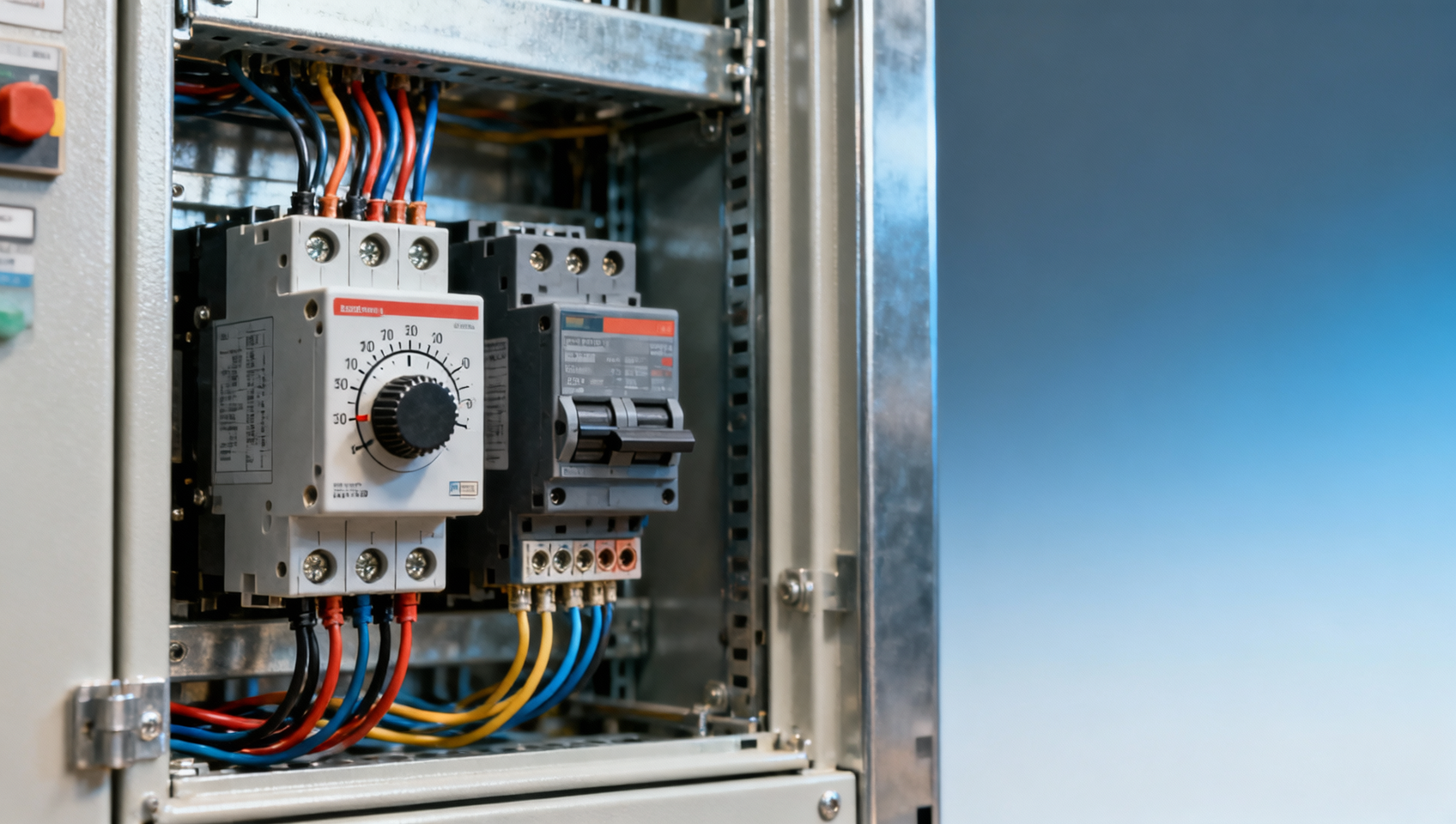
Magnetic contactors do not provide overload protection by themselves. In motor control systems, they are commonly paired with a thermal overload relay to protect the motor from prolonged overcurrent conditions. If you are sourcing contactors wholesale for motor applications, evaluating compatible thermal overload relays is not optional—it is part of a complete and safer procurement strategy.
Buyers should check:
- Current adjustment range and alignment with motor FLC
- Trip class suitability for the motor starting profile
- Phase loss sensitivity
- Manual and automatic reset options
- Direct mounting compatibility with the selected contactor
- Standards compliance and test certifications
From a purchasing standpoint, buying matched contactor and overload relay combinations from the same proven platform often reduces assembly errors, compatibility issues, and warranty disputes. It can also improve spare parts planning across multiple projects or facilities.
MCB, MCCB, and ACB: which protective devices should be used with magnetic contactors?
One of the most common buyer questions is how magnetic contactors relate to upstream circuit protection. The answer depends on fault level, current rating, selectivity requirements, and the architecture of the low-voltage system.
MCB options
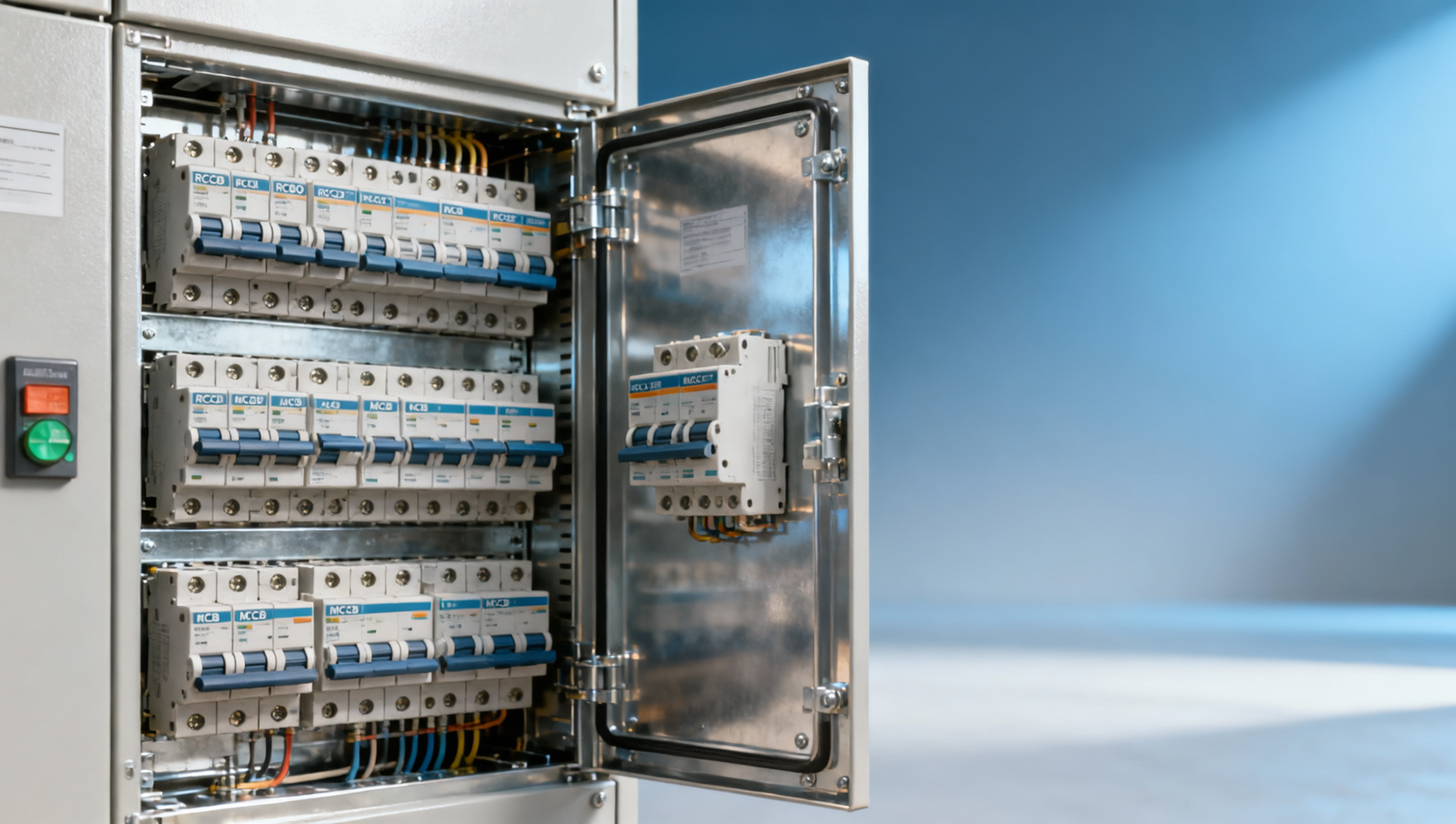
A miniature circuit breaker MCB is typically used in lower-current branch circuits. In smaller motor control panels or light industrial applications, an MCB may be used upstream where fault levels and current demands are within its capacity. However, not every MCB is suitable for motor starting currents, so curve selection and coordination are important.
MCCB models
A molded case circuit breaker MCCB is generally more suitable for higher current ratings and applications requiring adjustable protection settings. For many industrial installations, the MCCB is the practical upstream protective device for feeder and motor branch circuits where better breaking capacity and flexibility are needed.
ACB solutions
An air circuit breaker ACB is commonly used at the main incomer or major distribution points in larger low-voltage systems. It is not a direct replacement for a contactor, but it can form part of the broader protection hierarchy feeding panels that contain contactors and overload devices.
For buyers, the key principle is this: the contactor handles frequent switching of the load, while the circuit breaker handles fault interruption and circuit protection. A sound procurement package considers the whole chain, not isolated components.
When asking suppliers for quotes, request coordination data or application guidance showing how their magnetic contactors pair with thermal overload relays, MCBs, MCCBs, and ACBs. This helps prevent mismatched devices and reduces commissioning issues.
How to evaluate a wholesale magnetic contactor supplier beyond price
In industrial sourcing, supplier quality often matters as much as product quality. A reliable supplier lowers the risk of inconsistent batches, undocumented substitutions, and shipping delays that can disrupt projects or maintenance schedules.
Use this supplier evaluation framework:
Technical documentation quality
Strong suppliers provide complete datasheets, wiring diagrams, derating information, coordination tables, certifications, and installation instructions. Missing or vague technical information is a warning sign.
Traceable compliance evidence
Ask for test reports, declarations of conformity, certification numbers, and factory quality management details. If compliance matters in your market, verbal assurances are not enough.
Production consistency
For wholesale orders, consistency across production lots is critical. Ask about quality control processes, incoming material inspection, coil and contact testing, and defect handling procedures.
Lead time stability
A supplier with attractive pricing but unstable delivery may cost far more in project delays. Confirm standard lead times, buffer stock capacity, and regional warehousing support if applicable.
Customization capability
Some buyers need private labeling, specific coil voltages, special auxiliary contact setups, or panel-ready kits. If your operation has repeatable custom requirements, supplier flexibility can create long-term procurement value.
After-sales and technical support
Industrial buyers benefit from suppliers who can support troubleshooting, replacements, and application questions quickly. This is especially important for OEMs, contractors, and facility operators managing uptime-sensitive systems.
Common wholesale buying mistakes and how to avoid them
Even experienced teams make avoidable mistakes when sourcing magnetic contactors in volume. The most frequent issues include:
- Buying by nominal current only: ignore duty category and actual operating conditions, leading to premature failure
- Overlooking coil voltage details: resulting in commissioning errors or unreliable pull-in performance
- Ignoring overload relay compatibility: causing assembly inefficiency or protection gaps
- Using the wrong upstream breaker type: creating nuisance trips or inadequate short-circuit coordination
- Accepting unclear certification claims: increasing compliance and liability risk
- Not planning spare parts strategy: leading to longer downtime when replacement is needed
- Switching suppliers without revalidation: causing fitment or performance inconsistency in existing panels
A disciplined technical-commercial approval process can prevent most of these problems. For critical projects, consider sample validation, documentation review, and pilot installation before full-volume commitment.
A practical checklist for procurement teams and project decision-makers
To make wholesale magnetic contactor sourcing more reliable and faster, use a structured checklist before issuing a purchase order:
- Define the load type, motor data, duty cycle, and environment
- Confirm the required contactor ratings under the correct utilization category
- Verify coil voltage, frequency, and control system compatibility
- Select matching thermal overload relays where motor protection is required
- Review suitable MCB, MCCB, or ACB coordination in the wider system
- Request datasheets, certifications, and test documentation
- Assess supplier production consistency and lead time reliability
- Check accessory availability and future spare parts support
- Compare total ownership value, not just ex-works unit price
- Approve samples or pilot batches for critical applications
This approach supports all major stakeholders. Engineers get technical fit. Operators get reliable performance. Procurement gets clearer comparison criteria. Business leaders get lower lifecycle risk and more predictable project execution.
Final decision: what defines a good wholesale magnetic contactor purchase?
A good wholesale magnetic contactor purchase is one that delivers verified electrical performance, correct application fit, documented compliance, and dependable supply over time. In industrial environments, the best buying decision usually comes from balancing unit cost with coordination, durability, serviceability, and supplier reliability.
If your application involves motor control, do not evaluate the contactor in isolation. Consider the full protection chain, including thermal overload relays and appropriate MCB, MCCB, or ACB devices. This systems-level view leads to safer low-voltage power distribution, fewer failures in service, and better long-term value.
For procurement teams, engineers, and decision-makers, the takeaway is clear: wholesale sourcing should be driven by technical validation and operational risk control first, then by price optimization. That is how industrial buyers make confident, defensible decisions in critical power and control applications.
Technical Specifications
- Canton Fair Phase II 2026: Industrial Components Booking Rate Hits 98%Author :Heavy Industry Strategist
- TÜV Rheinland Updates EMC Guide for Industrial Optics EquipmentAuthor :Precision Metrology Expert
- Copper Price Surges 6.8%: Impact on Cables, Breakers & BOM CostsAuthor :Grid Infrastructure Analyst
Expert Insights

Chief Security Architect
Dr. Thorne specializes in the intersection of structural engineering and digital resilience. He has advised three G7 governments on industrial infrastructure security.
Related Analysis
- Apr 21, 2026Canton Fair Phase II 2026: Industrial Components Booking Rate Hits 98%Author :Heavy Industry Strategist
- Apr 21, 2026TÜV Rheinland Updates EMC Guide for Industrial Optics EquipmentAuthor :Precision Metrology Expert
- Apr 21, 2026Copper Price Surges 6.8%: Impact on Cables, Breakers & BOM CostsAuthor :Grid Infrastructure Analyst
Core Sector // 01
Security & Safety
- Earth Leakage Circuit Breaker vs RCDAuthor :Grid Infrastructure Analyst

- Why Magnetic Contactors Fail EarlyAuthor :Grid Infrastructure Analyst

- Wholesale Magnetic Contactors Buying GuideAuthor :Grid Infrastructure Analyst

- When to Replace a Thermal Overload RelayAuthor :Grid Infrastructure Analyst

- How to Choose Thermal Overload RelaysAuthor :Grid Infrastructure Analyst

- Safety relief valves: Why set pressure drift matters more than initial calibrationAuthor :Grid Infrastructure Analyst

- Solenoid valves wholesale: How coil voltage tolerance affects field reliabilityAuthor :Grid Infrastructure Analyst

- Electric motorized valves: Do IP67 ratings hold up under frequent washdown?Author :Grid Infrastructure Analyst