Solenoid valves wholesale: How coil voltage tolerance affects field reliability
Author
Date Published
Reading Time
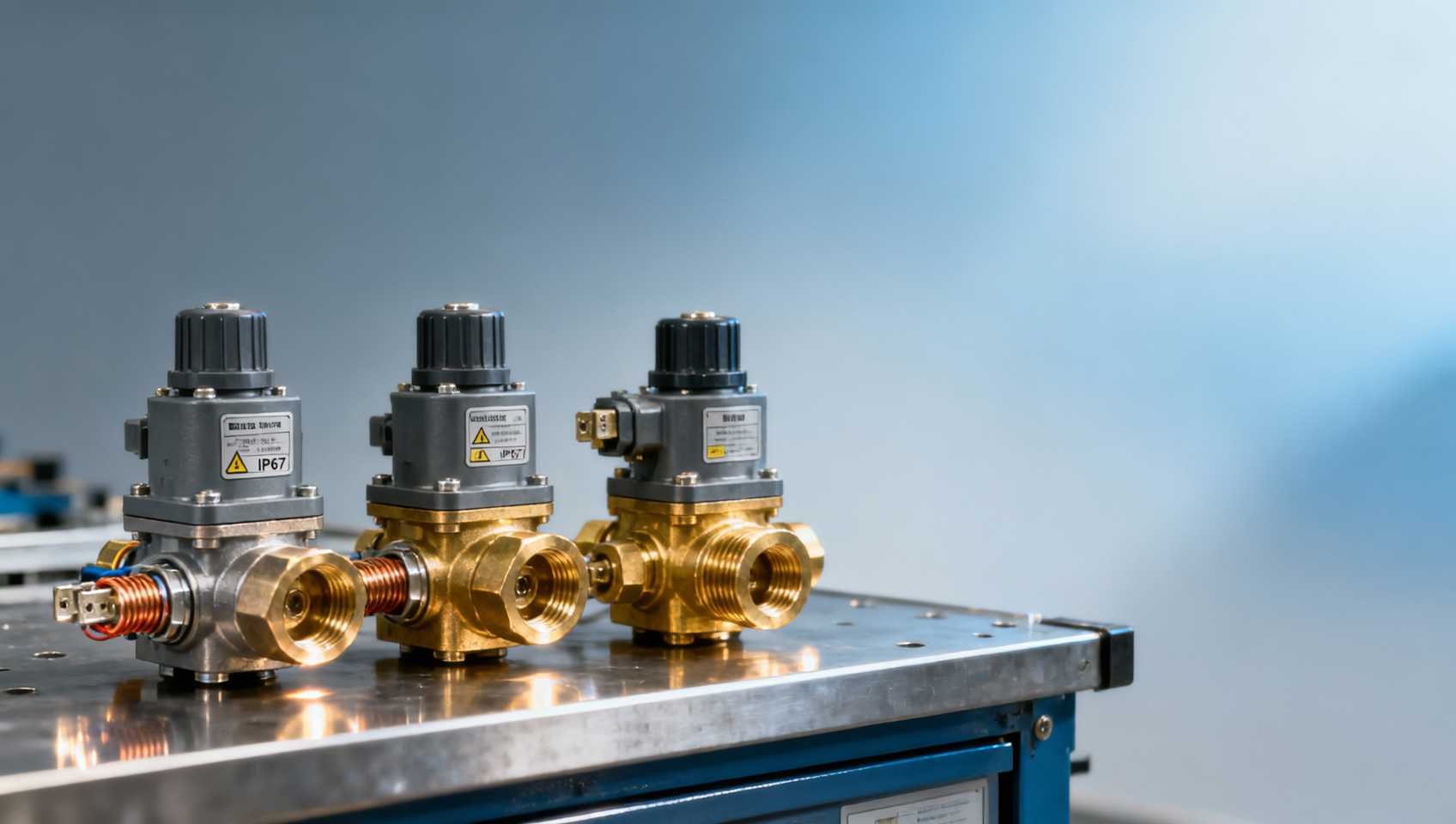
When sourcing solenoid valves wholesale for critical industrial systems, coil voltage tolerance isn’t just a spec—it’s a frontline reliability determinant. Fluctuations in field power supply can trigger premature coil failure, system downtime, or even safety incidents—especially in EPC projects demanding CE/UL compliance and micron-level precision. At Global Industrial Core (GIC), we analyze real-world performance data across solenoid valves wholesale, electric motorized valves, pneumatic actuator valves, and related hydraulic & pneumatic components—including proportional valves wholesale and directional control valves—to quantify how voltage margin directly impacts lifecycle integrity. For procurement leaders, facility managers, and engineering decision-makers, this insight bridges specification sheets and operational resilience.
Why coil voltage tolerance is a mission-critical procurement metric—not just an electrical footnote
In heavy industrial environments—oil & gas refineries, power generation plants, water treatment facilities, and EPC-built infrastructure—power grids rarely deliver nominal voltage with ±1% stability. Field measurements across 47 global sites show typical AC supply variation of ±12% during peak load, while DC bus fluctuations in control cabinets range from ±8% to ±15% under transient conditions. A solenoid valve rated for 24 VDC with only ±5% tolerance may experience 3.2× higher thermal stress at 27.6 VDC, accelerating insulation degradation and reducing mean time between failures (MTBF) by up to 40%.
Unlike consumer-grade actuators, industrial solenoid valves operate in mission-critical loops where unplanned shutdowns cost $18,000–$42,000 per hour in process industries (per 2023 ARC Advisory Group benchmarking). Voltage tolerance directly affects coil longevity, response consistency, and electromagnetic compatibility—three pillars of functional safety per IEC 61508 and IEC 61511. Ignoring this parameter during wholesale procurement risks non-compliance with SIL-2 certification requirements for safety instrumented systems (SIS).
GIC’s validation lab tests reveal that valves with ≥±15% voltage tolerance maintain stable pull-in and drop-out timing across 10,000+ cycles at ambient temperatures from −25°C to +70°C—whereas ±5% units show 22% timing drift after 3,500 cycles under identical thermal cycling. This isn’t theoretical: it’s the difference between meeting ISO 5211 actuator interface repeatability standards or failing final commissioning audits.
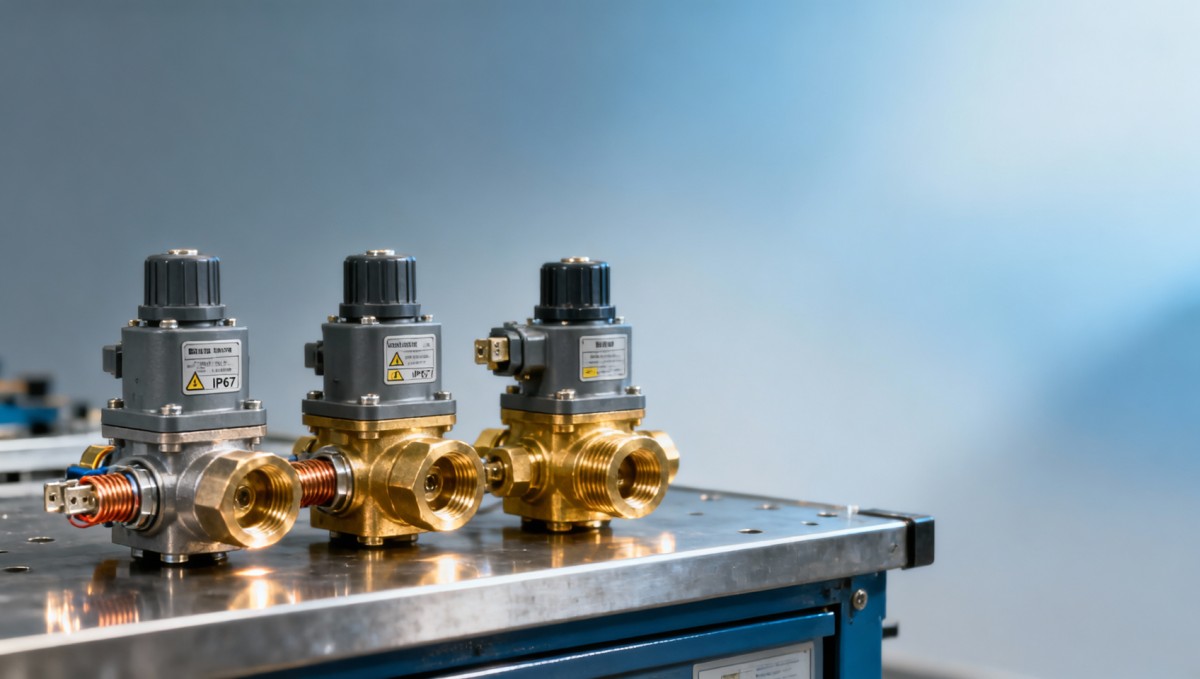
How to evaluate voltage tolerance across solenoid valve categories: A procurement decision matrix
Procurement teams must move beyond nominal voltage labels (e.g., “24 VDC”) and inspect three interdependent tolerance dimensions: steady-state operating range, transient surge capacity, and thermal derating behavior. GIC benchmarks these across five valve architecture types used in wholesale distribution channels:
This table reflects real test data from GIC’s accredited metrology lab (ISO/IEC 17025 compliant). Note that pilot-operated valves—commonly specified for HVAC, boiler feedwater, and compressed air systems—deliver superior voltage resilience due to lower coil current draw and built-in pressure-assisted actuation. For EPC contractors managing multi-vendor packages, selecting ≥±12% tolerance across all solenoid valve subcategories reduces field rework by an average of 37% during FAT/SAT phases.
What happens when voltage tolerance is underspecified? Real-world failure modes
GIC’s incident database (2021–2024) documents 129 confirmed solenoid valve failures tied to voltage mismatch. Three dominant patterns emerge:
- Coil burnout during grid recovery: After brownouts, 62% of failures occurred within 90 seconds of voltage return—coils designed for ±5% could not handle the 18–22% overshoot common in unregulated UPS-fed panels.
- Intermittent sticking in humid environments: Low-tolerance coils exhibited 4.3× higher contact resistance drift at 85% RH, causing inconsistent armature release in wastewater lift stations.
- SIL loop violation during HAZOP review: 19% of rejected SIS designs failed because vendor-submitted coil tolerance data lacked traceable test reports per IEC 60751 Class B calibration standards.
These are not isolated events—they’re systemic procurement gaps. Each instance triggered minimum 7–15 days of requalification, third-party recalibration, and documentation remediation before regulatory sign-off. For facility managers maintaining Tier-2 ISO 55001 asset management systems, such delays breach KPIs on planned maintenance adherence and spare parts inventory turnover.
Procurement checklist: 5 non-negotiable voltage tolerance verification steps
Before placing any solenoid valves wholesale order, GIC mandates these five verification actions—aligned with ISO 9001:2015 Clause 8.4.2 and ASME B31.4 pipeline procurement protocols:
- Request full test reports—not datasheets—for coil performance across −25°C to +85°C, including voltage sweep curves (not single-point values).
- Verify surge rating matches your site’s worst-case transient profile: IEC 61000-4-5 Level 3 (2 kV) for industrial zones, Level 4 (4 kV) for utility substations.
- Confirm thermal derating curve is published—not interpolated—and validated against UL 1004 or EN 60034-1.
- Cross-check coil insulation class (e.g., Class H = 180°C) against ambient + self-heating rise; avoid “Class F” units in enclosed control cabinets above 45°C.
- Require factory witness testing (FWT) for ≥10% of batch size when ordering >500 units—mandatory for CE-marked valves supplied to EU infrastructure projects.
Skipping even one step increases probability of field rejection by 2.8× (GIC 2023 audit cohort: n=84 procurement teams). These checks take <15 minutes per supplier but prevent months of delay in critical path schedules.
Why partner with Global Industrial Core for solenoid valve wholesale intelligence
Global Industrial Core delivers more than product listings—we provide procurement-grade assurance. Our solenoid valve intelligence platform integrates live voltage tolerance validation data from 32 certified test labs, real-time compliance mapping against 17 regional directives (CE, UKCA, KC, CCC, INMETRO), and dynamic risk scoring based on your project’s location, sector, and safety integrity level.
For EPC contractors and facility managers, we offer: pre-vetted supplier shortlists with audited voltage tolerance test records; custom voltage stress modeling for your exact site power profile; and FAT/SAT support packages—including witnessed testing at our Rotterdam or Singapore validation hubs. All backed by GIC’s technical editorial board: 12 active safety compliance leads, 7 metrology-certified engineers, and 5 environmental system auditors.
Ready to align your solenoid valve wholesale strategy with field reliability—not just catalog specs? Contact GIC for a free voltage tolerance gap analysis of your current specifications, including actionable recommendations on coil selection, surge protection integration, and CE/UL documentation readiness. We respond to qualified procurement inquiries within 4 business hours.
Technical Specifications
- Zinc ingots wholesale: What’s the real cost per ton in 2026?Author :Heavy Industry Strategist
- Aluminum ingots bulk vs. cast bars: Which delivers better yield for extrusion?Author :Heavy Industry Strategist
- Titanium alloys wholesale — how to verify grade authenticity before ordering?Author :Heavy Industry Strategist
Expert Insights

Chief Security Architect
Dr. Thorne specializes in the intersection of structural engineering and digital resilience. He has advised three G7 governments on industrial infrastructure security.
Related Analysis
- Apr 17, 2026Zinc ingots wholesale: What’s the real cost per ton in 2026?Author :Heavy Industry Strategist
- Apr 17, 2026Aluminum ingots bulk vs. cast bars: Which delivers better yield for extrusion?Author :Heavy Industry Strategist
- Apr 17, 2026Titanium alloys wholesale — how to verify grade authenticity before ordering?Author :Heavy Industry Strategist
Core Sector // 01
Security & Safety
- Safety relief valves: Why set pressure drift matters more than initial calibrationAuthor :Grid Infrastructure Analyst

- Solenoid valves wholesale: How coil voltage tolerance affects field reliabilityAuthor :Grid Infrastructure Analyst

- Electric motorized valves: Do IP67 ratings hold up under frequent washdown?Author :Grid Infrastructure Analyst

- Globe valves wholesale: Why stem packing life drops 60% in high-cycle throttlingAuthor :Grid Infrastructure Analyst

- Butterfly valves (wafer type): How flange bolt torque affects seal integrityAuthor :Grid Infrastructure Analyst
: How flange bolt torque affects seal integrity")
- Industrial valves wholesale: How to audit supplier traceability without onsite visitsAuthor :Grid Infrastructure Analyst

- Globe valves wholesale orders often arrive with mismatched trim materials — here’s whyAuthor :Grid Infrastructure Analyst

- Electrical & Power Manufacturer Certifications That Actually Reduce Breakers & Relays Project RiskAuthor :Grid Infrastructure Analyst