Industrial valves wholesale: How to audit supplier traceability without onsite visits
Author
Date Published
Reading Time
Industrial valves wholesale: How to audit supplier traceability without onsite visits
In today’s high-stakes industrial procurement landscape, verifying supplier traceability for industrial valves wholesale — alongside critical materials like stainless steel wire mesh, seamless stainless steel tubes, solenoid valves wholesale, and forged steel fittings — is non-negotiable. With global EPC contractors and facility managers unable to conduct routine onsite audits, robust remote traceability frameworks become mission-critical. This guide delivers actionable, compliance-aligned methodologies — grounded in ISO, CE, and UL standards — to audit supply chain integrity remotely, ensuring reliability for safety relief valves, butterfly valves wafer type, cast iron gate valves, and more — without compromising on trust, precision, or resilience.
Why “remote traceability audit” isn’t a compromise — it’s your new due diligence standard
Let’s be clear: When you’re specifying industrial valves for oil & gas pipelines, nuclear cooling loops, or pharmaceutical clean utilities, “trust but verify” is not an option — and “verify onsite” is often logistically impossible. Your real concern isn’t whether remote auditing *can* work — it’s whether it delivers the same evidentiary weight as an onsite visit when lives, regulatory approvals, and multi-million-dollar project timelines hang in the balance.
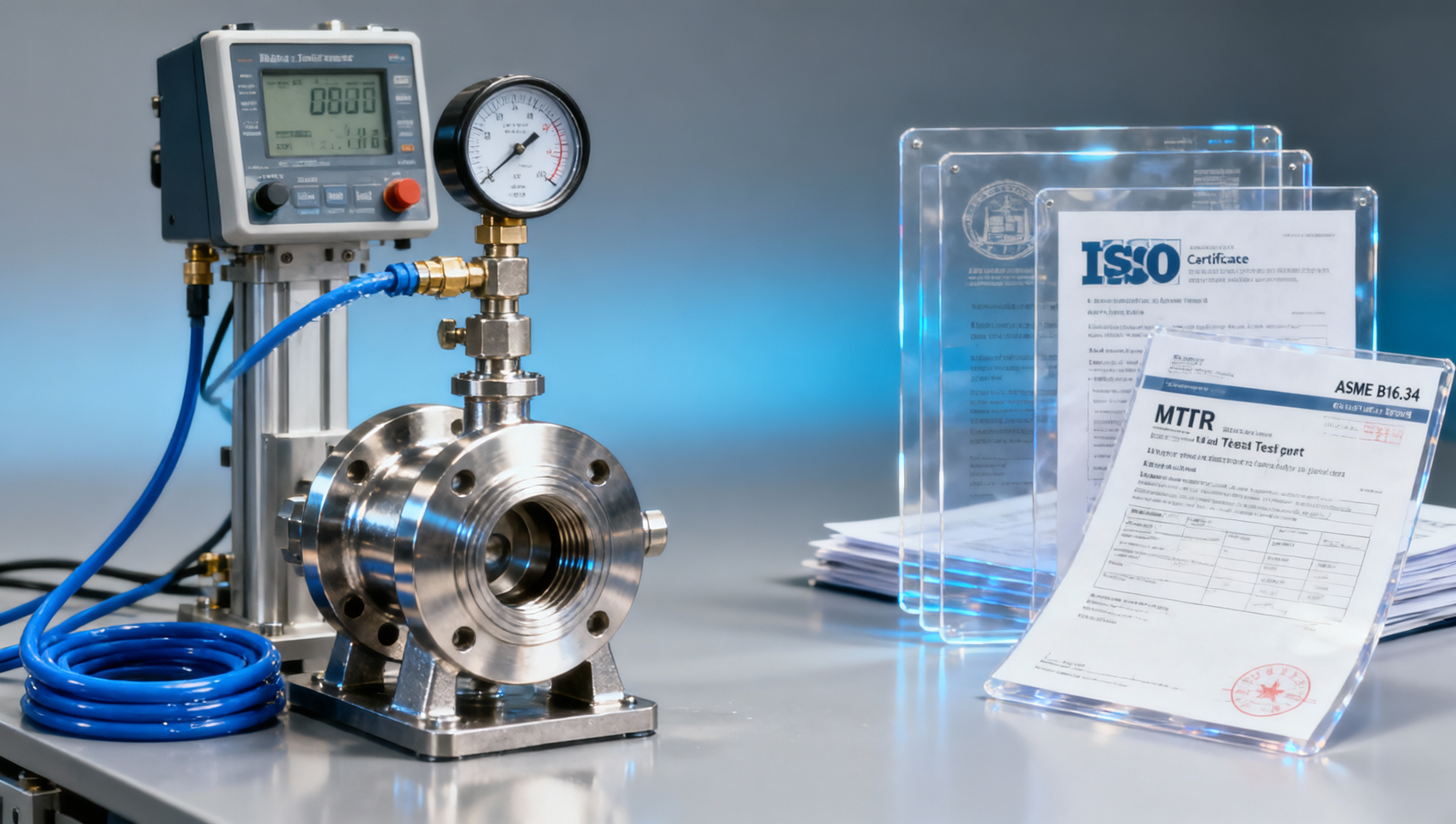
The answer is yes — if your audit protocol targets the right artifacts, validates provenance at the material level, and maps directly to internationally recognized compliance checkpoints (ISO 9001:2015 Clause 8.5.2, EN 10204 Type 3.1/3.2, PED 2014/68/EU Annex I, ASME B16.34). This isn’t about checking boxes. It’s about reconstructing the valve’s full lifecycle — from raw material mill test reports (MTRs) and heat numbers, through forging/heat treatment logs, dimensional inspection records, pressure test certificates (hydrostatic & pneumatic), and final NDE reports (RT/UT/PT) — using only digital, time-stamped, tamper-evident documentation.
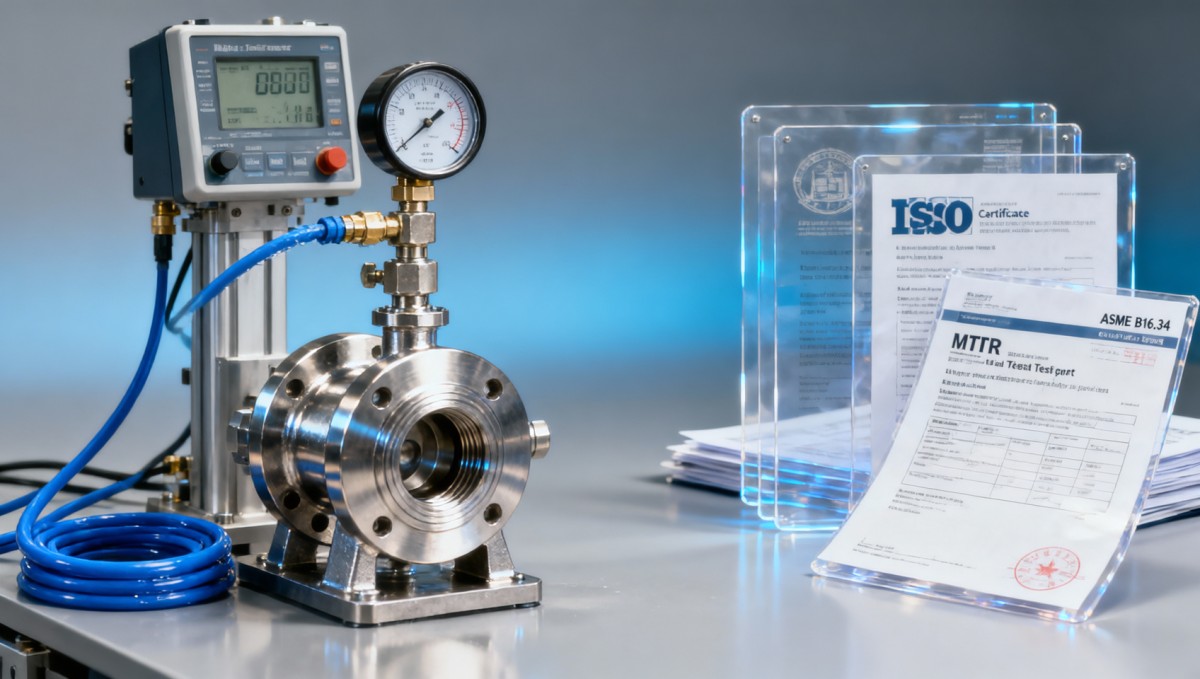
What you must demand — and how to validate it remotely (no jargon, no assumptions)
Forget vague promises of “full traceability.” Here’s what your supplier must provide — and exactly how to verify each item without stepping foot in their facility:
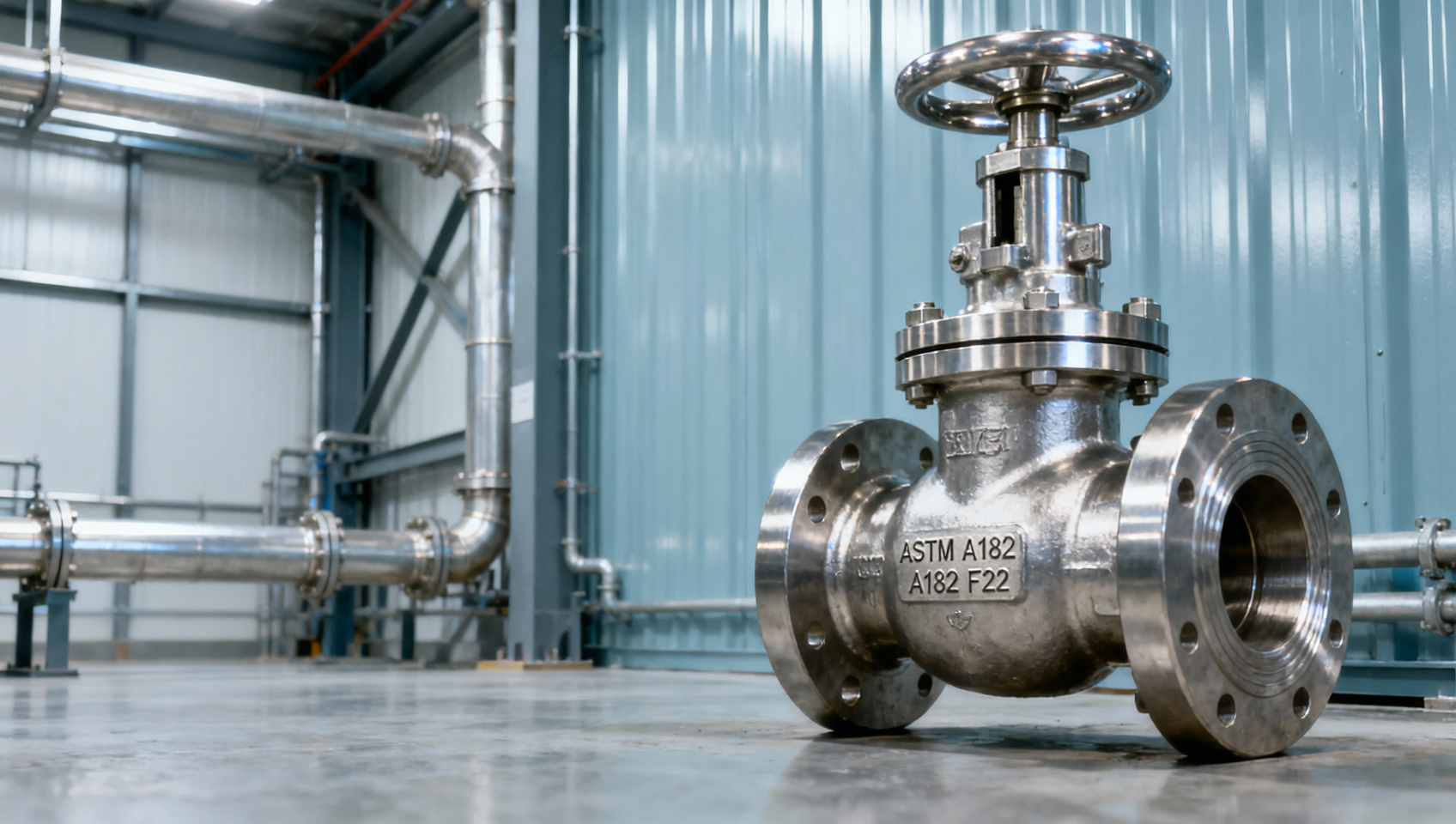
- Material Origin Verification: Not just “stainless steel” — the exact ASTM/EN grade (e.g., A182 F22, 1.4404), heat number, and certified MTR from the mill. Validate by cross-referencing the heat number against the mill’s public batch database (e.g., Outokumpu, Acerinox) or requesting a direct verification letter on mill letterhead with wet-ink signature and contactable QA lead.
- Process Traceability: Forged steel gate valves? Demand furnace logs showing soak time/temperature profiles matched to the specified heat treatment cycle (e.g., ASTM A182 Normalizing + Tempering). Check timestamps, operator IDs, and calibration records for thermocouples — all embedded in PDF/A-2 or signed PDFs with embedded metadata.
- Dimensional & Functional Integrity: Not just “passed inspection.” Request CMM (coordinate measuring machine) reports with GD&T callouts aligned to your spec sheet — including actual vs. nominal values, measurement uncertainty budgets, and equipment calibration certificates (ISO/IEC 17025 accredited).
- Test Evidence You Can Trust: Hydrostatic test reports must show test pressure (1.5× design pressure), duration (min. 10 min per ASME B16.34), temperature, and leak rate (≤ 0.05 cc/min for Class 150–600). Verify test rig calibration, pressure transducer serial numbers, and digital signature chains — not just stamped PDFs.
Red flags that kill credibility — even with perfect-looking documents
High-quality forgery is now commonplace. These subtle inconsistencies are where remote audits separate rigor from ritual:
- Timestamp mismatches: Mill MTR issued 2023-08-15, but forging log shows heat treatment completed 2023-07-22. Chronology violation = fabrication.
- Metadata gaps: PDFs lacking creation/modification dates, author fields, or embedded XMP metadata — especially when claiming “electronic record retention per 21 CFR Part 11.”
- Generic calibration certs: Calibration certificate for “pressure gauge #PG-789” without linkage to the specific test report or rig ID used during valve testing.
- Unverifiable signatories: “QA Manager” signature without email domain matching the supplier’s official website, or LinkedIn profile showing no relevant tenure or certification history (e.g., ASNT Level II UT, ISO 9001 Lead Auditor).
When remote audit ends — and why your sourcing strategy must evolve
A successful remote traceability audit doesn’t mean you’ve “checked the box.” It means you’ve confirmed the supplier can produce auditable evidence — not that they’ll do so consistently across batches, shifts, or subcontracted processes (e.g., third-party NDE labs or plating vendors). That’s why leading EPC firms embed traceability requirements into contractual SLAs: penalties for missing MTRs, automatic rejection for unsigned test reports, and mandatory quarterly digital evidence refreshes — all enforced via shared, read-only portals with immutable audit logs.
More critically: Remote verification works best when paired with predictive risk scoring. GIC’s proprietary Supplier Traceability Index (STI™) combines document completeness, metadata hygiene, third-party verification rates (e.g., SGS, TÜV), and historical deviation trends to flag suppliers whose remote evidence quality degrades before physical defects emerge. This turns traceability from a compliance exercise into a leading indicator of operational reliability.
Bottom line: Traceability isn’t about geography — it’s about evidentiary architecture
You don’t need to fly to Shanghai or Stuttgart to confirm a butterfly valve wafer type meets PED requirements. You need a disciplined, standards-grounded protocol that treats every digital artifact — from mill test reports to hydrostatic test curves — as forensic evidence. The goal isn’t to replicate an onsite visit. It’s to build something stronger: a real-time, auditable, standards-aligned data trail that proves compliance, enables root-cause analysis when failures occur, and accelerates qualification for future projects.
If your current industrial valves wholesale suppliers can’t deliver verifiable, granular, chronologically coherent traceability — without caveats, delays, or redactions — they aren’t ready for your critical infrastructure. And you now have the precise framework to prove it.
Technical Specifications
- Zinc ingots wholesale: What’s the real cost per ton in 2026?Author :Heavy Industry Strategist
- Aluminum ingots bulk vs. cast bars: Which delivers better yield for extrusion?Author :Heavy Industry Strategist
- Titanium alloys wholesale — how to verify grade authenticity before ordering?Author :Heavy Industry Strategist
Expert Insights

Chief Security Architect
Dr. Thorne specializes in the intersection of structural engineering and digital resilience. He has advised three G7 governments on industrial infrastructure security.
Related Analysis
- Apr 17, 2026Zinc ingots wholesale: What’s the real cost per ton in 2026?Author :Heavy Industry Strategist
- Apr 17, 2026Aluminum ingots bulk vs. cast bars: Which delivers better yield for extrusion?Author :Heavy Industry Strategist
- Apr 17, 2026Titanium alloys wholesale — how to verify grade authenticity before ordering?Author :Heavy Industry Strategist
Core Sector // 01
Security & Safety
- Safety relief valves: Why set pressure drift matters more than initial calibrationAuthor :Grid Infrastructure Analyst

- Solenoid valves wholesale: How coil voltage tolerance affects field reliabilityAuthor :Grid Infrastructure Analyst

- Electric motorized valves: Do IP67 ratings hold up under frequent washdown?Author :Grid Infrastructure Analyst

- Globe valves wholesale: Why stem packing life drops 60% in high-cycle throttlingAuthor :Grid Infrastructure Analyst

- Butterfly valves (wafer type): How flange bolt torque affects seal integrityAuthor :Grid Infrastructure Analyst
: How flange bolt torque affects seal integrity")
- Industrial valves wholesale: How to audit supplier traceability without onsite visitsAuthor :Grid Infrastructure Analyst

- Globe valves wholesale orders often arrive with mismatched trim materials — here’s whyAuthor :Grid Infrastructure Analyst

- Electrical & Power Manufacturer Certifications That Actually Reduce Breakers & Relays Project RiskAuthor :Grid Infrastructure Analyst