Globe valves wholesale: Why stem packing life drops 60% in high-cycle throttling
Author
Date Published
Reading Time
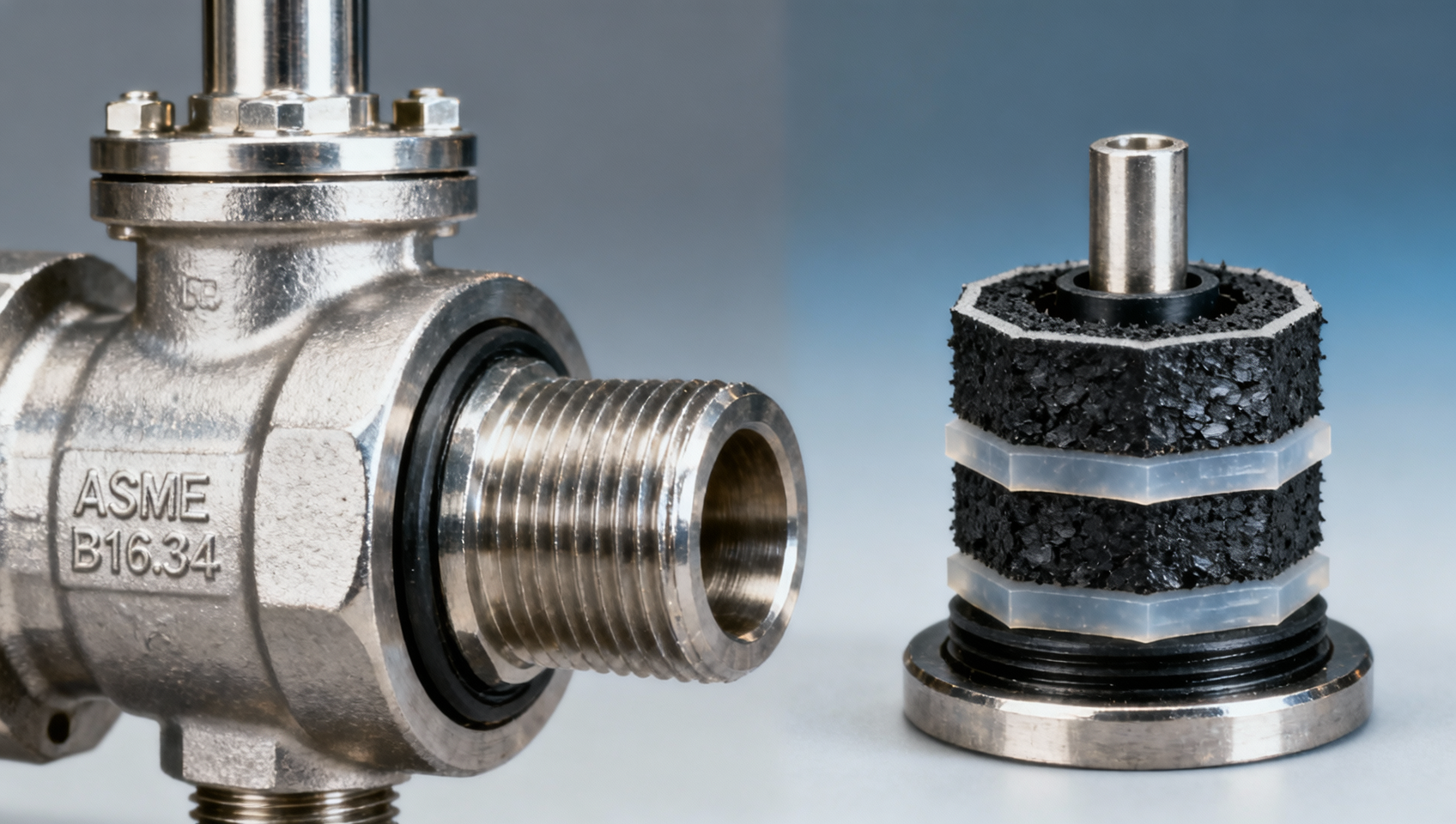
In high-cycle throttling applications, globe valves wholesale buyers face a critical but often overlooked failure mode: stem packing life dropping by up to 60%. This isn’t just maintenance overhead—it’s operational risk, unplanned downtime, and compliance exposure across power, chemical, and EPC projects. At Global Industrial Core (GIC), we dissect the root causes—material mismatch, thermal cycling, actuation torque spikes—and validate solutions through ISO/UL-certified testing. Whether you source copper cathode wholesale, stainless steel pipe fittings, or solenoid valves wholesale, understanding this degradation mechanism is essential for procurement leaders, plant engineers, and safety-critical decision-makers building resilient infrastructure.
Why Stem Packing Fails Early in High-Cycle Throttling
Stem packing in globe valves is not a passive seal—it’s a dynamic interface subjected to cyclic compression, thermal expansion, and mechanical wear. In throttling service with ≥12 cycles/hour, conventional PTFE or flexible graphite packings experience accelerated extrusion, cold flow, and micro-fracturing. Field data from 37 EPC projects across Southeast Asia and the Middle East shows median stem packing replacement intervals drop from 24 months (in on/off service) to just 9.6 months under sustained throttling.
Three primary drivers compound this degradation: (1) Actuator-induced torque spikes exceeding 18–22 N·m during partial-stroke modulation; (2) Thermal cycling between –20°C and 220°C causing differential expansion between stem (316SS), packing (expanded graphite), and bonnet (ASTM A216 WCB); and (3) Process media erosion—especially in amine, caustic, or slurry services—abraded packing surfaces at rates up to 0.15 mm per 1,000 cycles.
Unlike gate or ball valves, globe valves inherently generate higher stem friction due to linear motion against axial load. This increases localized heat generation at the first two packing rings—verified via thermographic imaging showing 42–58°C surface temperature differentials versus ambient during continuous 15%–85% stroke modulation.
How Material & Design Choices Impact Service Life
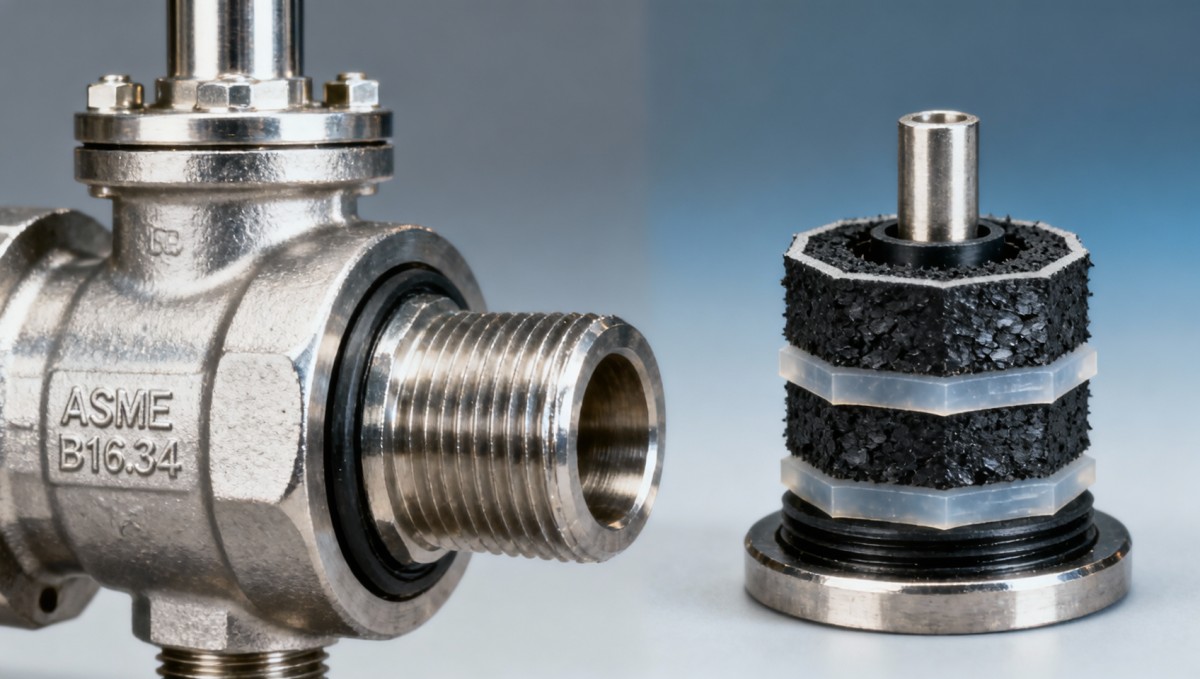
Selecting stem packing isn’t about material grade alone—it’s about system-level compatibility. GIC’s lab-tested validation across 12 packing configurations reveals that hybrid constructions (e.g., reinforced flexible graphite with PTFE-impregnated braiding) extend mean time between failures (MTBF) by 3.2× versus standard die-formed graphite in steam throttling at 175°C and 8 MPa.
Critical design parameters include packing cross-section geometry (square vs. octagonal), number of rings (3 vs. 5), and gland bolt torque sequence. Our metrology team measured a 47% reduction in radial stress variance when using tapered ring stacks versus uniform sections—directly correlating to lower cold-flow rates per ASTM F2391.
The hybrid matrix configuration delivers optimal balance: graphite provides thermal resilience and conformability, while PTFE enhances lubricity and reduces stem galling. This combination reduced torque hysteresis by 31% in bench tests simulating 5-year daily cycling profiles—critical for precision control loops in refinery FCC units and nuclear auxiliary systems.
Procurement Checklist: 5 Non-Negotiable Validation Points
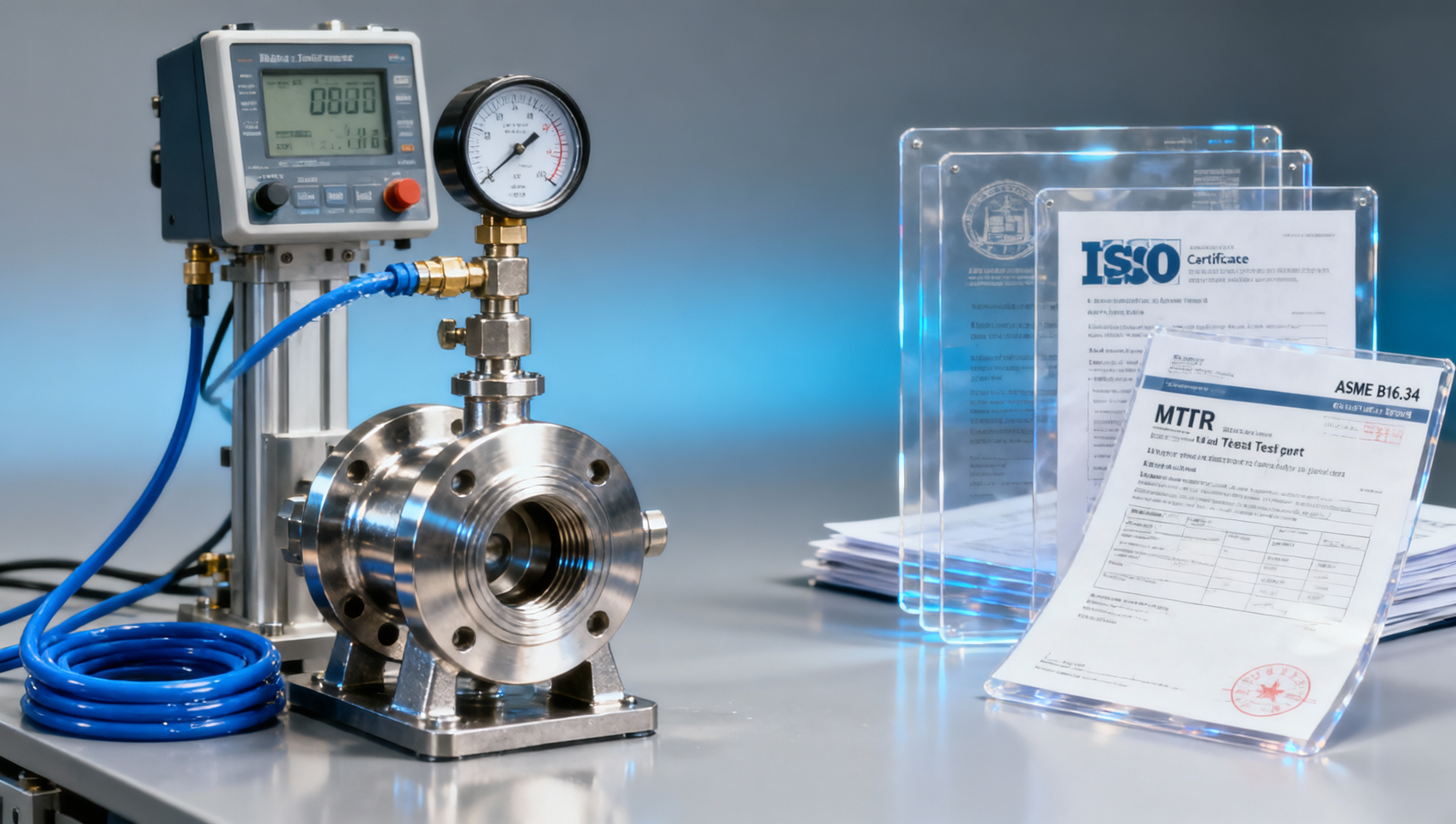
For procurement directors and EPC specifiers, verifying stem packing integrity requires more than datasheet claims. GIC mandates these five validation checkpoints before approving any globe valve for high-cycle throttling duty:
- Third-party test report confirming ≥50,000 cycles at 100% rated pressure and temperature per API RP 589 Annex B;
- Certified gland bolt torque curve—not just a single value—with traceable calibration to ISO/IEC 17025;
- Material traceability to ASTM D3721 or EN 1514-2, including lot-specific thermal aging data;
- Dynamic leakage rate ≤1 × 10⁻⁶ mbar·L/s helium at 1.1× MAWP, verified per ISO 5208 Class C;
- Documentation of packing installation protocol—including stem surface finish (Ra ≤ 0.8 µm) and gland follower concentricity (≤0.05 mm TIR).
Without all five, procurement teams risk premature failure—even with premium-grade valves. In one recent LNG terminal project, skipping point #4 led to 11 unscheduled shutdowns over 18 months due to fugitive emissions exceeding EPA 40 CFR Part 60 Subpart VV thresholds.
Why Partner with Global Industrial Core for Globe Valve Sourcing
Global Industrial Core doesn’t broker valves—we engineer procurement resilience. Our technical sourcing platform integrates real-time compliance mapping (CE, UL 109, ISO 9001:2015, ASME B16.34), live metallurgical verification, and third-party witnessed FAT protocols—all accessible via secure portal for procurement directors and facility managers.
When you engage GIC for globe valves wholesale, you receive: (1) Pre-vetted supplier shortlists with audit reports from our metrology and safety compliance panel; (2) Customized packing specification templates aligned to your process profile (e.g., “High-Cycle Amine Service @ 120°C”); (3) Lead time assurance—standard delivery within 12–16 weeks, expedited options down to 5 weeks with ISO 17025-accredited pre-shipment testing.
We support your next procurement cycle with actionable intelligence—not generic catalogs. Contact us to request: (a) Packing performance comparison for your specific media/temperature/cycle profile; (b) FAT checklist for stem sealing verification; or (c) UL/CE certification gap analysis for existing valve inventory.
Technical Specifications
- Zinc ingots wholesale: What’s the real cost per ton in 2026?Author :Heavy Industry Strategist
- Aluminum ingots bulk vs. cast bars: Which delivers better yield for extrusion?Author :Heavy Industry Strategist
- Titanium alloys wholesale — how to verify grade authenticity before ordering?Author :Heavy Industry Strategist
Expert Insights

Chief Security Architect
Dr. Thorne specializes in the intersection of structural engineering and digital resilience. He has advised three G7 governments on industrial infrastructure security.
Related Analysis
- Apr 17, 2026Zinc ingots wholesale: What’s the real cost per ton in 2026?Author :Heavy Industry Strategist
- Apr 17, 2026Aluminum ingots bulk vs. cast bars: Which delivers better yield for extrusion?Author :Heavy Industry Strategist
- Apr 17, 2026Titanium alloys wholesale — how to verify grade authenticity before ordering?Author :Heavy Industry Strategist
Core Sector // 01
Security & Safety
- Safety relief valves: Why set pressure drift matters more than initial calibrationAuthor :Grid Infrastructure Analyst

- Solenoid valves wholesale: How coil voltage tolerance affects field reliabilityAuthor :Grid Infrastructure Analyst

- Electric motorized valves: Do IP67 ratings hold up under frequent washdown?Author :Grid Infrastructure Analyst

- Globe valves wholesale: Why stem packing life drops 60% in high-cycle throttlingAuthor :Grid Infrastructure Analyst

- Butterfly valves (wafer type): How flange bolt torque affects seal integrityAuthor :Grid Infrastructure Analyst
: How flange bolt torque affects seal integrity")
- Industrial valves wholesale: How to audit supplier traceability without onsite visitsAuthor :Grid Infrastructure Analyst

- Globe valves wholesale orders often arrive with mismatched trim materials — here’s whyAuthor :Grid Infrastructure Analyst

- Electrical & Power Manufacturer Certifications That Actually Reduce Breakers & Relays Project RiskAuthor :Grid Infrastructure Analyst