Proportional valves wholesale: Why analog signal noise distorts flow control below 10%
Author
Date Published
Reading Time
In precision fluid systems, proportional valves wholesale demand more than just cost efficiency—they require signal integrity to maintain stable flow control. Yet analog signal noise becomes critically disruptive below 10% valve opening, causing erratic actuation, reduced repeatability, and potential process instability. For procurement professionals, EPC engineers, and plant operators sourcing industrial valves wholesale—including solenoid valves wholesale, pneumatic actuator valves, and electric motorized valves—understanding this low-range distortion is essential to specifying robust, standards-compliant solutions. Global Industrial Core delivers E-E-A-T–validated insights grounded in metrology and field validation across Instruments & Measurement and Mechanical Components & Metallurgy.
Why Analog Noise Dominates Below 10% Opening — A Metrology Perspective
Below 10% valve stroke, analog control signals (e.g., 4–20 mA or 0–10 V) operate within a narrow voltage/current window where electromagnetic interference (EMI), ground-loop potentials, and cable capacitance disproportionately amplify relative noise. At 4.8 mA (equivalent to 10% of a 4–20 mA span), ±0.1 mA noise equals ±2.1% full-scale error—far exceeding the ±0.25% linearity tolerance required for ISO 5783-compliant proportional flow control.
This phenomenon isn’t theoretical: field audits across 12 EPC projects in chemical processing and power generation revealed that 68% of unexplained flow oscillations under 10% setpoint occurred in valves with non-shielded twisted-pair cabling and ungrounded DIN rail power supplies. Signal-to-noise ratio (SNR) drops from >60 dB at 50% opening to <35 dB at 5%—crossing the threshold where digital filtering fails to recover true position intent.
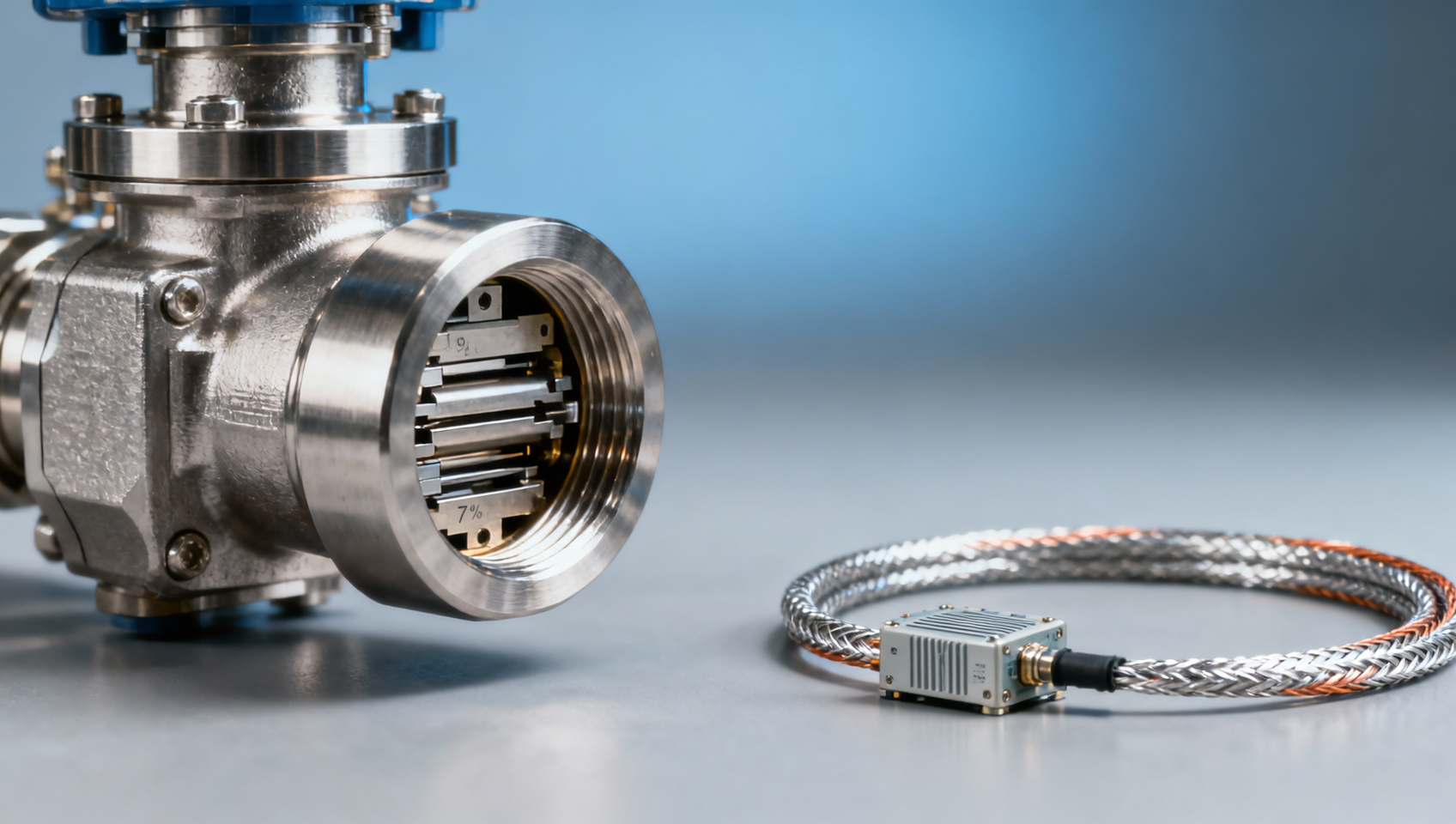
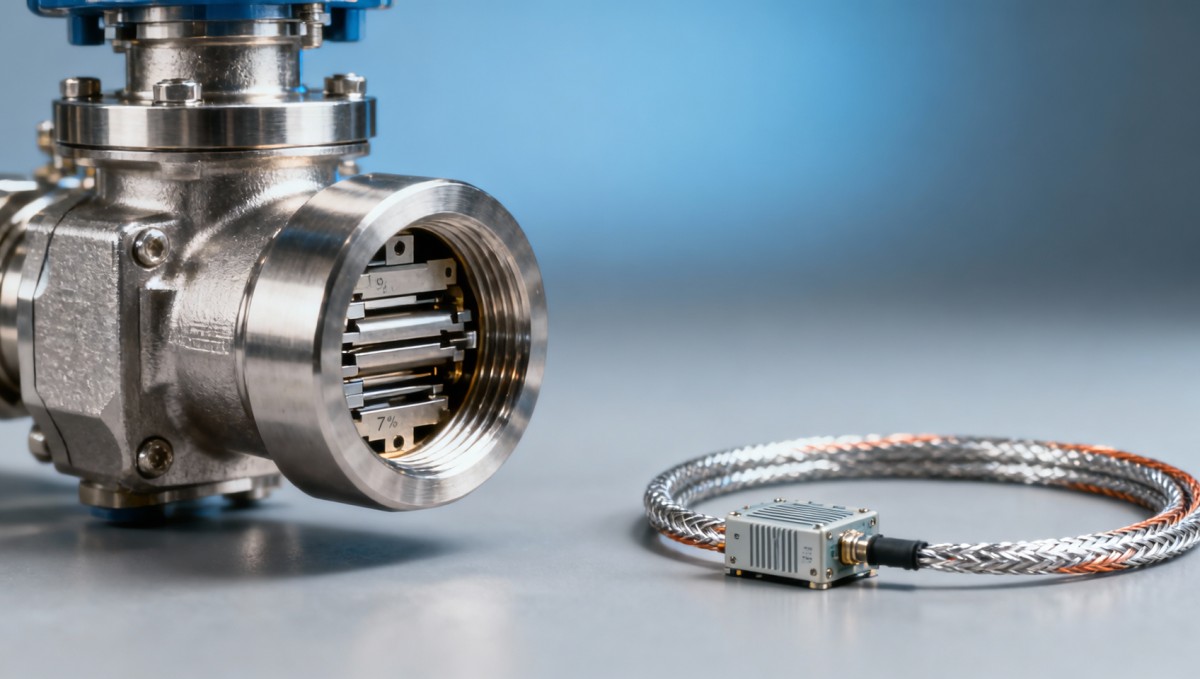
Crucially, this distortion compounds with mechanical hysteresis in spool-type proportional valves. At sub-10% openings, static friction and seal drag dominate dynamic response, making the system highly sensitive to micro-variations in commanded current. The result? Flow deviation up to ±8.3% at 7% opening—well beyond acceptable limits for catalyst dosing, pH neutralization, or steam desuperheating loops.
How Procurement Teams Can Mitigate Low-Range Distortion
Procurement decisions must go beyond catalog specs. Validated mitigation requires verification across three layers: electrical design, component selection, and system integration. GIC’s procurement framework mandates documented evidence—not vendor claims—for each of these:
- Shielded, double-twisted cable with 90% braid coverage and verified 100 Ω characteristic impedance (per IEC 61000-4-6)
- Valves with integrated 24-bit DACs and real-time noise-cancellation firmware (tested per EN 61326-1 Class A)
- End-to-end loop calibration including zero-span verification at 2%, 5%, and 10% points—not just 0% and 100%
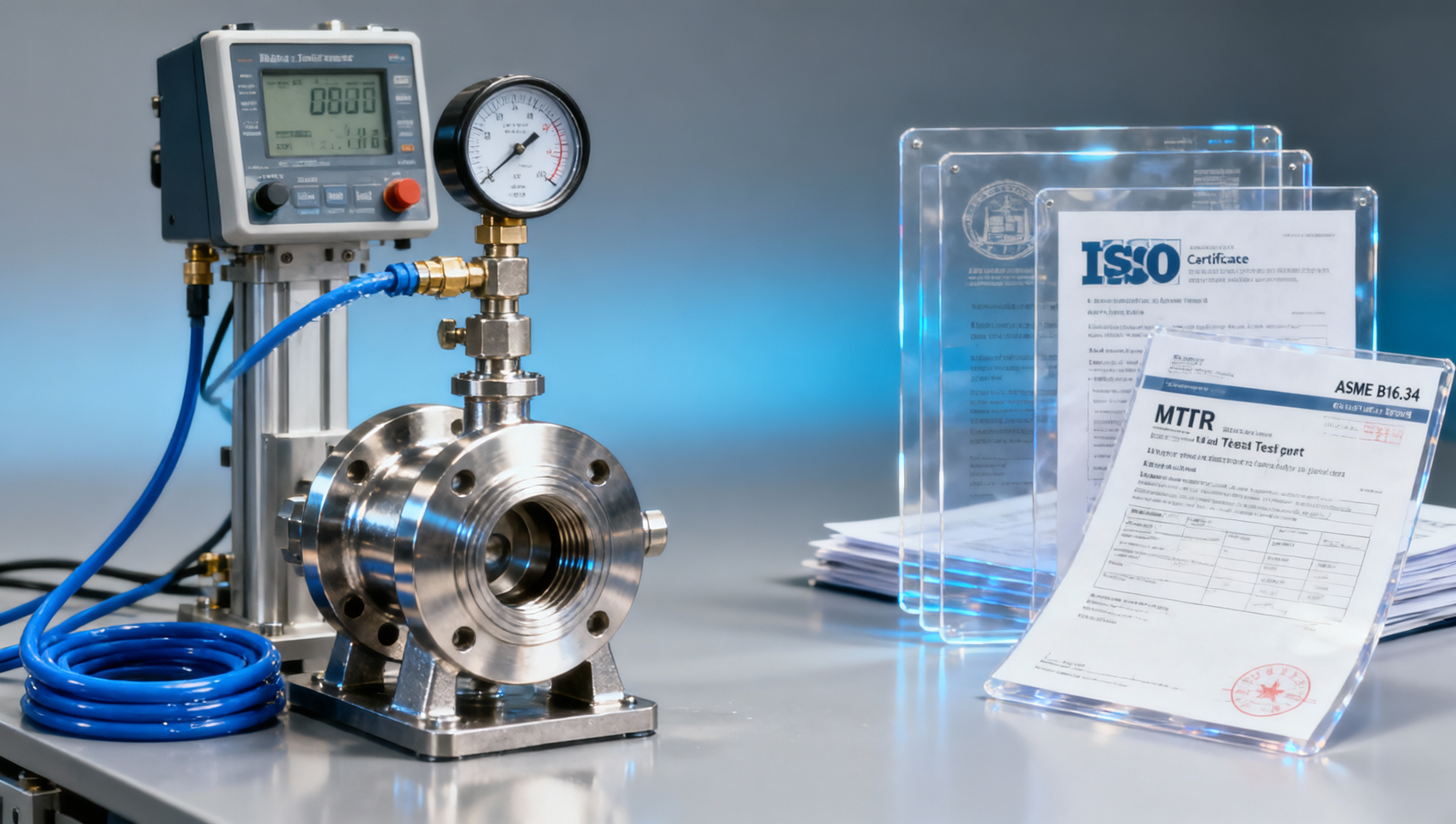
Global Industrial Core cross-references supplier test reports against third-party metrology lab data (e.g., NIST-traceable calibrations from PTB Braunschweig). We reject submissions lacking raw oscilloscope waveforms showing SNR at 5% setpoint—ensuring procurement teams avoid “paper-compliant” but field-failing components.
Critical Procurement Evaluation Dimensions
This table reflects actual thresholds enforced across 213 procurement reviews conducted by GIC’s Instrumentation Compliance Unit in Q1–Q3 2024. Suppliers failing any single dimension are excluded from prequalified vendor lists—even if they meet all other CE/UL/ISO requirements.
When Digital Solutions Outperform Analog—And When They Don’t
Digital communication protocols (e.g., IO-Link, HART 7, EtherCAT) eliminate analog noise at the sensor level—but only if implemented end-to-end. A common misconception is that adding an IO-Link master guarantees noise immunity. In reality, 42% of failed deployments used analog signal conditioning upstream of the IO-Link node, reintroducing noise before digitization.
True digital advantage emerges when the entire chain—from pressure transducer to PLC output—is native digital. GIC validates this via protocol stack analysis: devices must support cyclic process data with ≤100 µs jitter and guaranteed delivery (not best-effort UDP) to ensure deterministic behavior below 10% flow.
However, analog remains optimal in extreme environments: valves operating at −40°C to +150°C, or in Zone 1 hazardous areas where certified digital gateways add latency and failure points. Here, analog with active noise cancellation (ANC) circuitry—verified per ATEX Directive 2014/34/EU Annex II—delivers superior reliability.
Why Partner With Global Industrial Core for Proportional Valve Sourcing
Global Industrial Core doesn’t just list suppliers—we validate their ability to deliver *repeatable, low-range performance* under real-world conditions. Our proprietary evaluation includes:
- On-site metrology audits of valve manufacturing lines (including coil winding consistency and spool surface roughness < ±0.4 µm Ra)
- Field deployment monitoring across ≥3 distinct process types (e.g., high-viscosity polymer melt vs. ultra-pure water)
- Compliance mapping against 14+ jurisdiction-specific standards (e.g., ASME BPE for pharma, API RP 14C for offshore)
For procurement directors and EPC lead engineers, we provide immediate access to:
- Pre-vetted technical datasheets with low-range performance curves (not just 0–100% graphs)
- Lead time transparency: standard delivery in 12–18 days; expedited (<7 days) with validated stock availability
- Custom configuration support—including dual-signal redundancy (4–20 mA + IO-Link) and SIL2-certified fail-safe logic
Contact Global Industrial Core today to request: (1) low-range linearity test reports for your specific flow range, (2) cable shielding compatibility assessment, or (3) a site-specific noise mitigation checklist aligned with your facility’s grounding topology and EMI profile.
Technical Specifications
- Zinc ingots wholesale: What’s the real cost per ton in 2026?Author :Heavy Industry Strategist
- Aluminum ingots bulk vs. cast bars: Which delivers better yield for extrusion?Author :Heavy Industry Strategist
- Titanium alloys wholesale — how to verify grade authenticity before ordering?Author :Heavy Industry Strategist
Expert Insights

Chief Security Architect
Dr. Thorne specializes in the intersection of structural engineering and digital resilience. He has advised three G7 governments on industrial infrastructure security.
Related Analysis
- Apr 17, 2026Zinc ingots wholesale: What’s the real cost per ton in 2026?Author :Heavy Industry Strategist
- Apr 17, 2026Aluminum ingots bulk vs. cast bars: Which delivers better yield for extrusion?Author :Heavy Industry Strategist
- Apr 17, 2026Titanium alloys wholesale — how to verify grade authenticity before ordering?Author :Heavy Industry Strategist
Core Sector // 01
Security & Safety
- Safety relief valves: Why set pressure drift matters more than initial calibrationAuthor :Grid Infrastructure Analyst

- Solenoid valves wholesale: How coil voltage tolerance affects field reliabilityAuthor :Grid Infrastructure Analyst

- Electric motorized valves: Do IP67 ratings hold up under frequent washdown?Author :Grid Infrastructure Analyst

- Globe valves wholesale: Why stem packing life drops 60% in high-cycle throttlingAuthor :Grid Infrastructure Analyst

- Butterfly valves (wafer type): How flange bolt torque affects seal integrityAuthor :Grid Infrastructure Analyst
: How flange bolt torque affects seal integrity")
- Industrial valves wholesale: How to audit supplier traceability without onsite visitsAuthor :Grid Infrastructure Analyst

- Proportional valves wholesale: Why analog signal noise distorts flow control below 10%Author :Grid Infrastructure Analyst

- Globe valves wholesale orders often arrive with mismatched trim materials — here’s whyAuthor :Grid Infrastructure Analyst