How to Size an Air Circuit Breaker ACB
Author
Date Published
Reading Time
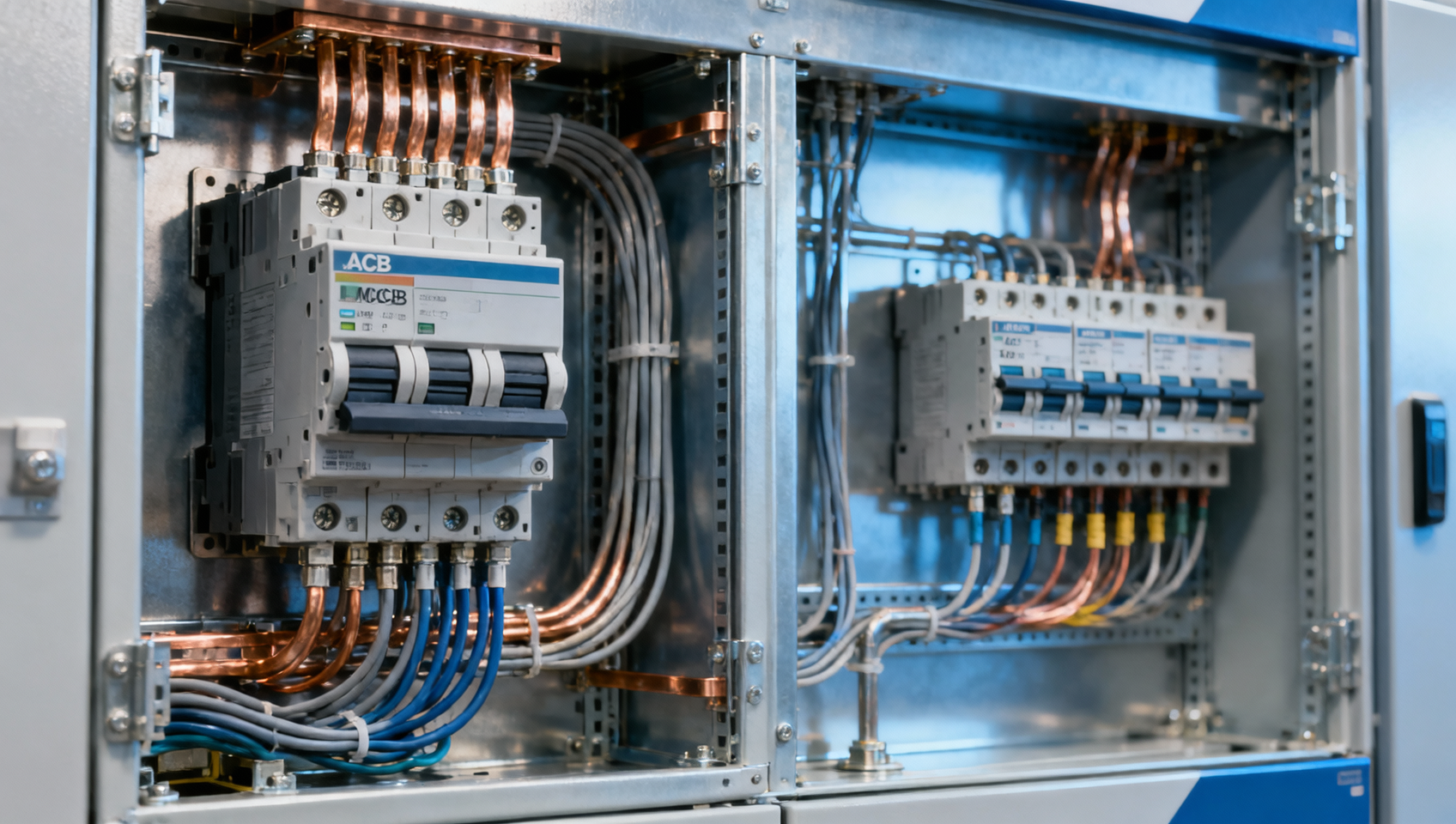
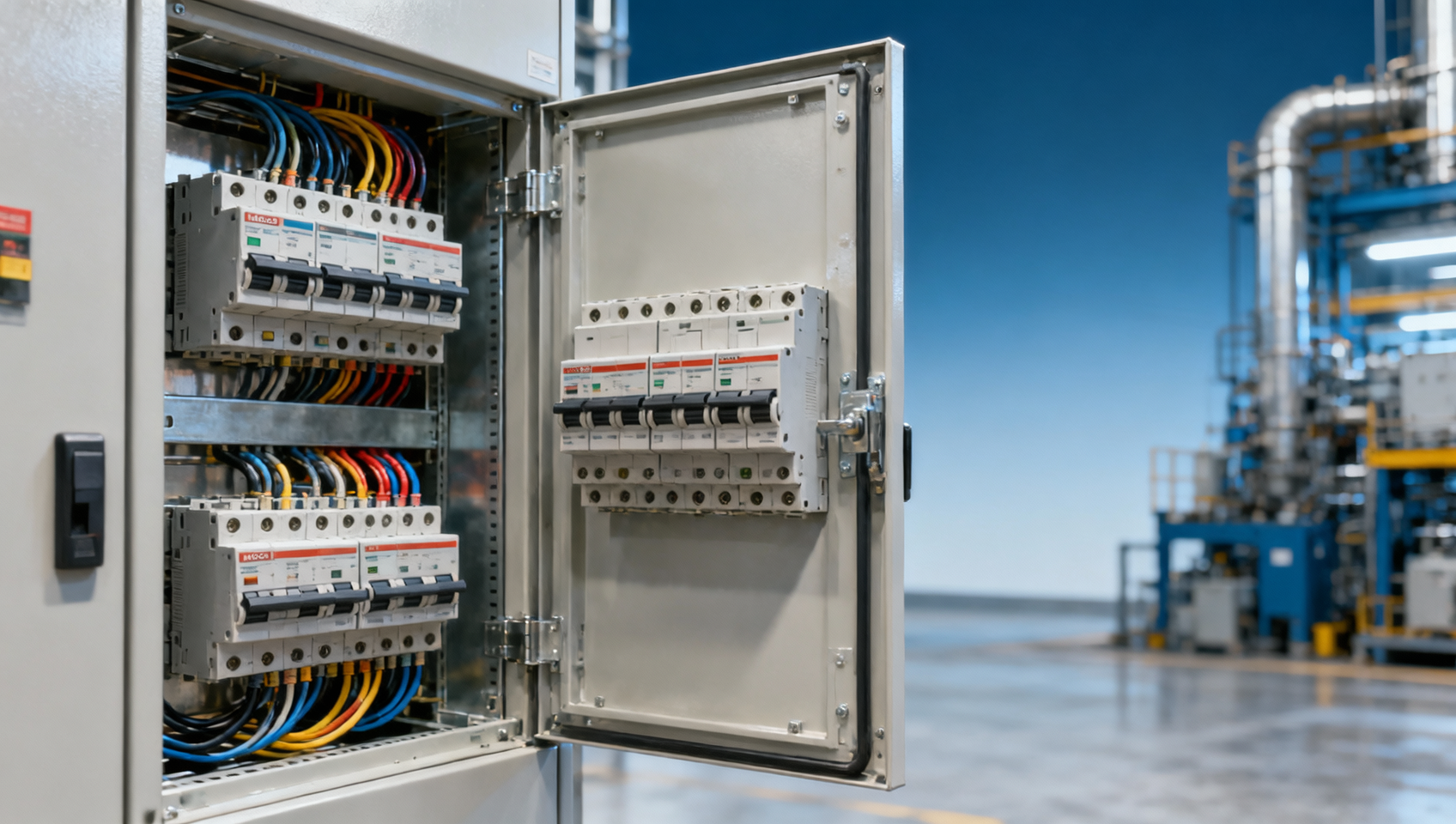
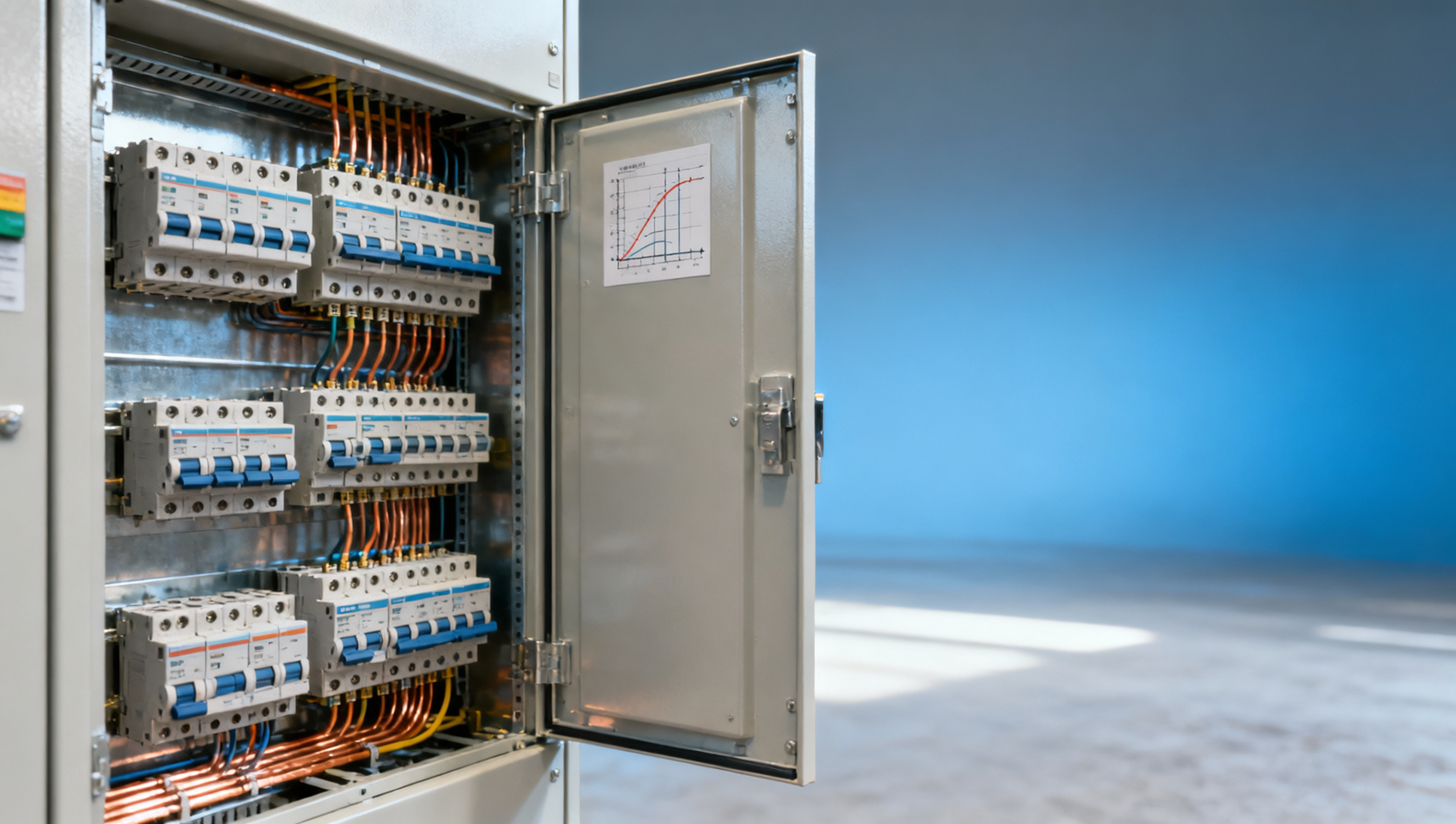
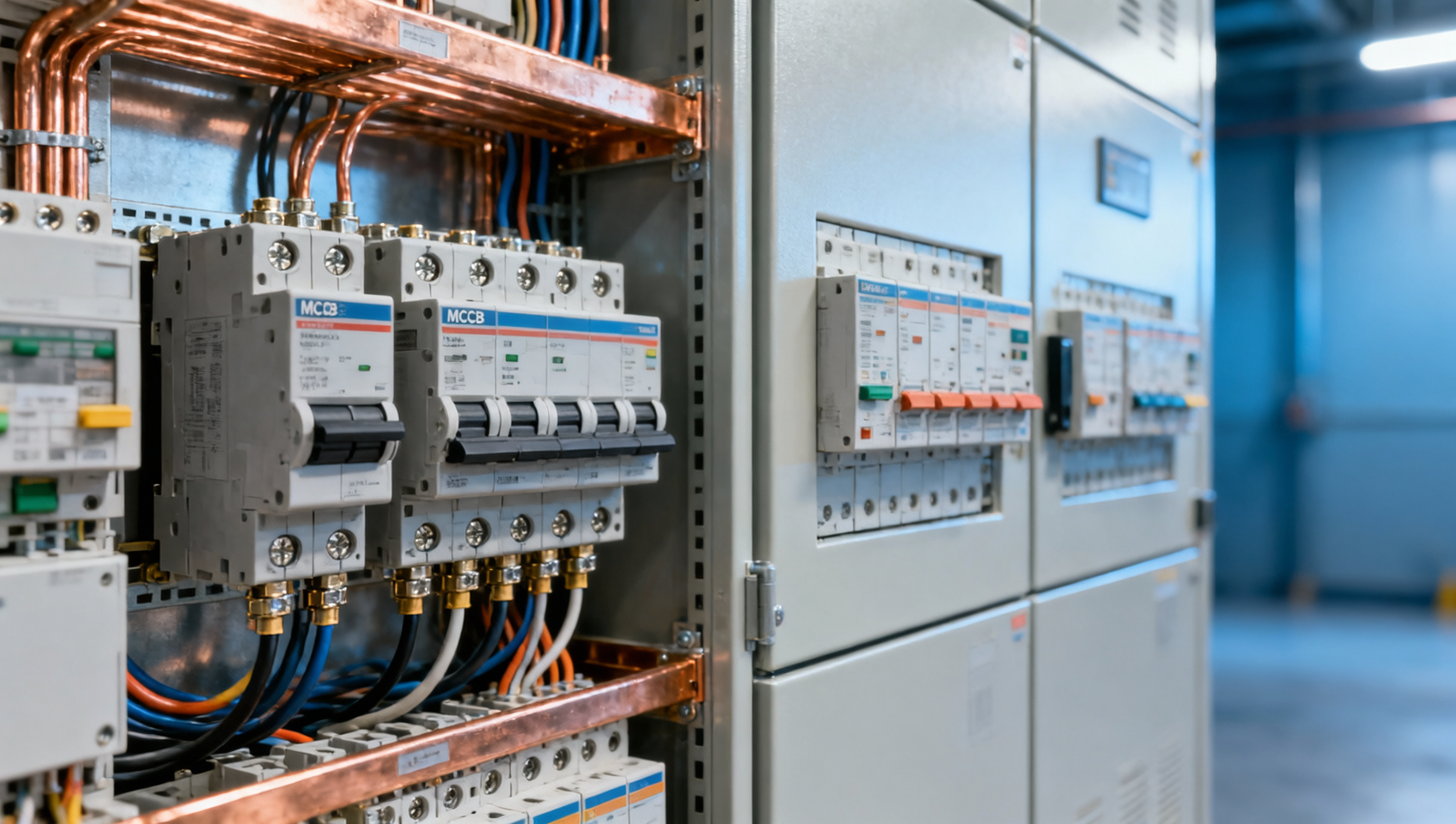
Choosing the right air circuit breaker ACB is essential for protecting low voltage switchboard systems, coordinating with molded case circuit breaker MCCB and miniature circuit breaker MCB devices, and reducing costly downtime. This guide explains how to size an ACB correctly by evaluating load current, fault levels, selectivity, and application demands, helping engineers, operators, buyers, and decision-makers make safer, standards-aligned electrical protection choices.
Why correct ACB sizing matters in industrial power distribution
An air circuit breaker is usually the main protective device in a low voltage switchboard, often installed at the incomer, bus coupler, or major outgoing feeder. When the ACB is undersized, it may trip during normal load peaks, motor starting, or transformer inrush. When it is oversized, fault discrimination becomes harder, cable and downstream device protection may weaken, and capital cost rises without a real operational benefit.
In industrial facilities, ACB sizing is not just a current rating decision. It is a coordination task involving continuous current, short-time withstand capacity, breaking capacity, protection settings, installation temperature, and future expansion margin. In many projects, the practical sizing window is established through 3 layers of review: electrical design, protection coordination, and procurement compliance.
For EPC contractors and plant managers, a correctly sized air circuit breaker supports uptime, safe maintenance, and predictable fault isolation. For procurement teams, it reduces the risk of buying a frame size that appears acceptable on paper but fails application demands in the field. For decision-makers, the right choice helps avoid unplanned shutdowns that can last from several hours to multiple days depending on spare availability and site criticality.
Global Industrial Core focuses on these high-stakes decisions by connecting technical sizing logic with sourcing judgment. In sectors where compliance, environmental conditions, and service continuity must be balanced, ACB selection should be approached as a system-level reliability decision rather than a single catalog lookup.
What an ACB must do beyond simple overcurrent protection
A modern ACB often performs more than overload and short-circuit protection. Depending on the trip unit and accessory package, it may also support ground fault protection, zone selectivity, metering, communication, event logging, and remote operation. These functions affect sizing because they influence trip settings, response times, and integration with the wider distribution scheme.
- Protect normal load continuously without nuisance tripping during expected operating peaks.
- Interrupt the maximum prospective fault current at the installation point.
- Coordinate with upstream and downstream MCCB or MCB devices across at least overload, short delay, and instantaneous regions.
- Withstand mechanical and thermal stress during short-circuit events for the specified short-time duration, commonly 1 second or 3 seconds depending on system design.
That is why the question is not only “what ampere rating do I need?” but also “what frame size, Icu, Ics, Icw, trip unit range, and coordination behavior does this switchboard require?”
How to size an air circuit breaker step by step
A practical ACB sizing process usually follows 5 steps. First, determine the design load current. Second, calculate or verify the available fault level at the ACB location. Third, review selectivity with downstream breakers. Fourth, confirm environmental and installation conditions. Fifth, validate compliance, accessory needs, and spare strategy. Skipping any one of these steps can lead to expensive rework after panel manufacturing starts.
Load current is the starting point, but it should reflect real operating conditions. A board supplying mixed loads such as motors, HVAC, UPS input, process heaters, and lighting behaves differently from a board with mostly resistive loads. Designers often review both maximum demand and continuous operating current over a representative duty cycle, such as 8-hour, 16-hour, or 24-hour operation.
For three-phase systems, current is commonly derived from total demand power, system voltage, power factor, and efficiency assumptions where relevant. However, final sizing should also consider diversity, future feeder additions, and transient events. A common engineering practice is to keep a reasonable margin above expected continuous load, but not so much that protection loses sensitivity.
Fault level review is equally important. ACB interrupting duty must be suitable for the prospective short-circuit current at the point of installation. This value depends on transformer size, transformer impedance, utility contribution, generator contribution, cable impedance, and bus arrangement. In low voltage systems, the difference between a board close to a transformer and one at the end of a long feeder can be substantial.
Core sizing workflow for engineers and buyers
- Define the application role: incomer, bus coupler, generator breaker, motor feeder, capacitor bank feeder, or tie breaker.
- Determine rated current based on actual demand, duty cycle, ambient conditions, and planned expansion over the next 12–36 months.
- Check breaking capacity and short-time withstand values against calculated fault levels and switchboard studies.
- Set long-time, short-time, instantaneous, and ground fault functions to coordinate with downstream MCCB and MCB devices.
- Confirm standards, accessory requirements, maintenance method, and spare parts availability before purchase release.
Current rating is not the same as frame size
Many buyers confuse the breaker frame rating with the final protection setting. An ACB may have a larger frame size but be equipped with a trip unit set to a lower current range. This can be useful when future expansion is likely, but it should not be done automatically. A larger frame may affect panel dimensions, busbar layout, cable terminations, and overall project cost.
For example, if the continuous load is near 1,250 A and moderate growth is expected, the decision could involve whether to use a frame and trip unit combination centered around that operating current or move to a higher frame for headroom. The right answer depends on fault level, selectivity, and panel design, not just nameplate current.
The table below summarizes the main parameters that should be reviewed when sizing an air circuit breaker in low voltage switchboards.
This parameter set shows why ACB sizing cannot be reduced to ampere rating alone. In procurement reviews, asking for all 4 of these values early can save 1–2 rounds of technical clarification and help avoid switchboard redesign late in the project cycle.
Which application conditions change the right ACB size?
The same calculated load current can lead to different ACB choices depending on application conditions. A breaker feeding a motor-heavy distribution section will face different transient behavior from one feeding a data center support load or a process heating bus. Generator-backed systems and utility-fed systems may also require different protection settings because fault current behavior differs greatly.
Ambient temperature and enclosure conditions matter as well. A breaker inside a crowded switchboard room operating in elevated temperatures may need derating consideration. Similarly, altitude, contamination level, maintenance access, and duty frequency all affect practical selection. For some facilities, a fixed ACB may be sufficient; for others, a draw-out type is preferred for faster isolation and maintenance flexibility.
If the switchboard supports mission-critical loads, the buyer should also ask whether the breaker must support communication, remote open-close control, trip indication, undervoltage release, shunt trip, or synchronization-related logic. These features do not change the basic current calculation, but they strongly influence the final procurement specification and project budget.
From a sourcing perspective, the right ACB size is therefore a combination of electrical rating and operational suitability. A technically compliant breaker that is hard to maintain, slow to replace, or poorly matched to the plant duty cycle may still be the wrong commercial choice.
Common application scenarios and sizing focus
The table below helps users compare how application type changes the air circuit breaker sizing emphasis.
This comparison shows why an ACB that works for one board may be unsuitable for another board with the same nominal current. Application context can shift the priority from current rating to fault performance, from protection sensitivity to maintainability, or from standard accessories to advanced control integration.
Three frequent site factors that trigger re-selection
- Transformer upgrade or utility network change that raises prospective fault current above the original breaker rating.
- Load expansion of 15%–30% over the initial operating profile, often after new production lines or HVAC capacity are added.
- A need for improved selectivity after repeated nuisance trips or wide-area shutdowns caused by poor coordination settings.
If any of these conditions exist, the ACB sizing exercise should be repeated with fresh short-circuit and coordination data instead of relying on legacy nameplate assumptions.
What should procurement teams compare before issuing an order?
Procurement teams often receive incomplete breaker requests that mention only amperes and poles. That is not enough for a reliable comparison. To buy the right air circuit breaker ACB, purchasing should request at least 6 specification points: rated current, breaking capacity, short-time withstand, trip unit functions, mounting type, and required accessories. Without this baseline, quotations may look comparable while technically differing in critical ways.
Lead time and after-sales support also matter. In many industrial projects, standard ACB configurations may ship faster than custom protection and communication packages, but actual delivery can vary by region, panel builder integration, testing sequence, and document approval cycle. A typical procurement window may range from 2–4 weeks for common configurations to longer where factory acceptance testing or special accessories are required.
Another common issue is overbuying. Some teams specify the highest available frame or breaking capacity “just in case.” While that may seem safe, it can increase cost, panel size, and coordination difficulty. A disciplined review should compare technical adequacy, maintainability, lifecycle support, and total installed cost rather than relying on the biggest catalog number.
Global Industrial Core supports B2B sourcing decisions by translating engineering requirements into procurement-ready criteria. This is especially useful when multinational projects must align design documents, approved vendor lists, switchboard builders, and end-user operating expectations within tight delivery windows.
Procurement checklist for ACB selection
- Confirm whether the breaker is fixed or draw-out, and whether the switchboard design already assumes one of these constructions.
- Request the full trip unit functionality, including long-time, short-time, instantaneous, and ground fault where needed.
- Check accessory scope such as motor operator, auxiliary contacts, shunt trip, undervoltage release, mechanical interlocks, and communication modules.
- Review documentation needs, including routine test records, drawings, manuals, and any CE, UL, or project-specific compliance expectations.
- Ask about recommended spares for the first 12–24 months of operation, especially for critical plants with limited downtime tolerance.
Comparison points that should appear on every bid sheet
The table below is designed for buyers comparing more than one air circuit breaker offer. It helps convert engineering language into purchasing decisions without losing technical discipline.
This comparison approach helps separate a low unit price from a low lifecycle cost. In industrial procurement, the less expensive quote can become the more expensive choice if it causes coordination issues, late accessory additions, or extended downtime during commissioning.
Standards, coordination, and mistakes that often cause trouble
An ACB should be selected and applied within the framework of recognized standards and project specifications. In international industrial work, teams commonly review breaker conformity, switchboard standards, and local installation rules together rather than as separate documents. The goal is not simply to buy a compliant device, but to ensure the assembled protection system behaves correctly in service.
Coordination with MCCB and MCB devices is one of the most overlooked topics. If long-time and short-time settings overlap poorly, a downstream fault can trip the main ACB and shut down a much larger section of the plant than necessary. In process industries, that single coordination error can affect production, utilities, and safety systems at the same time.
Another mistake is ignoring maintenance and test strategy. Even a well-sized breaker can become an operational risk if access for inspection is poor, spare releases are unavailable, or staff are not trained on trip unit settings and draw-out procedures. For facilities running 24/7, routine inspection intervals and shutdown planning should be considered during selection, not after commissioning.
A disciplined project team usually performs at least 4 checks before final approval: short-circuit adequacy, selectivity review, mechanical integration in the panel, and document completeness for commissioning and maintenance. These checks are especially important where the board interfaces with generators, UPS systems, motor control centers, or critical utility loads.
Common misconceptions about sizing an air circuit breaker
“A higher ampere rating is always safer”
Not necessarily. A larger breaker may reduce protection sensitivity and complicate coordination. Safety comes from correct matching of load, fault duty, settings, and installation conditions, not from choosing the largest frame available.
“If current is correct, breaking capacity is secondary”
This is a serious error. The breaker must be able to interrupt the available fault current at its installation point. A current rating that looks suitable in normal operation does not protect the system if the interrupting duty is too low during a fault.
“The ACB can be selected without a coordination study”
In simple systems, rough coordination may appear acceptable. In real industrial networks with multiple MCCB and MCB branches, motors, generators, and critical loads, proper discrimination review is often necessary to avoid wide-area outages and repeated nuisance trips.
FAQ for engineers, operators, and buyers
How much future margin should be added when sizing an ACB?
There is no single fixed percentage that fits every project. The right margin depends on the expansion plan, duty cycle, and coordination study. In many facilities, a moderate margin is reviewed over a 12–36 month planning window rather than selecting an excessively oversized breaker on day one. The key is to preserve protection quality while allowing realistic growth.
Can an ACB replace an MCCB in all cases?
No. An air circuit breaker is usually chosen for higher current applications, main incomers, bus couplers, or positions requiring advanced protection and maintainability. MCCB units remain appropriate for many outgoing feeders. The decision depends on current level, fault duty, coordination needs, physical switchboard design, and service strategy.
What documents should be requested before ordering?
At minimum, request datasheets, dimensional information, trip unit details, accessory list, wiring or interface information, and compliance-related documentation required by the project. For larger projects, procurement should also align these documents with panel builder drawings and acceptance testing requirements before release.
How often should settings and condition be reviewed after installation?
Review frequency depends on site criticality, operating conditions, and maintenance policy. Critical facilities may review breaker condition and settings during planned shutdown cycles or after major system changes such as transformer upgrades, feeder additions, or repeated fault events. Any unexplained trip history should trigger an engineering review rather than a simple reset.
Why work with GIC when selecting and sourcing ACB solutions
Selecting the right air circuit breaker ACB requires more than reading a catalog. It involves understanding fault levels, protection logic, compliance expectations, panel integration, and supply risk. Global Industrial Core helps industrial buyers and engineering teams connect these technical and commercial variables so that the final selection is practical for installation, operation, and long-term support.
If your team is comparing ACB options for a new switchboard, retrofitting an existing low voltage panel, or resolving nuisance trip and selectivity problems, GIC can support the decision process with application-focused guidance. This includes parameter confirmation, model matching, accessory scope review, standards-related considerations, and sourcing communication aligned with EPC, facility, and procurement workflows.
You can contact GIC to discuss 6 practical topics: rated current confirmation, fault duty review, trip unit selection, delivery timing, documentation requirements, and spare strategy. This is especially valuable when your project must balance uptime, budget, and compliance across multiple stakeholders in a short procurement cycle.
For industrial teams that need a clearer path from electrical requirement to purchasing decision, GIC provides a structured starting point. Share your switchboard role, system voltage, load profile, available fault level, and coordination requirements, and the discussion can move quickly toward a shortlist, quotation scope, and implementation plan.
Expert Insights

Chief Security Architect
Dr. Thorne specializes in the intersection of structural engineering and digital resilience. He has advised three G7 governments on industrial infrastructure security.
Related Analysis
Core Sector // 01
Security & Safety
- IEC 61850-90-15:2026 Published: 100ns Timestamp Mandatory for Substation RelaysAuthor :Grid Infrastructure Analyst
![]()
- Copper Price Surges 3.8% on Apr 23, Raising BOM Costs for Power ComponentsAuthor :Grid Infrastructure Analyst
![]()
- Copper Price Surge Impacts Breakers & Transformers BOM CostsAuthor :Grid Infrastructure Analyst
![]()
- Copper Price Surge Impacts BOM Costs for Industrial Breakers & TransformersAuthor :Grid Infrastructure Analyst
![]()
- What to Check Before Buying MCCBAuthor :Grid Infrastructure Analyst

- Miniature Circuit Breaker MCB MistakesAuthor :Grid Infrastructure Analyst

- MCCB vs MCB: Which One Fits BetterAuthor :Grid Infrastructure Analyst

- How to Size an Air Circuit Breaker ACBAuthor :Grid Infrastructure Analyst